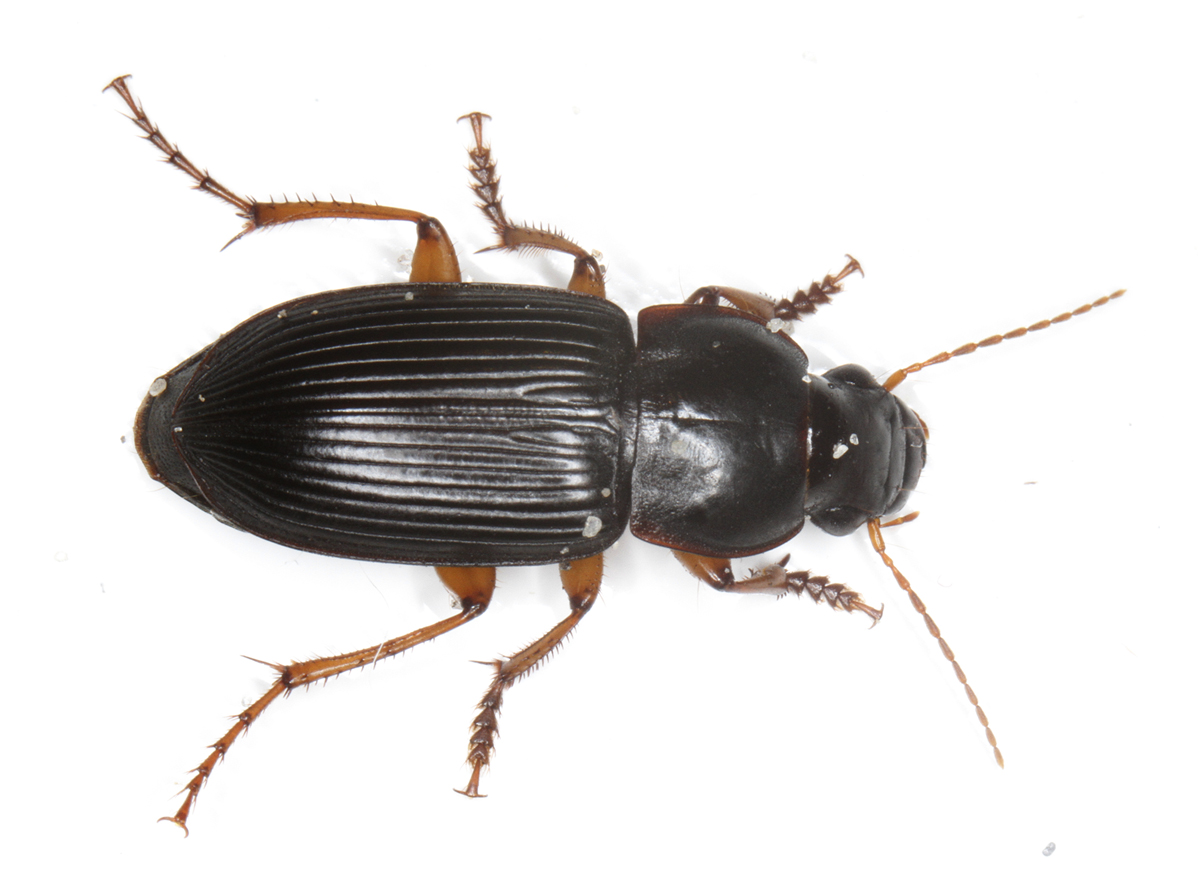
Harpalus texanus should be kept in mind on the immediate coast. It is currently known from "North Carolina to southern Florida, west to eastern Texas" and can only be separated from this species by dissection (BugGuide, 2018).
Use of media featured on Maryland
Biodiversity Project is only permitted with express permission of the
photographer.
A Pennsylvania Dingy Ground Beetle in Cecil Co., Maryland (8/24/2015). Determined by Peter W. Messer and V. Belov via BugGuide.
View Record Details
Media by
Shannon Schade.
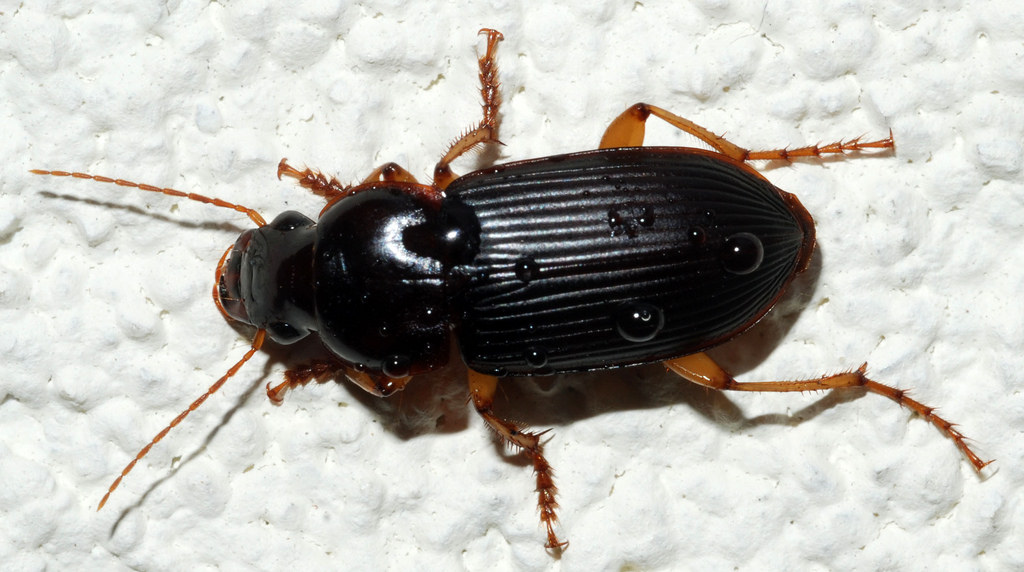
A Pennsylvania Dingy Ground Beetle in Cecil Co., Maryland (8/2/2022). Verified by Peter W. Messer/BugGuide.
View Record Details
Media by
Dave Webb.
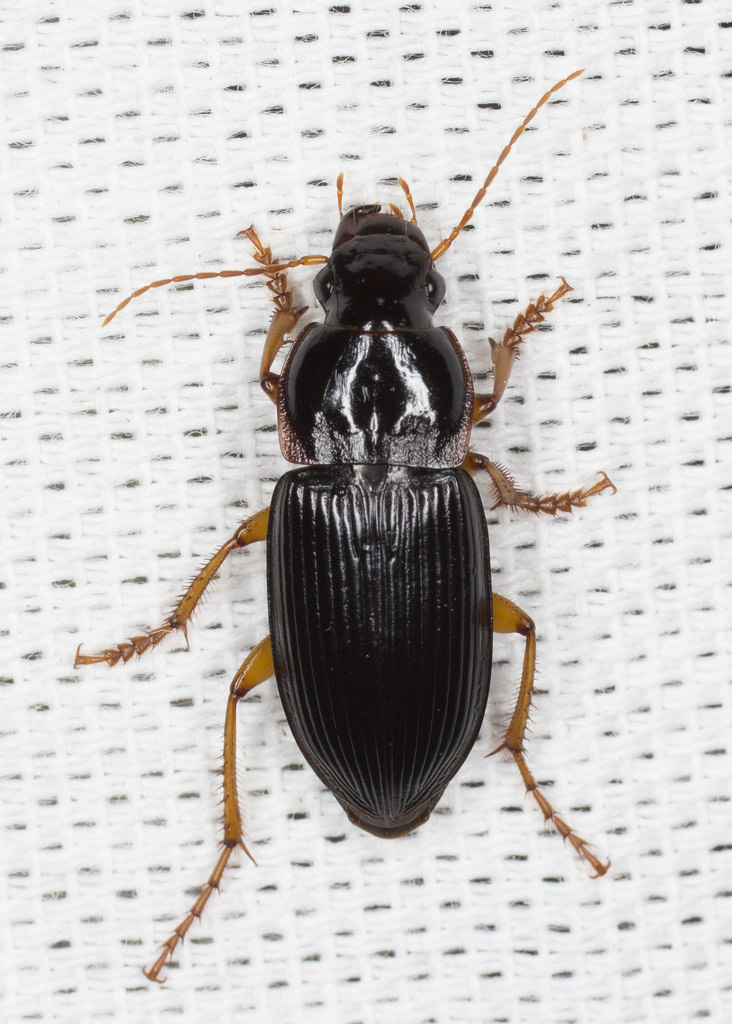
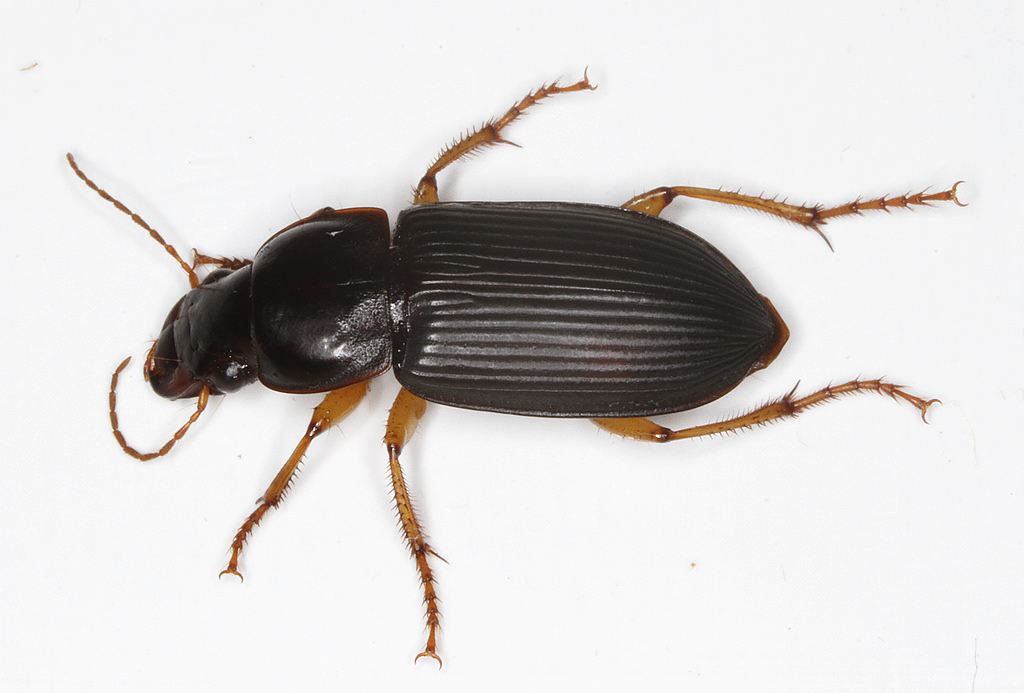
Pennsylvania Dingy Ground Beetle in Anne Arundel Co., Maryland (7/2/2017). (c) Bill Hubick, all rights reserved.
View Record Details
Media by
Bill Hubick.
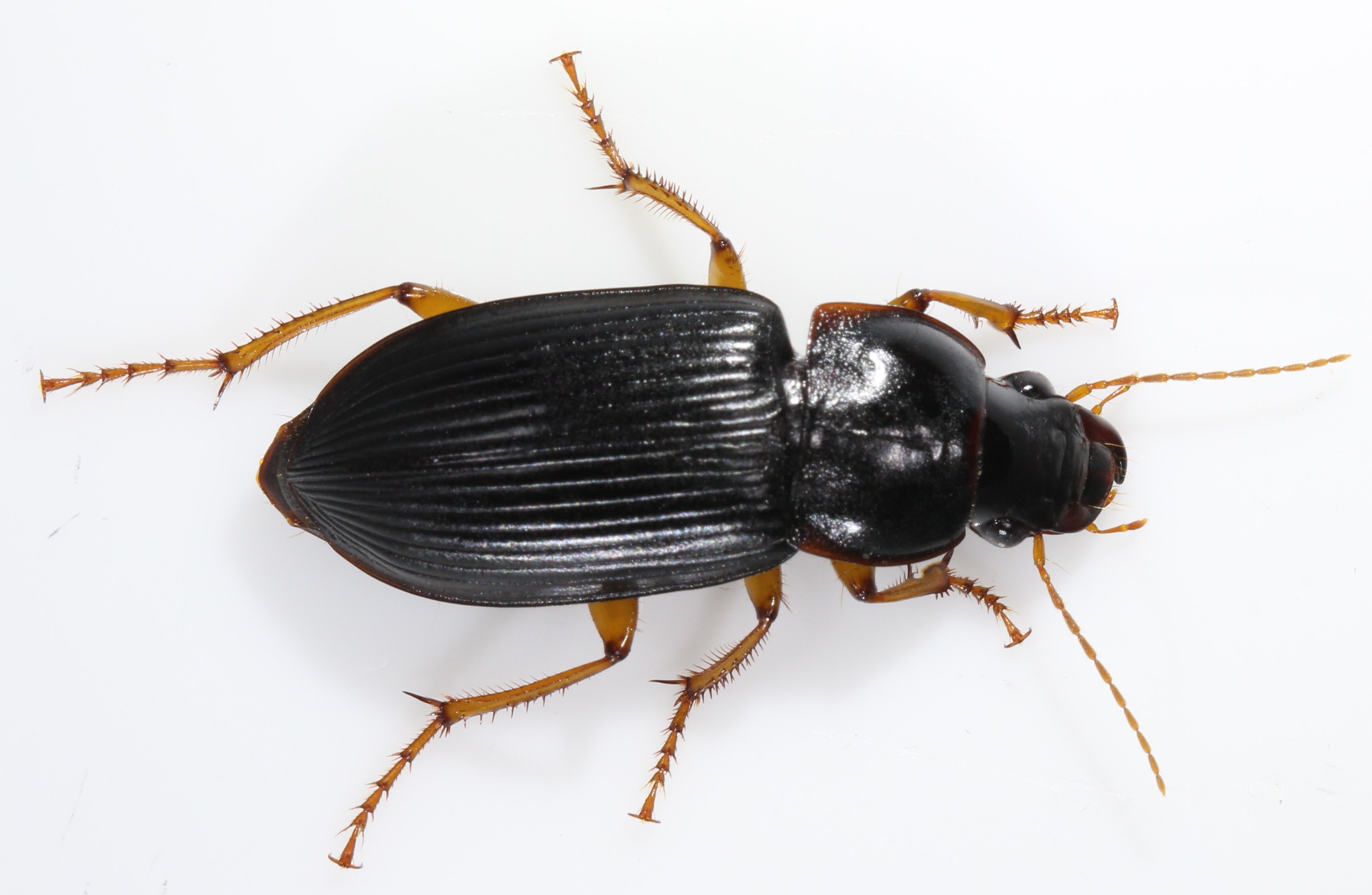
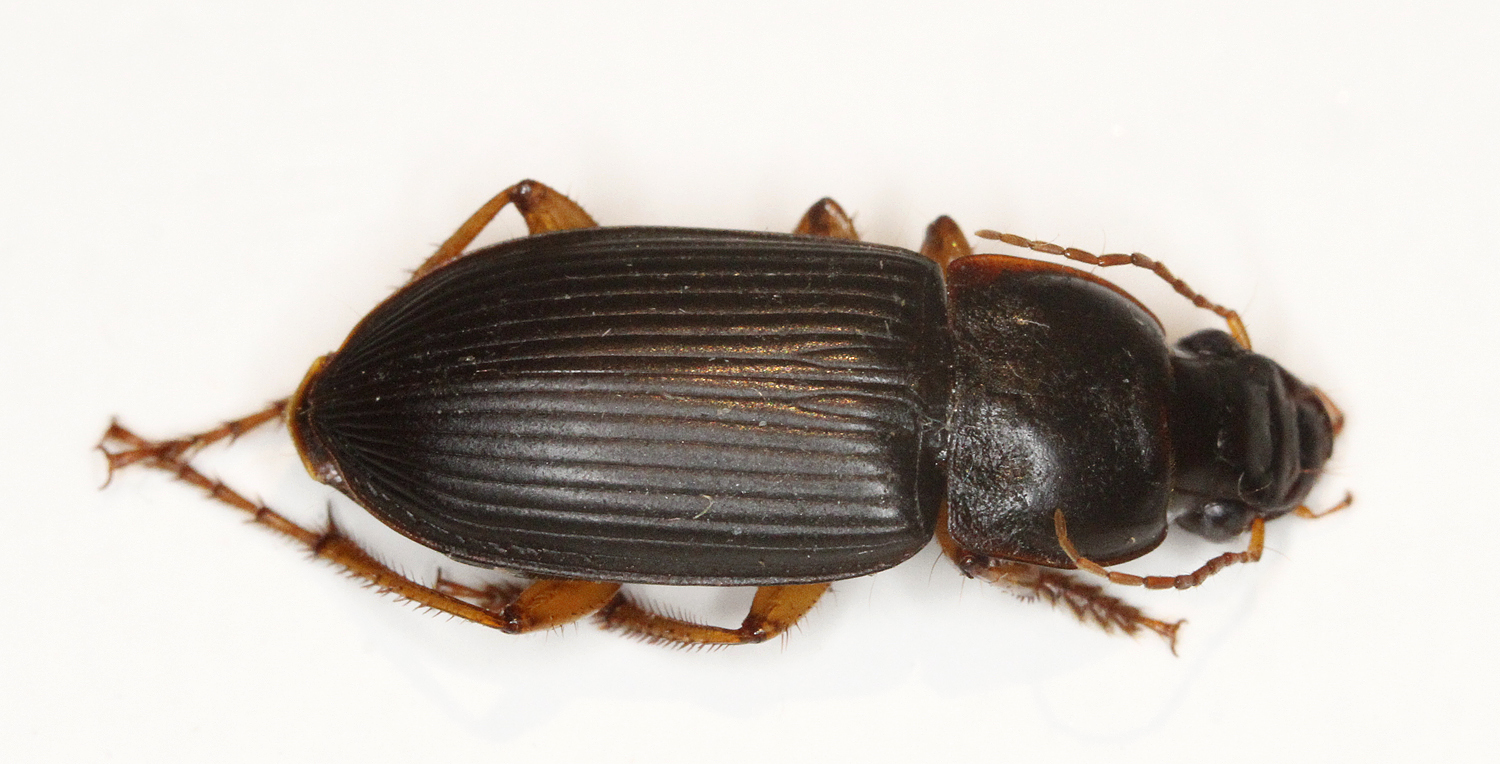
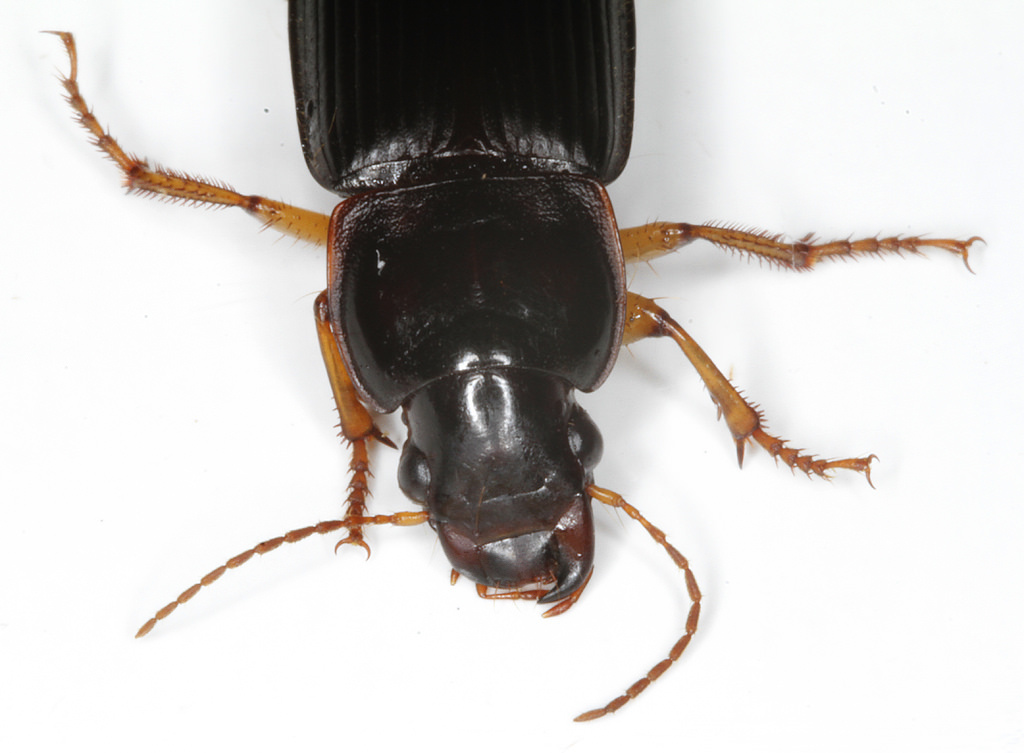
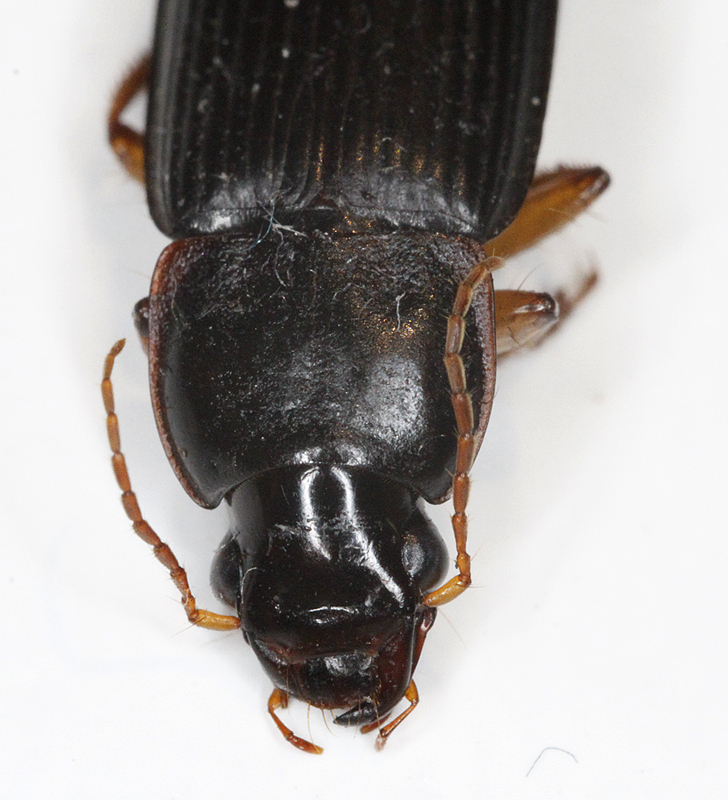
A Pennsylvania Dingy Ground Beetle collected in Anne Arundel Co., Maryland (9/12/2017). Determined by Curt Harden and Blaine Mathison via BugGuide.
View Record Details
Media by
Bill Hubick.
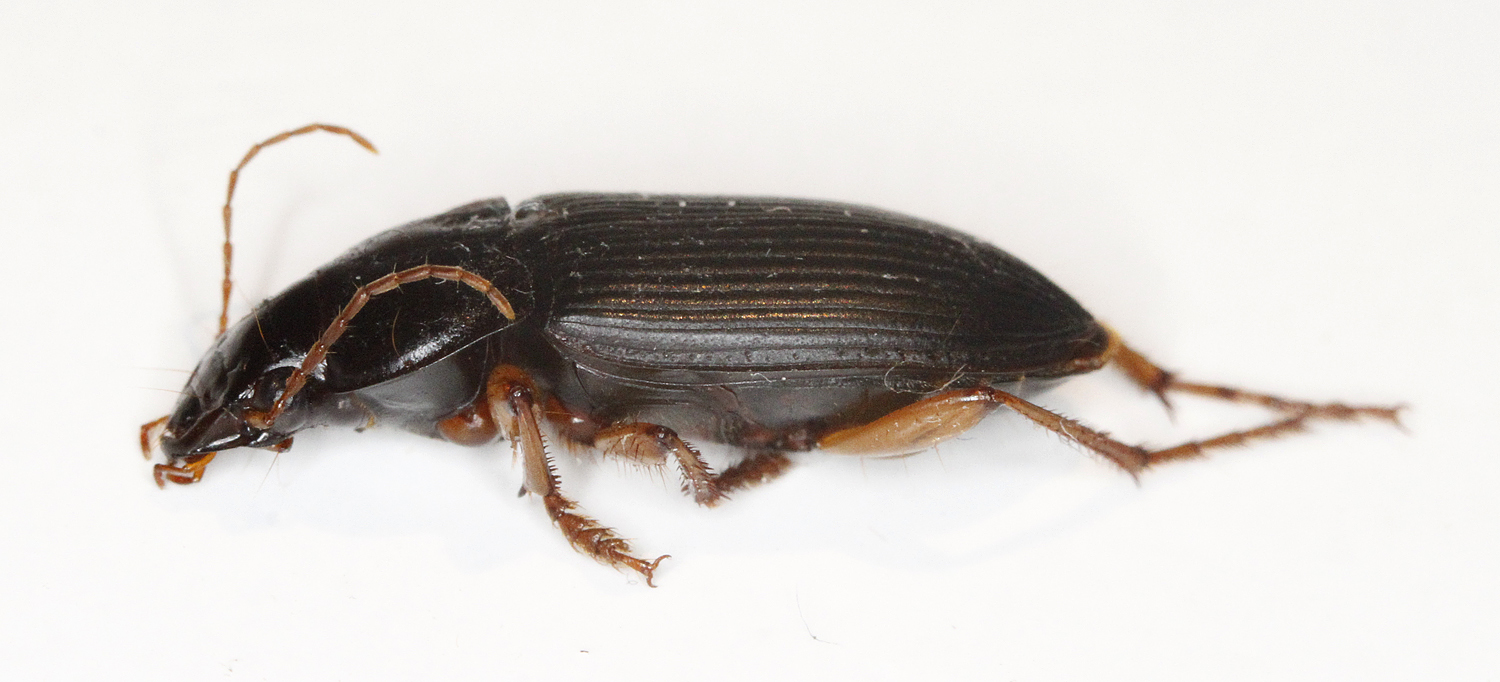
A Pennsylvania Dingy Ground Beetle collected in Anne Arundel Co., Maryland (9/12/2017). Determined by Curt Harden and Blaine Mathison via BugGuide.
View Record Details
Media by
Bill Hubick.
A Pennsylvania Dingy Ground Beetle in Dorchester Co., Maryland (8/28/2019). Determined by Curt Harden/BugGuide.
View Record Details
Media by
Mark Etheridge.
Pennsylvania Dingy Ground Beetle in Anne Arundel Co., Maryland (7/2/2017). (c) Bill Hubick, all rights reserved.
View Record Details
Media by
Bill Hubick.
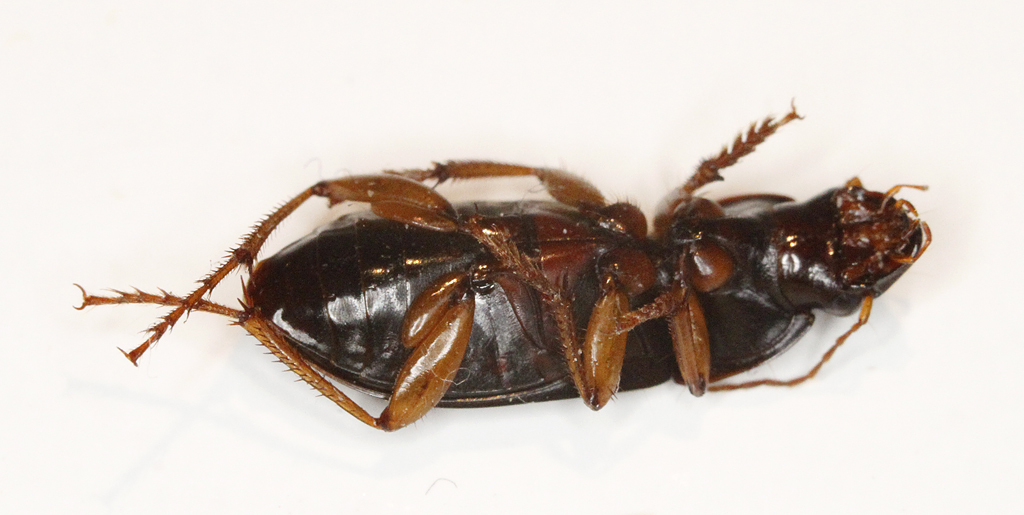
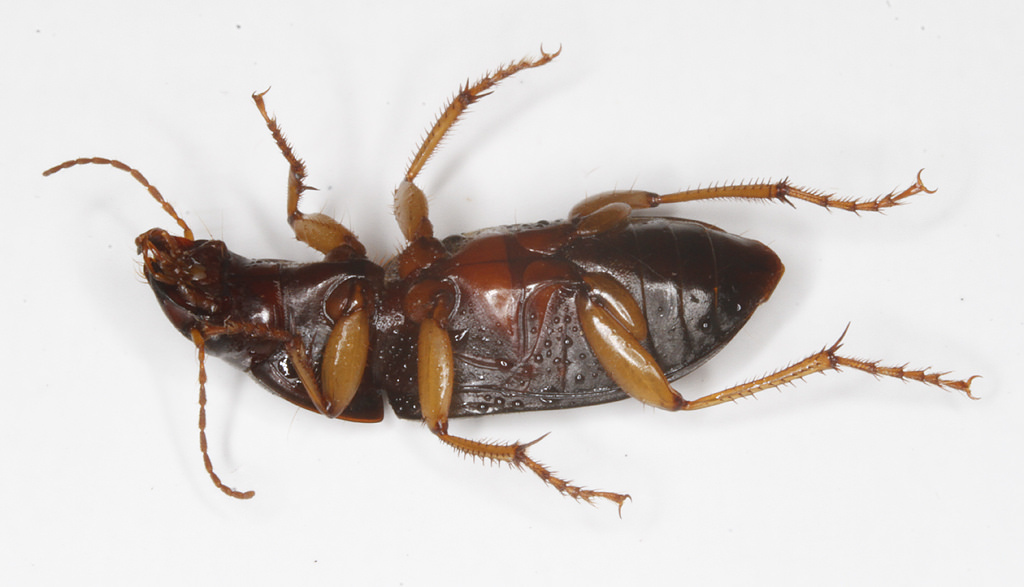
A Pennsylvania Dingy Ground Beetle collected in Anne Arundel Co., Maryland (9/12/2017). Determined by Curt Harden and Blaine Mathison via BugGuide.
View Record Details
Media by
Bill Hubick.
A Pennsylvania Dingy Ground Beetle collected in Anne Arundel Co., Maryland (9/12/2017). Determined by Curt Harden and Blaine Mathison via BugGuide.
View Record Details
Media by
Bill Hubick.
Pennsylvania Dingy Ground Beetle in Anne Arundel Co., Maryland (7/2/2017). (c) Bill Hubick, all rights reserved.
View Record Details
Media by
Bill Hubick.
A Pennsylvania Dingy Ground Beetle found on Assateague Island in Worcester Co., Maryland (9/22/2018). Determined by Curt Harden.
View Record Details
Media by
Bill Hubick.
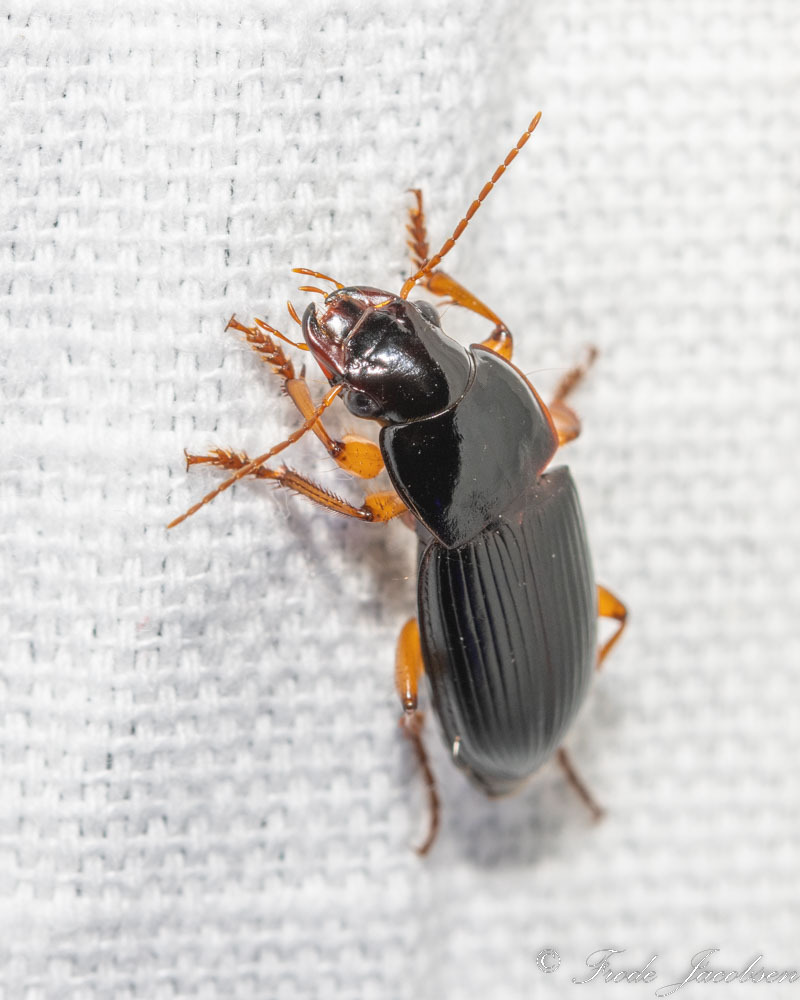
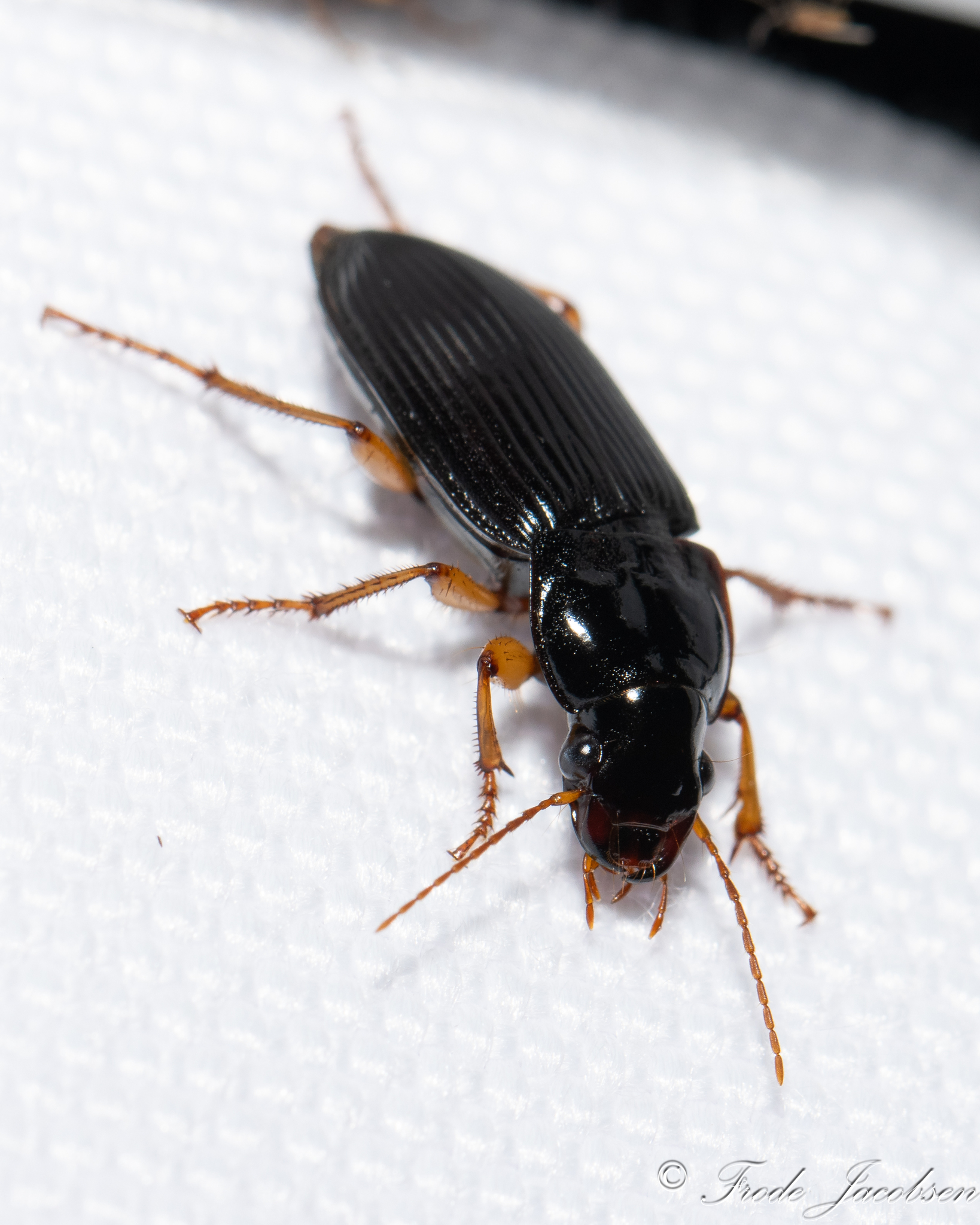
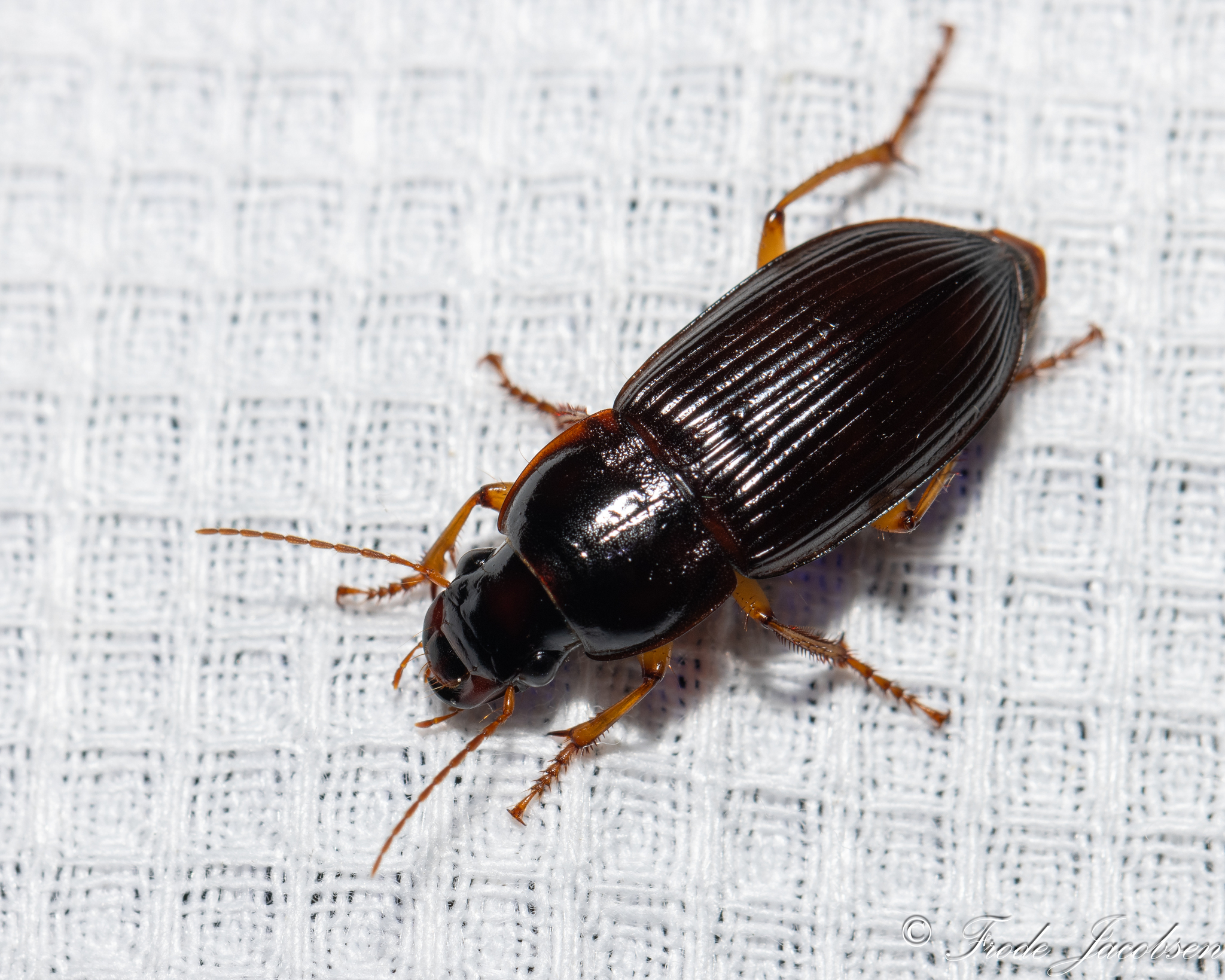
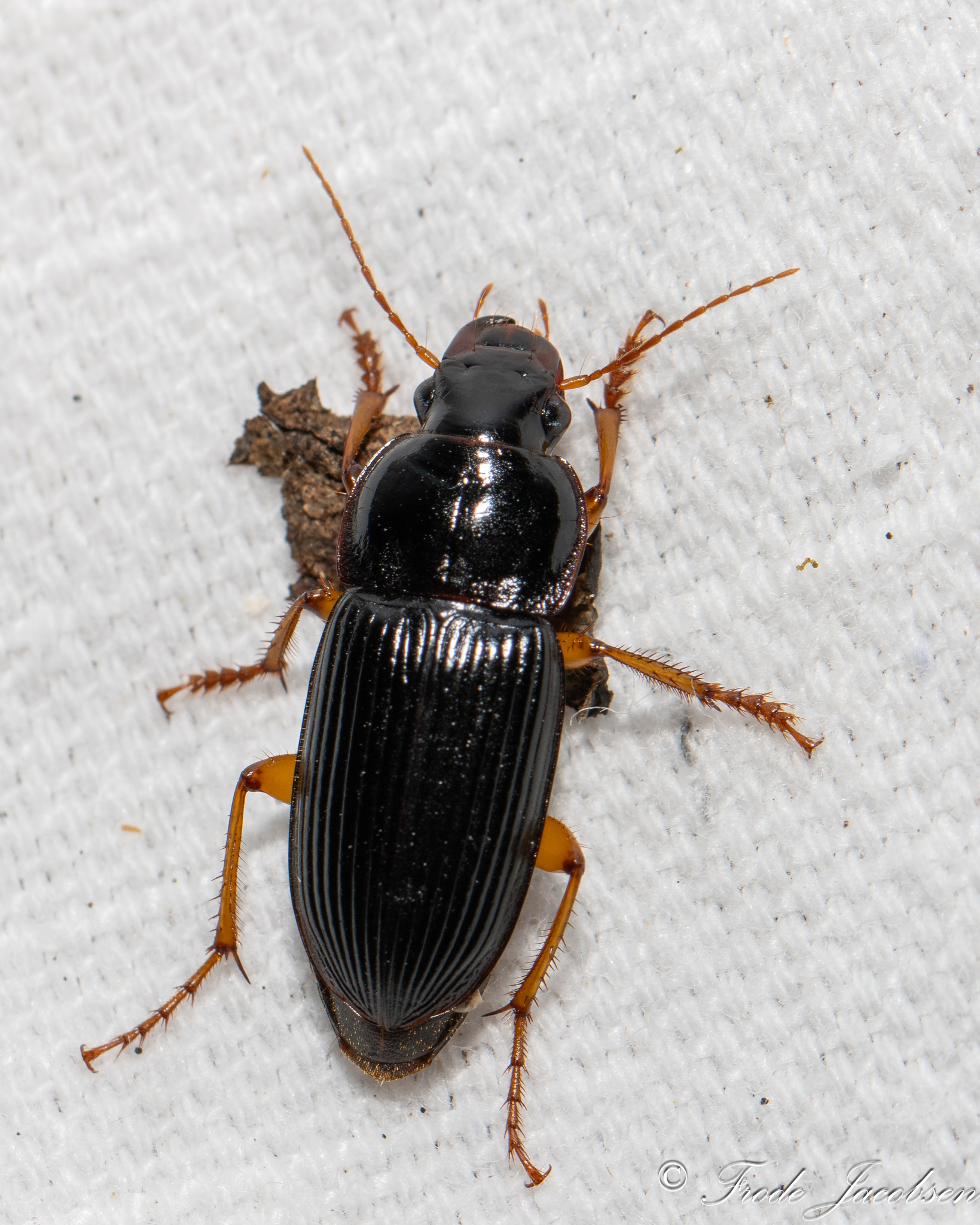
Pennsylvania Dingy Ground Beetle in Washington Co. (8/16/2025). (c) Frode Jacobsen, some rights reserved (CC BY-NC)
View Record Details
Media by
Frode Jacobsen.
Harpalus pensylvanicus is a species of ground beetle in the subfamily Harpalinae.[1] It is found throughout North America. It was described by Degeer in 1774.[1]
The adults of the species are shiny black on the top, reddish brown underneath, and the elytra have lines. The larvae are black with a reddish head and the body is tapered with two long cerci. The species' food includes the seeds of ragweed and assorted grasses. They are important weed seed predators. They prefer small seeds such as lamb's quarter and waterhemp seeds.[2] They favor high hayfields opposed to low maize fields.[3] The species occasionally damages ripeningstrawberries which is probably how it gets water. It is attracted to lights. The common name of the species is Pennsylvania ground beetle.[4]
Ecology: Harpalus pensylvanicus is a significant weed seed predator in agricultural fields. Its consumption of seeds is strongly influenced by water absorption, as the beetle consumes a greater mass of water-absorbed seeds than dry seeds. It can locate these seeds through smell, responding to the high release of carbon dioxide and ethylene that occurs during the initial stages of germination.
Morphology: The beetle has pygidial glands (defensive glands) that contain structures rich in the elastic protein resilin. This composition means that it has a structural adaptation for the rapid or efficient release of defensive secretions.
Genomics: The complete mitochondrial genome of H. pensylvanicus has been characterized, confirming its phylogenetic placement within the Harpalinae subfamily.
^Van Der Laat, Rocio; Owen, Micheal D. K.; Liebman, Matt; Leon, Ramon G. (2015). "Postdispersal Weed Seed Predation and Invertebrate Activity Density in Three Tillage Regimes". Weed Science. 63 (4): 828–838. doi:10.1614/WS-D-15-00030.1. S2CID86038247.
^Fox, Aaron F.; Reberg-Horton, S. Chris; Orr, David B.; Moorman, Christopher E.; Frank, Steven D. (2013). "Crop and field border effects on weed seed predation in the southeastern U.S. Coastal plain". Agriculture, Ecosystems & Environment. 177: 58–62. doi:10.1016/j.agee.2013.06.006.
^Swan, Lester (1972). The Common Insects Of North America. Harper Row, Publishers, Inc. p. 341. ISBN0-06-014179-4.