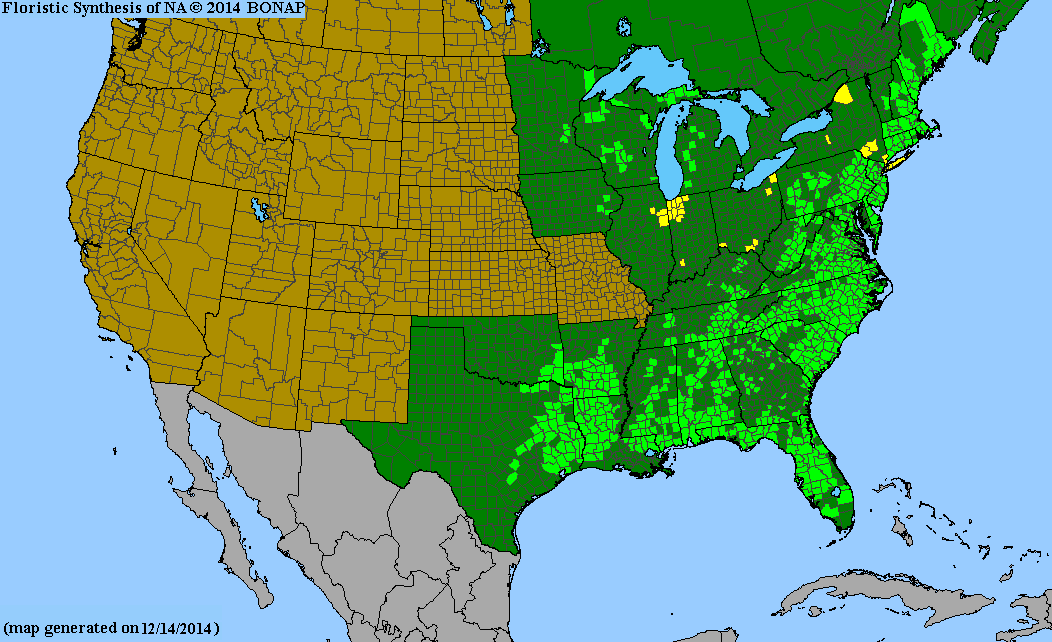

Map Snapshot


228 Records
Status
Relationships
A potential larval host for Silver-bordered Fritillary (Boloria selene).
Citations
No citations linked for this taxon yet.
Source: Wikipedia
| Viola primulifolia | |
|---|---|

| |
Scientific classification 
| |
| Kingdom: | Plantae |
| Clade: | Tracheophytes |
| Clade: | Angiosperms |
| Clade: | Eudicots |
| Clade: | Rosids |
| Order: | Malpighiales |
| Family: | Violaceae |
| Genus: | Viola |
| Species: | V. primulifolia
|
| Binomial name | |
| Viola primulifolia | |
| Varieties[1] | |
| |
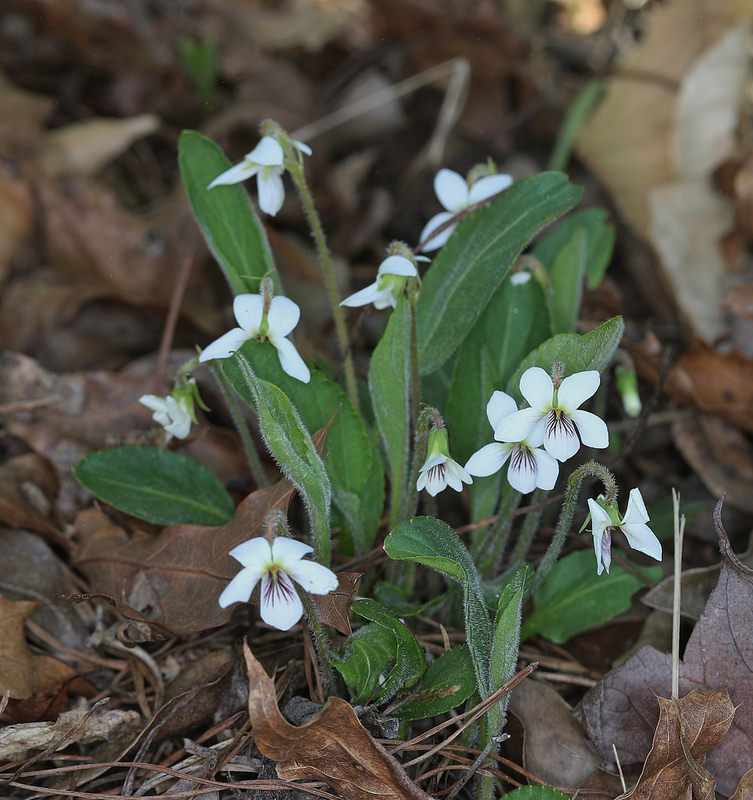
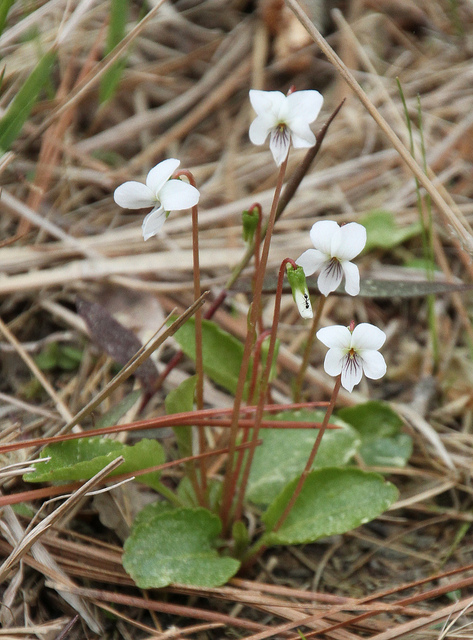
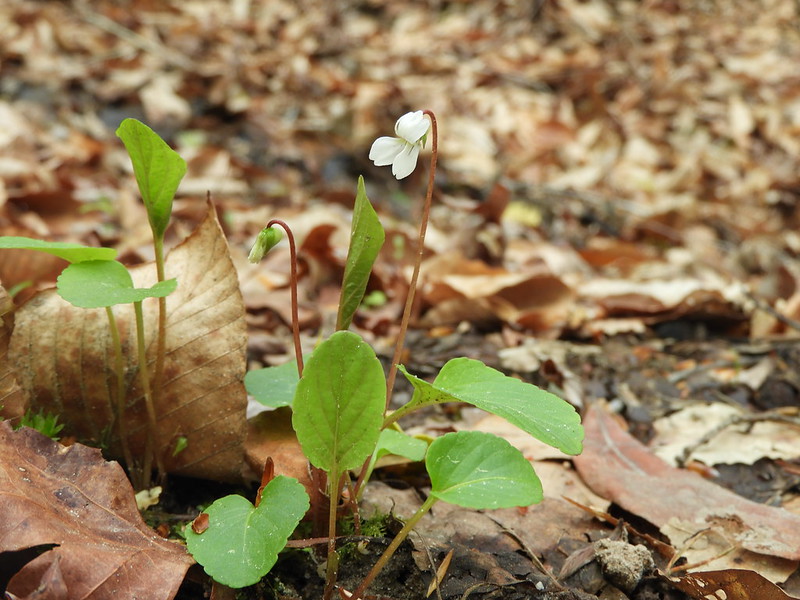
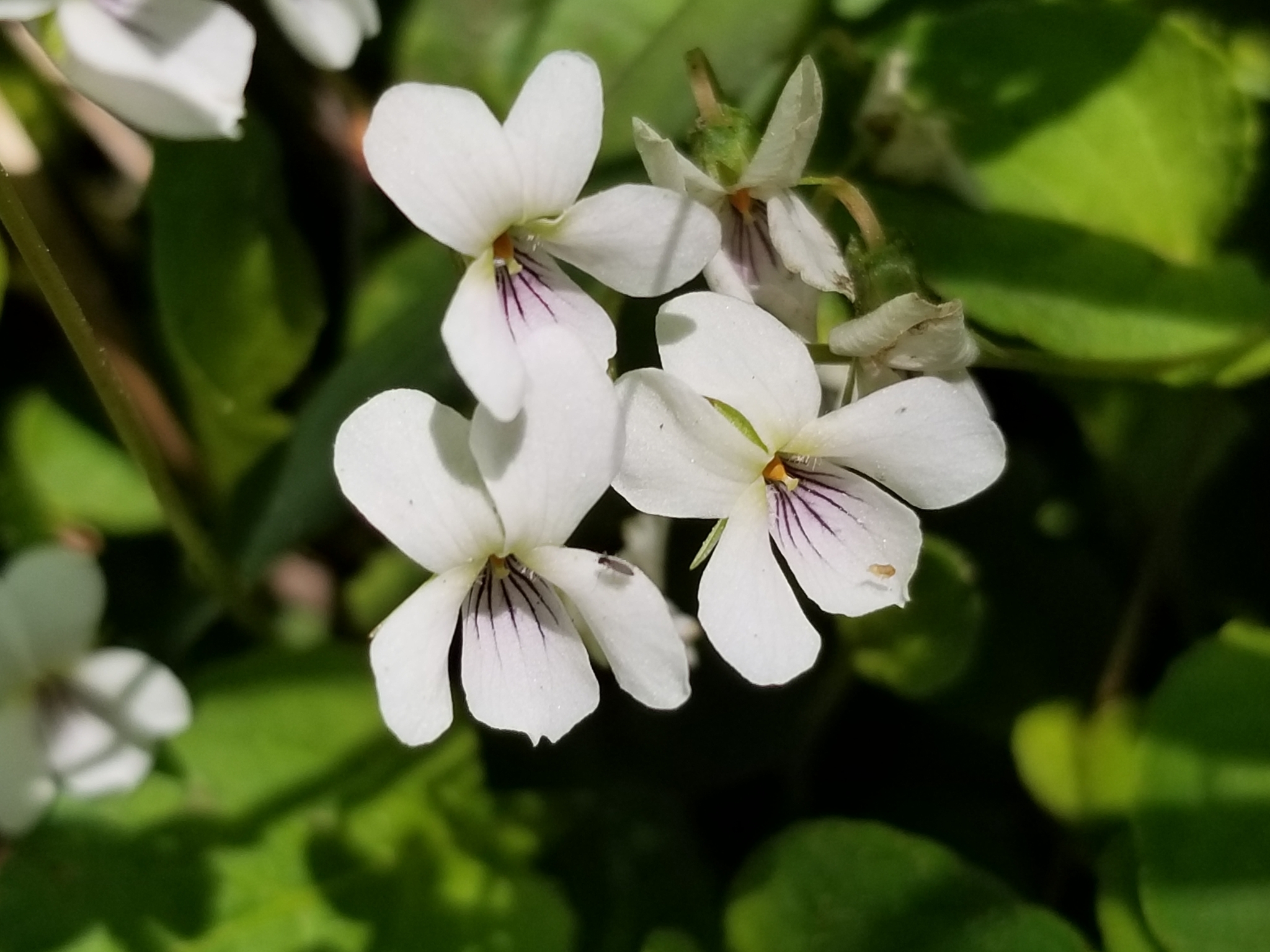
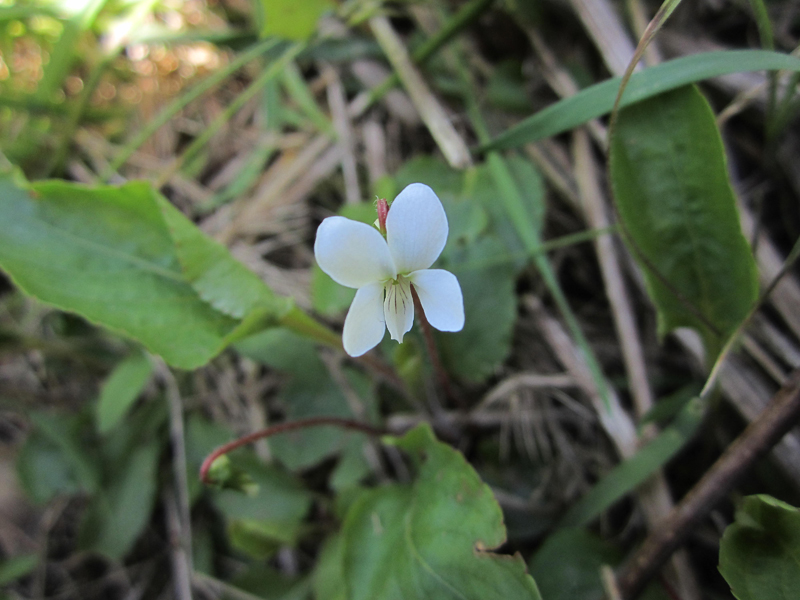
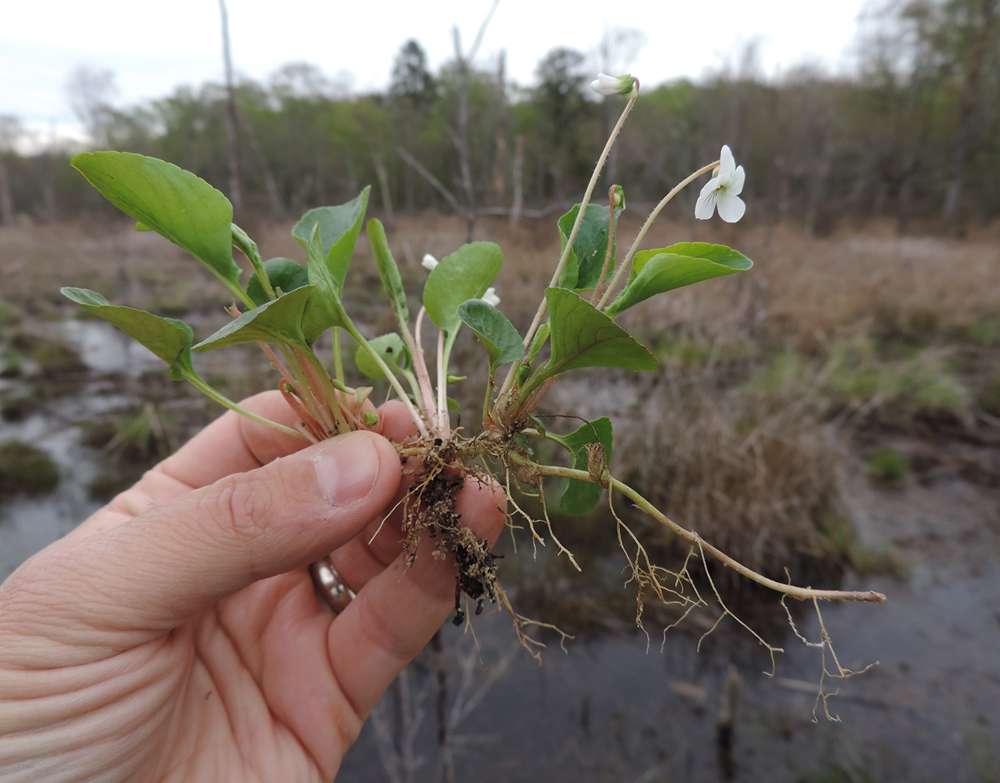
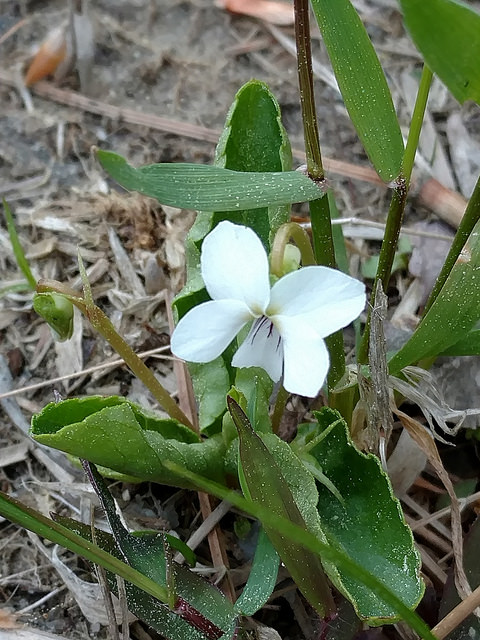
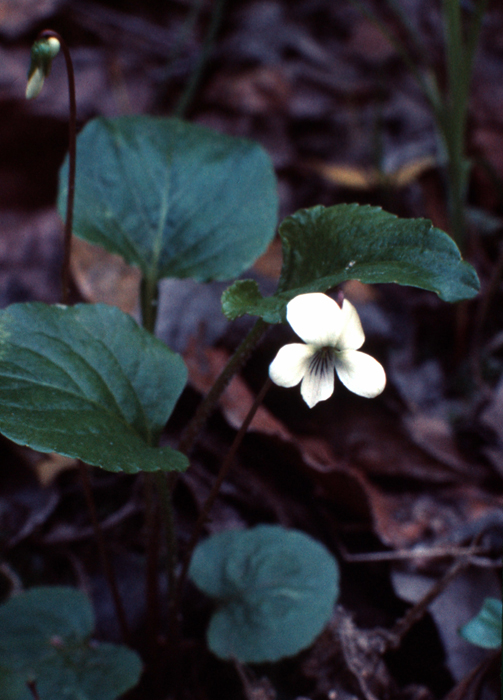
Viola primulifolia, commonly called the primrose-leaf violet,[2] is a species of flowering plant in the violet family. It is native to eastern North America,[3] and possibly also to the Pacific Northwest.[4] Its natural habitat is wet acidic areas that are usually at least semi-open.[5]
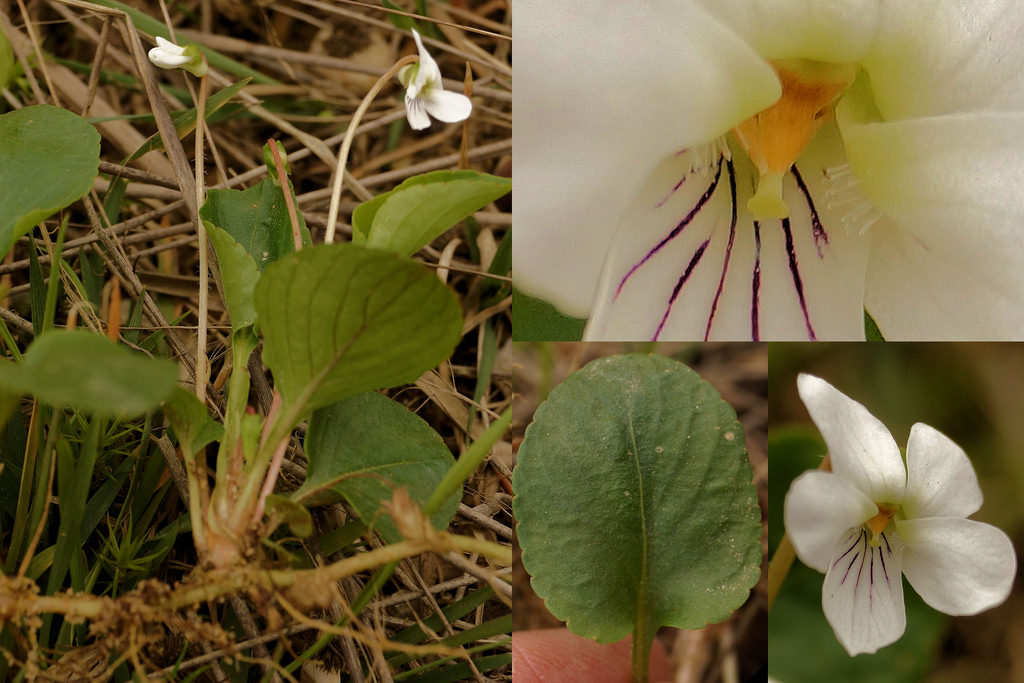
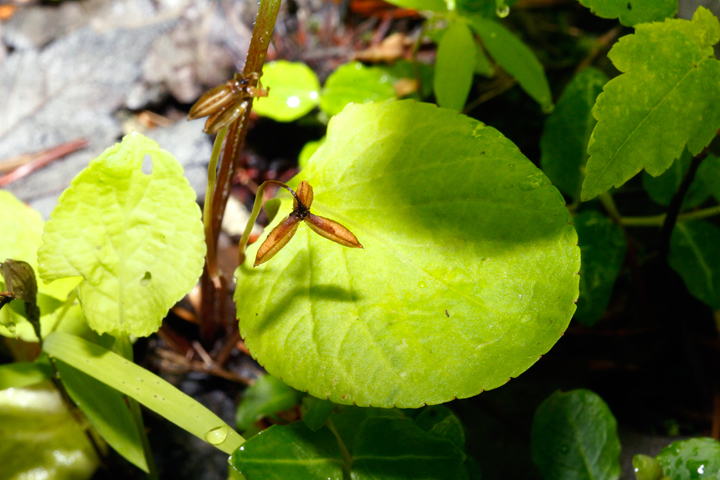
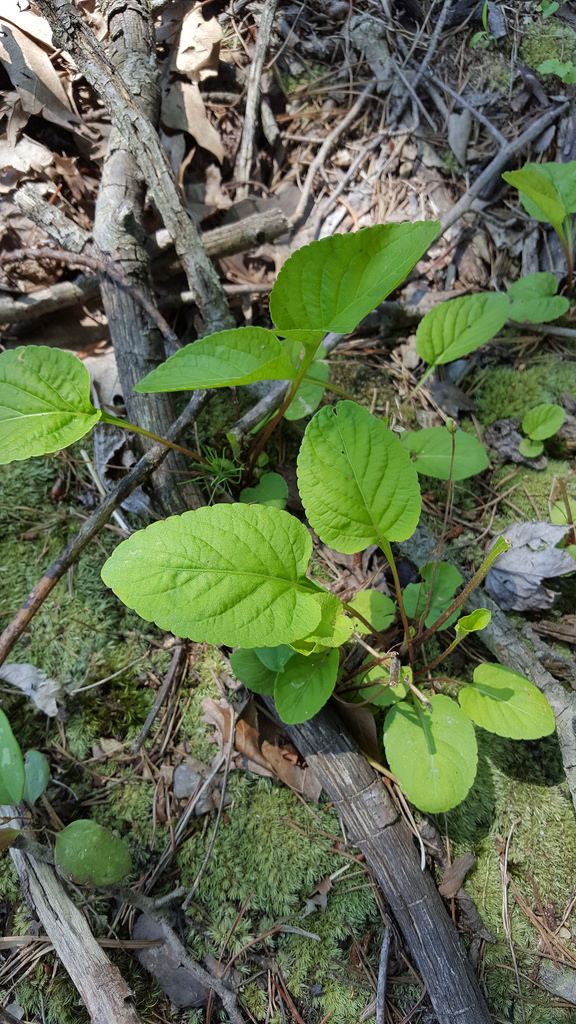
It is a low, stemless perennial that produces white flowers in the spring.[6] It can be distinguished from the similar-looking Viola lanceolata and Viola blanda by its leaves that are ovate, with rounded to truncate bases, and are 1.5-2 times as long as wide.[5]
While typical Viola primulifolia occurs in a large area of the east, a variety of this species occurs in a small area of the Klamath Mountains in northwestern California and southwestern Oregon, under the name of V. primulifolia var. occidentalis.[7][8] These populations, which are considered rare and highly localized, have alternatively been referred to as Viola lanceolata ssp. occidentalis.[9]
References
[edit]- ^ "Viola primulifolia L." Plants of the World Online. Royal Botanic Gardens, Kew. Retrieved 2 September 2025.
- ^ "Flora of the Southern and Mid-Atlantic States". Archived from the original on 2018-10-06. Retrieved 2017-08-05.
- ^ Kartesz, John T. (2014). "Viola primulifolia". County-level distribution map from the North American Plant Atlas (NAPA). Biota of North America Program (BONAP). Retrieved 5 August 2017.
- ^ Flora of North America
- ^ a b Chester, Edward (2015). Guide to the Vascular Plants of Tennessee.
- ^ IllinoisWildflowers
- ^ Calflora
- ^ "Viola primulifolia subsp. occidentalis". Jepson eFlora. The University and Jepson Herbaria, University of California, Berkeley. Retrieved 2 September 2025.
- ^ PLANTS Profile for Viola lanceolata occidentalis Retrieved 2017-08-05