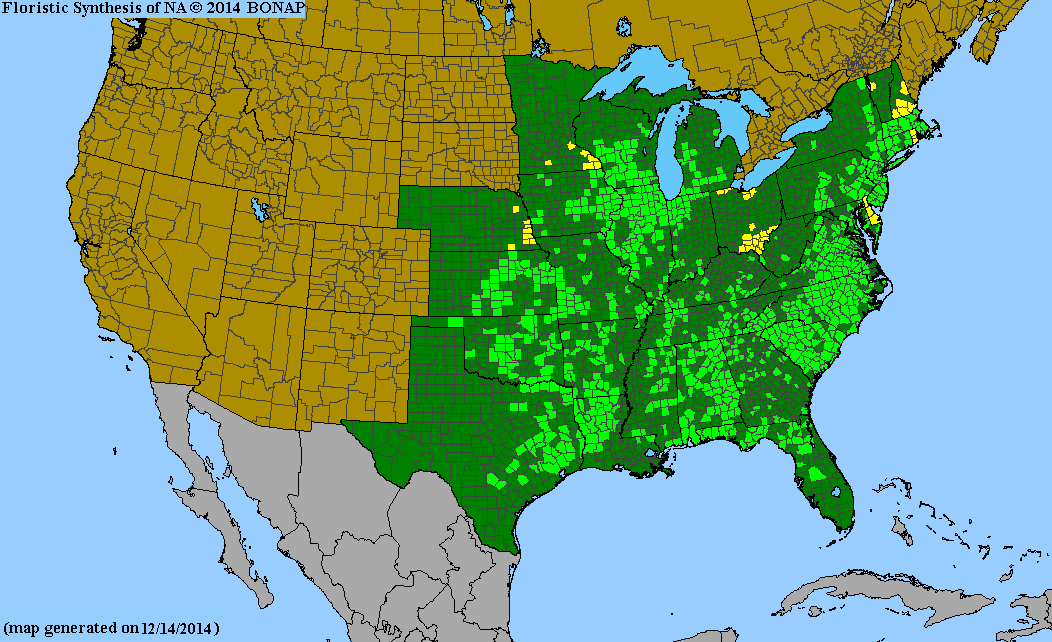




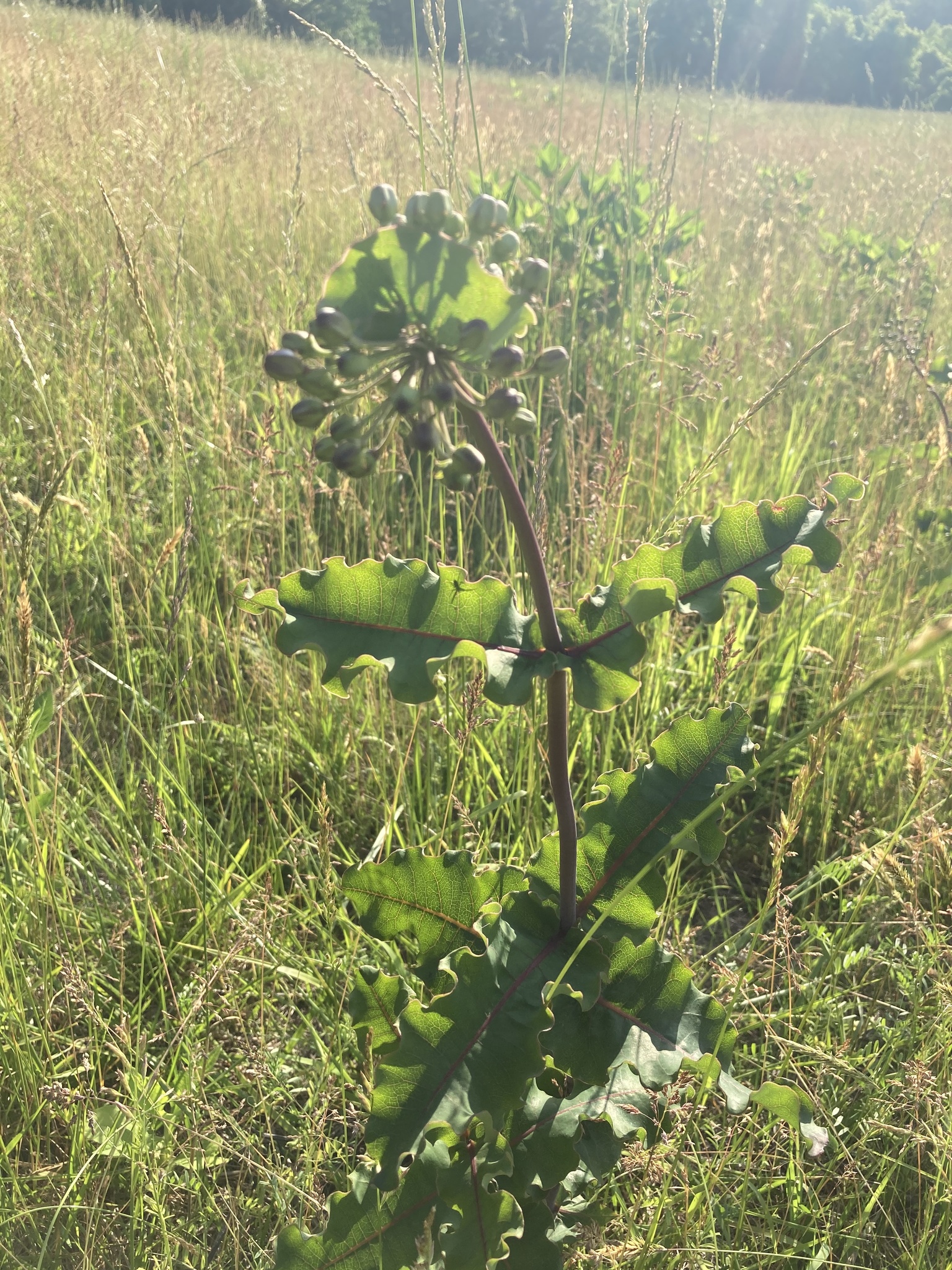
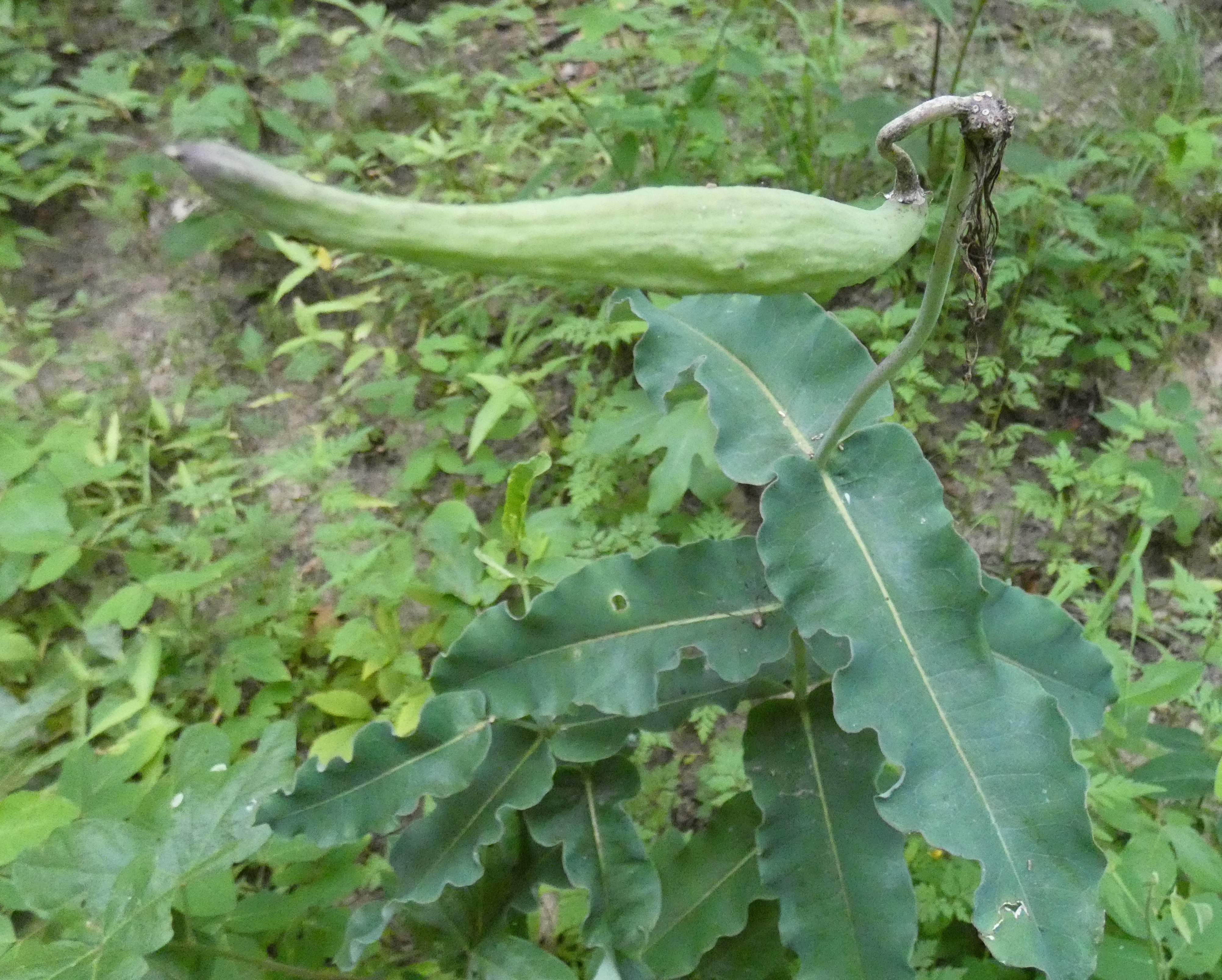
Map Snapshot


192 Records
Status
Description
Citations
No citations linked for this taxon yet.
Source: Wikipedia
| Asclepias amplexicaulis | |
|---|---|

| |
Scientific classification 
| |
| Kingdom: | Plantae |
| Clade: | Tracheophytes |
| Clade: | Angiosperms |
| Clade: | Eudicots |
| Clade: | Asterids |
| Order: | Gentianales |
| Family: | Apocynaceae |
| Genus: | Asclepias |
| Species: | A. amplexicaulis
|
| Binomial name | |
| Asclepias amplexicaulis | |
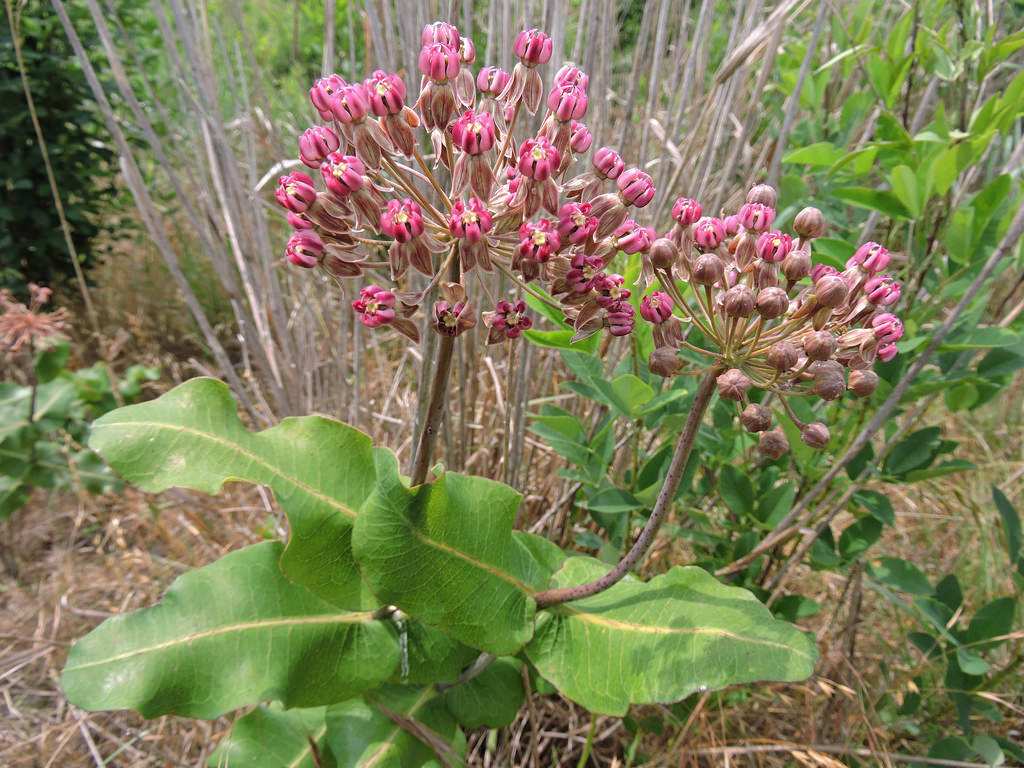
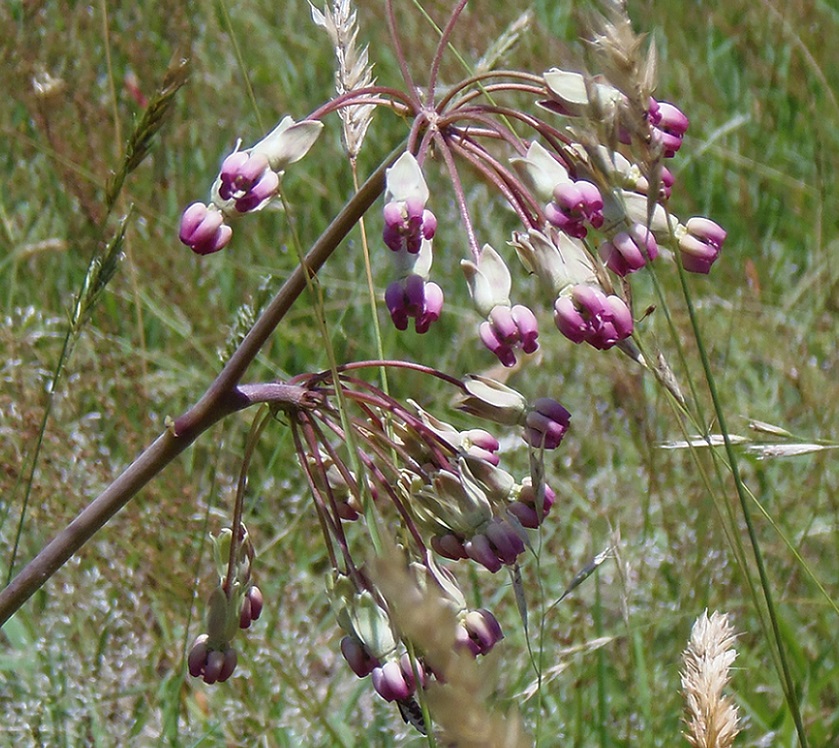
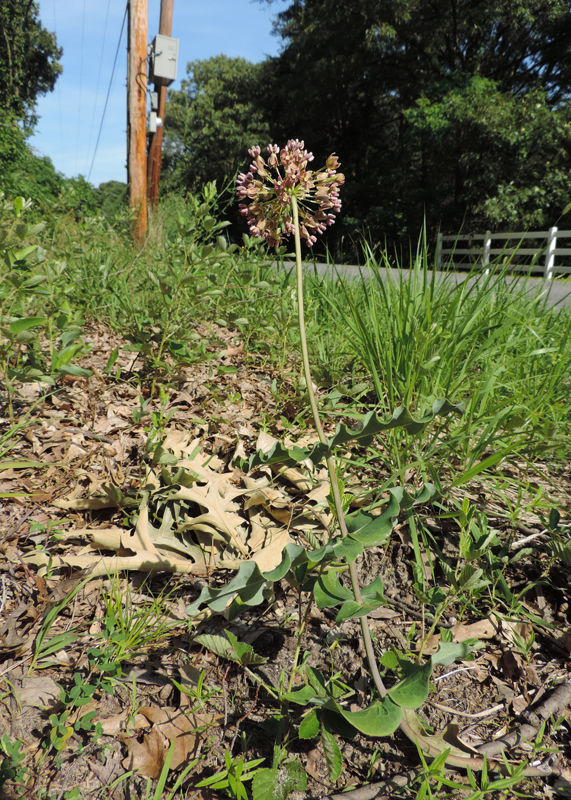
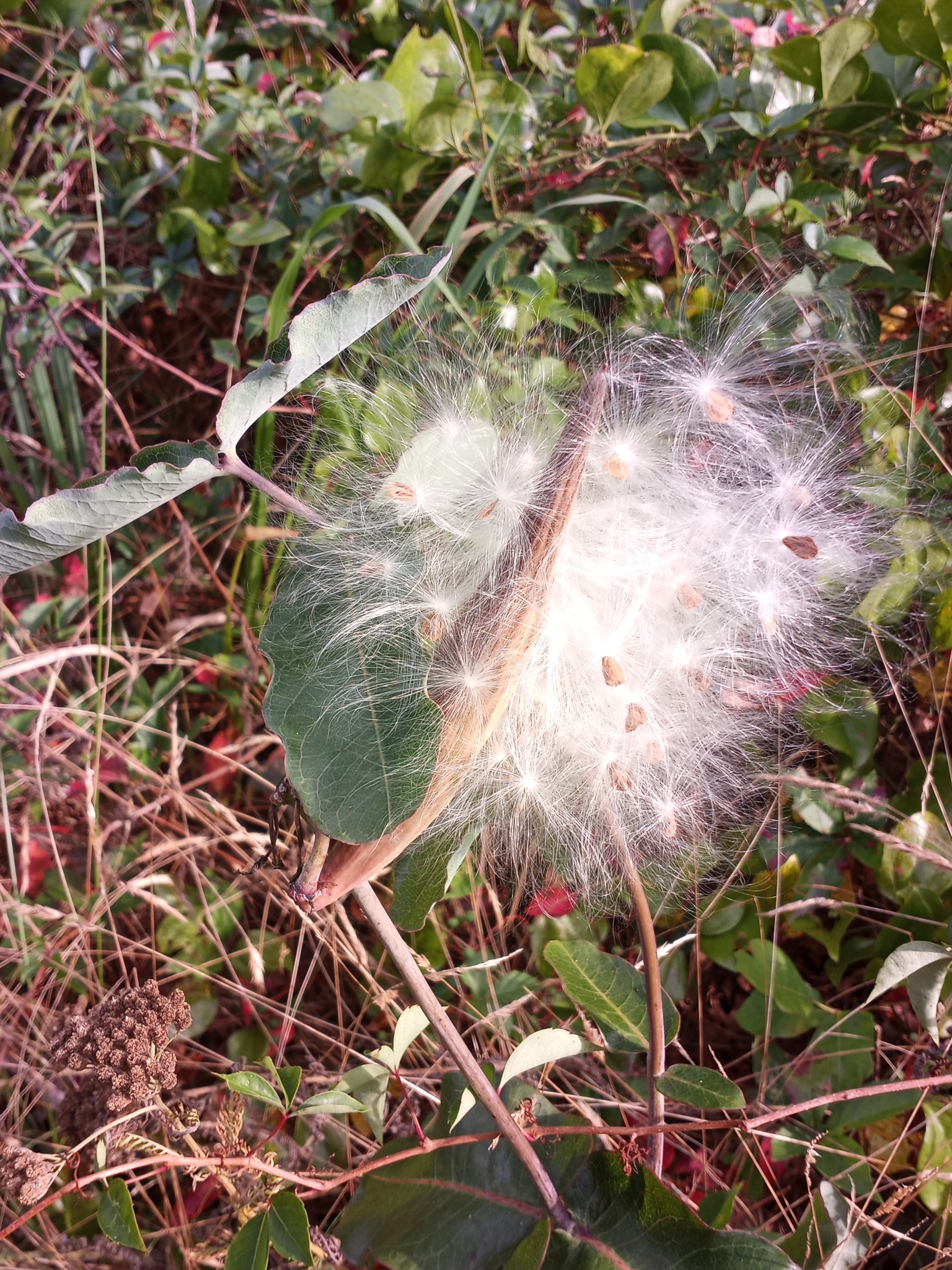
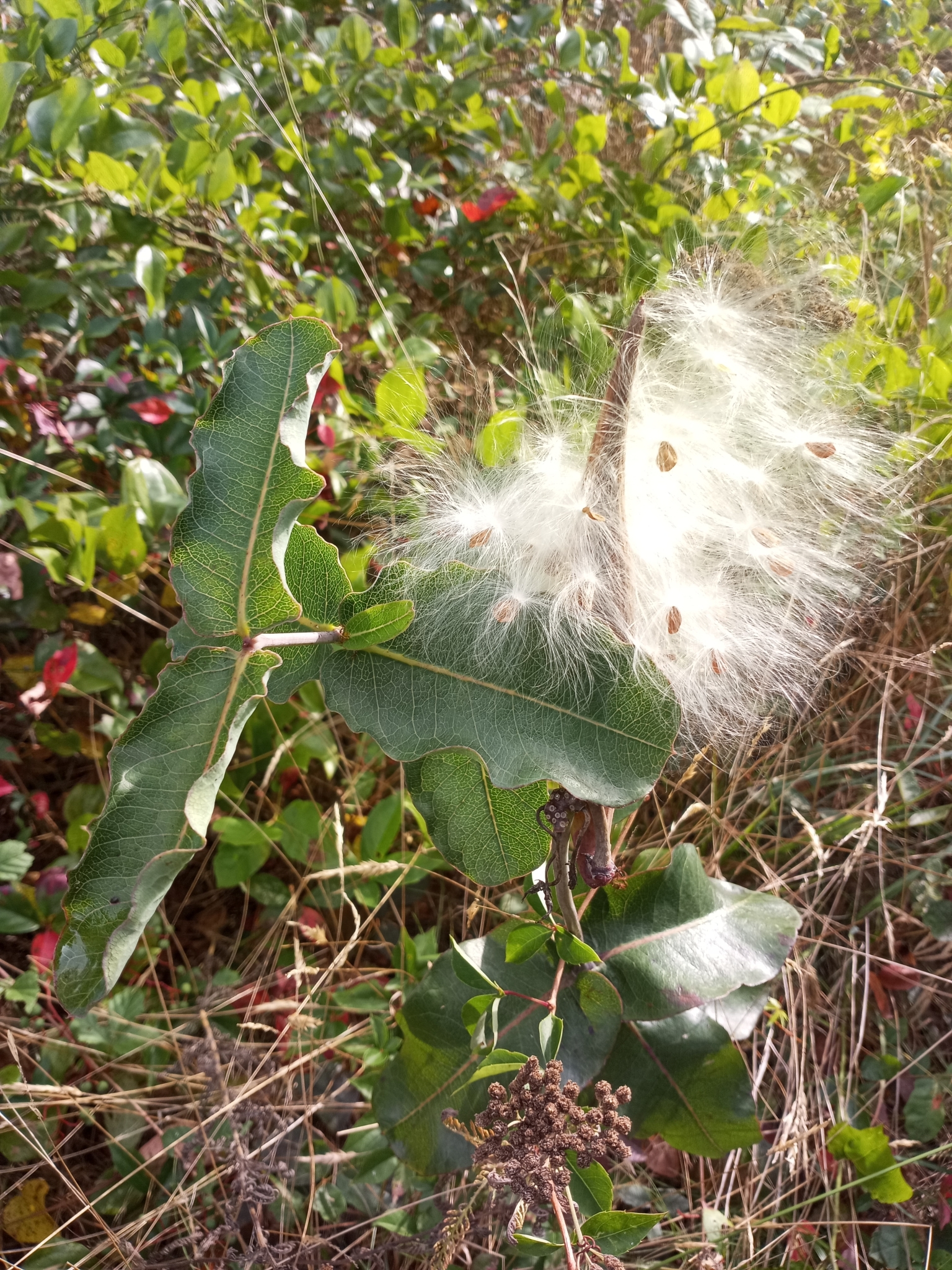
Asclepias amplexicaulis, the blunt-leaved milkweed, clasping milkweed, or sand milkweed, is a species of flowering plant in the subfamily Asclepiadoideae (Apocynaceae).[1][2] It is endemic to the United States, where it is mostly found east of the Great Plains.[3] It grows in dry prairies, savannas, open woods, and fallow fields, usually in sandy soil.[2][4][5]
Description
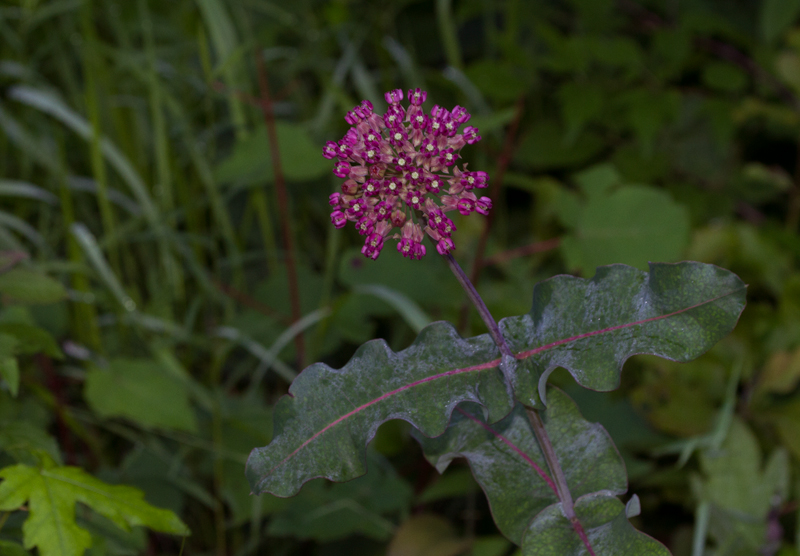
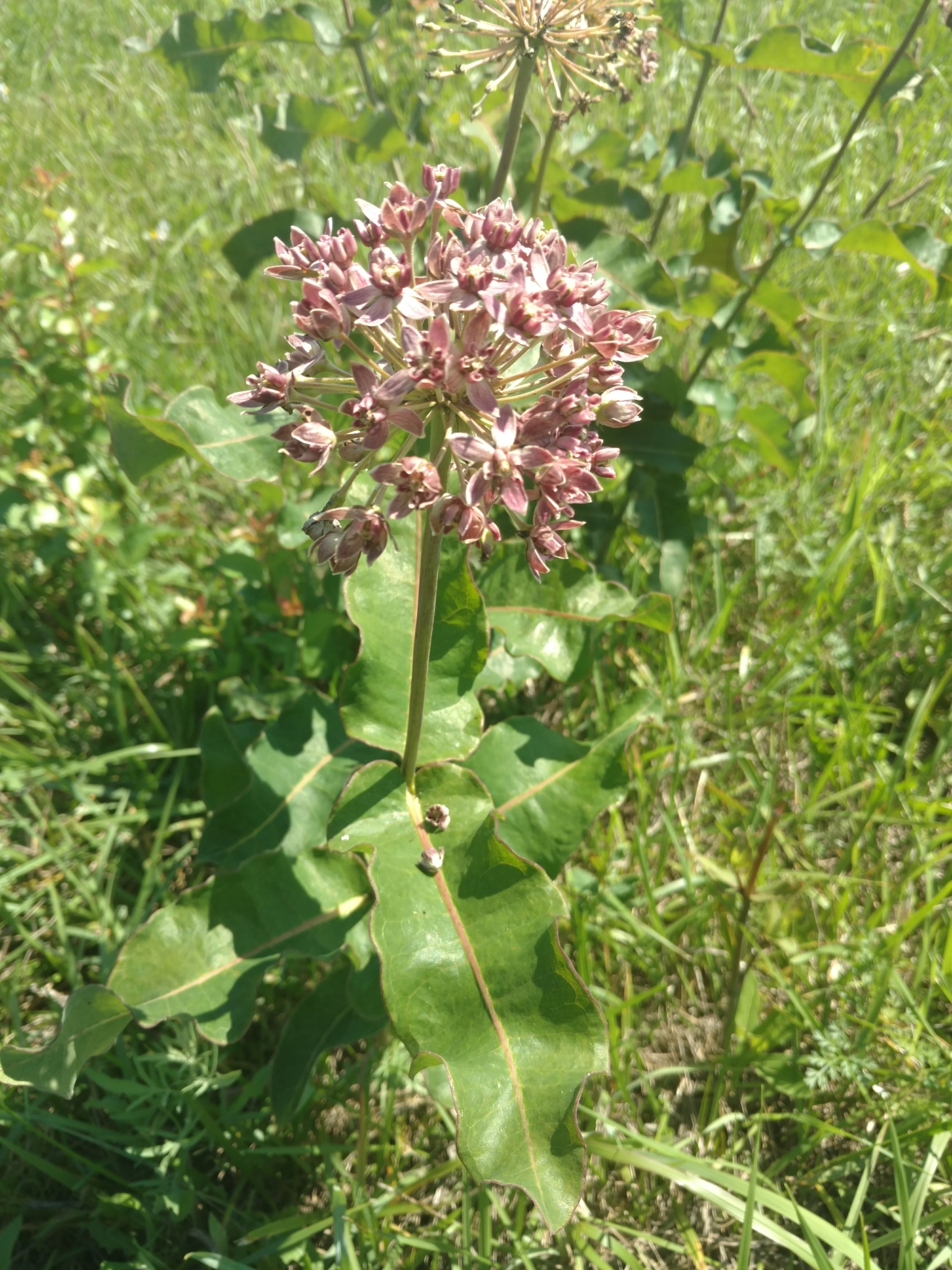
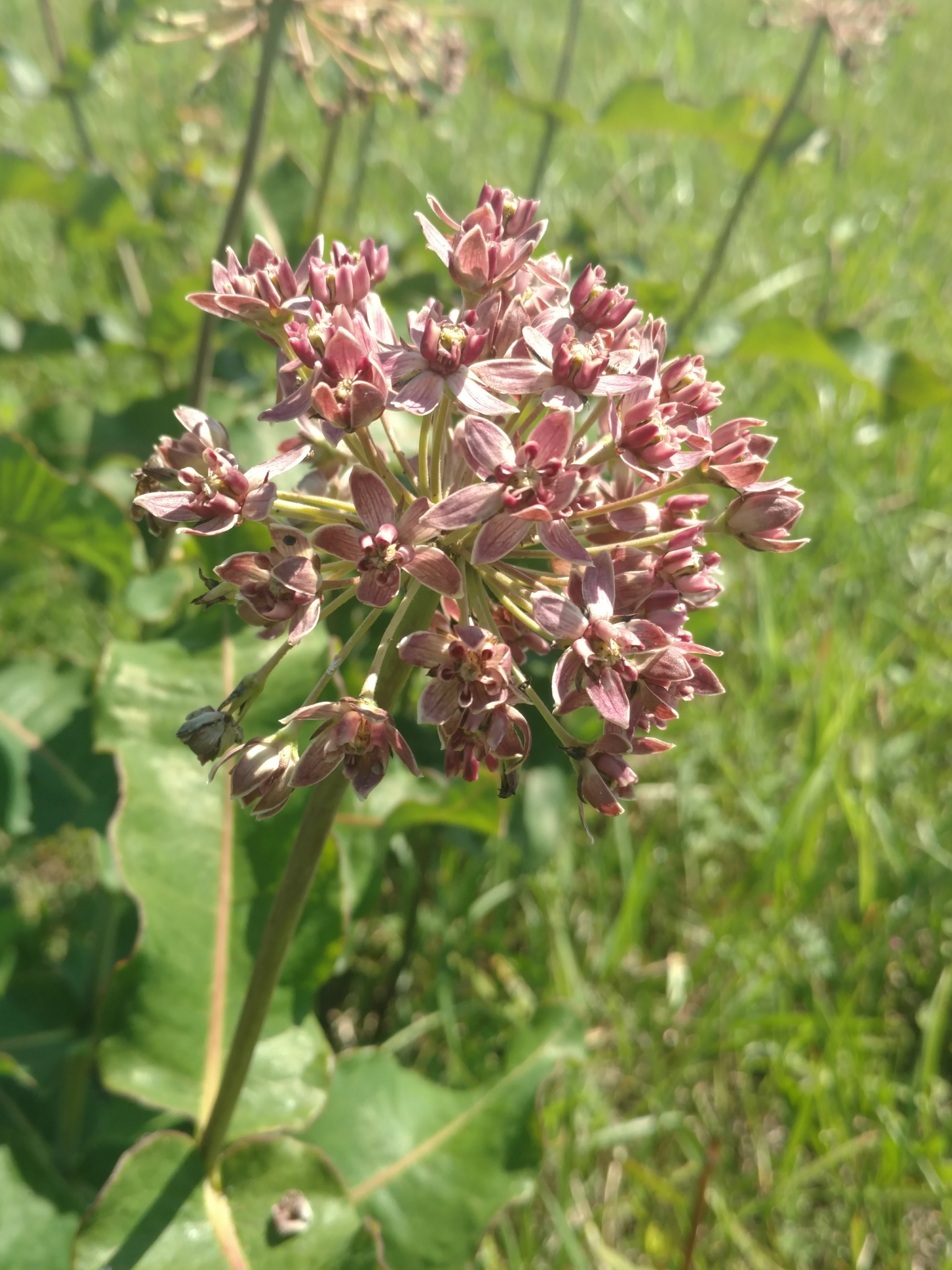
[edit]It grows 1–3 ft (0.30–0.91 m) high and produces flowers in the summer.[4]
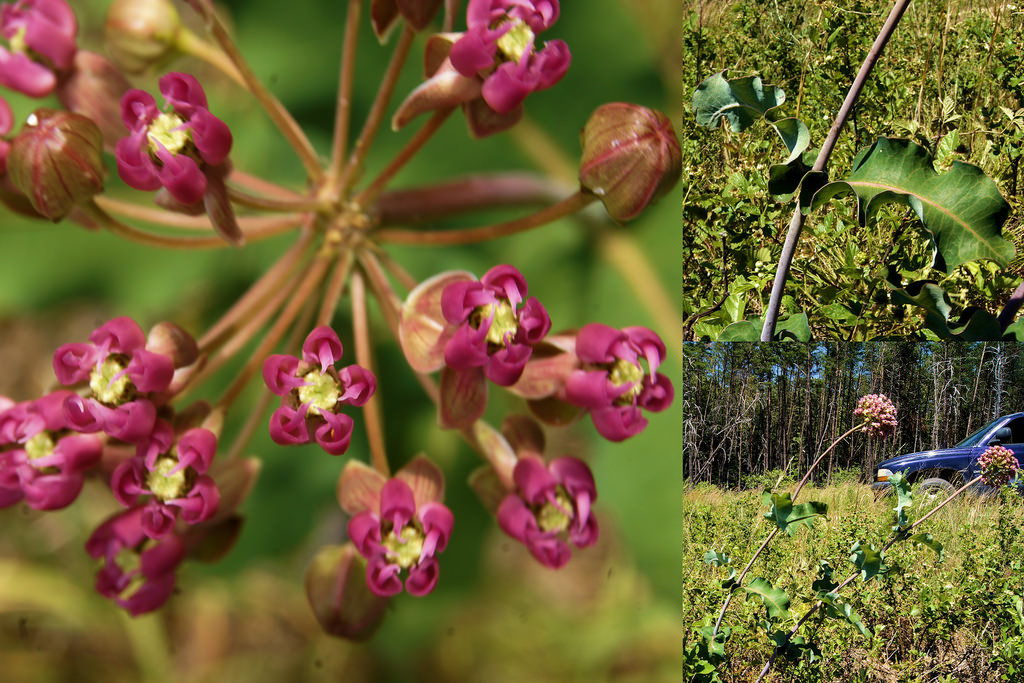
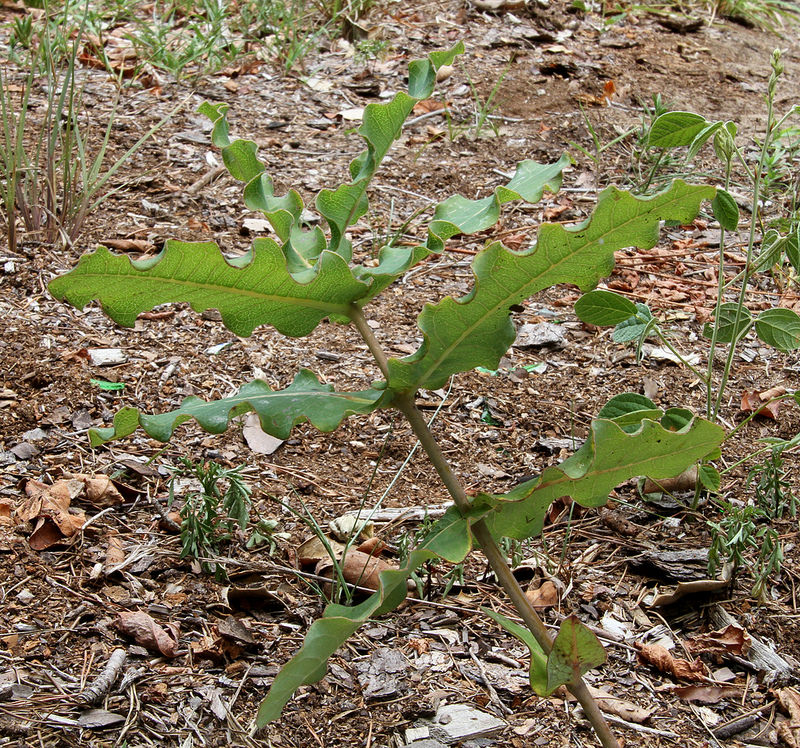
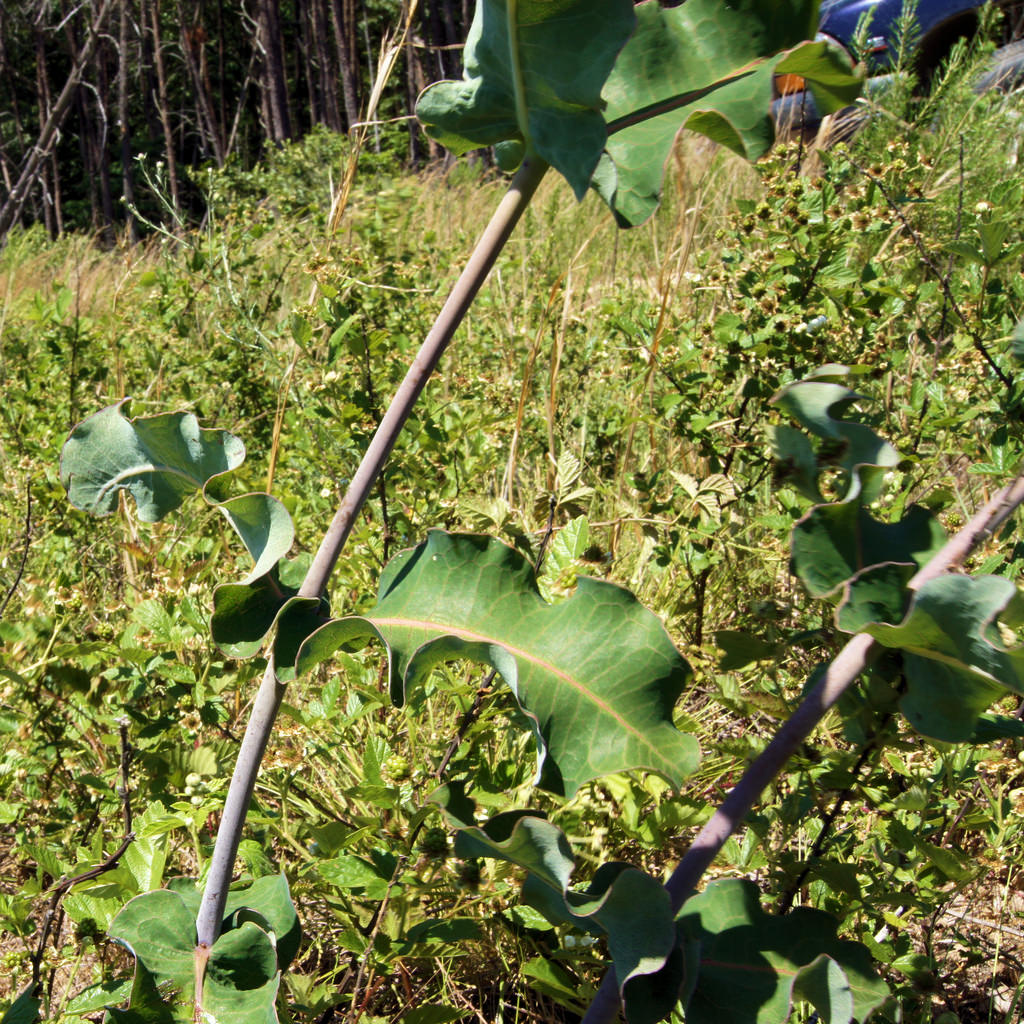
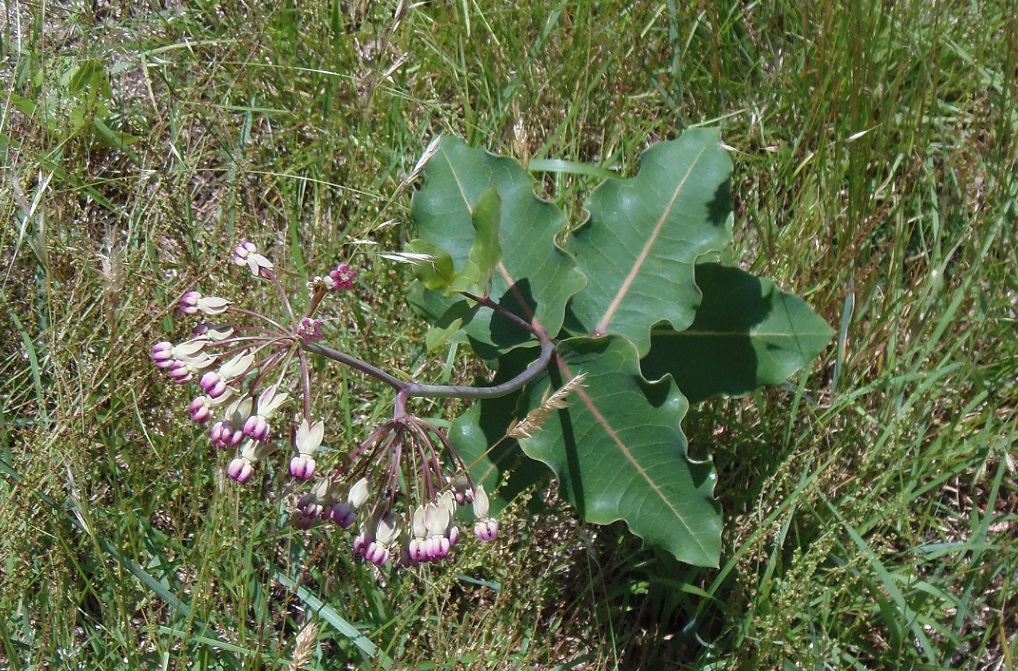
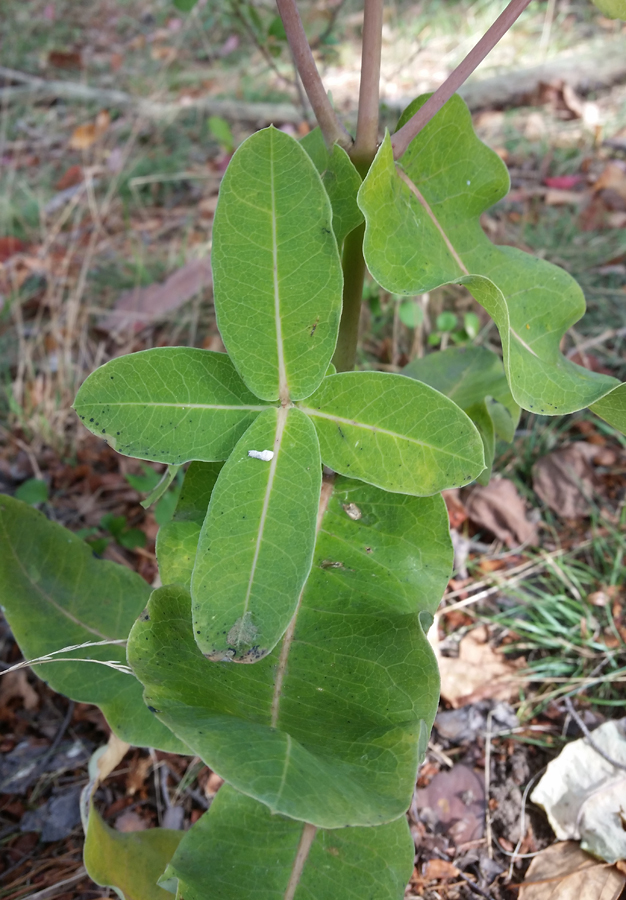
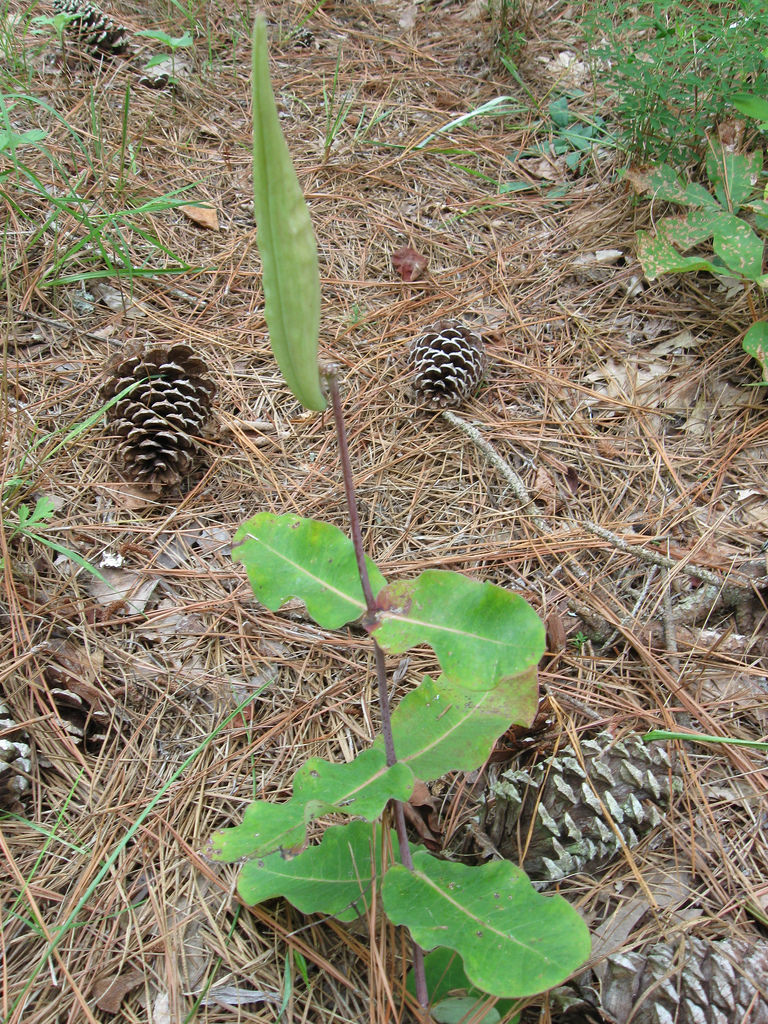
The leaves of A. amplexicaulis are ovate to ovate-elliptic in shape, opposite, and most commonly found in pairs of 4 to 6.[6] They are approximately 8 to 15 centimeters long and 4 to 8 centimeters wide.[6] A. amplexicaulis' root system can reach between 45 and 60 centimeters in length and is relatively unbranched, with few lateral roots.[7]
This plant was eaten as food historically. However, it contains a poison dangerous to humans and livestock, so caution must be used if ingesting this plant.[8]
Ecology
[edit]Phenology
[edit]A. amplexicaulis flowers from spring to summer; flowering as early as April has been observed, with peak inflorescence occurring in May.[9]
Fire Ecology
[edit]A. amplexicaulis occurs in ecosystems prone to burning, such as longleaf pine flatwoods, and has been found to persist through repeated prescribed burns.[10][11]
-
 In flower at Nachusa Grasslands in Illinois
 -
 Line drawing


References
[edit]- ^ NRCS. "Asclepias amplexicaulis". PLANTS Database. United States Department of Agriculture (USDA).
- ^ a b Wilhelm, Gerould; Rericha, Laura (2017). Flora of the Chicago Region: A Floristic and Ecological Synthesis. Indiana Academy of Sciences.
- ^ Kartesz, John T. (2014). "Asclepias amplexicaulis". County-level distribution map from the North American Plant Atlas (NAPA). Biota of North America Program (BONAP). Retrieved 24 January 2017.
- ^ a b "Asclepias amplexicaulis". Connecticut Plants. Connecticut Botanical Society. 2015.
- ^ Haddock, Mike (2018). "Blunt-leaf milkweed". Kansas Wildflowers and Grasses. Retrieved July 20, 2018.
- ^ a b Radford, Albert Ernest; Ahles, Harry E.; Bell, Clyde Ritchie (1983). Manual of the vascular flora of the Carolinas (9. printing ed.). Chapel Hill, NC: Univ. of North Carolina Press. ISBN 978-0-8078-1087-3.
- ^ Ravenel, H. W. (1881). "Abnormal Habit of Asclepias amplexicaulis". Bulletin of the Torrey Botanical Club. 8 (8): 87–88. doi:10.2307/2476743. ISSN 0040-9618. JSTOR 2476743.
- ^ "Asclepias amplexicaulis". Illinois Prairie. MuseumLink Illinois, Illinois State Museum Society. 2000.
- ^ Wunderlin, Richard P.; Hansen, Bruce F. (2011). Guide to the vascular plants of Florida (3rd ed.). Gainesville (Fla.): University press of Florida. ISBN 978-0-8130-3543-7.
- ^ Weakley, A.S. (October 20, 2020). Flora of the Southeastern United States. Chapel Hill, North Carolina: University of North Carolina at Chapel Hill.
- ^ Kush, John S.; Meldahl, Ralph S.; Boyer, William D. 2000. Understory Plant Community Response to Season of Burn in Natural Longleaf Pine Forests. In: Moser, W. Keith; Moser, Cynthia E., eds. Fire and forest ecology: innovative silviculture and vegetation management. Tall Timbers Fire Ecology Conference Proceedings, No. 21. Tallahassee, FL: Tall Timbers Research Station: 32-39
External links
[edit] Media related to Asclepias amplexicaulis at Wikimedia Commons