Map Snapshot
179 Records
Status
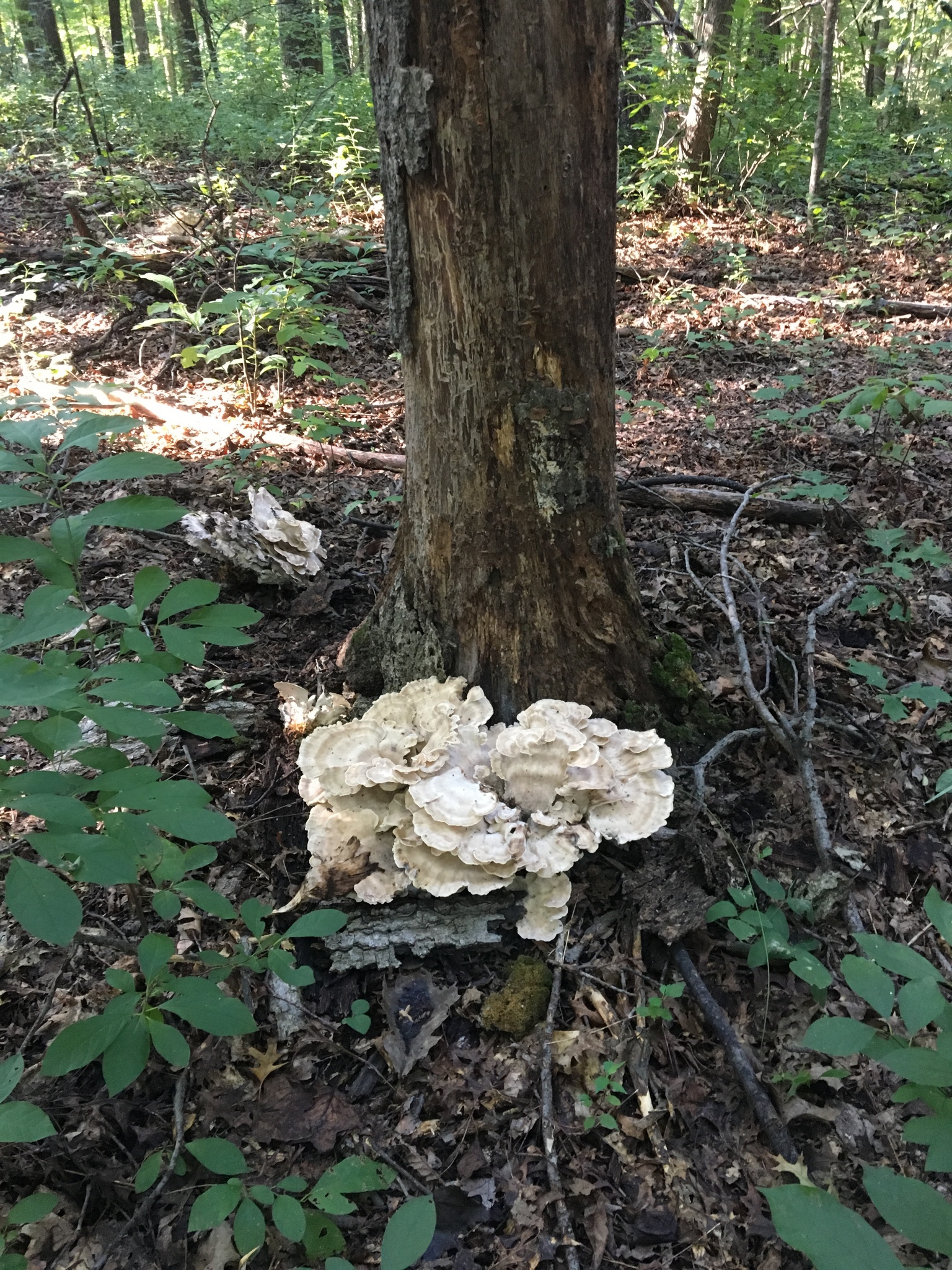
Found on the ground at bases of hardwood trees and stumps, primarily oaks (J. Solem, pers. comm.). Mistakenly listed as M. giganteus (which does not occur in NA) in many field guides. Fruits throughout the season from spring into fall (L. Biechele, pers. comm.).
Description
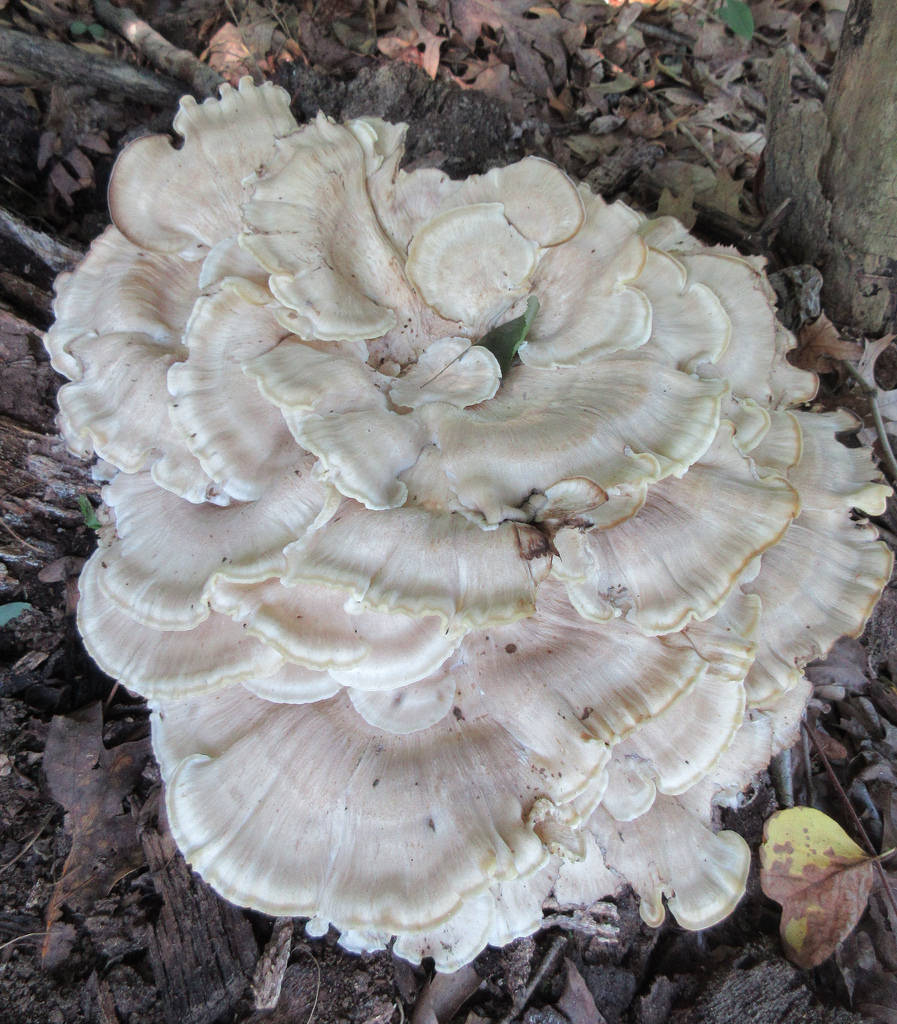
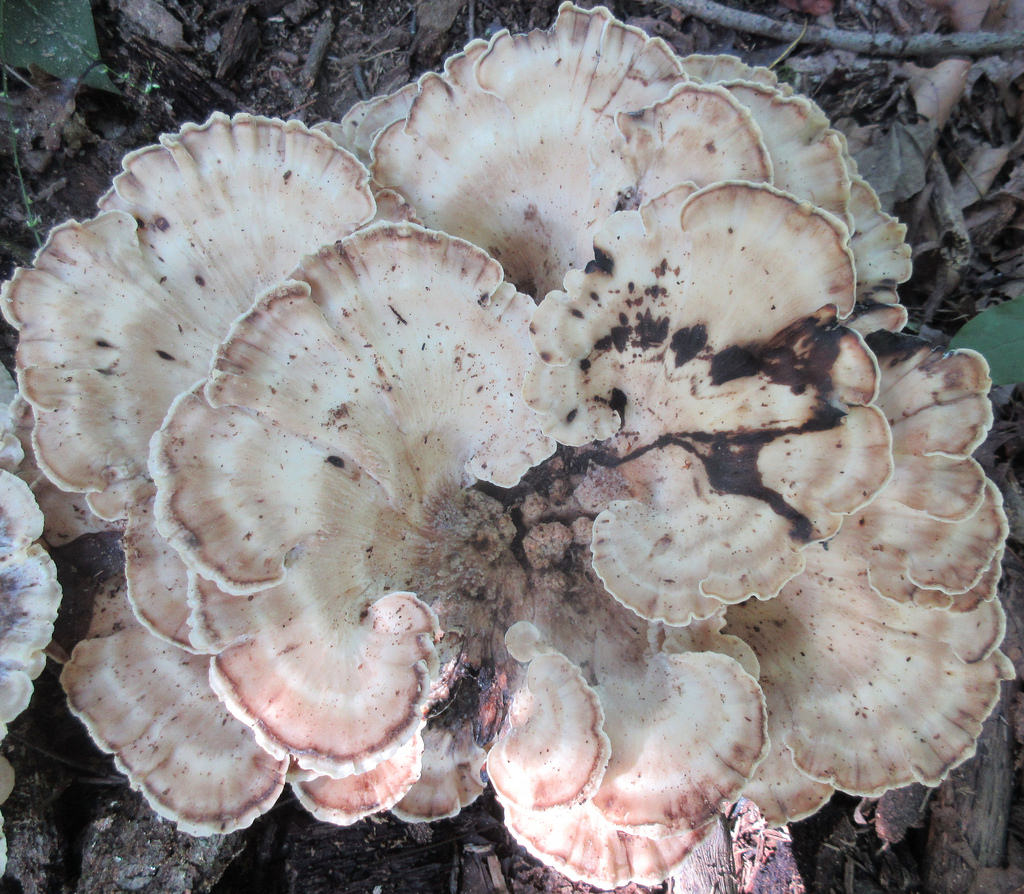
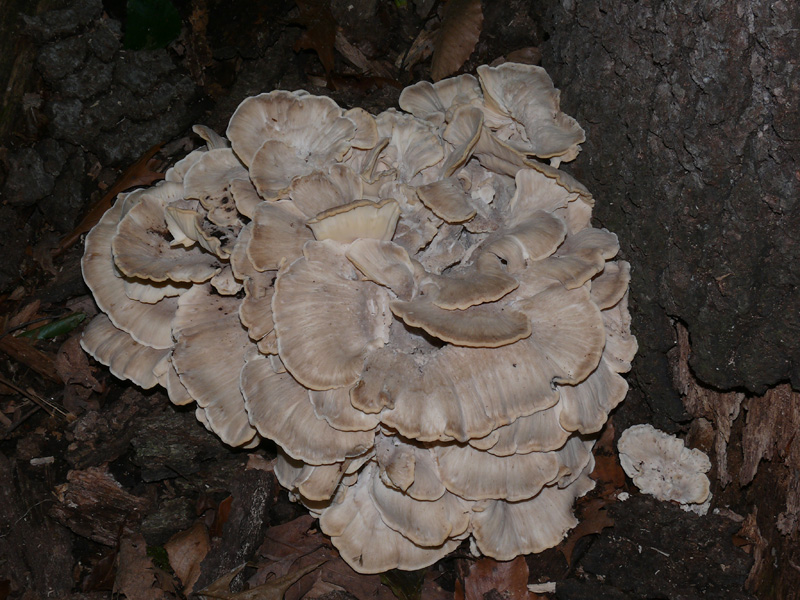
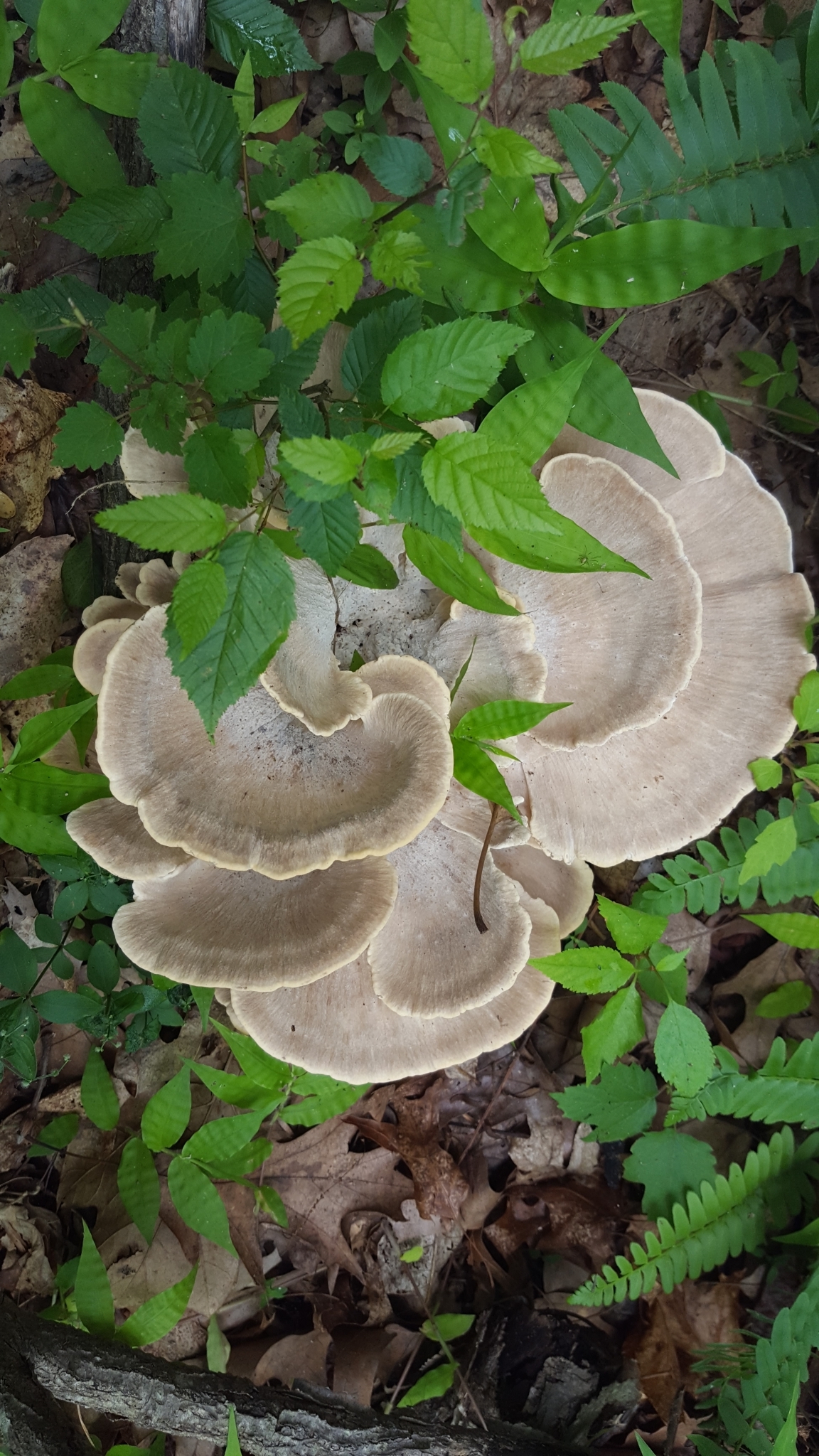
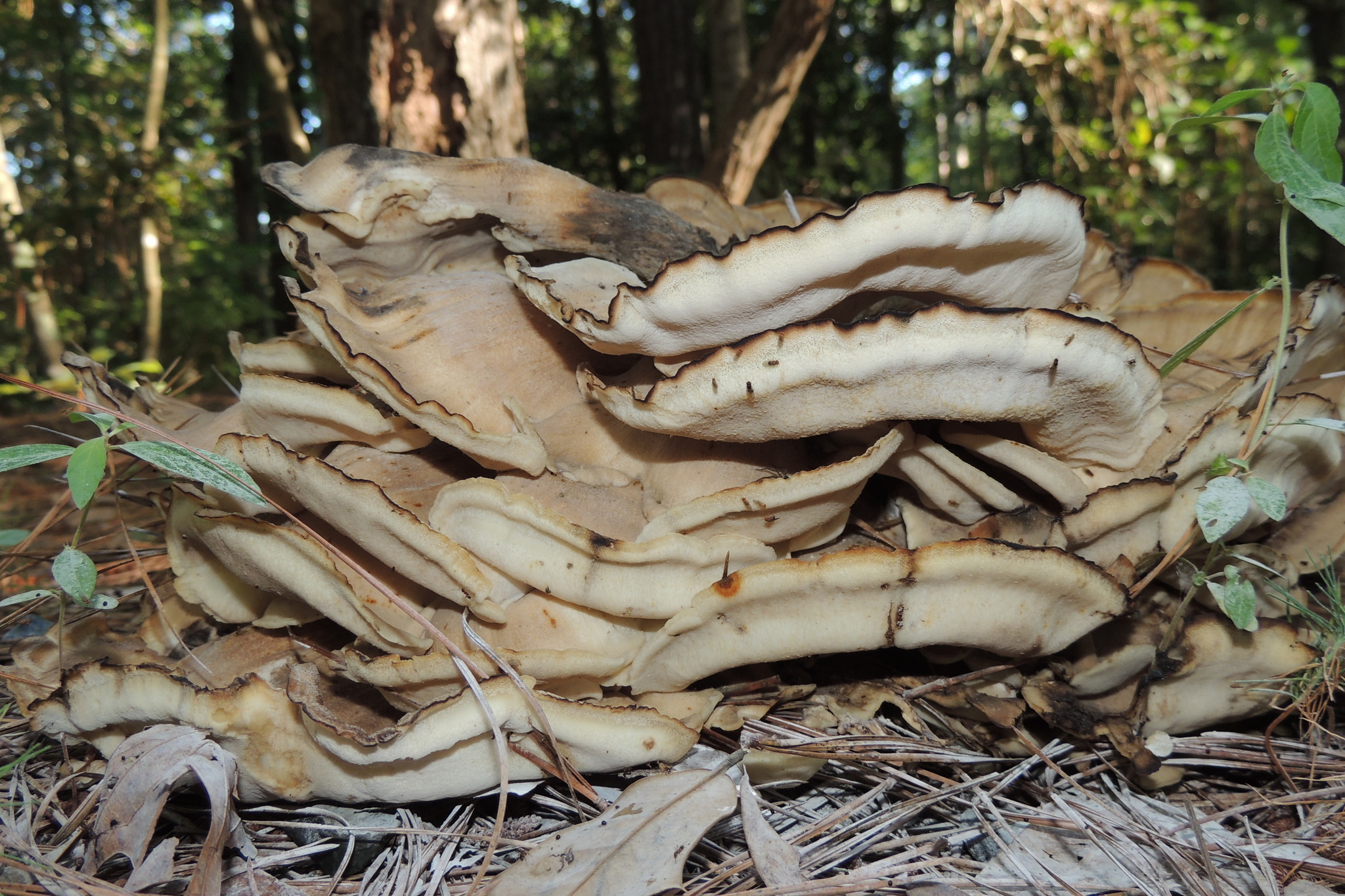
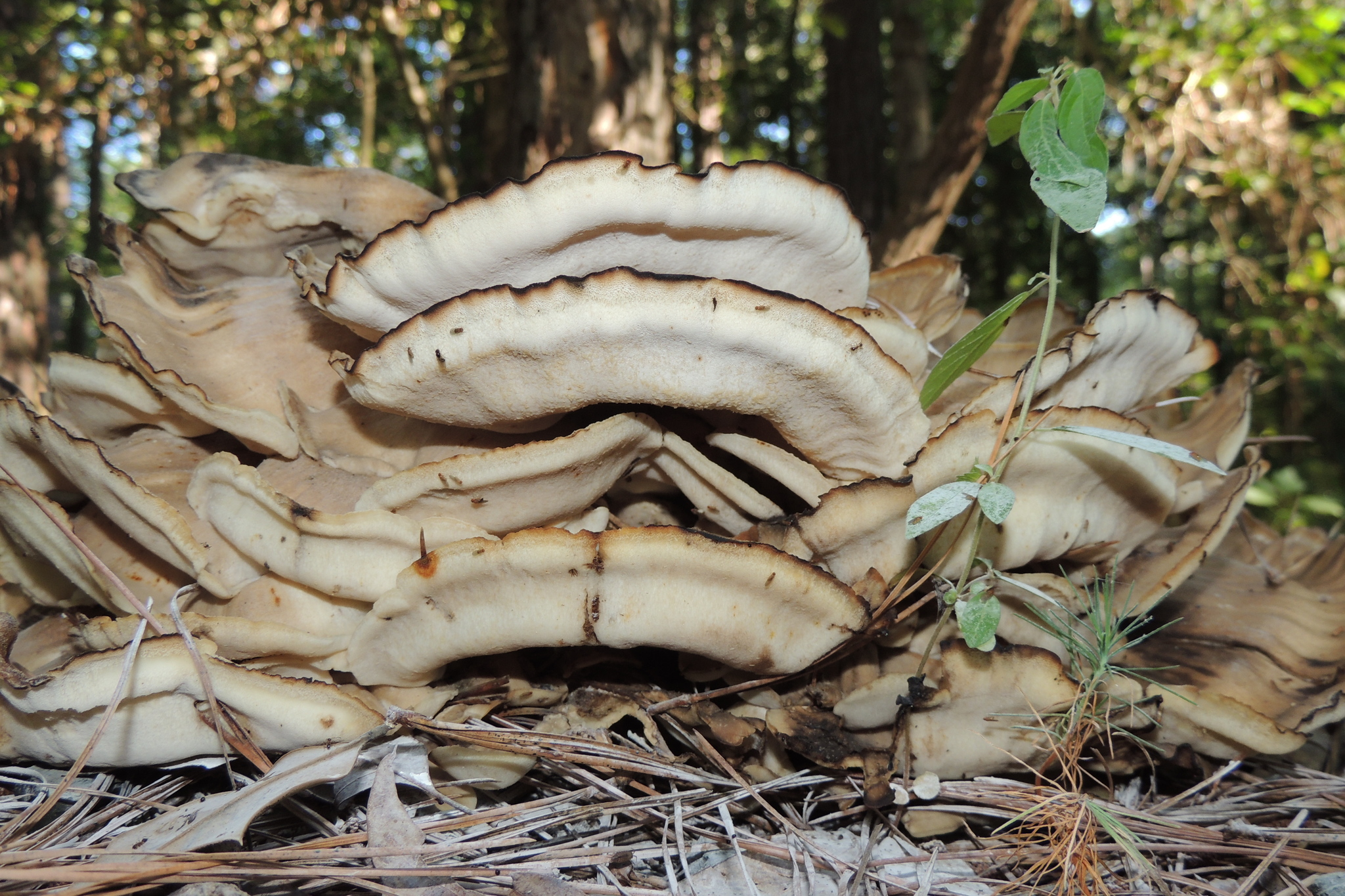
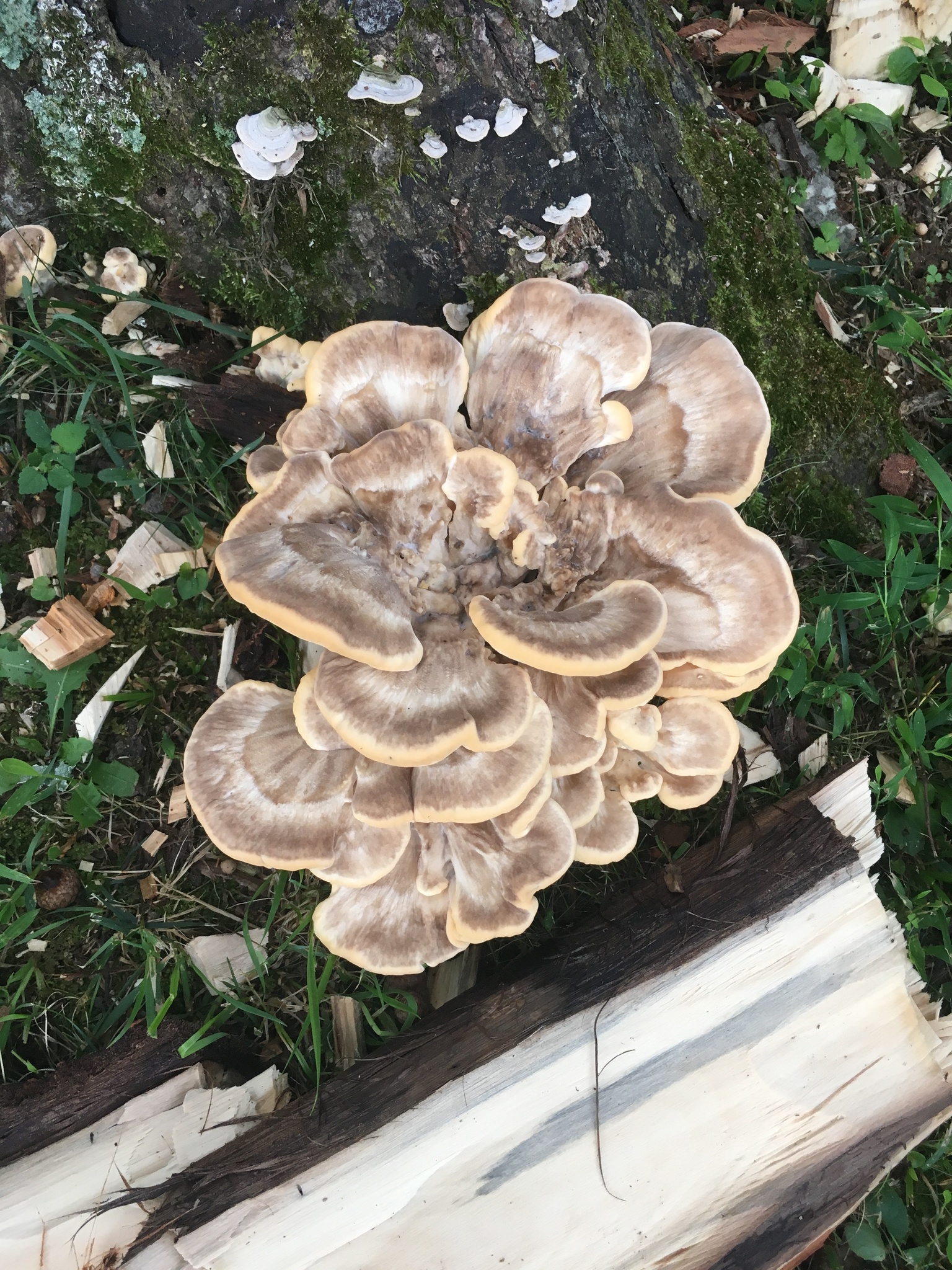
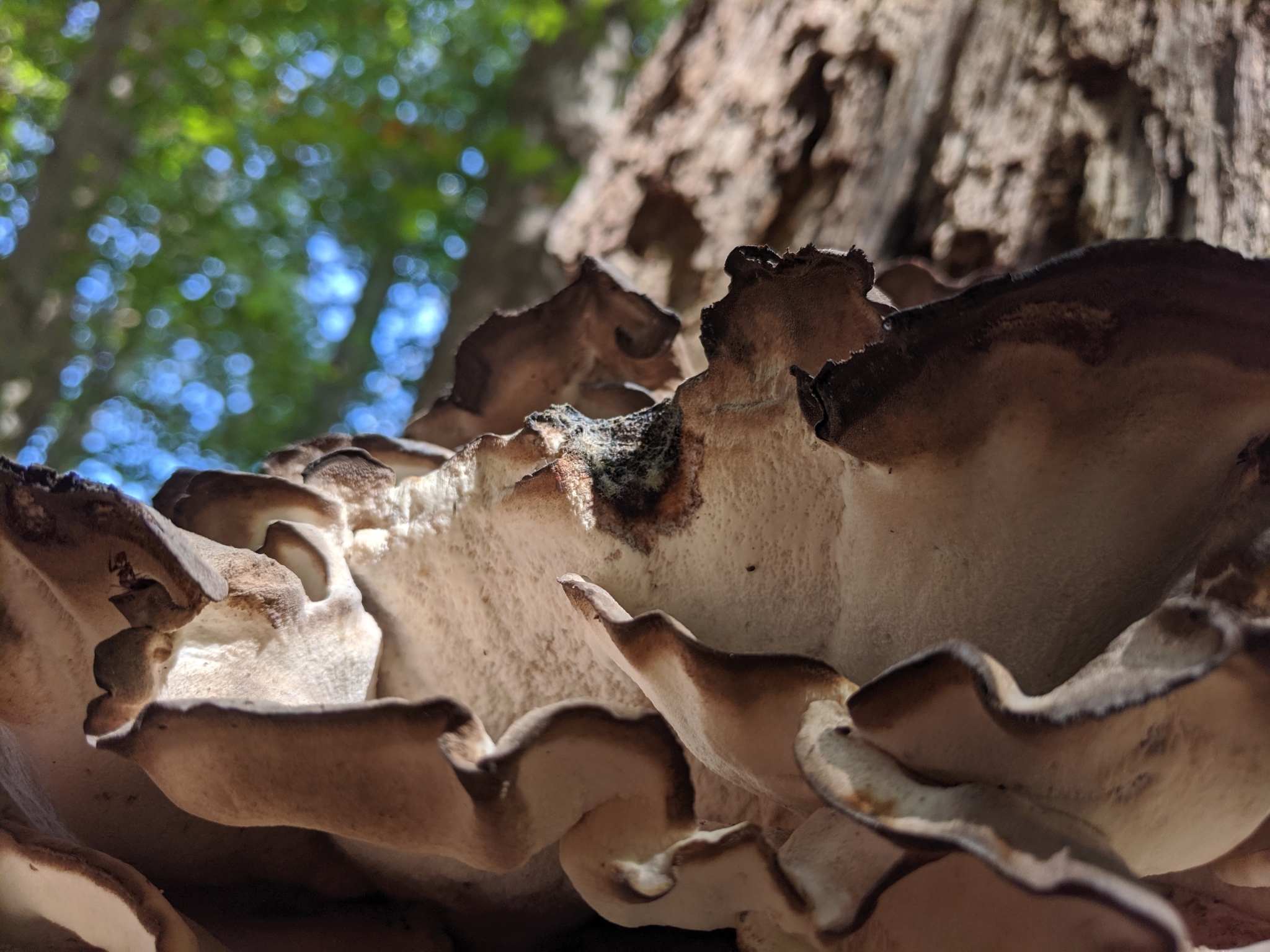
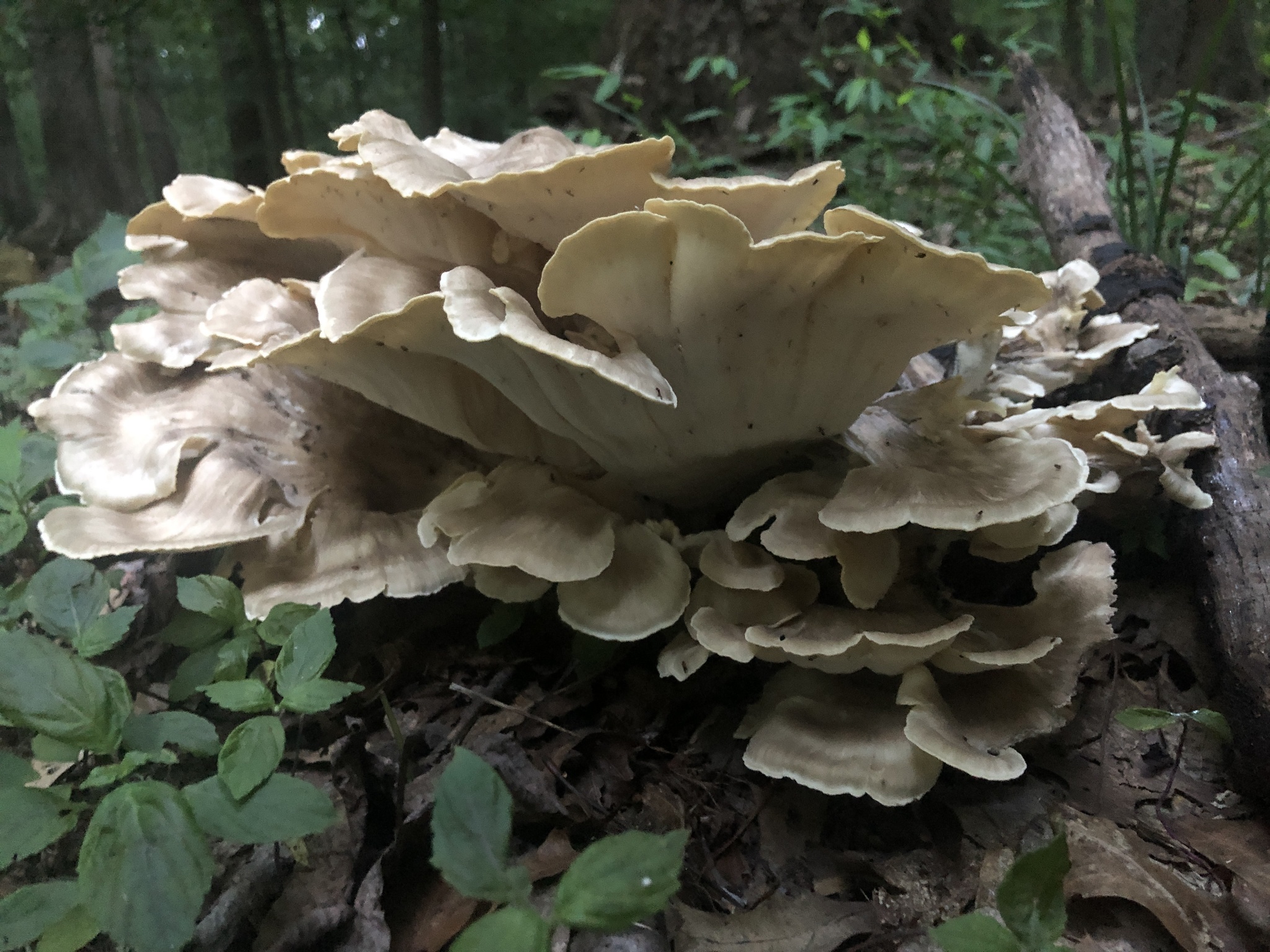
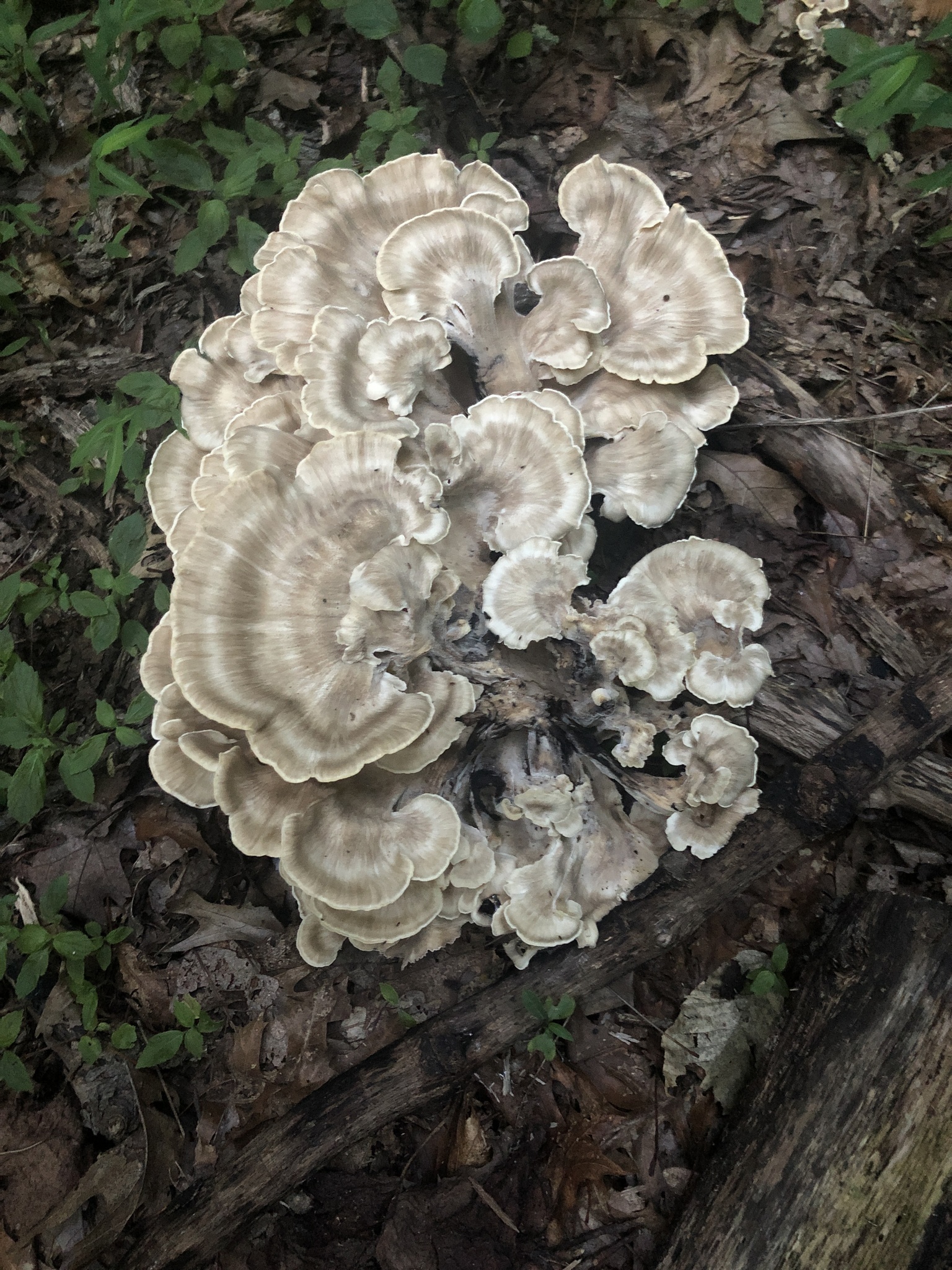
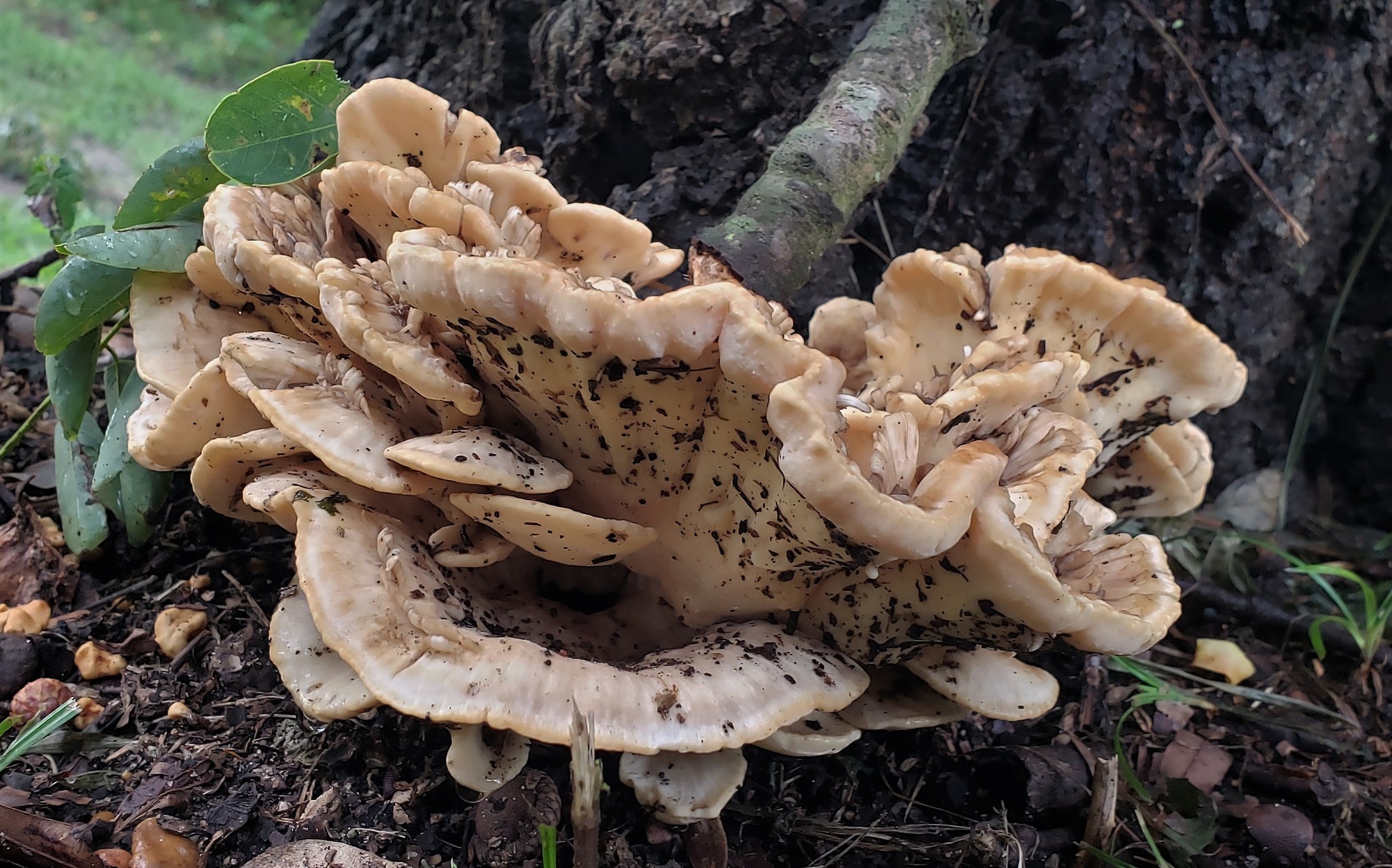
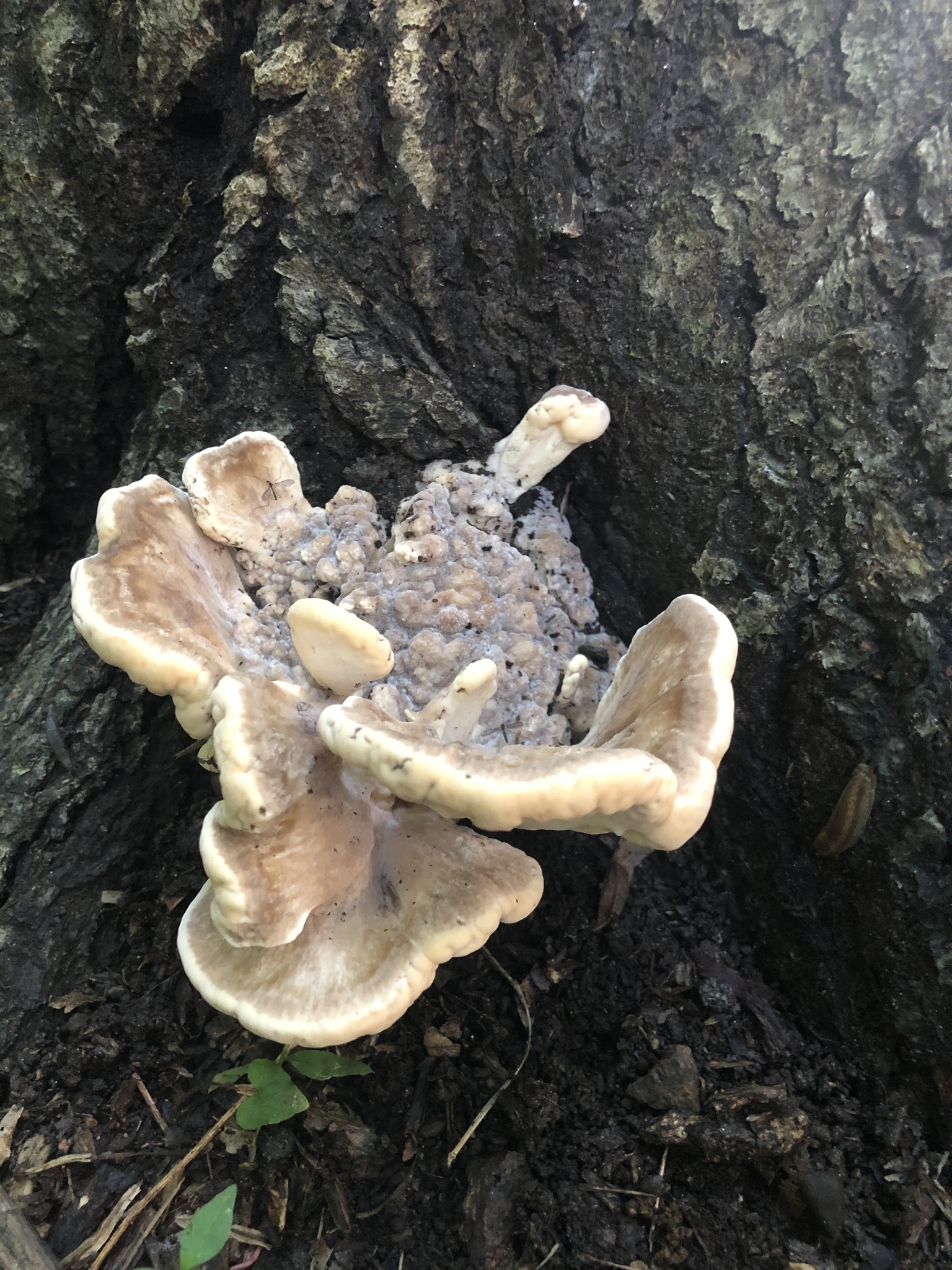
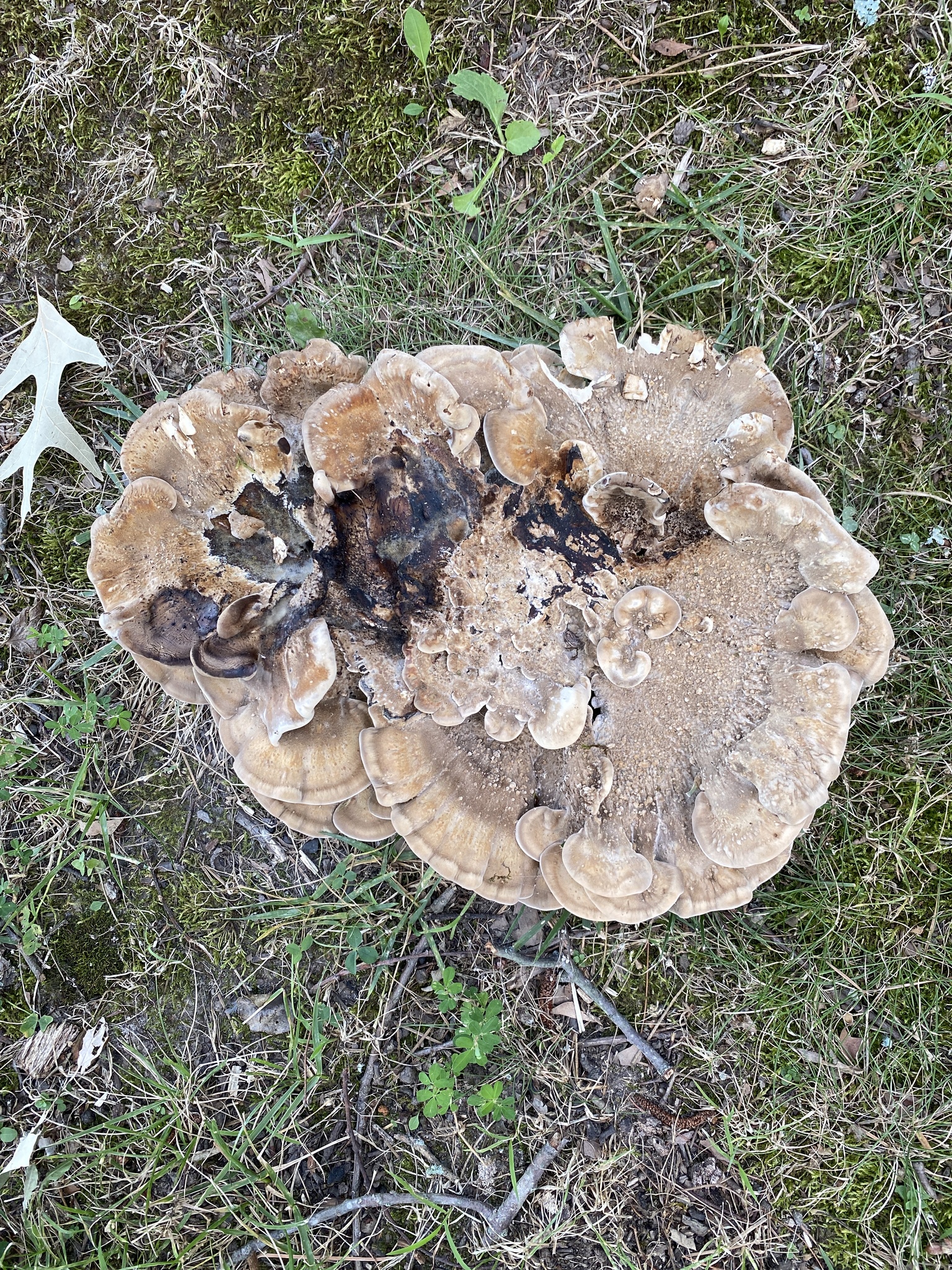
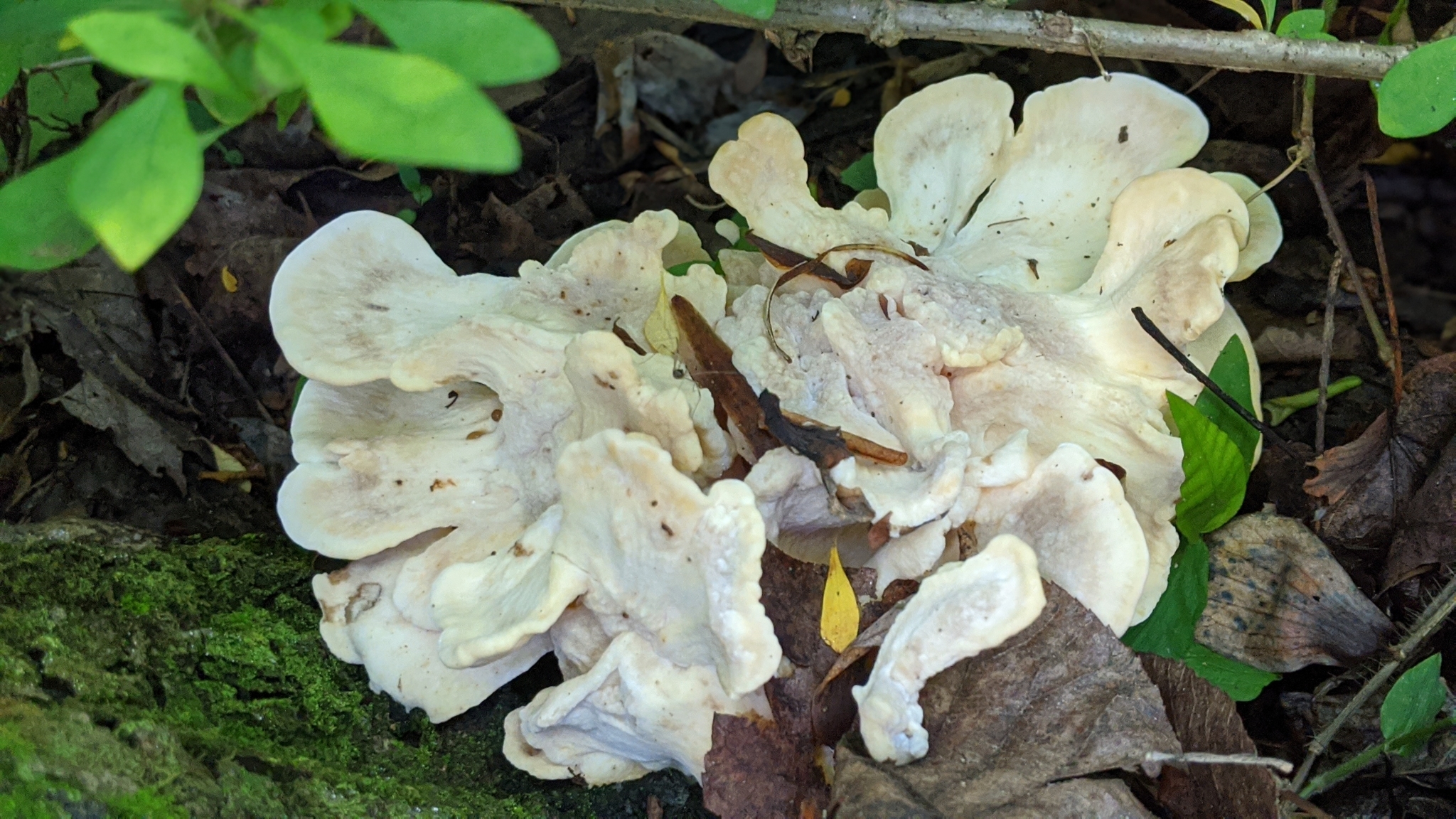
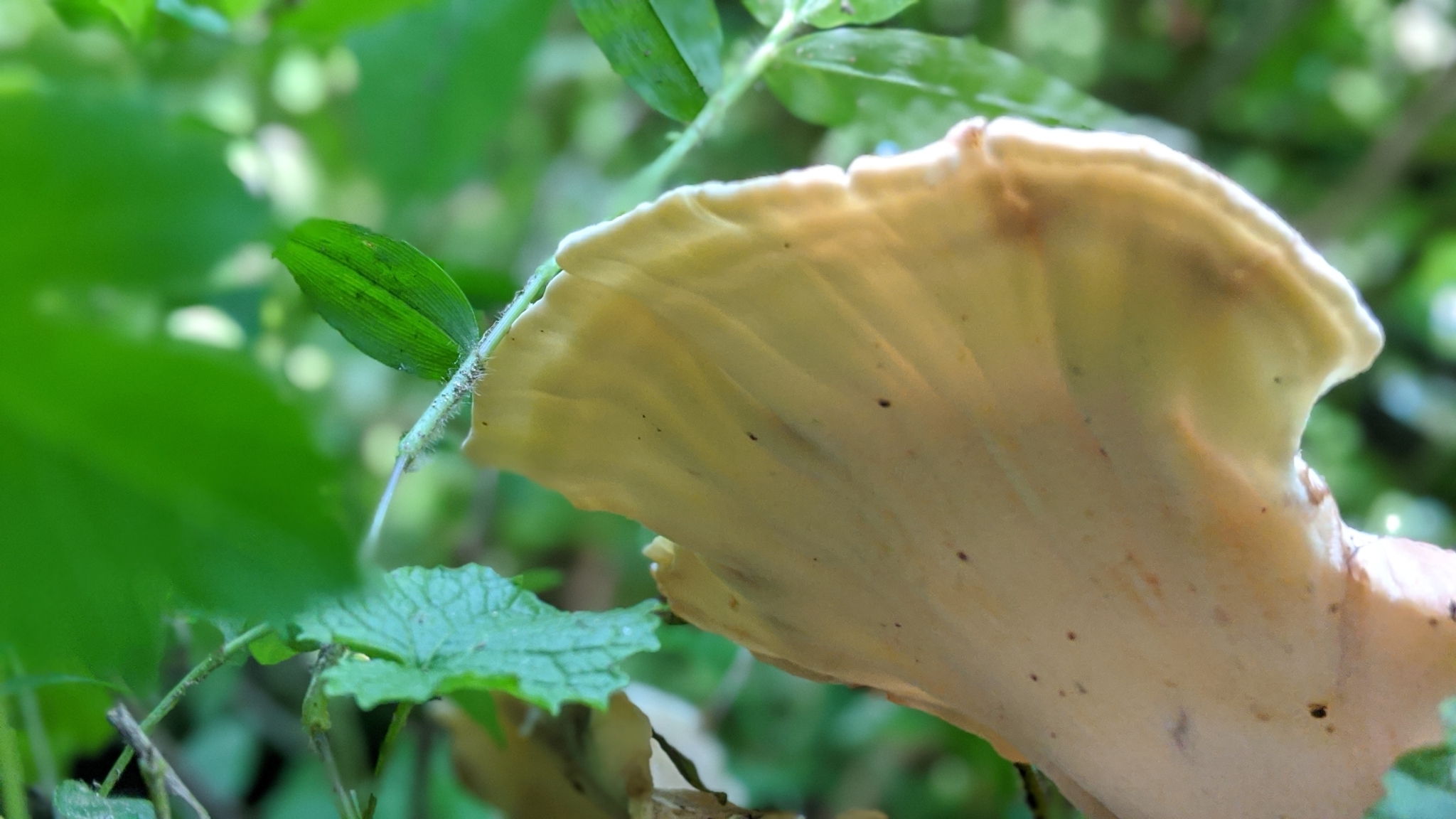
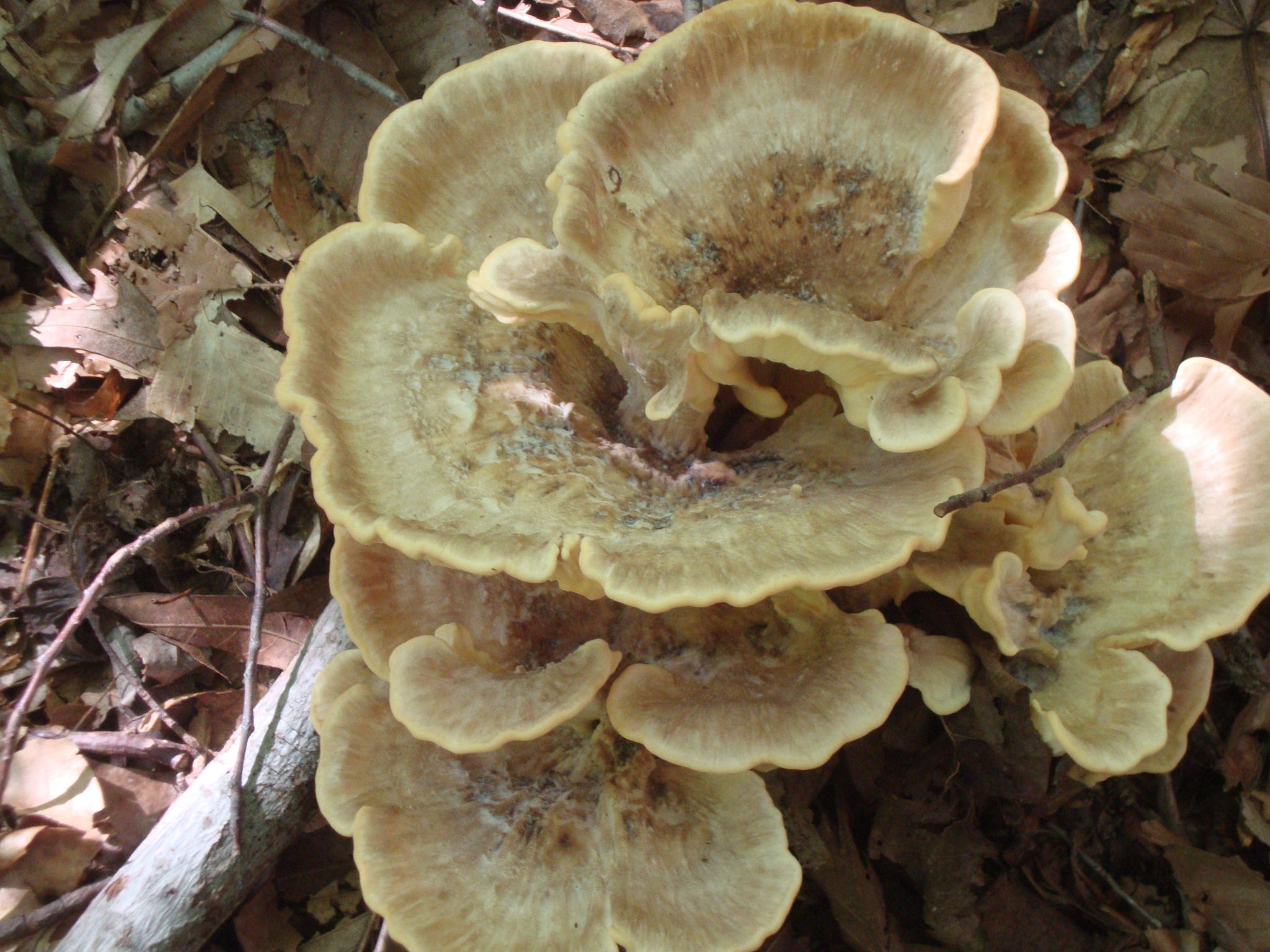
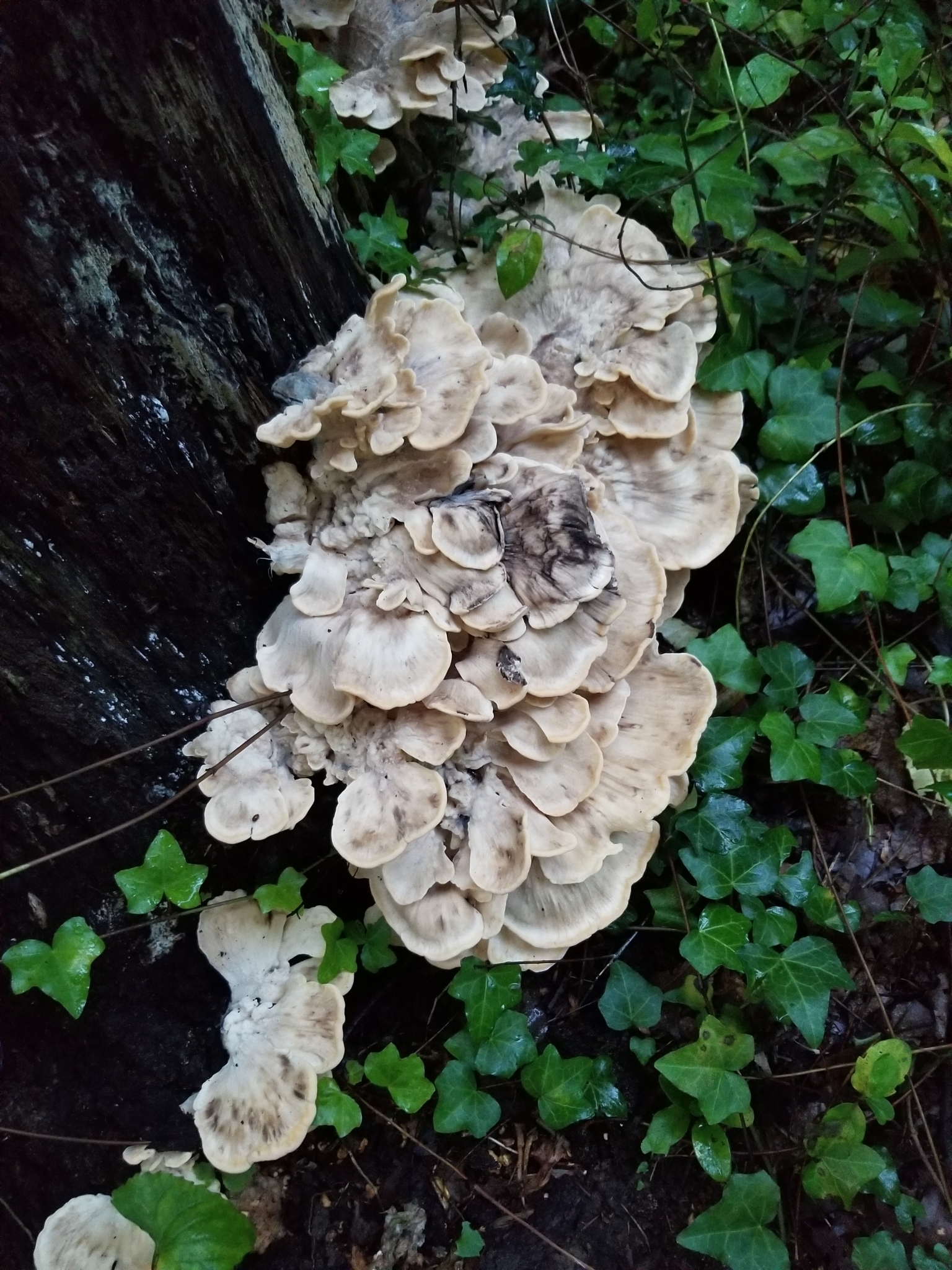
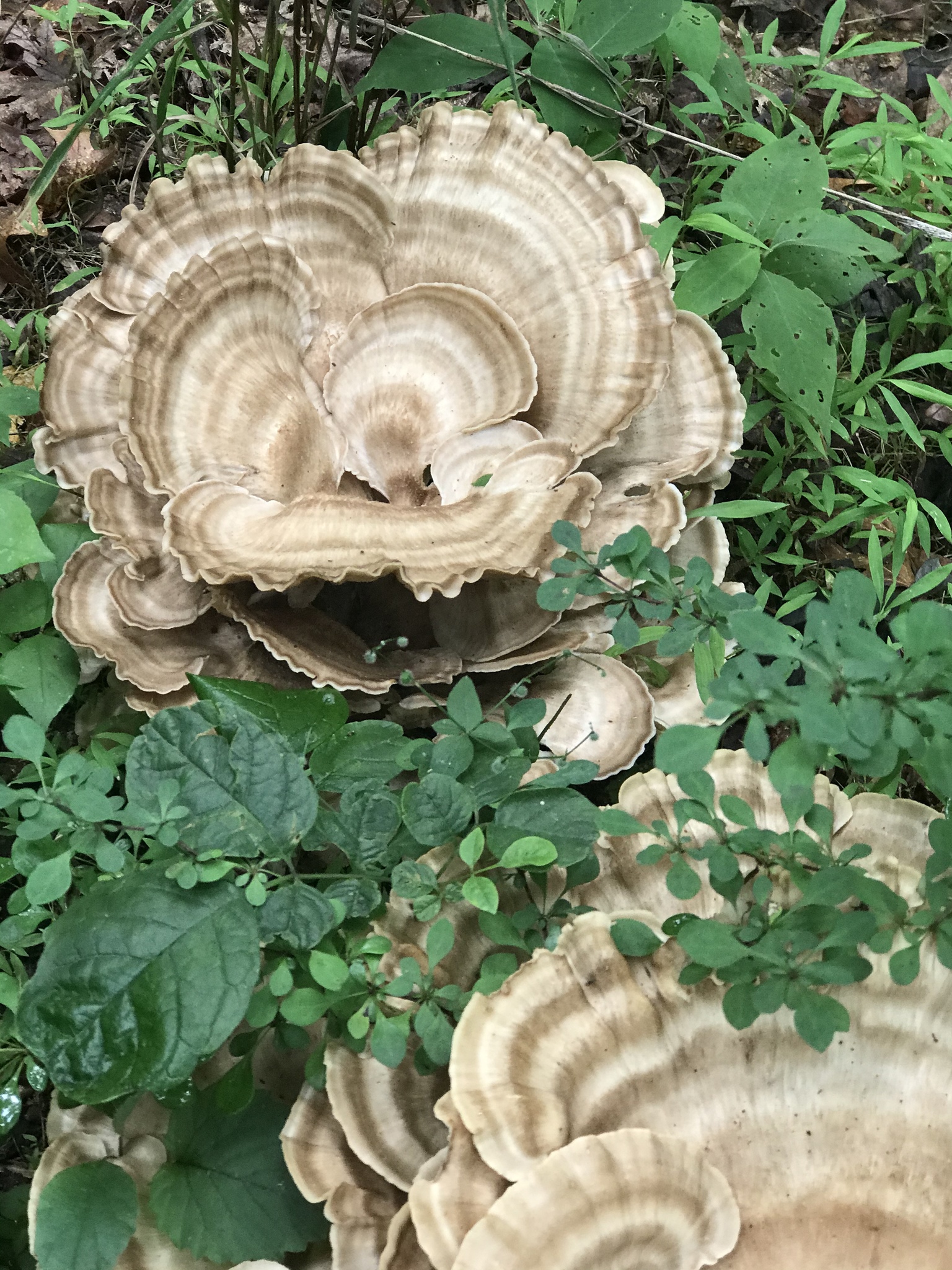
Fruiting body: Light yellowish-gray to gray-brown in age; fan/spoon-shaped; margin thin, wavy/lobed; stains black when fresh (instant or slowly); flesh white, fibrous; to 16" (41 cm) or more. Pores: White/creamy-white, stain black. Stalk: Ochre to red brown; stains black (J. Solem, pers. comm.).
Citations
No citations linked for this taxon yet.
Eating mushrooms can be dangerous. One should do so only with expert advice and great care. MBP accepts no liability for injury sustained in consuming fungi or other biodiversity. Use of media featured on Maryland
Biodiversity Project is only permitted with express permission of the
photographer.
A fresh Black-staining Polypore in Howard Co., Maryland (8/4/2016).
View Record Details
Media by
Richard Orr.
Black-staining Polypore in Montgomery Co., Maryland (6/29/2018). Determined by Bob and Jo Solem.
View Record Details
Media by
Anne Looker.
Black-staining Polypore growing in Montgomery Co., Maryland (9/3/2018). Determined by Jo Solem.
View Record Details
Media by
Anne Looker.
A Black-staining Polypore (fruiting body) in Howard Co., Maryland (7/5/2011).
View Record Details
Media by
Robert Solem.
A Black-staining Polypore (older fruiting body, stained) in Howard Co., Maryland (7/5/2010).
View Record Details
Media by
Robert Solem.
Black-staining Polypore in Baltimore Co., Maryland (6/19/2019). (c) Vanessa Beauchamp, some rights reserved (CC BY-NC).
View Record Details
Media by
Vanessa Beauchamp via iNaturalist.
Black-staining Polypore in Howard Co., Maryland (7/9/2018).
View Record Details
Media by
Joanne Solem.
Black-staining Polypore growing in Montgomery Co., Maryland (7/13/2018). Determined by Bob and Jo Solem.
View Record Details
Media by
Anne Looker.
Black-staining Polypore in Worcester Co., Maryland (7/21/2015). (c) scottyastro, some rights reserved (CC BY-NC).
View Record Details
Media by
scottyastro via iNaturalist.
Black-staining Polypore in Worcester Co., Maryland (7/21/2015). (c) scottyastro, some rights reserved (CC BY-NC).
View Record Details
Media by
scottyastro via iNaturalist.
Black-staining Polypore in Baltimore Co., Maryland (8/15/2019). (c) grimma, some rights reserved (CC BY-NC).
View Record Details
Media by
grimma via iNaturalist.
A Black-staining Polypore in Worcester Co., Maryland (10/17/2014).
View Record Details
Media by
Lance Biechele.
Black-staining Polypore in Charles Co., Maryland (7/6/2020). (c) Tim Emhoff, some rights reserved (CC BY-NC).
View Record Details
Media by
Tim Emhoff via iNaturalist.
Black-staining Polypore in Prince George's Co., Maryland (9/20/2019). (c) R. DN., some rights reserved (CC BY).
View Record Details
Media by
R. DN. via iNaturalist.
Black-staining Polypore in Montgomery Co., Maryland (8/23/2020). (c) ktanabe, some rights reserved (CC BY-NC).
View Record Details
Media by
ktanabe via iNaturalist.
Black-staining Polypore in Montgomery Co., Maryland (8/23/2020). (c) ktanabe, some rights reserved (CC BY-NC).
View Record Details
Media by
ktanabe via iNaturalist.
Black-staining Polypore in Anne Arundel Co., Maryland (8/4/2020). (c) Matthew Beziat, some rights reserved (CC BY-NC).
View Record Details
Media by
Matthew Beziat.
Black-staining Polypore in Montgomery Co., Maryland (6/20/2020). (c) amycophile, some rights reserved (CC BY-NC).
View Record Details
Media by
amycophile via iNaturalist.
Black-staining Polypore in Talbot Co., Maryland (7/15/2020). (c) cnmurray, some rights reserved (CC BY-NC).
View Record Details
Media by
cnmurray via iNaturalist.
Black-staining Polypore in Howard Co., Maryland (6/12/2020). (c) dangitmimi, some rights reserved (CC BY-NC).
View Record Details
Media by
dangitmimi via iNaturalist.
Black-staining Polypore in Howard Co., Maryland (6/12/2020). (c) dangitmimi, some rights reserved (CC BY-NC).
View Record Details
Media by
dangitmimi via iNaturalist.
Black-staining Polypore in Howard Co., Maryland (6/12/2020). (c) dangitmimi, some rights reserved (CC BY-NC).
View Record Details
Media by
dangitmimi via iNaturalist.
Black-staining Polypore in Prince George's Co., Maryland (8/3/2019). (c) William J. Davis, some rights reserved (CC BY-NC-ND).
View Record Details
Media by
William J. Davis via iNaturalist.
Black-staining Polypore in Prince George's Co., Maryland (8/3/2019). (c) William J. Davis, some rights reserved (CC BY-NC-ND).
View Record Details
Media by
William J. Davis via iNaturalist.
Black-staining Polypore in Prince George's Co., Maryland (6/20/2020). (c) Elizabeth MacDonald, some rights reserved (CC BY-NC).
View Record Details
Media by
Elizabeth MacDonald via iNaturalist.
Black-staining Polypore in Montgomery Co., Maryland (Date obscured). (c) thierola, some rights reserved (CC BY-NC).
View Record Details
Media by
thierola via iNaturalist.
Black-staining Polypore in Montgomery Co., Maryland (7/7/2020). (c) wildlymistaken, some rights reserved (CC BY-NC-SA).
View Record Details
Media by
wildlymistaken via iNaturalist.
Spores of Black-staining Polypore in Howard Co., Maryland (7/9/2018). Nearly round, smooth, hyaline. 4.7-5.5 X 4.2-4.6 microns.
View Record Details
Media by
Robert Solem.
Source: Wikipedia
| Meripilus sumstinei | |
|---|---|
| Scientific classification | |
| Kingdom: | Fungi |
| Division: | Basidiomycota |
| Class: | Agaricomycetes |
| Order: | Polyporales |
| Family: | Meripilaceae |
| Genus: | Meripilus |
| Species: | M. sumstinei
|
| Binomial name | |
| Meripilus sumstinei (Murrill) M.J.Larsen & Lombard (1988)
| |
| Synonyms[1] | |
| |
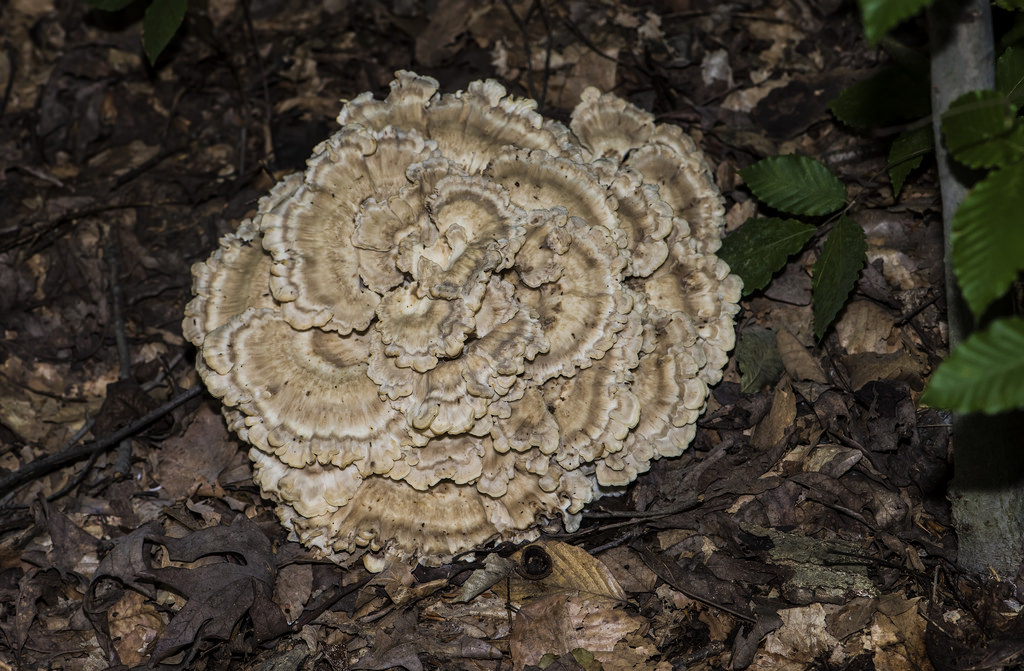
Meripilus sumstinei, commonly known as the giant polypore or the black-staining polypore, is a species of fungus in the family Meripilaceae.
Taxonomy
[edit]Originally described in 1905 by William Alphonso Murrill as Grifola sumstinei, the species was transferred to Meripilus in 1988.[1]
Description
[edit]The cap of this polypore is 5–20 centimetres (2–8 in) wide, with folds of flesh up to 8–20 millimetres (1⁄4–3⁄4 in) thick. It has white to brownish concentric zones and tapers toward the base; the stipe is indistinct.[2]
Distribution and habitat
[edit]It is found in eastern North America from June to September. It grows in large clumps on the ground around hardwood (including oak) trunks, stumps, and logs.[3][2]
Uses
[edit]References
[edit]- ^ a b "GSD Species Synonymy: Meripilus sumstinei (Murrill) M.J. Larsen & Lombard, Mycologia 80(5): 615 (1988)". Species Fungorum. CAB International. Retrieved 2014-07-23.
- ^ a b Audubon (2023). Mushrooms of North America. Knopf. p. 234. ISBN 978-0-593-31998-7.
- ^ a b Russell, B. (2010). Field Guide to Wild Mushrooms of Pennsylvania and the Mid-Atlantic. Penn State Press. p. 128. ISBN 978-0-271-04526-9.