
Map Snapshot


19 Records
Citations
No citations linked for this taxon yet.
Source: Wikipedia
| Melampus bidentatus | |
|---|---|
.jpeg)
| |
Scientific classification 
| |
| Kingdom: | Animalia |
| Phylum: | Mollusca |
| Class: | Gastropoda |
| Order: | Ellobiida |
| Family: | Ellobiidae |
| Genus: | Melampus |
| Species: | M. bidentatus
|
| Binomial name | |
| Melampus bidentatus Say, 1822
| |
| Synonyms | |
| |

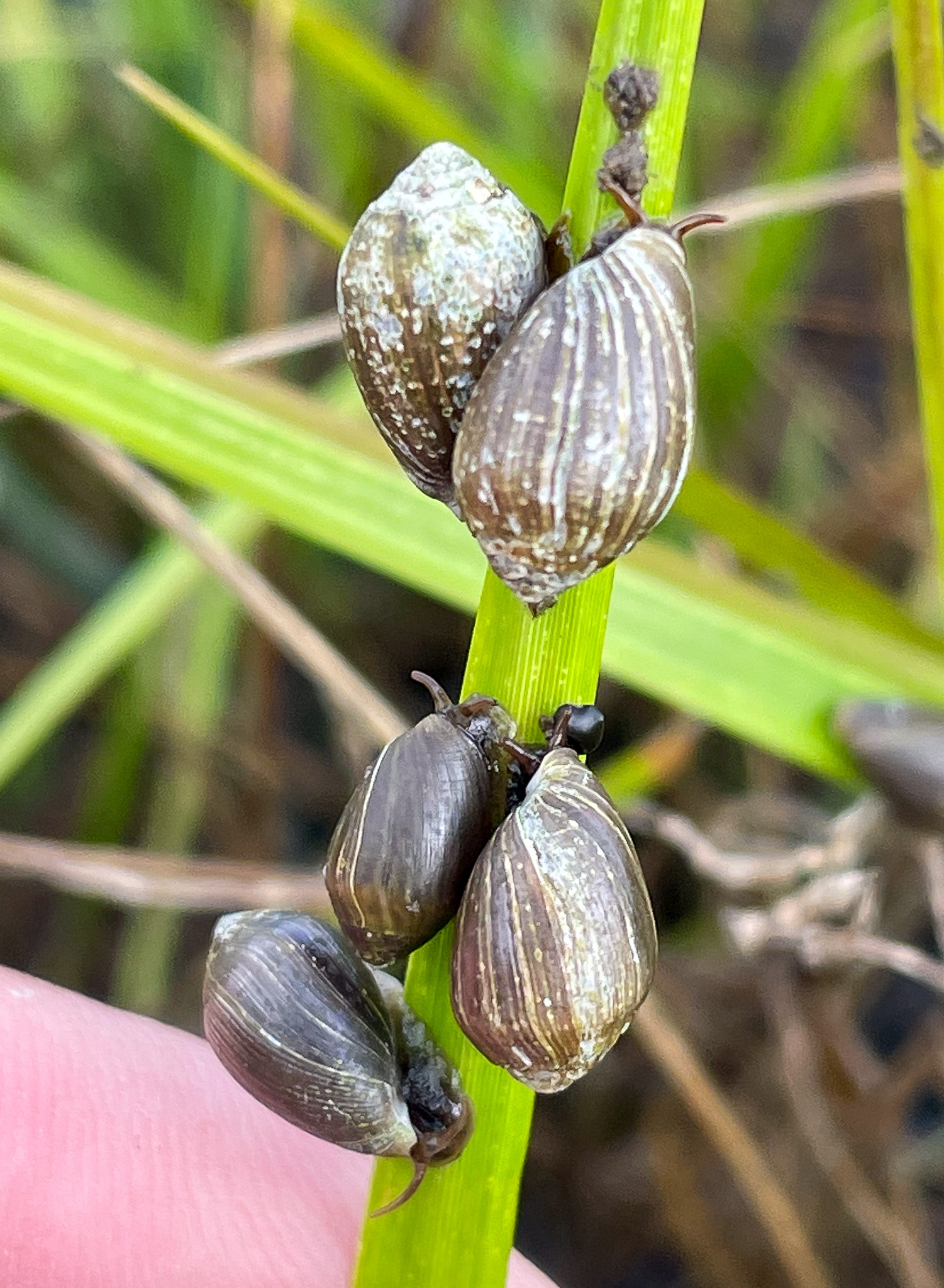
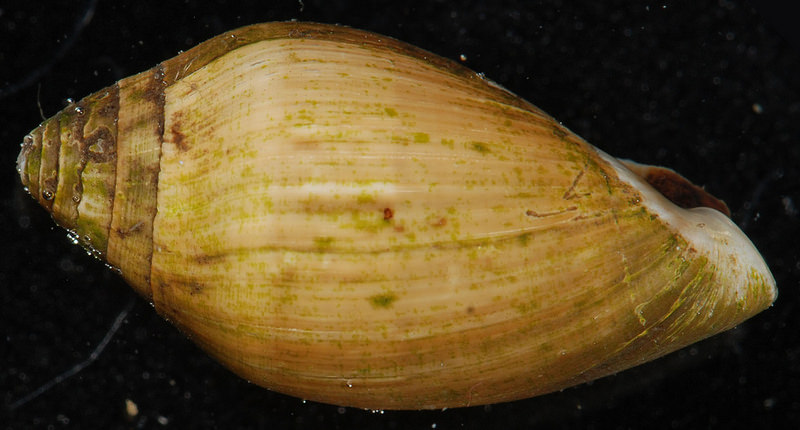
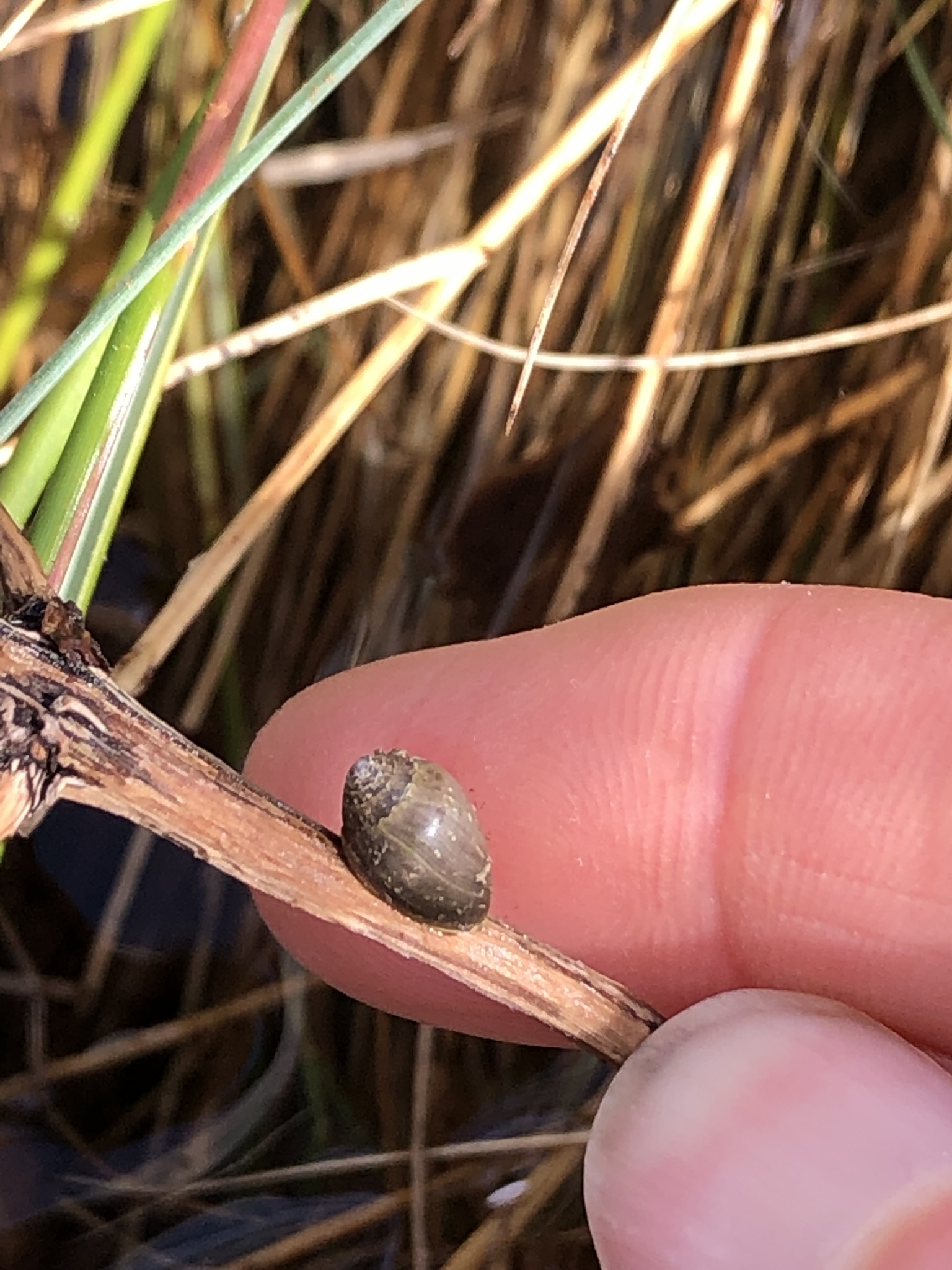
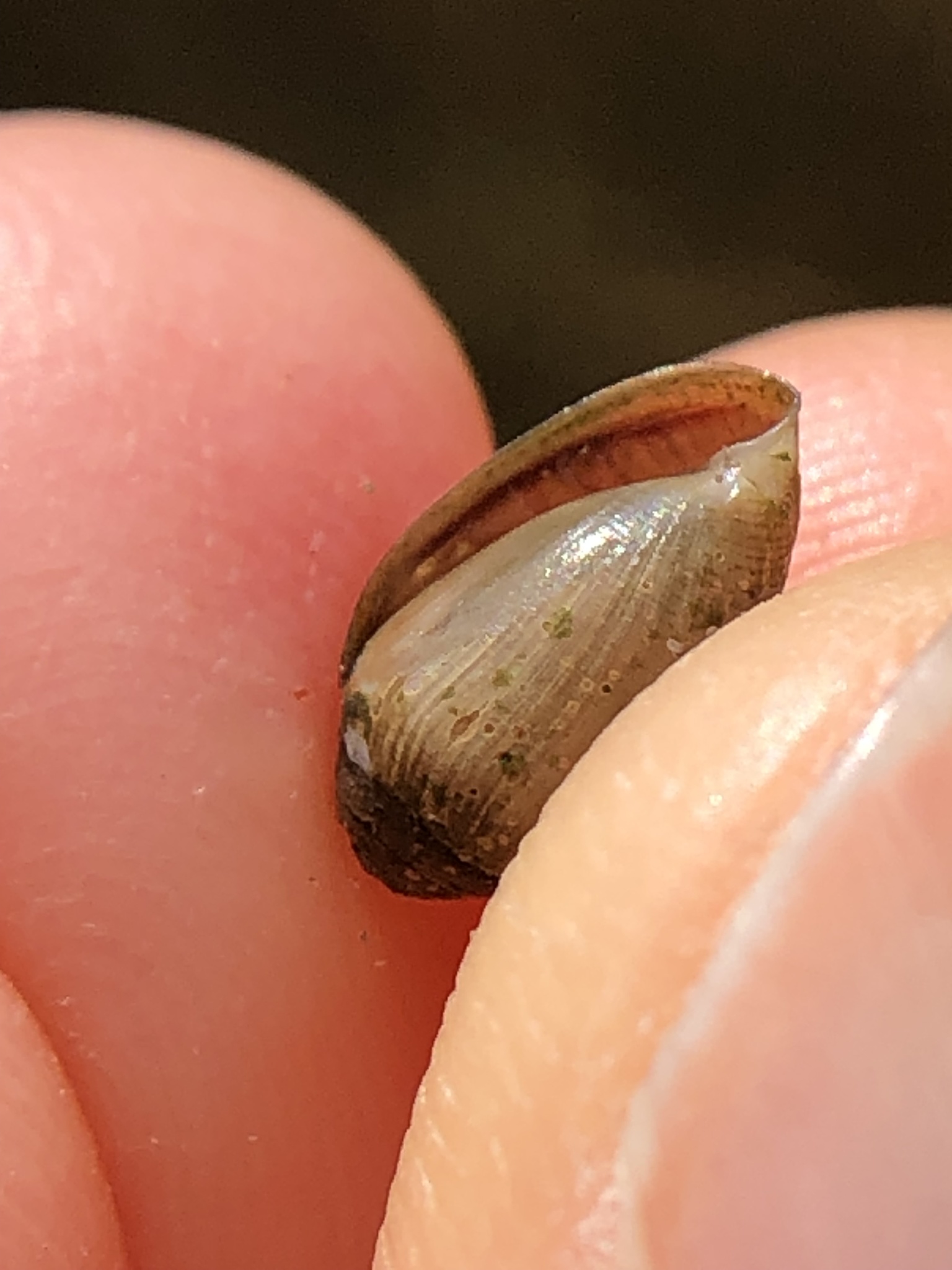
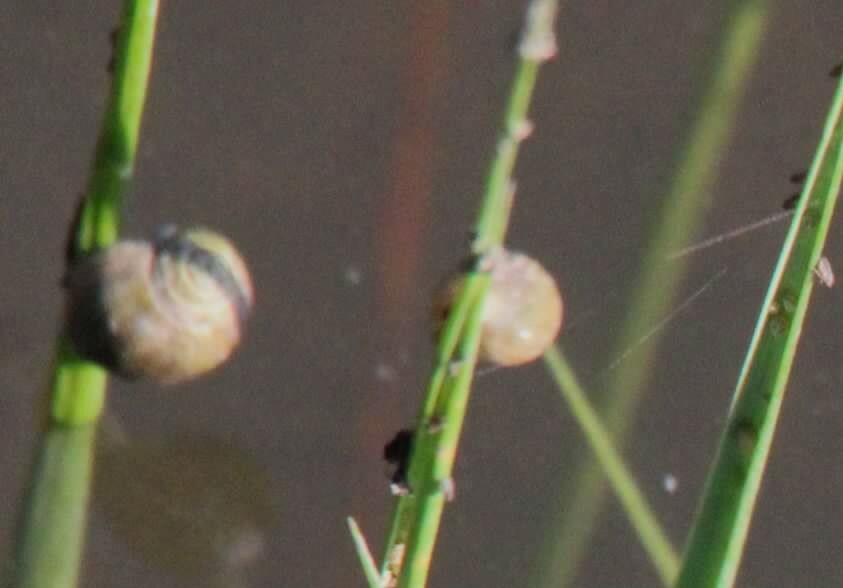
Melampus bidentatus common name the "common marsh snail", "eastern melampus", or "coffee bean snail"[2] is a species of small, amphibious air-breathing snail, a pulmonate gastropod mollusk in the family Ellobiidae.
Description
[edit]The maximum recorded shell length is 20 mm.[3]
Habitat and distribution
[edit]The minimum recorded depth for this species is 0 m; maximum recorded depth is 0 m.[3] Like many others in the same family, this species of snail inhabits the high marsh zone of salt marshes, but it is also very common in the mud near oyster reefs. The native range of the snail is from the coast of Nova Scotia, Canada, to the Texas coast of the Gulf of Mexico. However, it is likely that this distribution involves at least three cryptic species with distinct physiological optima.[4]
Adults of Melampus bidentatus can survive in a terrestrial environment, but its larvae require an aquatic habitat in order to survive.[citation needed]
The diet of this species consists of the decayed shoots of smooth cordgrass, Spartina alterniflora.[5]
References
[edit]- ^ NatureServe. "Melampus bidentatus". NatureServe Explorer. Arlington, Virginia. Retrieved 30 March 2026.
- ^ https://www.newburyportnews.com/news/local_news/in-salt-marsh-this-snail-freezes-to-survive/article_9c095a6f-9e55-5d0c-b27b-ad15fc9cae14.html
- ^ a b Welch J. J. (2010). "The "Island Rule" and Deep-Sea Gastropods: Re-Examining the Evidence". PLoS ONE 5(1): e8776. doi:10.1371/journal.pone.0008776.
- ^ Dennis, A.B. and M. E. Hellberg. 2010. Ecological partitioning among parapatric cryptic species. Molecular Ecology 19:3206-3225.
- ^ Weinstein M. P. & Kreeger D. A.. "Concepts and controversies in tidal marsh ecology". p. 173
 | This Ellobiidae-related article is a stub. You can help Wikipedia by adding missing information. |