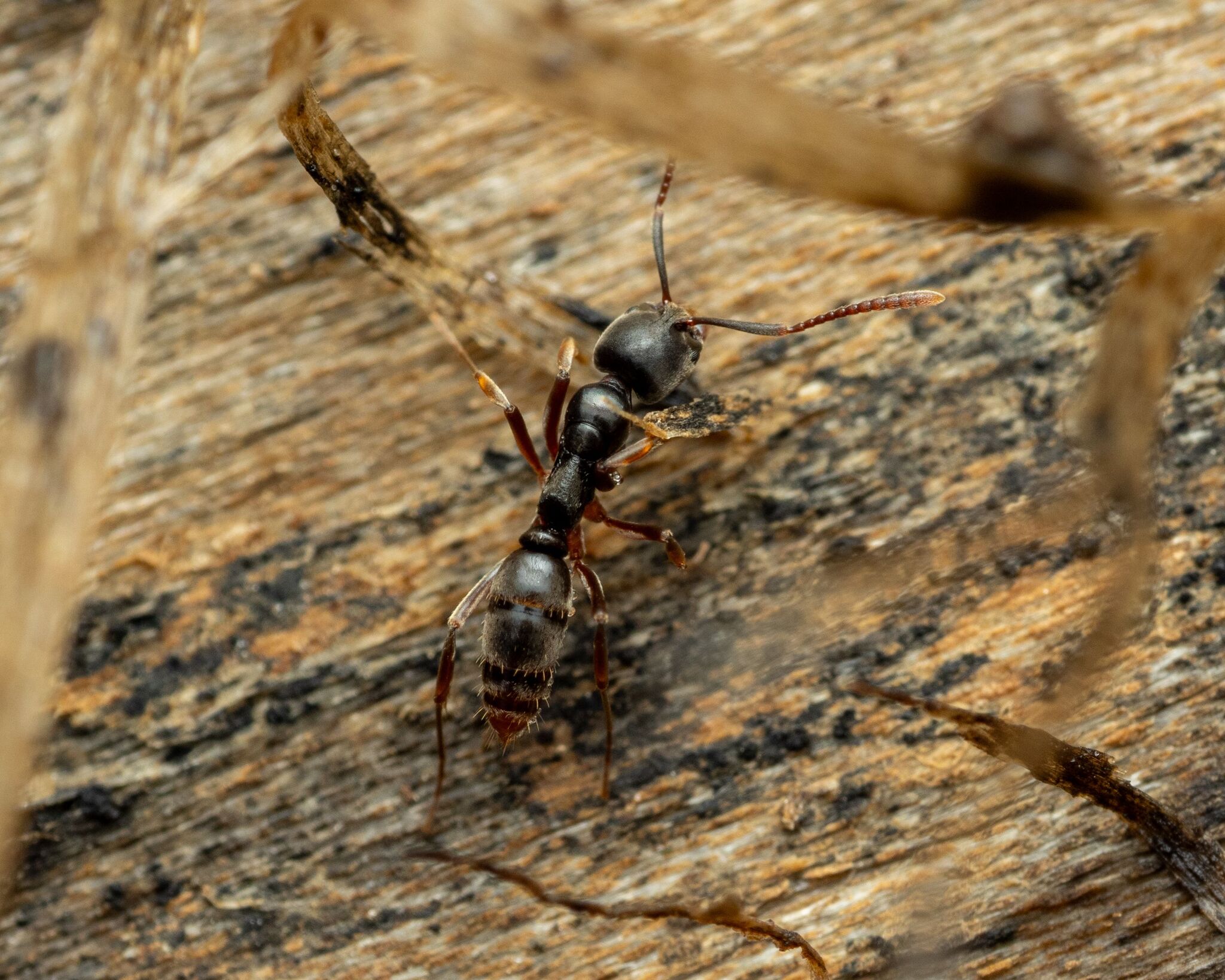
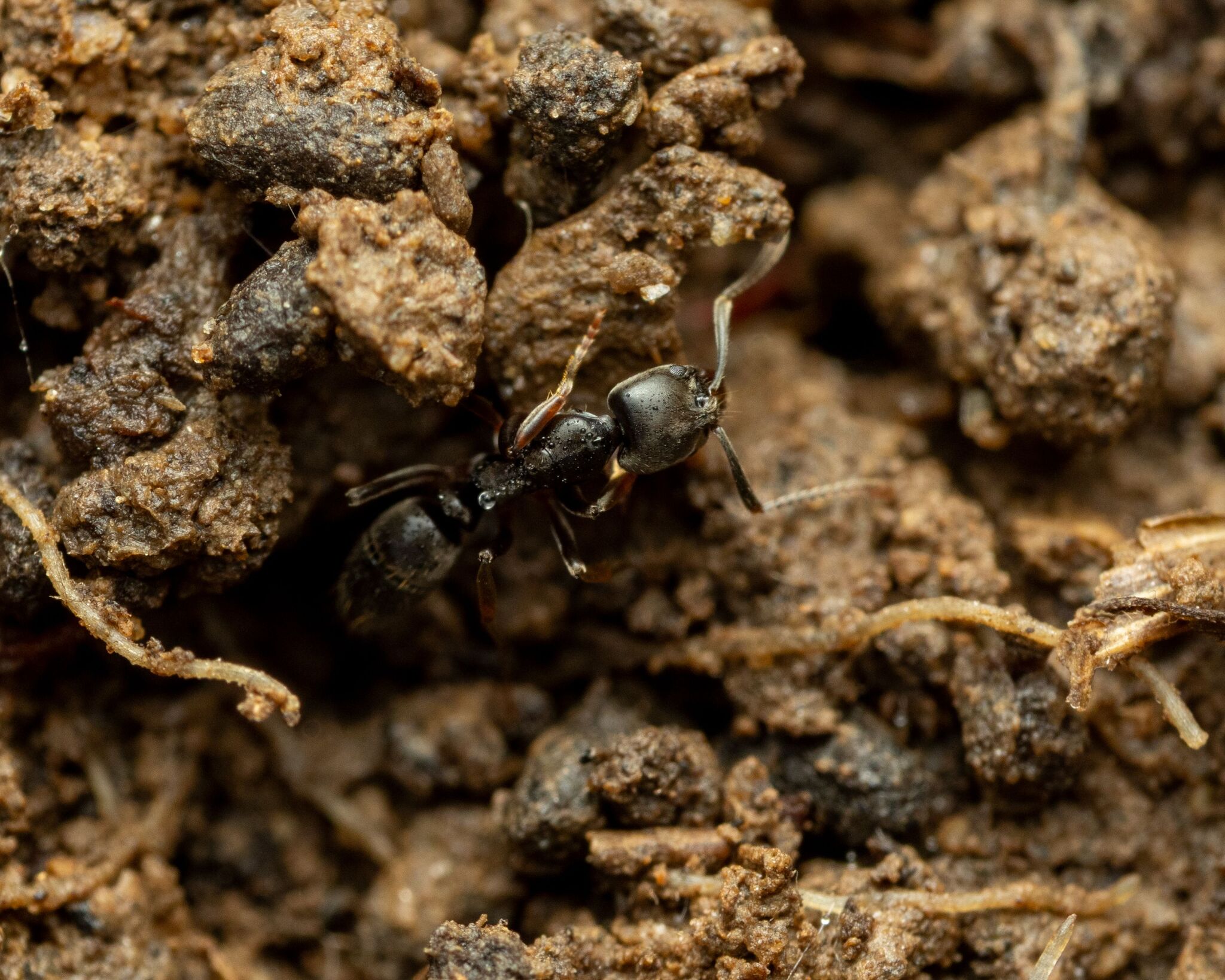
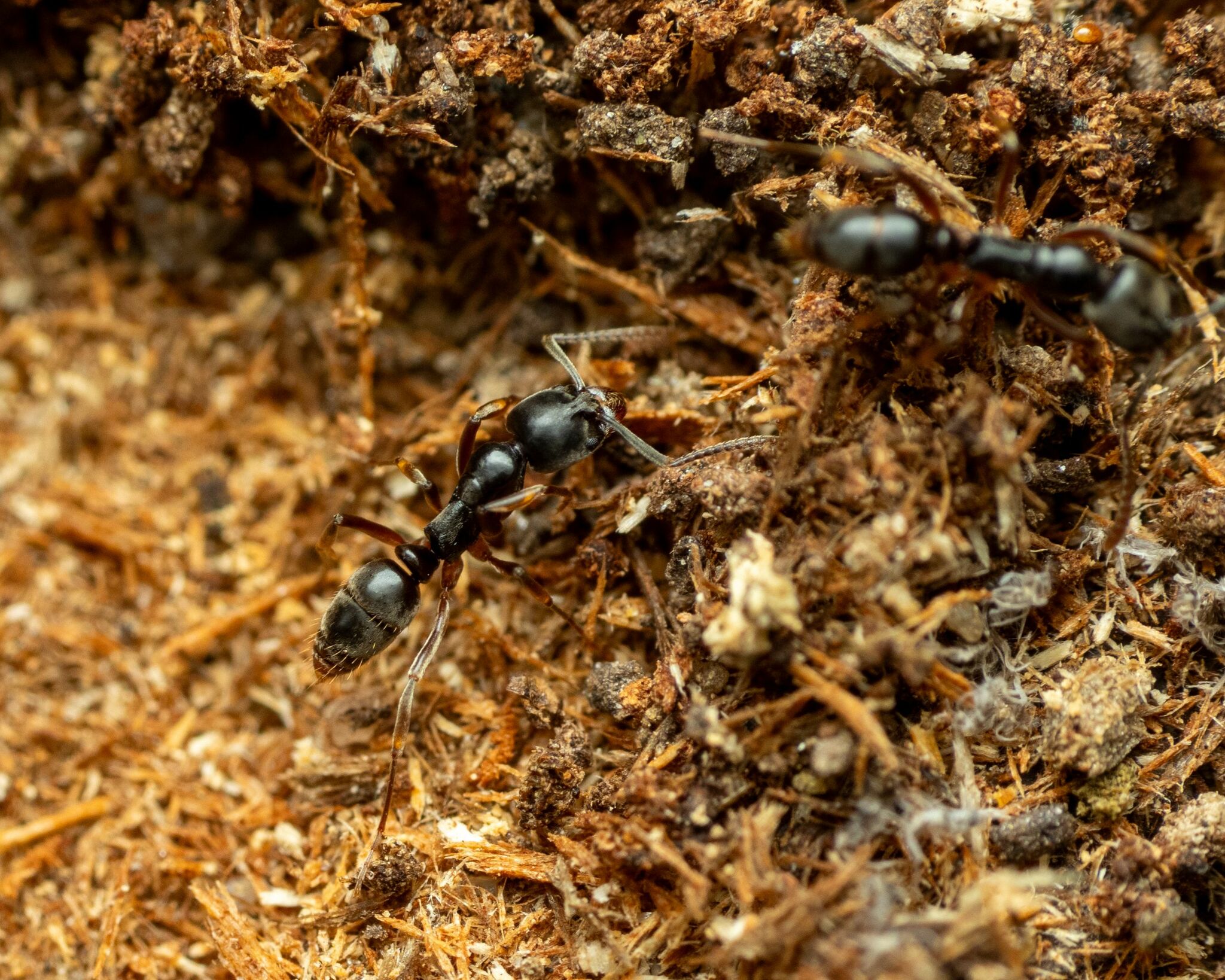
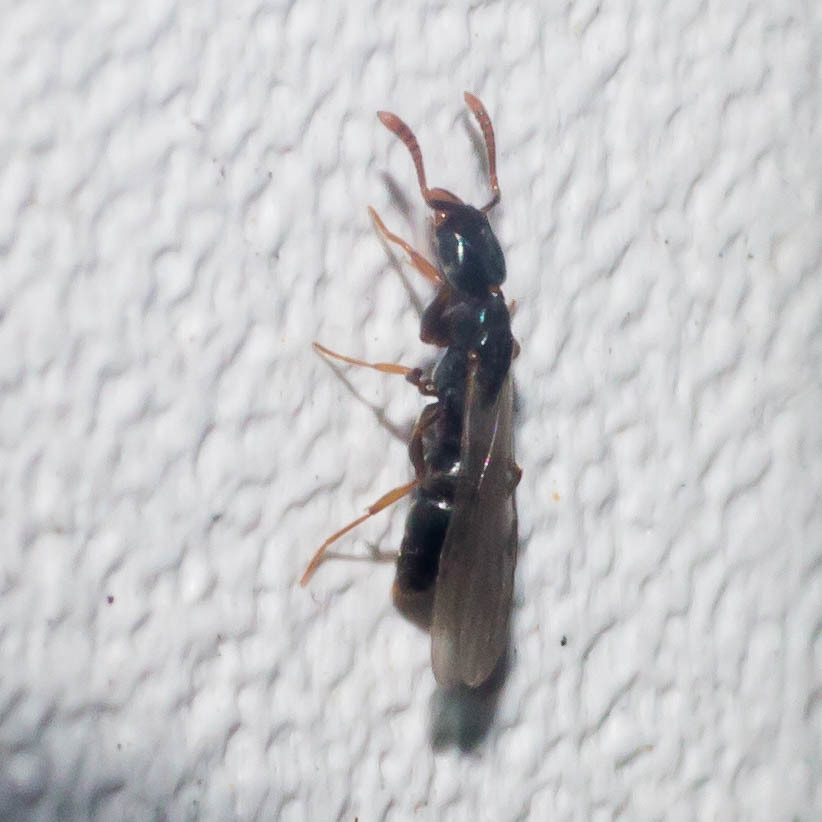

Map Snapshot


32 Records
Status
Relationships
Citations
No citations linked for this taxon yet.
Source: Wikipedia
| Brachyponera chinensis | |
|---|---|

| |
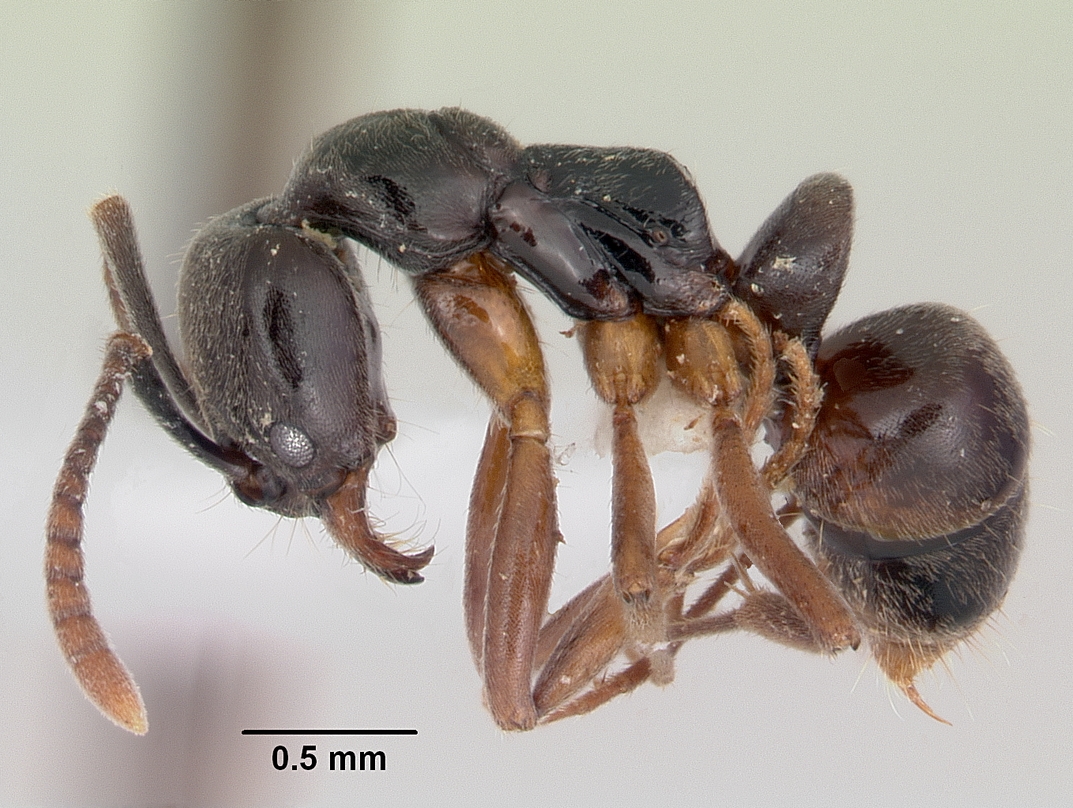
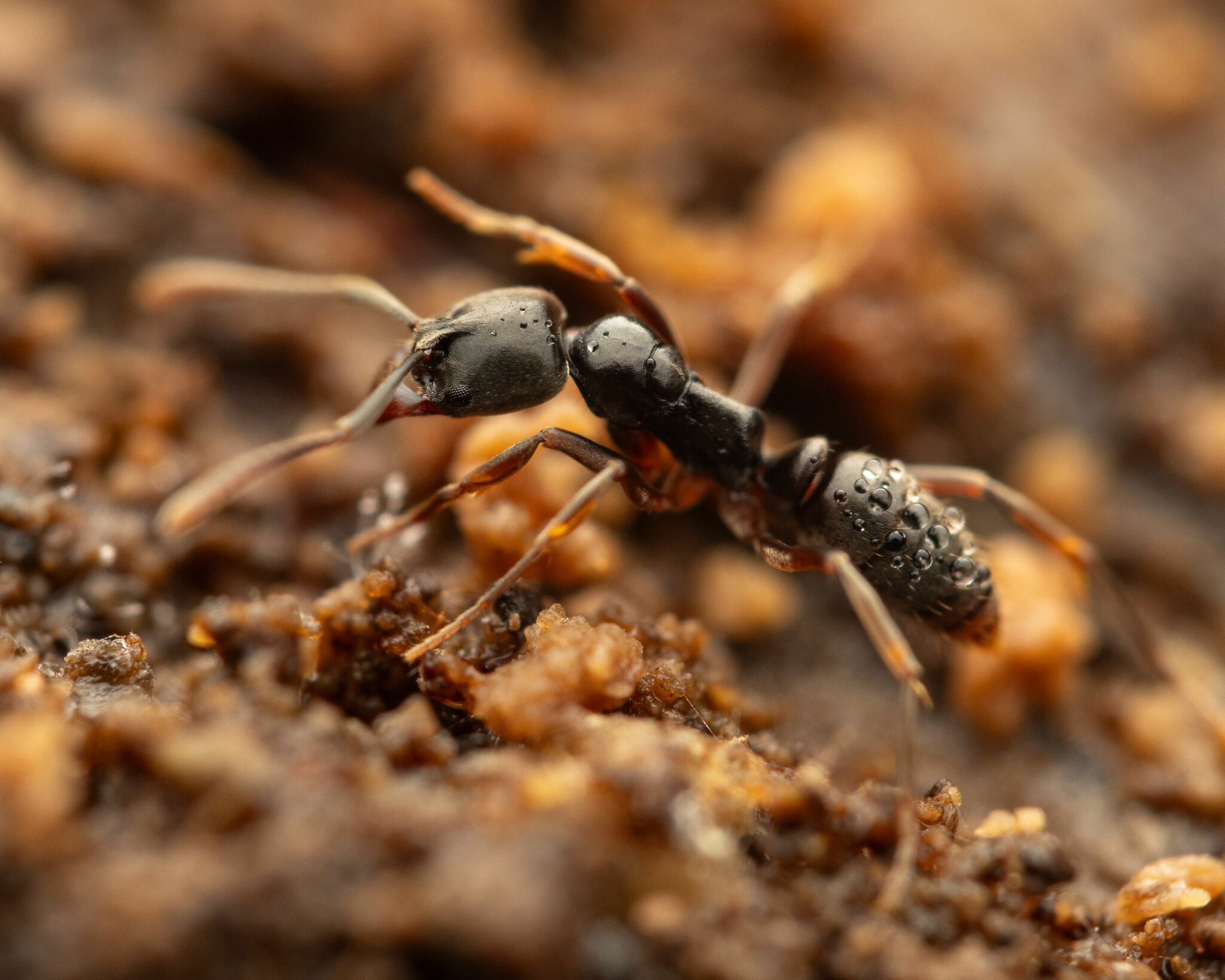
| Brachyponera chinensis worker from the United States | |
Scientific classification 
| |
| Kingdom: | Animalia |
| Phylum: | Arthropoda |
| Clade: | Pancrustacea |
| Class: | Insecta |
| Order: | Hymenoptera |
| Family: | Formicidae |
| Genus: | Brachyponera |
| Species: | B. chinensis
|
| Binomial name | |
| Brachyponera chinensis (Emery, 1895)
| |
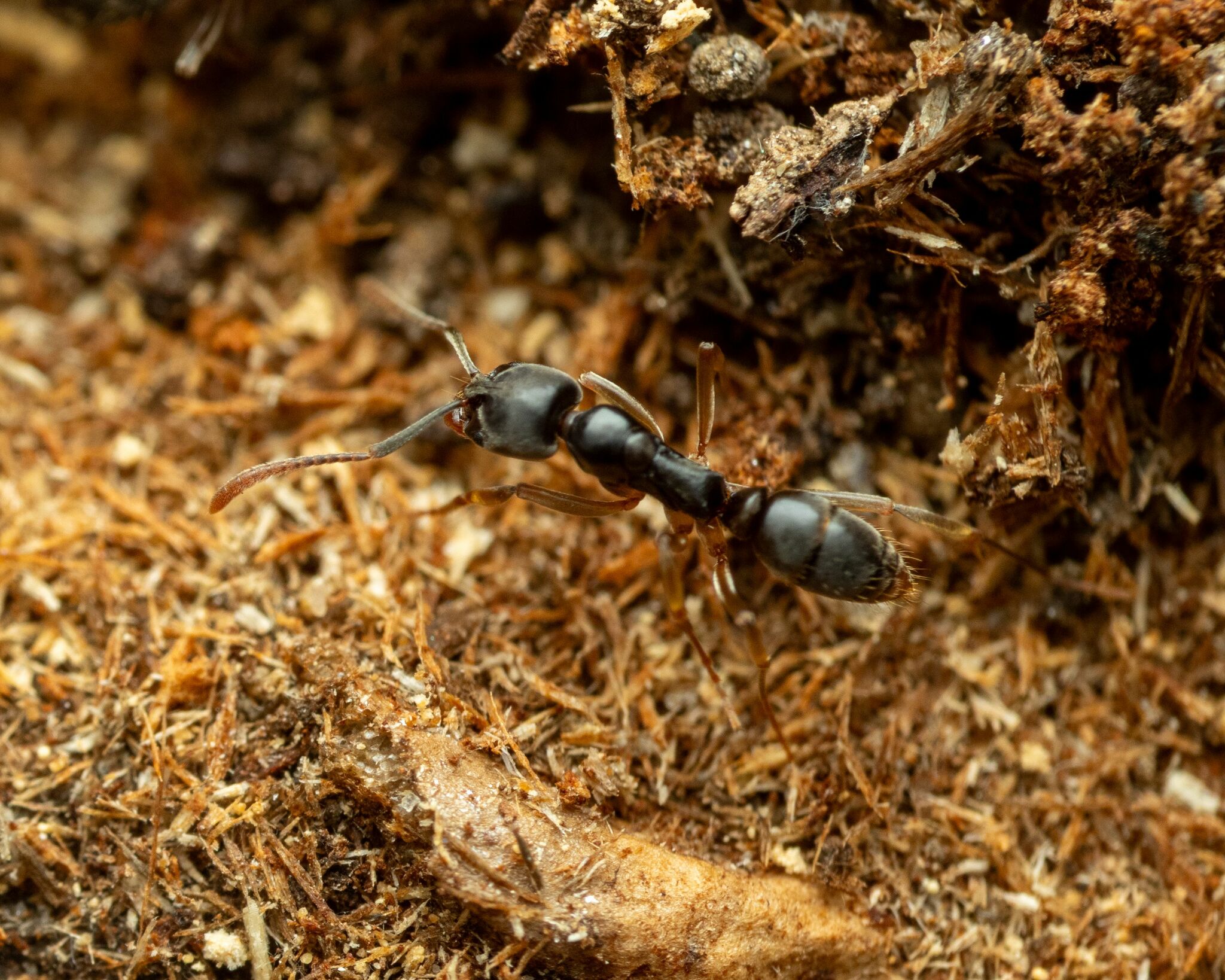
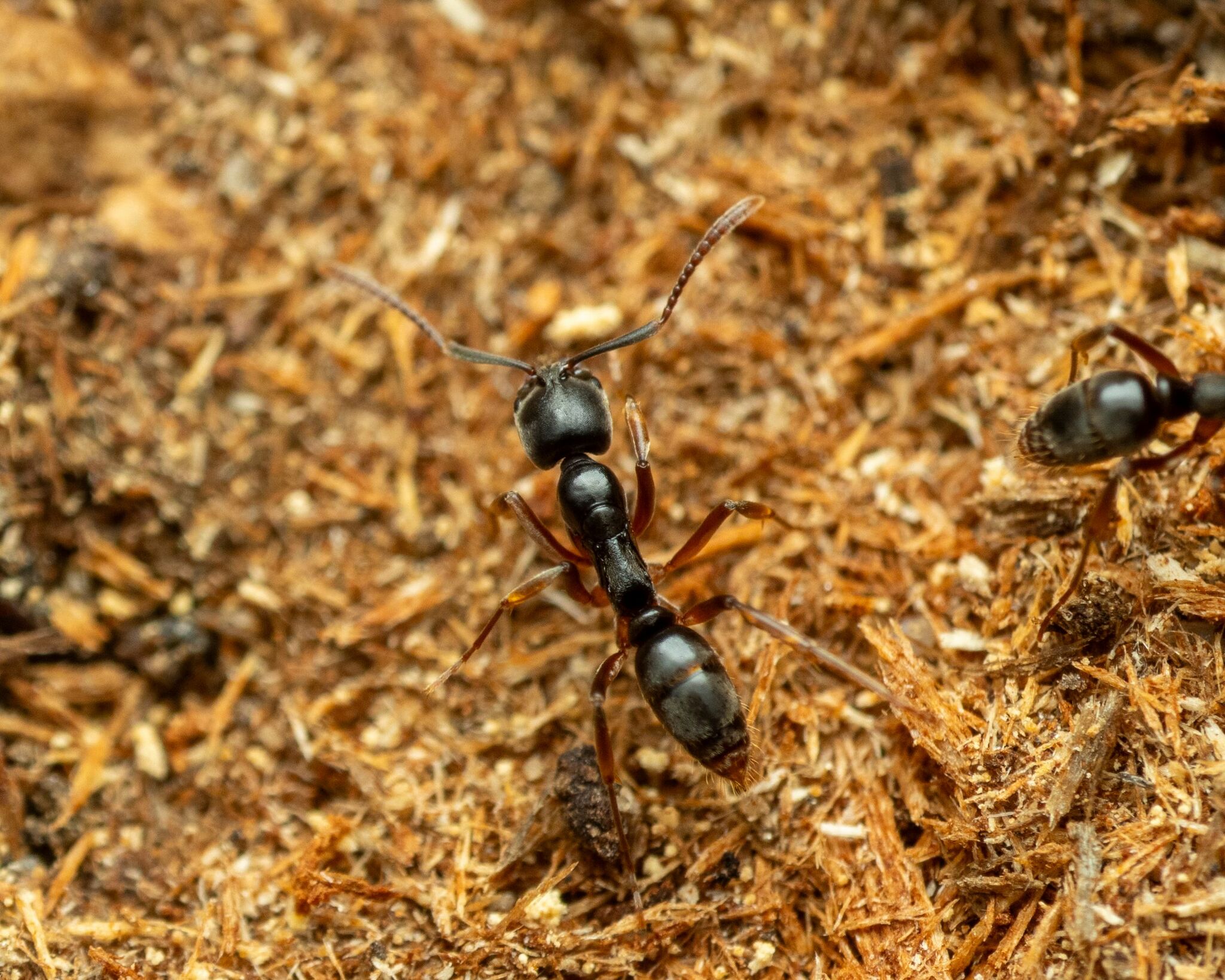
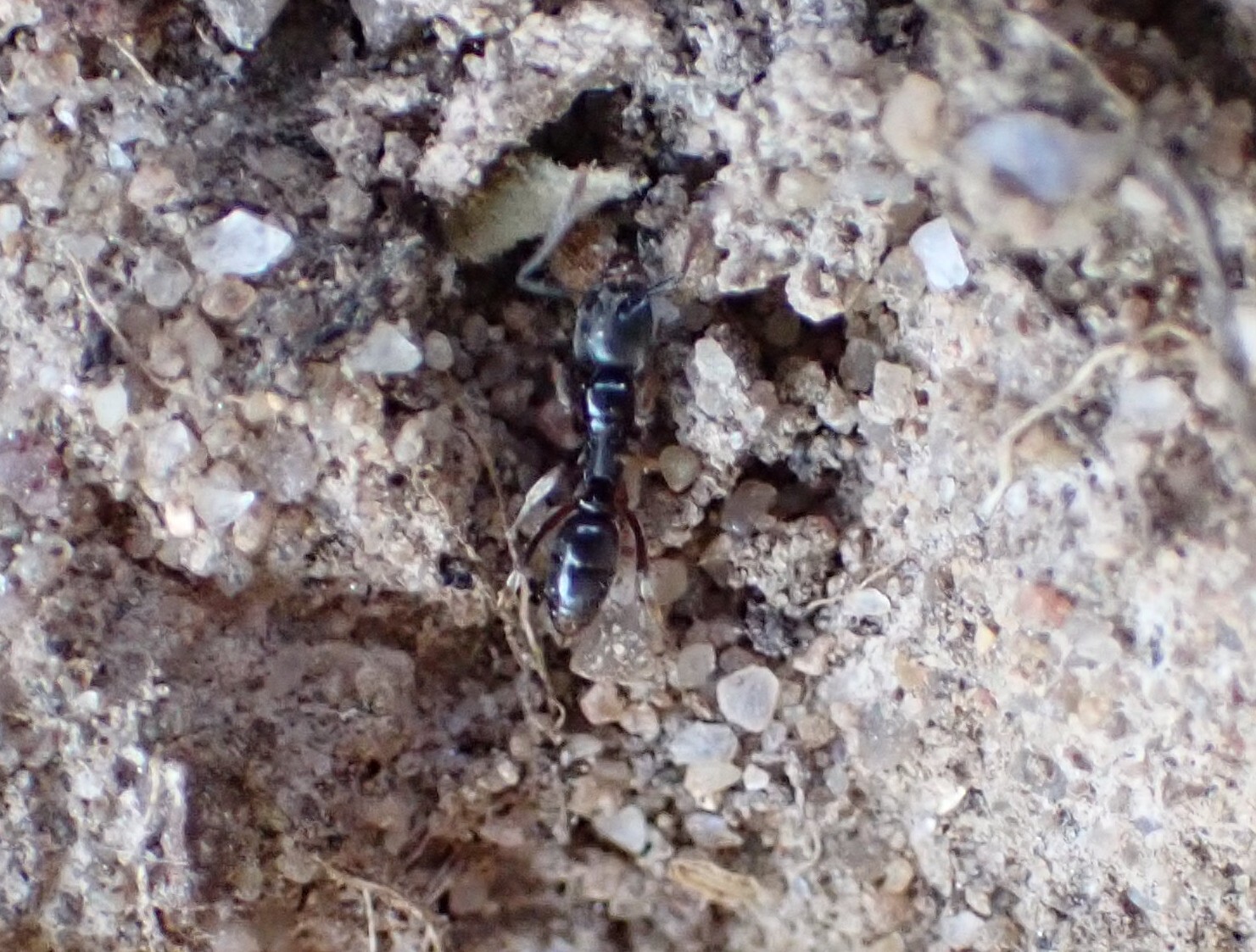
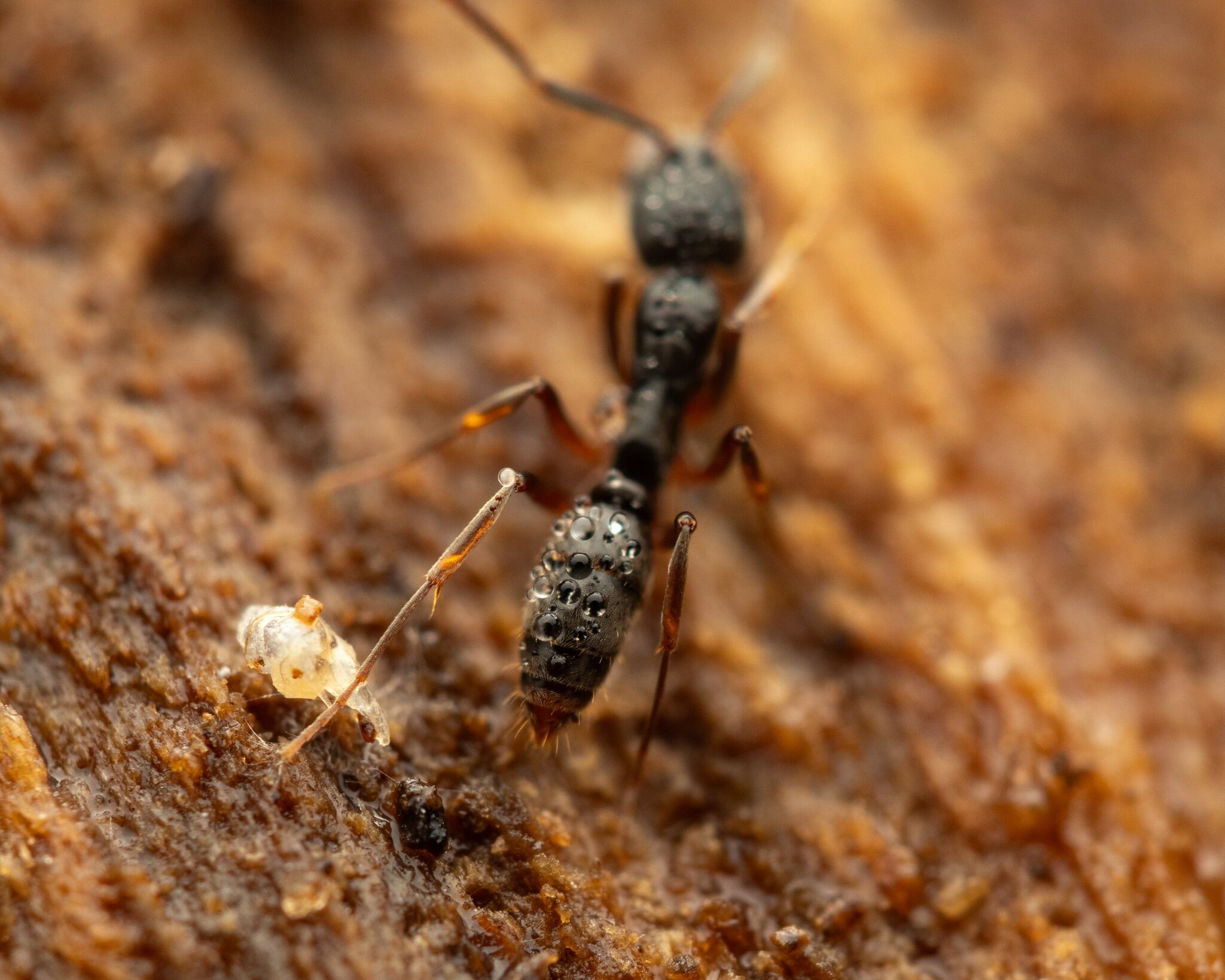
Brachyponera chinensis, the Asian needle ant, is a stinging ponerine ant native to areas of Japan and mainland Asia.[1][2] It was known as Pachycondyla chinensis, a name used in many scientific publications until 2014. The Asian needle ant was introduced to the United States[2][3] in the 1930s,[4] where it is considered an adventive and possibly invasive species. The Asian needle ant and the Argentine ant (Linepithema humile) have been competing for territory in the U.S.[5] Brachyponera chinensis has invaded North America, primarily on the east coast from Florida to Massachusetts.[1] The range of Asian needle ant extends westward to Kentucky, Tennessee, and Arkansas.[1] Sightings have been confirmed in Washington and Wisconsin, where outlier populations have been established.[1] This invasive species is of growing concern due to ecological impacts on biodiversity and medical risks to human health, via sting-induced anaphylaxis.
Habitat and biology
[edit]The native range of Brachyponera chinensis includes Japan, China, North and South Korea, Taiwan, Thailand, Vietnam, and Nepal.[1]
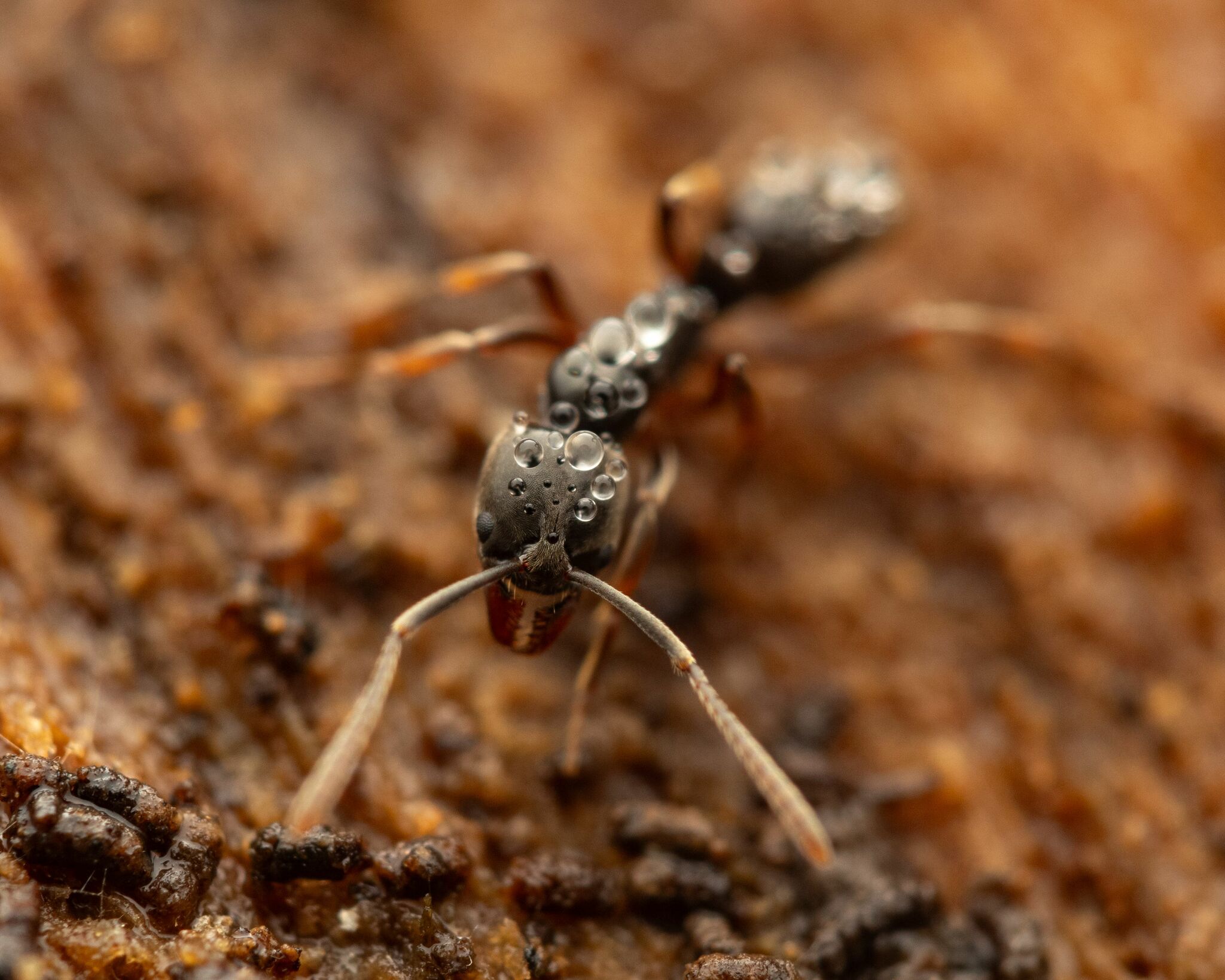
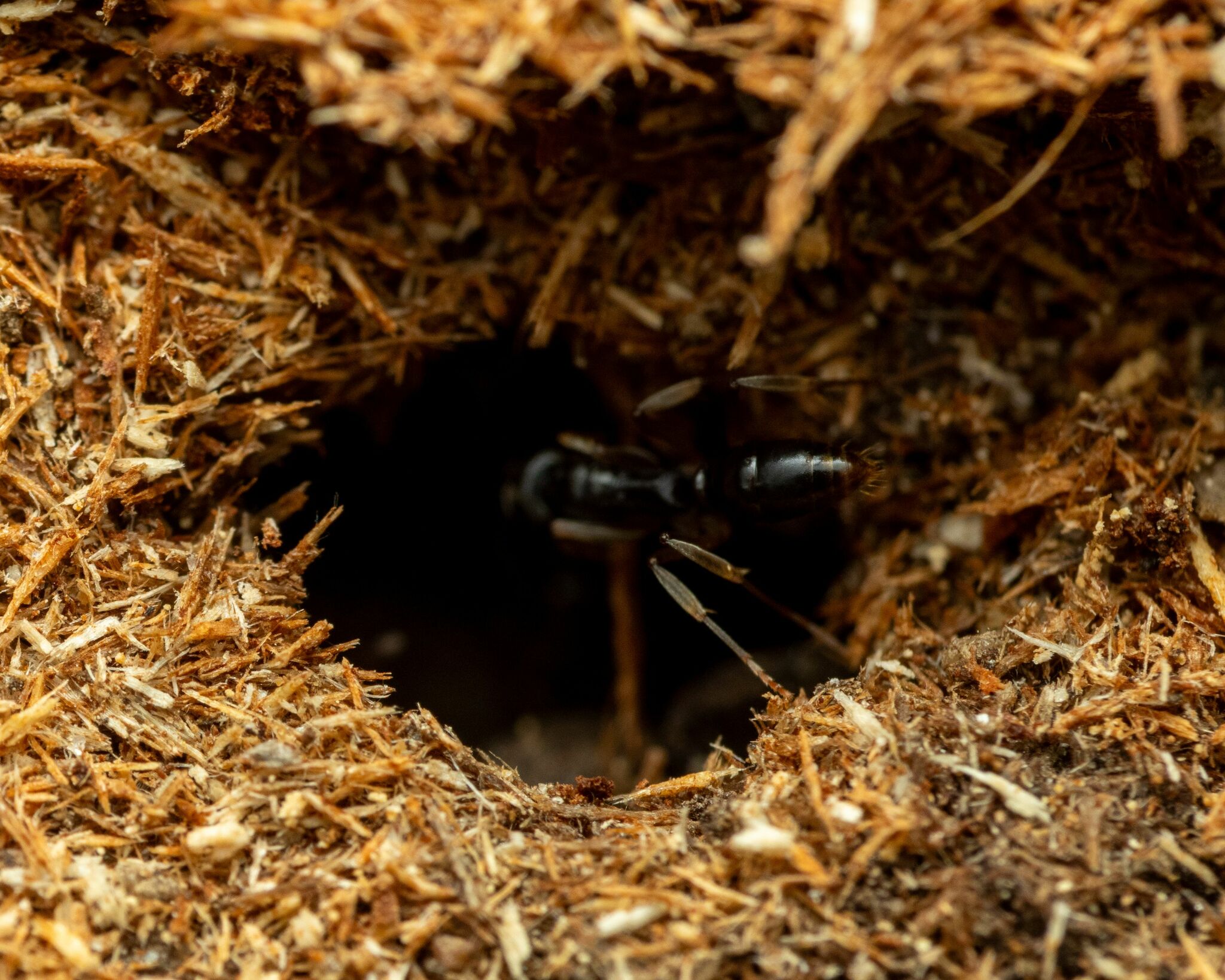
The Asian needle ant thrives in moist and shaded environments.[6] Brachyponera chinensis is commonly found in agricultural land such as rice-paddy dykes[7] in its native range. The Asian needle ant frequently makes ground nests in natural forests, preferably beneath stones, logs, or debris.[8] Brachyponera chinensis tend to occupy nests near termite colonies, as termites are a reliable food source.[9] Additionally, this species has also been found to inhabit urban areas[6] in places such as backyards or sidewalks.[10]
Behavior and social structure
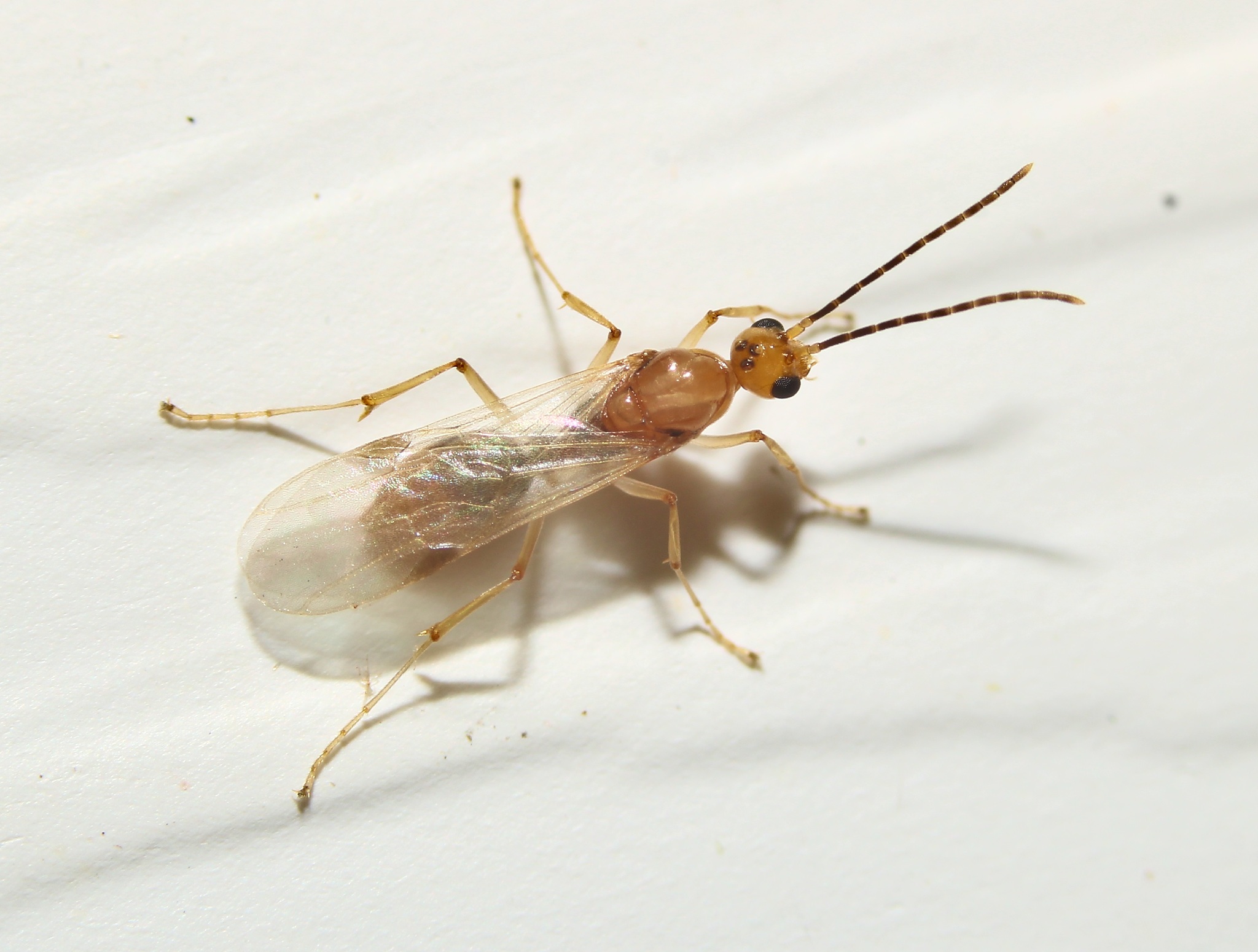
[edit]Brachyponera chinensis exhibits eusociality, with overlapping generations and division of labor within the colony. The queen ant's primary role is for reproduction, while the worker ants help to forage to preserve the colony.[11] Worker ants lack reproductive organs and cannot reproduce. Queen ants have a special pouch to store male sperm that allows them to mate once and continually reproduce over their lifespan.[12]
During emigration of nesting sites, Brachyponera chinensis split into groups to tend to the categories of scouting for new nest locations, queen-tending, and tending to the colonies offspring.[11] A recruitment strategy called adult transport is where workers carry nestmates during nest emigration.[11] Unlike many other ant species, the Asian needle ant do not rely on pheromone trails for tandem carrying but instead they likely use visual cues.[13]
Invasive potential
[edit]Brachyponera chinensis has been introduced to many parts of the world, and is considered an invasive species due to its adaptability and competitive advantages over native ant species. A pre-adaptive trait this species possesses is the ability to tolerate in-breeding and mitigate the negative effects associated with genetic bottlenecks by maintaining heterozygosity levels in colonies.[14] The Asian needle ant was likely introduced via shipping docks[15] perhaps over multiple occasions,[16] which could have allowed for hybridization.
In Germany, the species was discovered in 2025 in the zoo Wilhelma in Stuttgart.[17]
A study in North Carolina found that Brachyponera chinensis outnumbered all native ant species in most sample areas.[18] The presence of Brachyponera chinensis was also correlated with a reduction in biodiversity. Additional research on the ecological impact found the native ant species Aphaenogaster rudis was reduced by 96% in invaded areas containing the Asian needle ant.[19] These disturbances of native communities have cascading effects on a broader range of ecosystem processes.
Owing to the significant negative impacts of the ant since its introduction into the European ecosystem, the European Union has included it in the list of invasive alien species of Union concern. Hence, it cannot be imported, bred, transported, commercialized, or intentionally released into the environment in any EU member states.[20][21]
Public health impact
[edit]Studies have found that Brachyponera chinensis negatively impacts public health.[22][23][24] Although not aggressive, the Asian needle ant will sting when disturbed; its sting can be painful and leave people in distress. Allergic reactions involved with the proteins in the ant's venom can cause anaphylaxis,[25] and in some cases urticaria.[24]
As Brachyponera chinensis continues to invade more urban environments, the incidence of human encounters is likely to rise over time. Brachyponera chinensis is commonly mistaken due to its similar morphology to other ants, such as Brachyponera luteipes, Brachyponera nigrita, and Brachyponera obscurans.[26] Misidentification of the Asian needle ant can lead to lack of awareness of the consequences of its sting, which could potentially delay proper medical treatment.
References
[edit]- ^ a b c d e "antmaps.org". antmaps.org. Retrieved 7 February 2025.
- ^ a b Nelder, Mark P.; Paysen, Eric S.; Zungoli, Patricia A.; Benson, Eric P. (1 September 2006). "Emergence of the Introduced Ant Pachycondyla chinensis (Formicidae: Ponerinae) as a Public Health Threat in the Southeastern United States". Journal of Medical Entomology. 43 (5): 1094–1098. doi:10.1603/0022-2585(2006)43[1094:EOTIAP]2.0.CO;2 (inactive 30 March 2026). PMID 17017251.
{{cite journal}}: CS1 maint: DOI inactive as of March 2026 (link) - ^ "Brachyponera chinensis (Emery) 1895 [=Pachycondyla chinensis]"Asian needle ant"". mississippientomologicalmuseum.org.msstate.edu. Retrieved 7 February 2025.
- ^ Smith, M. R. (1 December 1934). "Ponerine Ants of the Genus Euponera in the United States". Annals of the Entomological Society of America. 27 (4): 557–564. doi:10.1093/aesa/27.4.557. ISSN 0013-8746.
- ^ "Battle between Ants". Scientific American. 47 (1208supp): 19364. 25 February 1899. doi:10.1038/scientificamerican02251899-19364bsupp. ISSN 0036-8733.
- ^ a b Smith, M. R. (1 December 1934). "Ponerine Ants of the Genus Euponera in the United States". Annals of the Entomological Society of America. 27 (4): 557–564. doi:10.1093/aesa/27.4.557. ISSN 0013-8746.
- ^ Brown, W. L. (1958). A review of the ants of New Zealand (Hymenoptera). Acta hymenopterologica, 1(1), 1-50.
- ^ Mackay, W., & Mackay, E. (2010). Systematics and biology of the New World ants of the genus Pachycondyla (Hymenoptera: Formicidae). Edwin Mellen Press.
- ^ Bednar, D. M.; Silverman, J. (1 November 2011). "Use of termites, Reticulitermes virginicus, as a springboard in the invasive success of a predatory ant, Pachycondyla (=Brachyponera) chinensis". Insectes Sociaux. 58 (4): 459–467. doi:10.1007/s00040-011-0163-0. ISSN 1420-9098.
- ^ Guénard, Benoit; Dunn, Robert R. (21 July 2010). Traveset, Anna (ed.). "A New (Old), Invasive Ant in the Hardwood Forests of Eastern North America and Its Potentially Widespread Impacts". PLOS ONE. 5 (7) e11614. Bibcode:2010PLoSO...511614G. doi:10.1371/journal.pone.0011614. ISSN 1932-6203. PMC 2908120. PMID 20657769.
- ^ a b c Allen, Hamilton Ross; Zungoli, Patrícia A.; Benson, Eric P.; Gerard, Patrick (27 December 2017). "Nest Emigration Behavior of the Asian Needle Ant, Brachyponera (=Pachycondyla) chinensis Emery (Hymenoptera: Formicidae)". Sociobiology. 64 (4): 430. doi:10.13102/sociobiology.v64i4.1586. ISSN 2447-8067.
- ^ Gotoh, A.; Ito, F. (1 February 2008). "Seasonal cycle of colony structure in the Ponerine ant Pachycondyla chinensis in western Japan (Hymenoptera, Formicidae)". Insectes Sociaux. 55 (1): 98–104. doi:10.1007/s00040-007-0977-y. ISSN 1420-9098.
- ^ Guénard, Benoit; Silverman, Jules (1 August 2011). "Tandem carrying, a new foraging strategy in ants: description, function, and adaptive significance relative to other described foraging strategies". Naturwissenschaften. 98 (8): 651–659. Bibcode:2011NW.....98..651G. doi:10.1007/s00114-011-0814-z. ISSN 1432-1904. PMID 21660526.
- ^ Eyer, Pierre-André; Matsuura, Kenji; Vargo, Edward L.; Kobayashi, Kazuya; Yashiro, Toshihisa; Suehiro, Wataru; Himuro, Chihiro; Yokoi, Tomoyuki; Guénard, Benoit; Dunn, Robert R.; Tsuji, Kazuki (December 2018). "Inbreeding tolerance as a pre-adapted trait for invasion success in the invasive ant Brachyponera chinensis". Molecular Ecology. 27 (23): 4711–4724. Bibcode:2018MolEc..27.4711E. doi:10.1111/mec.14910. ISSN 0962-1083. PMID 30368959.
- ^ Cottrell, Vicki (13 December 2018). "Brachyponera chinensis (Asian needle ant)". CABI Compendium. CABI Compendium 121713. doi:10.1079/cabicompendium.121713.
- ^ Guénard, Benoit; Wetterer, James K.; MacGown, Joe A. (1 December 2018). "Global and Temporal Spread of a Taxonomically Challenging Invasive ant, Brachyponera chinensis (Hymenoptera: Formicidae)". Florida Entomologist. 101 (4): 649. doi:10.1653/024.101.0402. ISSN 0015-4040.
- ^ Boudinot, Brendon E.; Palm, Benjamin; Bellersheim, Aron; Richter, Adrian; Grunicke, David; Härtel, Max P.; Haas-Renninger, Maura (27 March 2026). "BioBlitzed: The first record of Brachyponera chinensis (Emery, 1895) in Germany (Hymenoptera: Formicidae)". Zootaxa. 5785 (1): 188–194. doi:10.11646/zootaxa.5785.1.11. ISSN 1175-5334.
- ^ Guénard, Benoit; Dunn, Robert R. (21 July 2010). Traveset, Anna (ed.). "A New (Old), Invasive Ant in the Hardwood Forests of Eastern North America and Its Potentially Widespread Impacts". PLOS ONE. 5 (7) e11614. Bibcode:2010PLoSO...511614G. doi:10.1371/journal.pone.0011614. ISSN 1932-6203. PMC 2908120. PMID 20657769.
- ^ Rodriguez-Cabal, Mariano A.; Stuble, Katharine L.; Guénard, Benoit; Dunn, Robert R.; Sanders, Nathan J. (March 2012). "Disruption of ant-seed dispersal mutualisms by the invasive Asian needle ant (Pachycondyla chinensis)". Biological Invasions. 14 (3): 557–565. Bibcode:2012BiInv..14..557R. doi:10.1007/s10530-011-0097-5. ISSN 1387-3547.
- ^ "List of Invasive Alien Species of Union concern". eur-lex.europa.eu. 7 August 2025. Retrieved 30 March 2026.
- ^ "Regulation No. 1143/2014 of the European parliament and of the council of 22 October 2014 on the prevention and management of the introduction and spread of invasive alien species". Strasbourg: European Union. 4 November 2014. Archived from the original on 3 March 2017. Retrieved 30 March 2026.
- ^ Nelder, Mark P.; Paysen, Eric S.; Zungoli, Patricia A.; Benson, Eric P. (1 September 2006). "Emergence of the Introduced Ant Pachycondyla chinensis (Formicidae: Ponerinae) as a Public Health Threat in the Southeastern United States". Journal of Medical Entomology. 43 (5): 1094–1098. doi:10.1603/0022-2585(2006)43[1094:EOTIAP]2.0.CO;2 (inactive 30 March 2026). PMID 17017251.
{{cite journal}}: CS1 maint: DOI inactive as of March 2026 (link) - ^ Cho, You Sook; Lee, Young-Mok; Lee, Chang-Keun; Yoo, Bin; Park, Hae-Sim; Moon, Hee-Bom (July 2002). "Prevalence of pachycondyla chinensis venom allergy in an ant-infested area in Korea". Journal of Allergy and Clinical Immunology. 110 (1): 54–57. doi:10.1067/mai.2002.124890. ISSN 0091-6749. PMID 12110820.
- ^ a b Fukuzawa, M.; Arakura, F.; Yamazaki, Y.; Uhara, H.; Saida, T. (1 January 2002). "Urticaria and Anaphylaxis Due to Sting by an Ant ( Brachyponera chinensis )". Acta Dermato-Venereologica. 82 (1): 59. doi:10.1080/000155502753600939. ISSN 0001-5555. PMID 12013203.
- ^ Kimura, T.; Suzuki, S.; Suganuma, H.; Sato, H.; Akimoto, K.; Kashima, A.; Matsunaga, T.; Ebato, T.; Yamamoto, S.; Uno, T.; Sato, H.; Uchida, Y.; Fukuda, Y.; Ida, H.; Jinno, M.; Hirai, K.; Miyata, Y.; Honma, T.; Ota, S.; Kusumoto, S.; Watanabe, Y.; Yamamoto, M.; Tanaka, A.; Sagara, H. (2020). "A CASE OF ANAPHYLAXIS DUE TO STINGING OF a Brachyponera chinensis". Arerugi. 69 (8): 683–688. doi:10.15036/arerugi.69.683. PMID 32963192.
- ^ Guénard, Benoit; Wetterer, James K.; MacGown, Joe A. (1 December 2018). "Global and Temporal Spread of a Taxonomically Challenging Invasive ant, Brachyponera chinensis (Hymenoptera: Formicidae)". Florida Entomologist. 101 (4): 649. doi:10.1653/024.101.0402. ISSN 0015-4040.