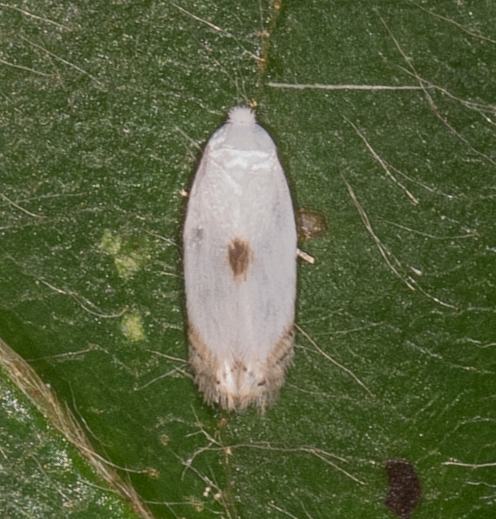
A Pseudopostega cretea in Frederick Co., Maryland (7/30/2017). Verified by Roger Downer/BAMONA.
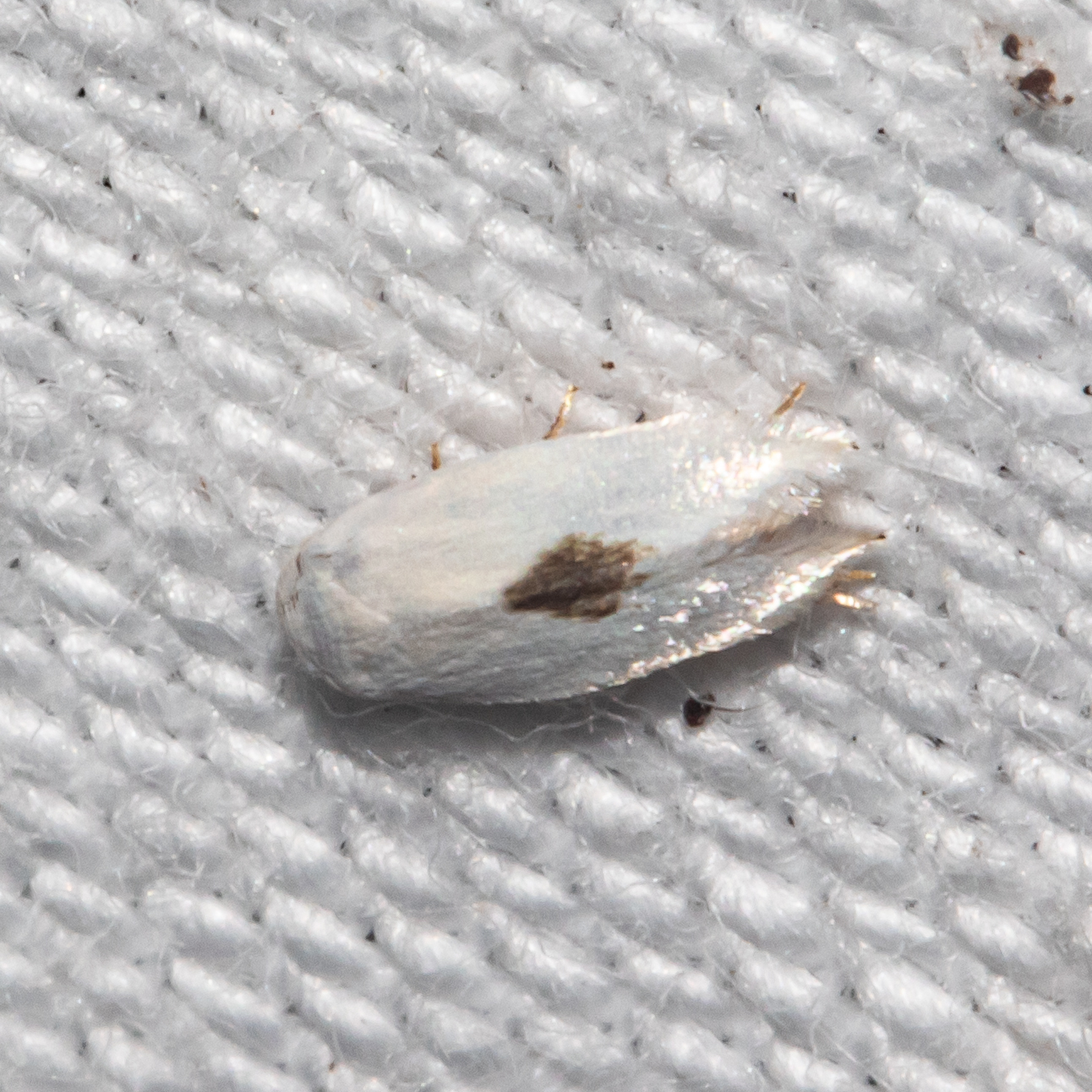
Pseudopostega cretea in Calvert Co., Maryland (7/26/2025). (c) Timothy Reichard, all rights reserved
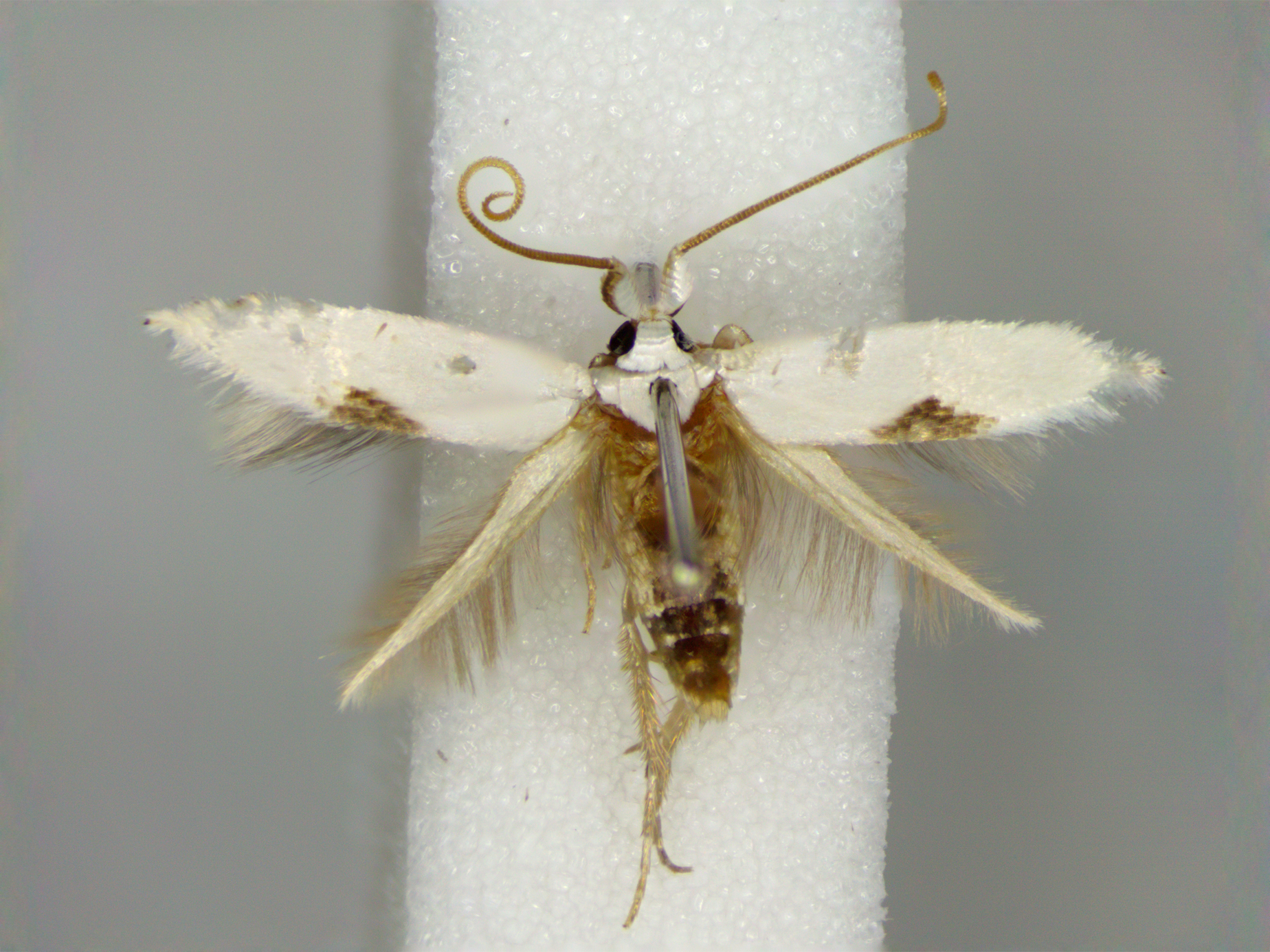
Pseudopostega cretea in Calvert Co., Maryland (7/26/2025). (c) Timothy Reichard, all rights reserved
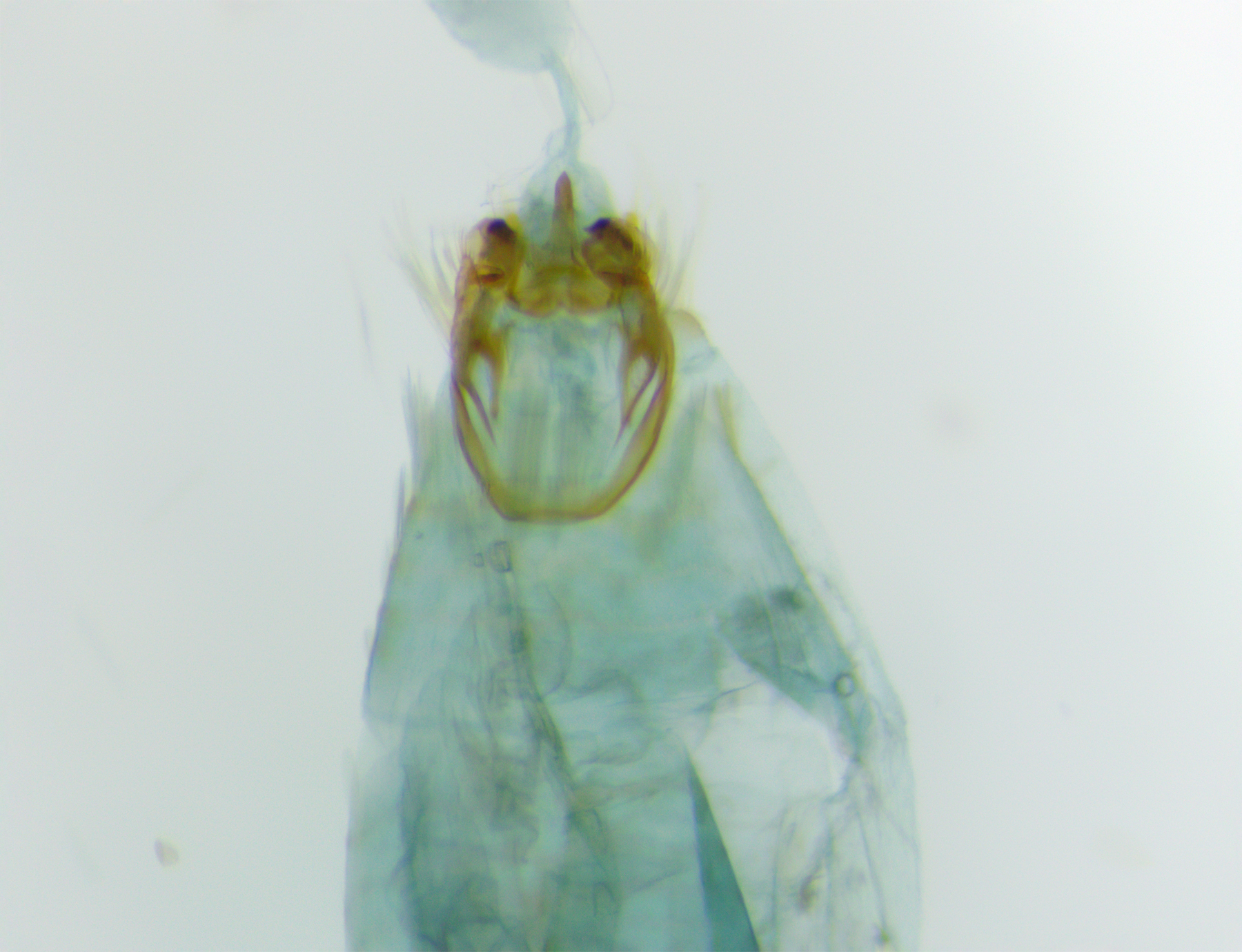
Pseudopostega cretea in Calvert Co., Maryland (7/26/2025). (c) Timothy Reichard, all rights reserved
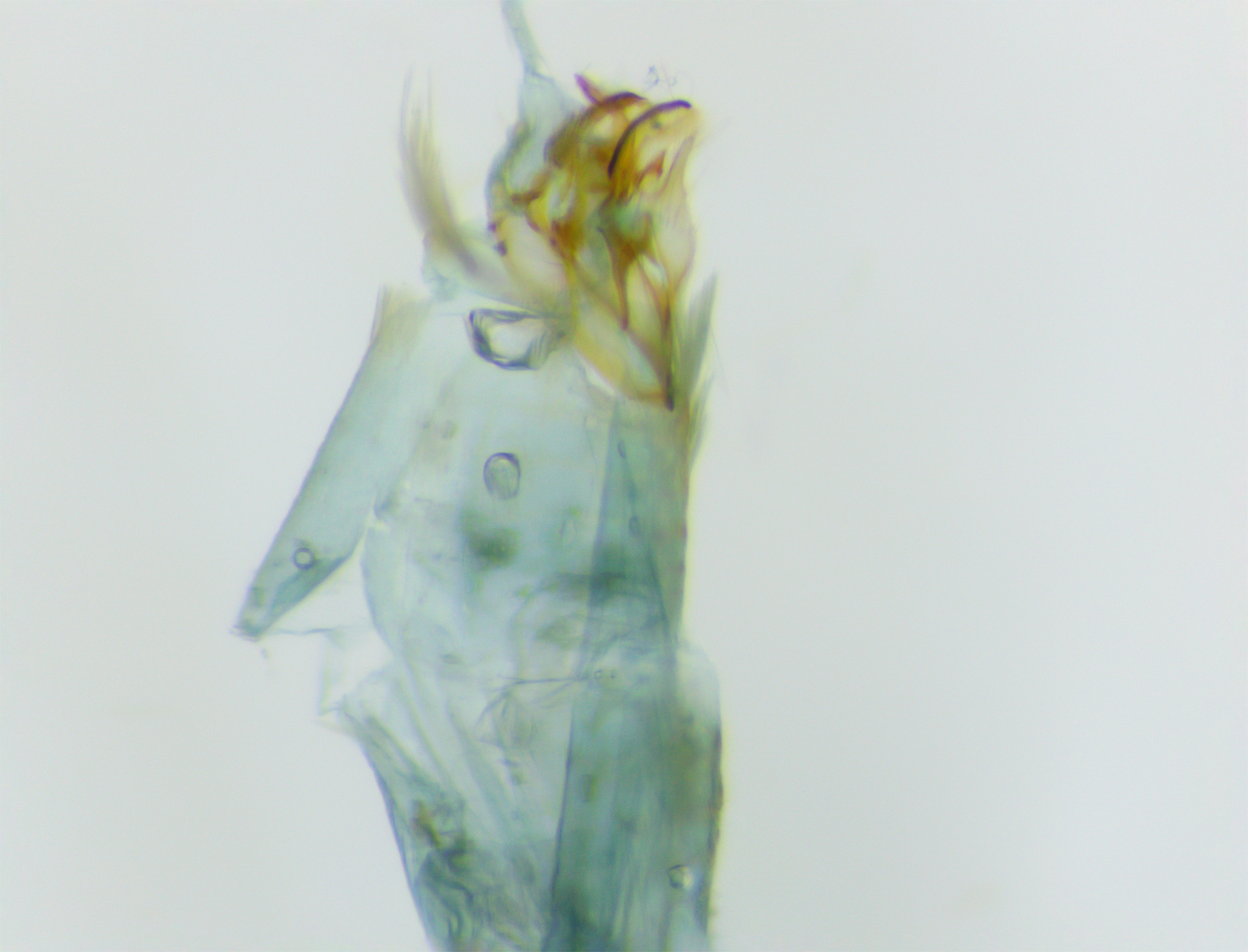
Pseudopostega cretea in Calvert Co., Maryland (7/26/2025). (c) Timothy Reichard, all rights reserved
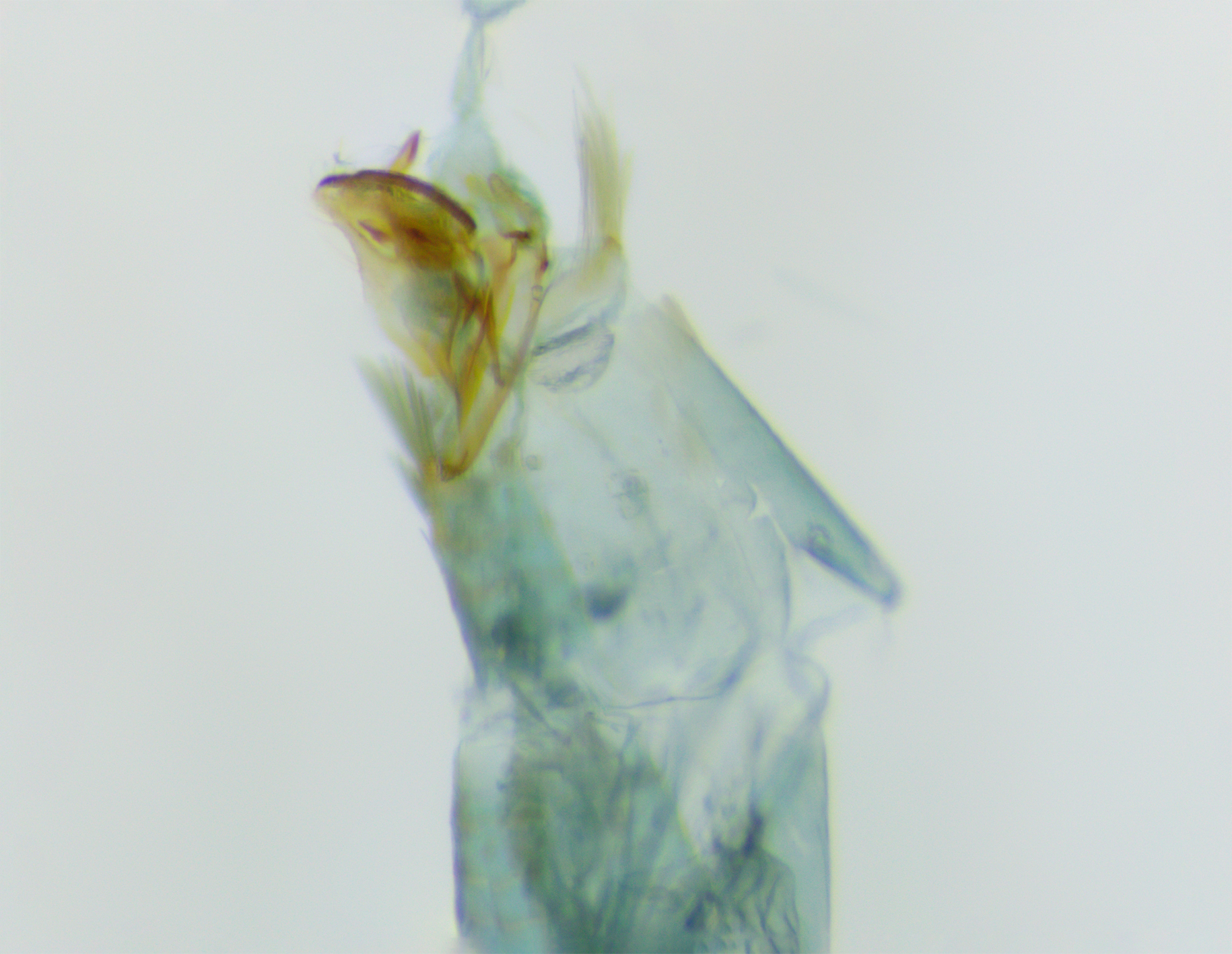
Pseudopostega cretea in Calvert Co., Maryland (7/26/2025). (c) Timothy Reichard, all rights reserved
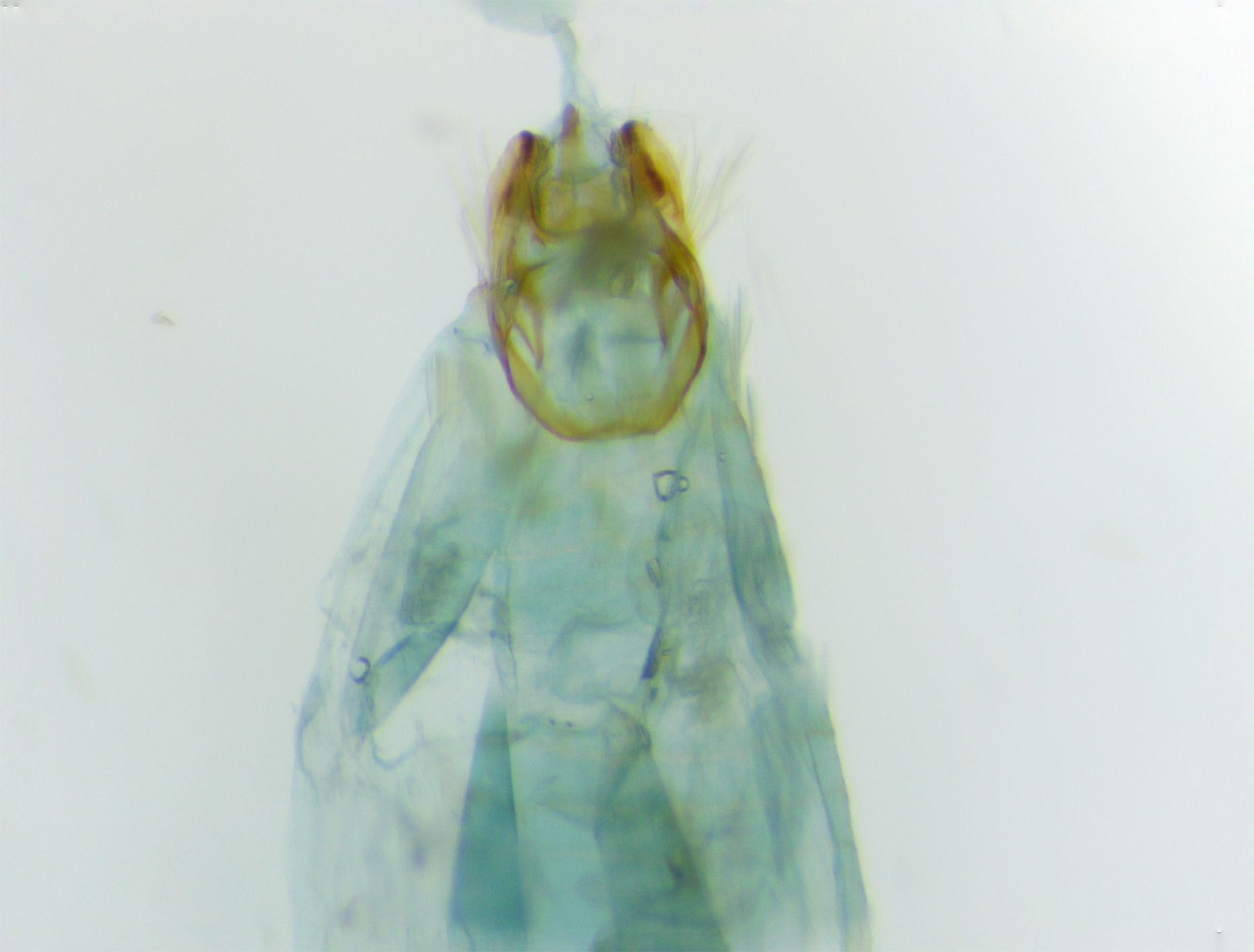
Pseudopostega cretea in Calvert Co., Maryland (7/26/2025). (c) Timothy Reichard, all rights reserved
Map Snapshot


2 Records
Citations
No citations linked for this taxon yet.
Use of media featured on Maryland
Biodiversity Project is only permitted with express permission of the
photographer.
A Pseudopostega cretea in Frederick Co., Maryland (7/30/2017). Verified by Roger Downer/BAMONA.
View Record Details
Media by
Mark Etheridge.
Pseudopostega cretea in Calvert Co., Maryland (7/26/2025). (c) Timothy Reichard, all rights reserved
View Record Details
Media by
Timothy Reichard.
Pseudopostega cretea in Calvert Co., Maryland (7/26/2025). (c) Timothy Reichard, all rights reserved
View Record Details
Media by
Timothy Reichard.
Pseudopostega cretea in Calvert Co., Maryland (7/26/2025). (c) Timothy Reichard, all rights reserved
View Record Details
Media by
Timothy Reichard.
Pseudopostega cretea in Calvert Co., Maryland (7/26/2025). (c) Timothy Reichard, all rights reserved
View Record Details
Media by
Timothy Reichard.
Pseudopostega cretea in Calvert Co., Maryland (7/26/2025). (c) Timothy Reichard, all rights reserved
View Record Details
Media by
Timothy Reichard.
Pseudopostega cretea in Calvert Co., Maryland (7/26/2025). (c) Timothy Reichard, all rights reserved
View Record Details
Media by
Timothy Reichard.
Source: Wikipedia
| Pseudopostega cretea | |
|---|---|

| |
Scientific classification 
| |
| Kingdom: | Animalia |
| Phylum: | Arthropoda |
| Clade: | Pancrustacea |
| Class: | Insecta |
| Order: | Lepidoptera |
| Family: | Opostegidae |
| Genus: | Pseudopostega |
| Species: | P. cretea
|
| Binomial name | |
| Pseudopostega cretea (Meyrick, 1920)
| |
| Synonyms | |
| |
Pseudopostega cretea is a species of moth in the family Opostegidae. It was first described by Edward Meyrick in 1920.[1] It is known from the eastern half of North America from southern Canada (including Ontario) south to northern Florida, west to south-eastern British Columbia and Texas.
The length of the forewings is 3.9–4.6 mm. Adults have been recorded from May to July (with one early August record) in the southern United States and from June to August across the northern part of its broad range.
The Moth has been observed in a variety of habitats from deciduous forest to open sand savanna.