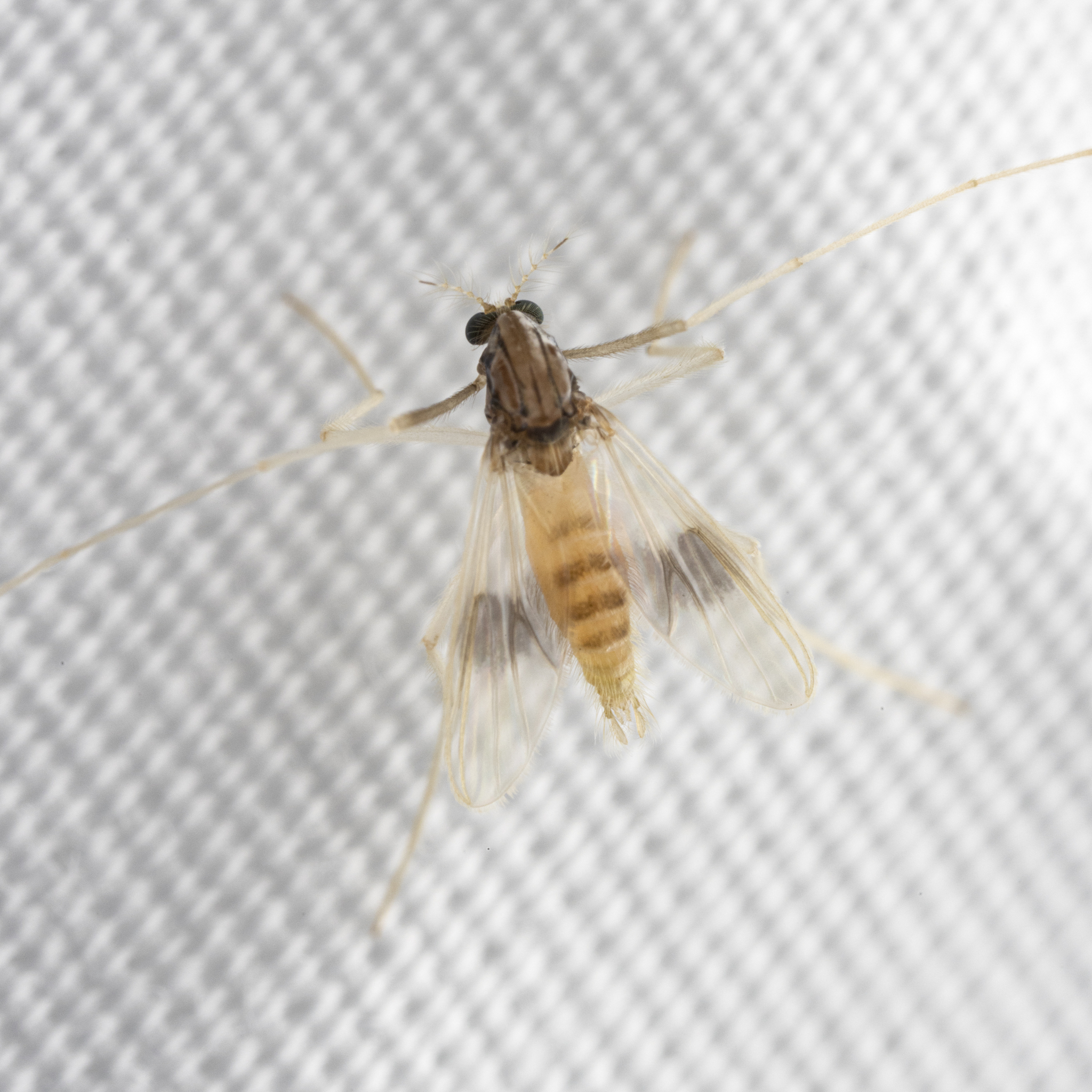
Polypedilum species in Allegany Co., Maryland (6/1/2024). (c) solomon v. hendrix, some rights reserved (CC BY-NC).
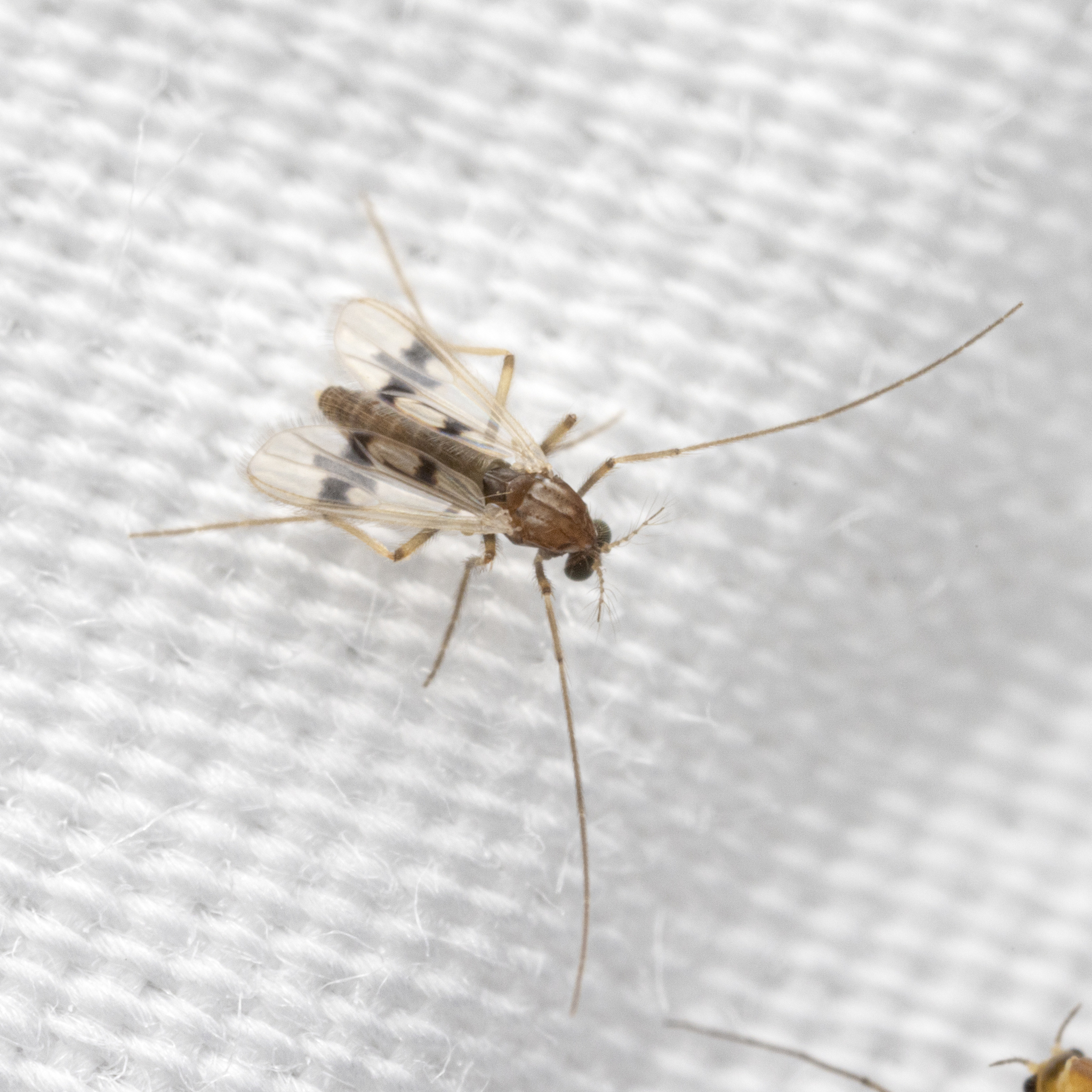
Polypedilum species in Allegany Co., Maryland (6/1/2024). (c) solomon v. hendrix, some rights reserved (CC BY-NC).
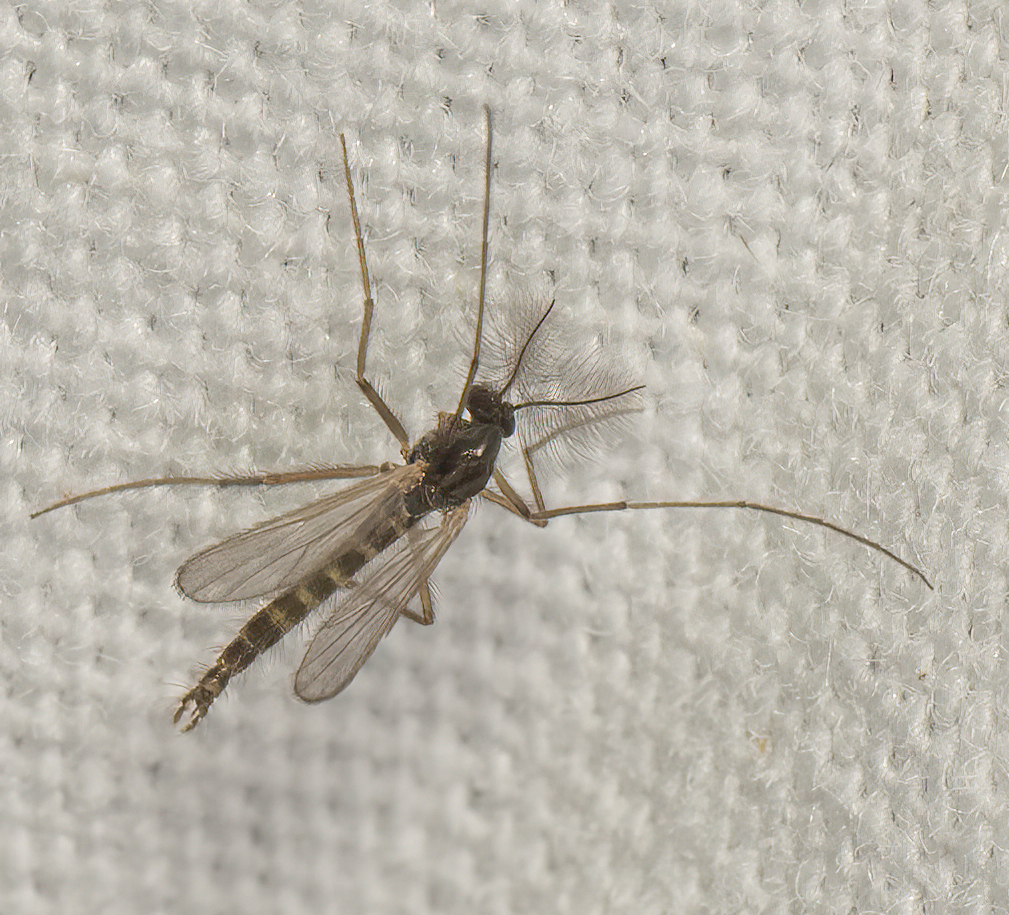
A male Polypedilum species in Montgomery Co., Maryland (6/24/2025). (c) Jim Moore (Maryland), some rights reserved (CC BY-NC).
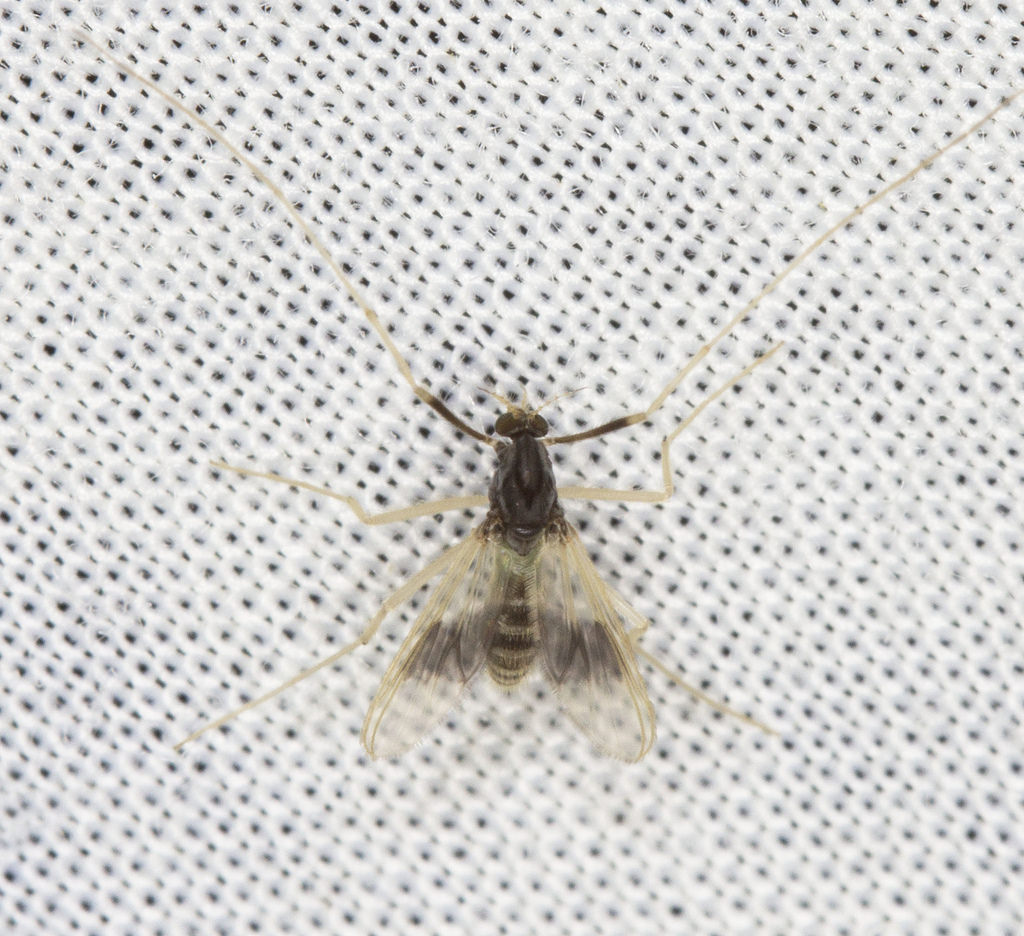
A Polypedilum species in Cecil Co., Maryland (5/25/2016). Determined by John S. Ascher/BugGuide.
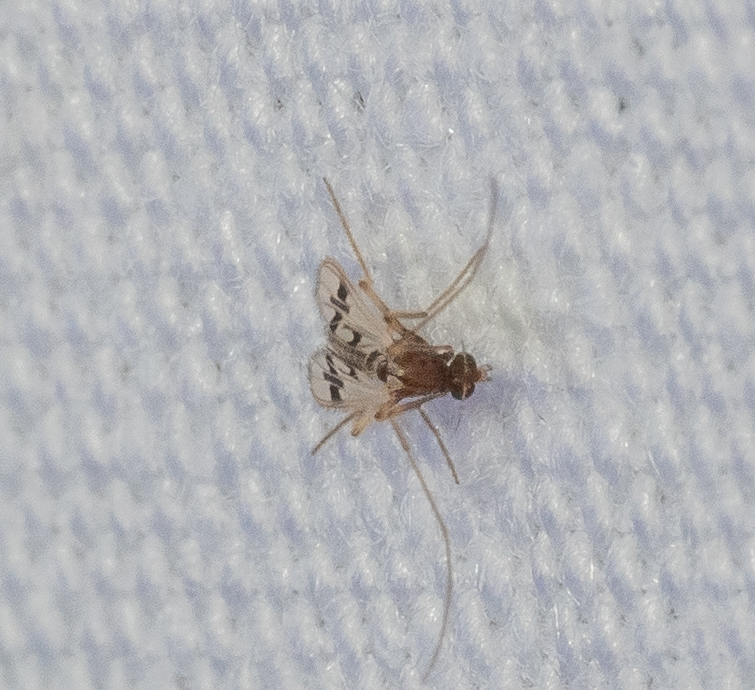
Polypedilum species in Montgomery Co., Maryland (8/4/2024). (c) Jim Moore (Maryland), some rights reserved (CC BY-NC).
Map Snapshot


8 Records
Citations
No citations linked for this taxon yet.
Use of media featured on Maryland
Biodiversity Project is only permitted with express permission of the
photographer.
Polypedilum species in Allegany Co., Maryland (6/1/2024). (c) solomon v. hendrix, some rights reserved (CC BY-NC).
View Record Details
Media by
Solomon Hendrix.
Polypedilum species in Allegany Co., Maryland (6/1/2024). (c) solomon v. hendrix, some rights reserved (CC BY-NC).
View Record Details
Media by
Solomon Hendrix.
A male Polypedilum species in Montgomery Co., Maryland (6/24/2025). (c) Jim Moore (Maryland), some rights reserved (CC BY-NC).
View Record Details
Media by
Jim Moore.
A Polypedilum species in Cecil Co., Maryland (5/25/2016). Determined by John S. Ascher/BugGuide.
View Record Details
Media by
Shannon Schade.
Polypedilum species in Montgomery Co., Maryland (8/4/2024). (c) Jim Moore (Maryland), some rights reserved (CC BY-NC).
View Record Details
Media by
Jim Moore.
Source: Wikipedia
| Polypedilum | |
|---|---|
_Figure_2.jpg)
| |
| Polypedilum huapingensis | |
Scientific classification 
| |
| Kingdom: | Animalia |
| Phylum: | Arthropoda |
| Clade: | Pancrustacea |
| Class: | Insecta |
| Order: | Diptera |
| Family: | Chironomidae |
| Subfamily: | Chironominae |
| Tribe: | Chironomini |
| Genus: | Polypedilum Kieffer, 1912 |
| Subgenera | |
| |
| Synonyms | |
| |
Polypedilum is a genus of non-biting midges in the subfamily Chironominae of the bloodworm family Chironomidae. This is probably the most species-rich of all chironomid genera. Larvae of Polypedilum may also be among the most abundant invertebrates in eutrophic ponds, reaching densities of up to 1200 larvae per square meter.[2]
Species
[edit]- Subgenus Cerobregma Zhang & Wang 1999
- P. paucisetum Zhang & Wang, 2009)
- Subgenus Pentapedilum Kieffer, 1913
- P. botiense Oyewo & Sæther, 2008[3]
- P. scirpicola (Kieffer, 1921)
- P. botosaneanui Oyewo & Sæther, 2008[3]
- P. camposense Oyewo & Sæther, 2008[3]
- P. exsectum (Kieffer, 1916)
- P. intuber Oyewo & Sæther, 2008[3]
- P. nubens (Edwards, 1929)
- P. reei Oyewo & Sæther, 2008[3]
- P. sordens (van der Wulp, 1874)
- P. tissamaharense Oyewo & Sæther, 2008[3]
- P. tritum (Walker, 1856)
- P. wittei (Freeman, 1955)
- Subgenus Polypedilum Kieffer, 1912
- P. acutum Kieffer, 1915
- P. albicorne (Meigen, 1838)
- P. albosignatum Kieffer, 1925
- P. amoenum Goetghebuer, 1930
- P. arundineti (Goetghebuer, 1921)
- P. barboyoni Serra-Tosio, 1981
- P. dudichi Berczik, 1957
- P. fallax (Johannsen, 1905)
- P. intermedium Albu & Botnariuc, 1966
- P. laetum (Meigen, 1818)
- P. lene (Becker, 1908)
- P. nubeculosum (Meigen, 1804)
- P. nubifer (Skuse, 1889)
- P. octopunctatum (Thunberg, 1784)
- P. pedestre (Meigen, 1830)
- P. vanderplanki Hinton, 1951
- P. marcondesi Pinho & Mendes, 2010[1]
- P. excelsius Townes sensu Grodhaus & Rotramel, 1980
- P. simantokeleum Sasa, Suzuki & Sakai, 1998
- P. bullum Zhang & Wang, 2004
- possibly Polypedilum longinervis (Kieffer, 1922)
- possibly Polypedilum (Uresipedilum) excelsius Townes, 1945
- Subgenus Tripodura Townes, 1945
- P. acifer Townes, 1945
- P. aegyptium Kieffer, 1925
- P. akani Bjørlo, 2001[4]
- P. amplificatus Bjørlo, 2001[4]
- P. amputatum Bjørlo, 2001[4]
- P. apfelbecki (Strobl, 1900)
- P. bicrenatum Kieffer, 1921
- P. chelum Vårdal, 2001[4]
- P. dagombae Bjørlo, 2001[4]
- P. elongatum Albu, 1980
- P. ewei Bjørlo, 2001[4]
- P. malickianum Cranston, 1989
- P. ogoouense Bjørlo, 2001[4]
- P. patulum Bjørlo, 2001[4]
- P. pulchrum Albu, 1980
- P. pullum (Zetterstedt, 1838)
- P. quadriguttatum Kieffer, 1921
- P. scalaenum (Schrank, 1803)
- P. spinalveum Vårdal, 2001[4]
- P. tetracrenatum Hirvenoja, 1962
- Subgenus Uresipedilum Oyewo & Sæther, 1998
- P. convictum (Walker, 1856)
- P. cultellatum Goetghebuer, 1931
- P. marsafae Ghonaim, Ali & Osheibah, 2005
- P. minimum Lin, Qi, Zhang & Wang, 2013[5]
See also
[edit]References
[edit]- ^ a b c Sæther, Ole A.; Andersen, Trond; Pinho, Luiz C.; Mendes, Humberto F. (2010). "The problems with Polypedilum Kieffer (Diptera: Chironomidae), with the description of Probolum subgen. n." (PDF). Zootaxa. 2497: 1–36. doi:10.11646/zootaxa.2497.1.1.
- ^ Int Panis, L; Bervoets L; Verheyen RF (1995). "The spatial distribution of Caenis horaria (L., 1758) (Caenidae, Ephemeroptera) in a pond in Niel (Belgium)". Bull. Ann. Soc. R. Ent. Belg. 131: 47–51.
- ^ a b c d e f Emmanuel Adeoye Oyewo & Ole A. Sæther (2008). Revision of Polypedilum (Pentapedilum) Kieffer and Ainuyusurika Sasa et Shirasaki (Diptera: Chironomidae). Vol. 1953. New Zealand: Magnolia Press. pp. 145 pp. ISBN 978-1-86977-300-7.
- ^ a b c d e f g h i Vårdal, H., Bjørlo, A. & Sæther, O. A. (2002). "Afrotropical Polypedilum subgenus Tripodura, with a review of the subgenus (Diptera: Chironomidae)". Zoologica Scripta. 31 (4). Wiley InterScience: 331–402. doi:10.1046/j.1463-6409.2002.00096.x. S2CID 84856055.
{{cite journal}}: CS1 maint: multiple names: authors list (link) - ^ Lin, Xiaolong; Qi, Xin; Zhang, Ruilei; Wang, Xinhua (2013). "A new species of Polypedilum (Uresipedilum) Oyewo & Sæther, 1998 from Zhejiang Province of Oriental China (Diptera, Chironomidae)". ZooKeys (320): 43–49. Bibcode:2013ZooK..320...43L. doi:10.3897/zookeys.320.5147. PMC 3744150. PMID 23950682.