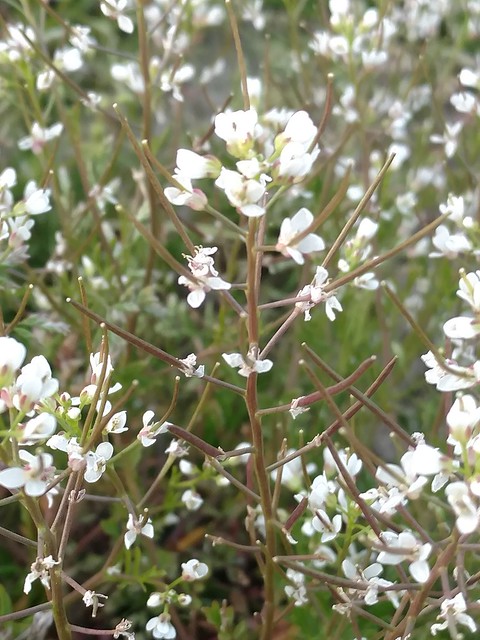
Woodland Bittercress in Talbot Co., Maryland (4/10/2019).
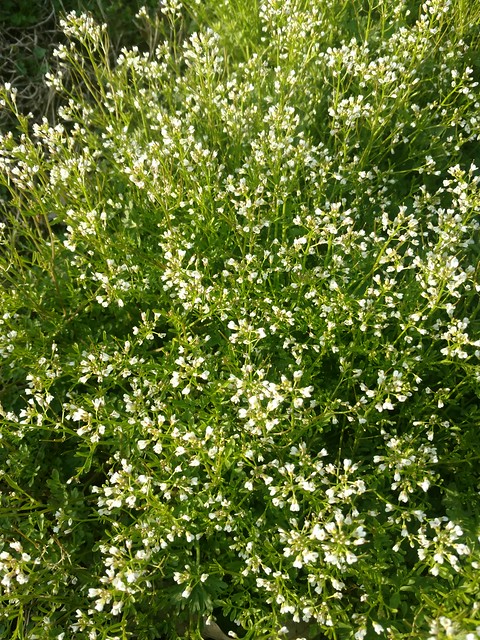
Woodland Bittercress in Caroline Co., Maryland (4/10/2019).
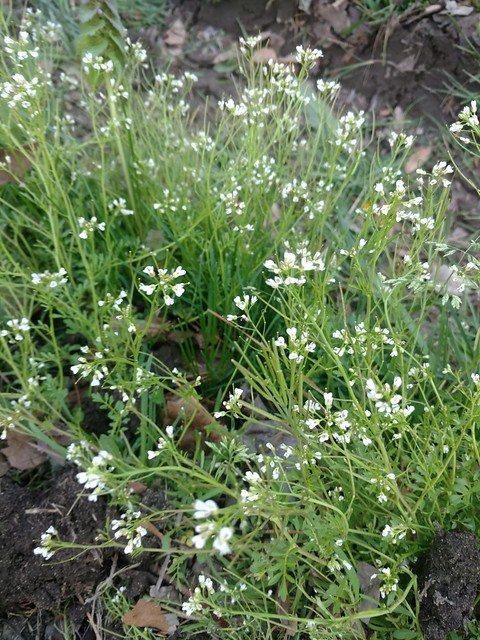
Woodland Bittercress in Dorchester Co., Maryland (4/10/2019).
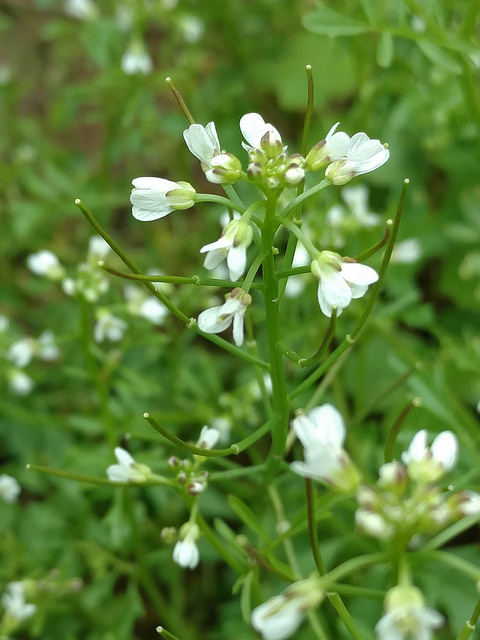
Woodland Bittercress in Talbot Co., Maryland (4/16/2018).
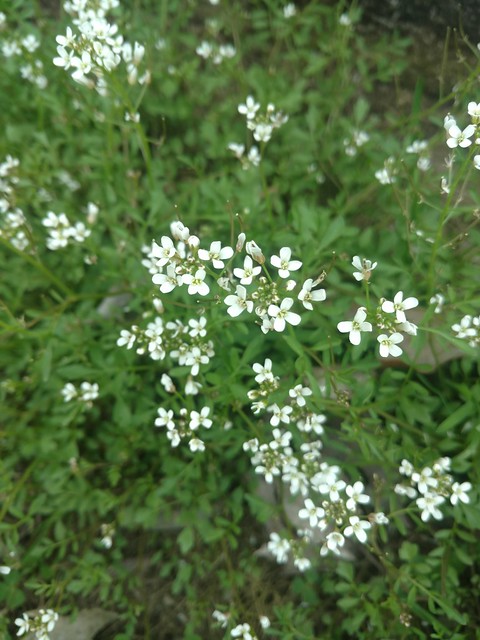
Woodland Bittercress in Dorchester Co., Maryland (4/8/2019).
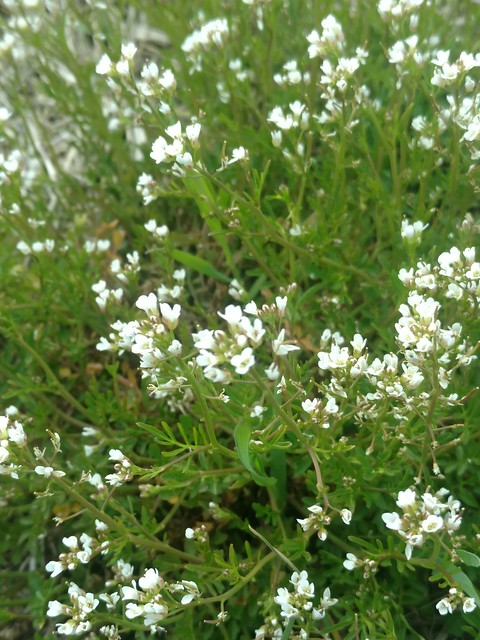
Woodland Bittercress in Caroline Co., Maryland (4/7/2019).

Hidden Bittercress in St. Mary's Co., Maryland (3/30/2020). (c) delwiche5, some rights reserved (CC BY-NC).
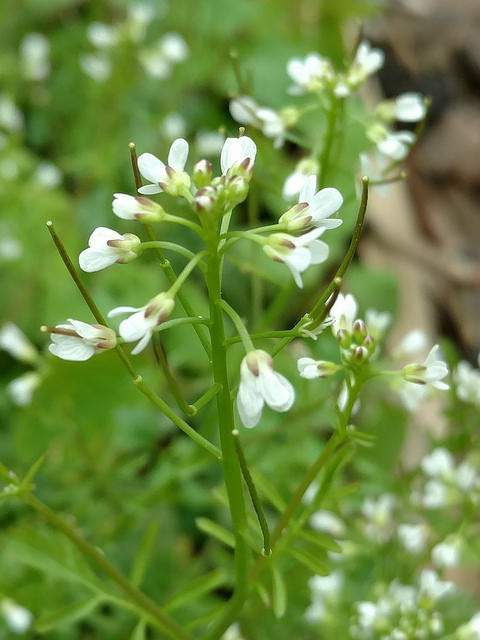
Woodland Bittercress in Talbot Co., Maryland (4/16/2018).
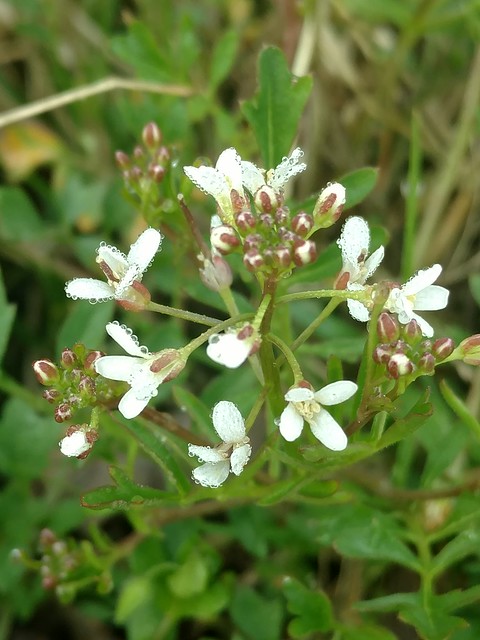
Woodland Bittercress in Caroline Co., Maryland (4/7/2019).
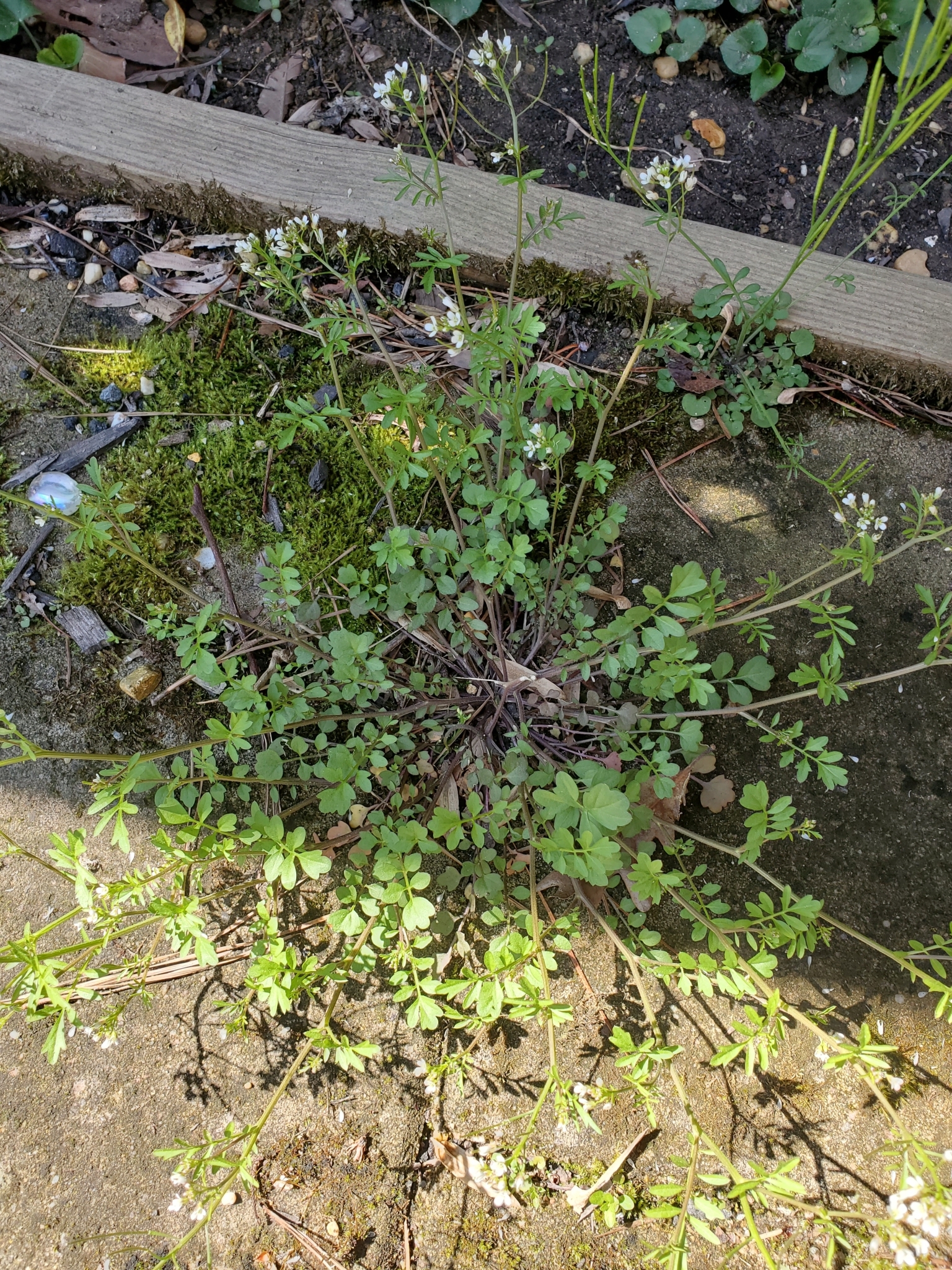
Hidden Bittercress in St. Mary's Co., Maryland (3/30/2020). (c) delwiche5, some rights reserved (CC BY-NC).
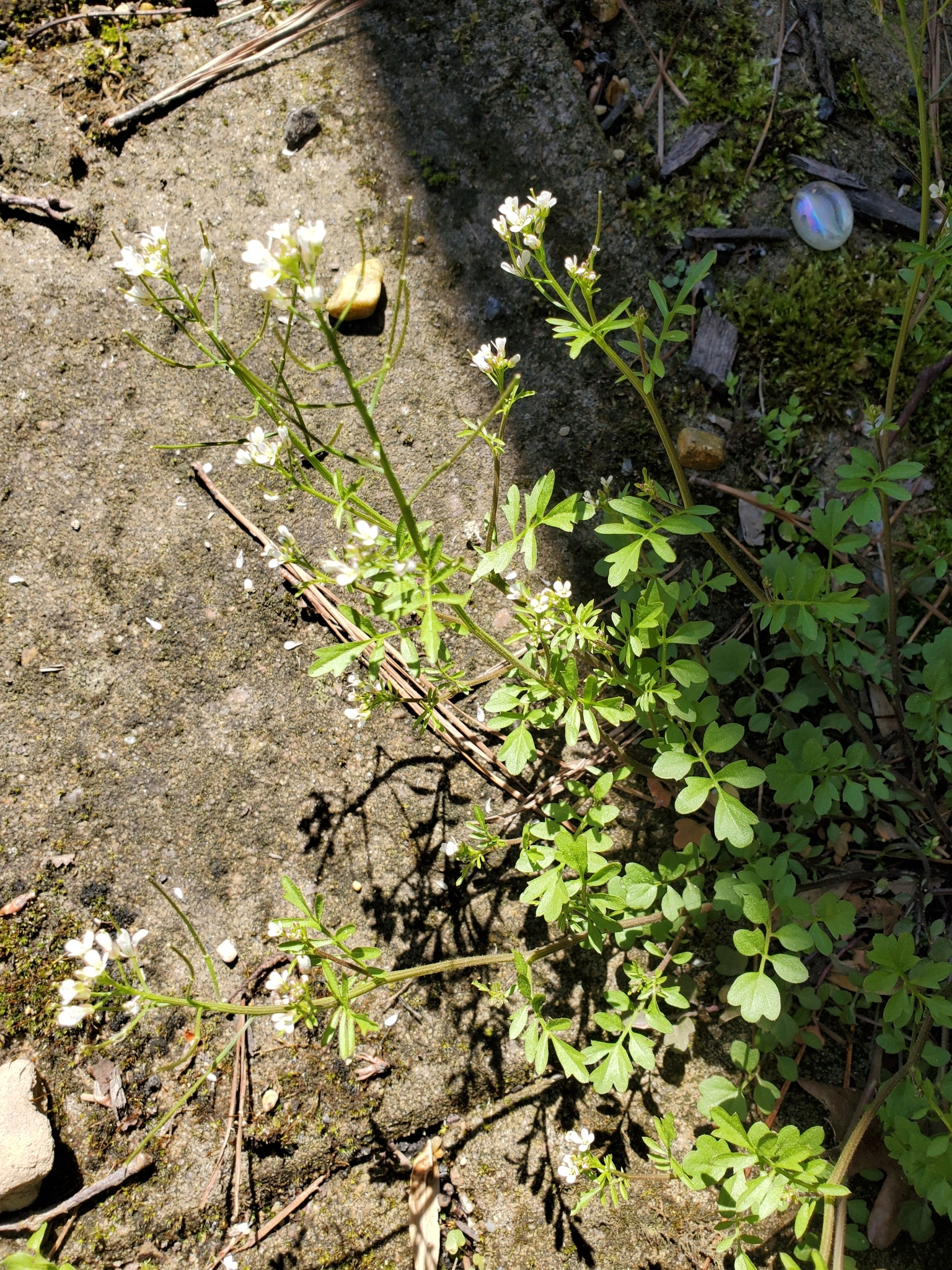
Hidden Bittercress in St. Mary's Co., Maryland (3/30/2020). (c) delwiche5, some rights reserved (CC BY-NC).
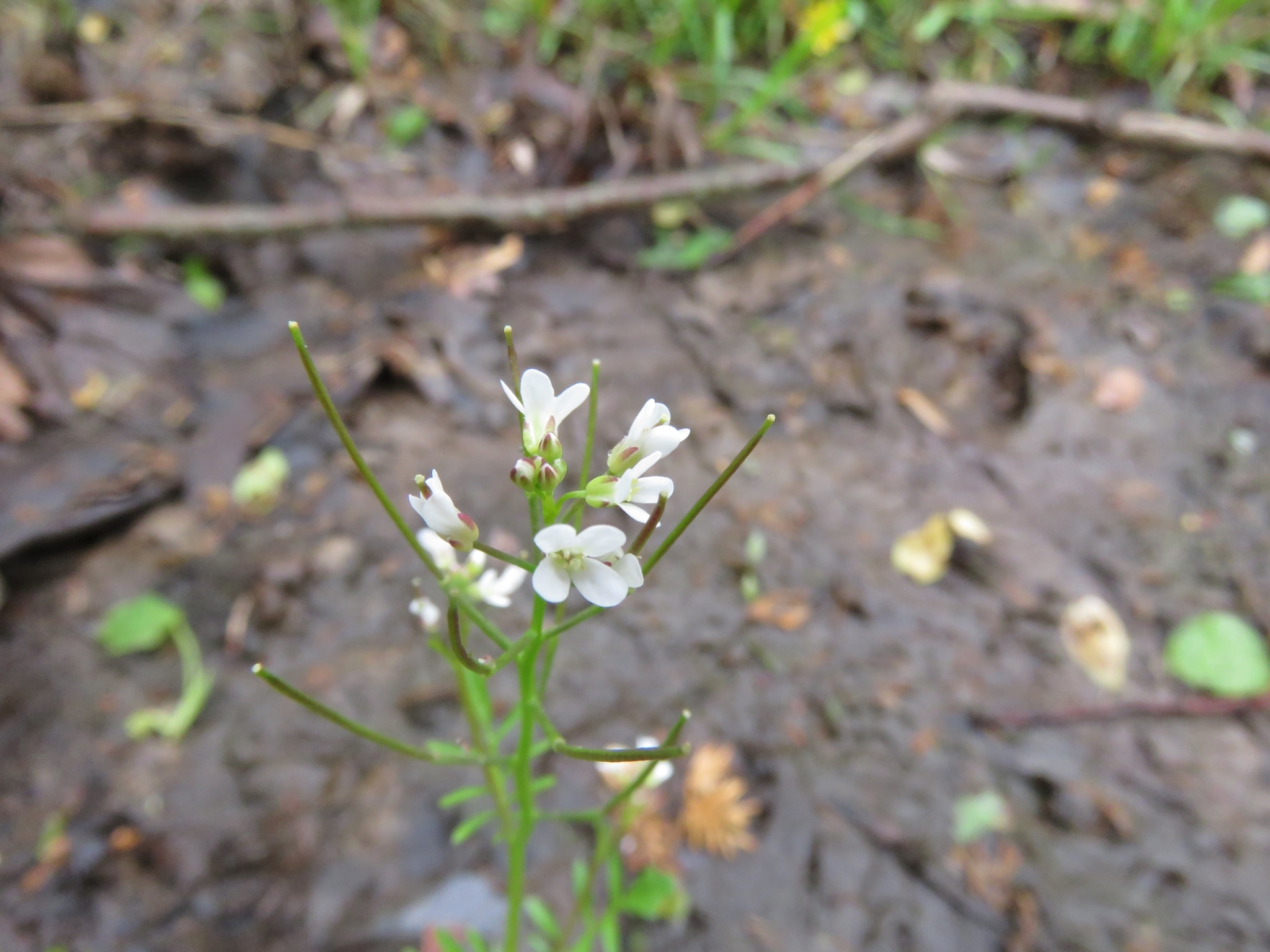
Hidden Bittercress in Montgomery Co., Maryland (4/12/2020). (c) sychen, some rights reserved (CC BY-NC).
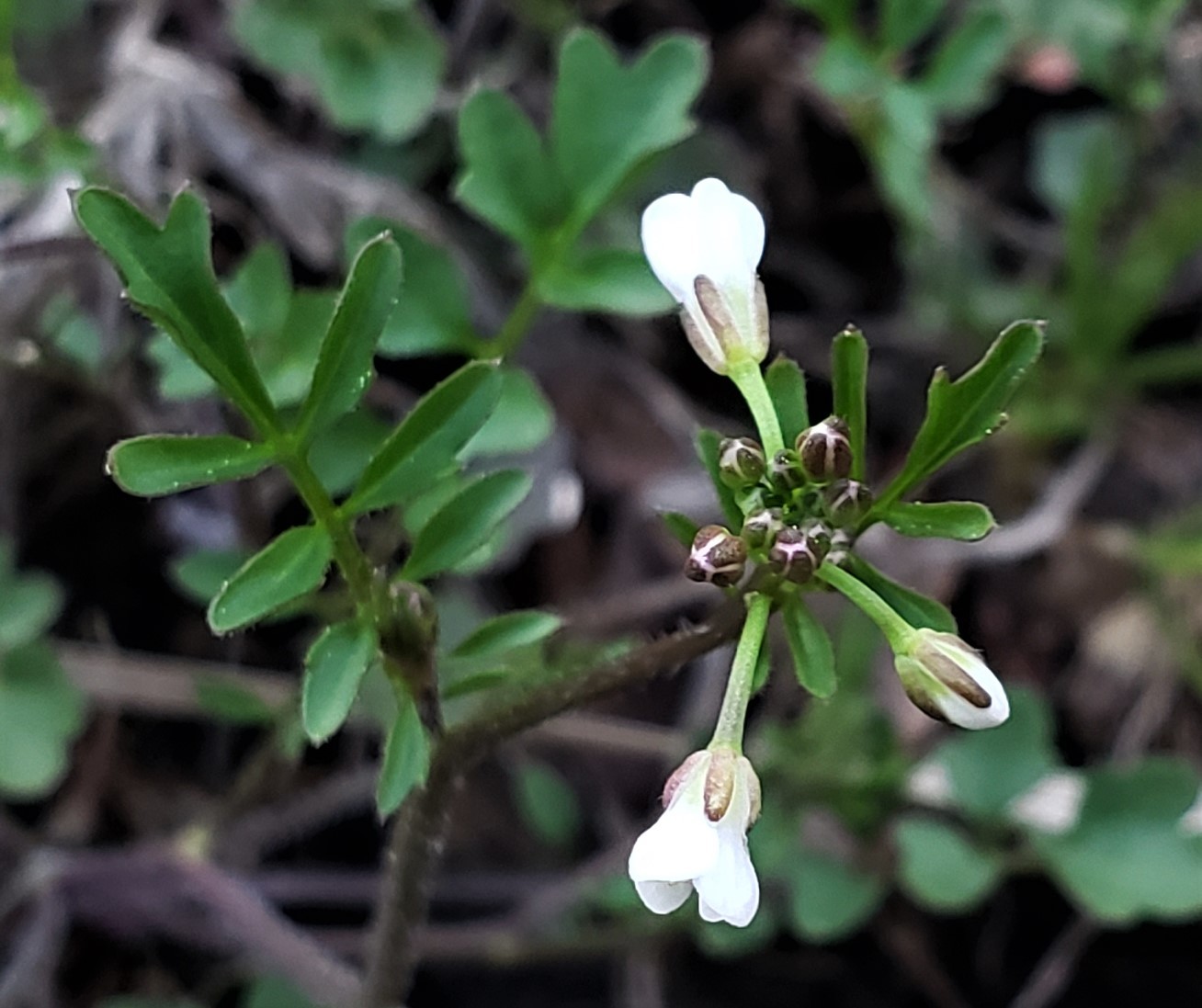
Hidden Bittercress in Anne Arundel Co., Maryland (3/20/2020). (c) Matthew Beziat, some rights reserved (CC BY-NC).
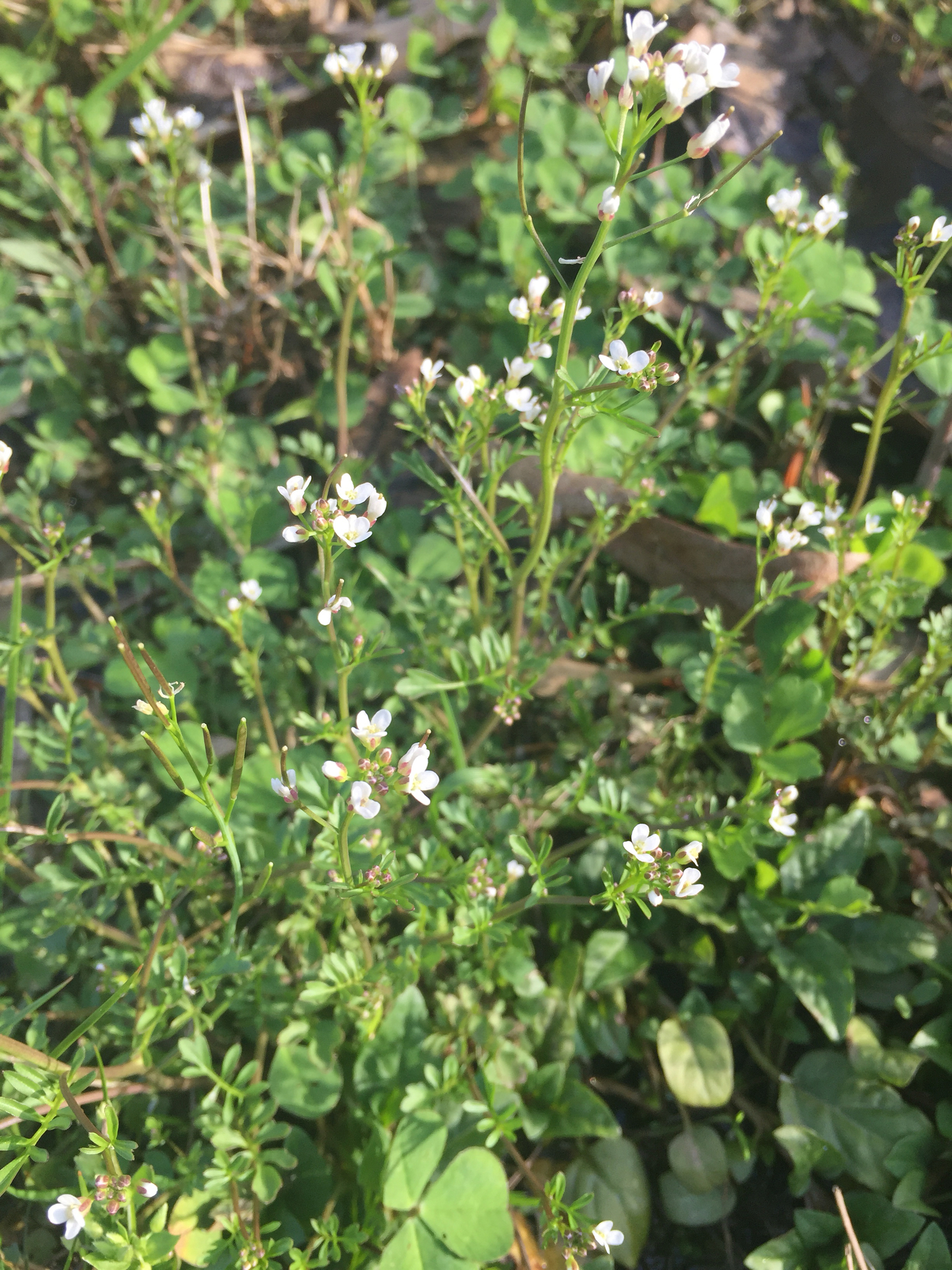
Hidden Bittercress in Prince George's Co., Maryland (4/4/2017). (c) Timothy Reichard, all rights reserved.
Map Snapshot


72 Records
Status
Hidden Bittercress is a non-native mustard from Eastern Asia that has been introduced throughout the eastern United States. In Maryland, it has been found on the Coastal Plain and Piedmont. Hidden Bittercress favors disturbed habitats, often in moist soils, like ditch edges, and low wet areas.This species has often had the European Cardamine flexuosa Withering missapplied, a taxon that now is excluded from the Maryland flora.
Description
Hidden Bittercress can be identified by having compound stem leaves with the terminal leaflets that are broader than the lateral leaflets. The stems are flexuous, which means the stems have a zig-zagging nature, unlike Pensylvania Bittercress that has straight erect stems. Narrowleaf Bittercress also has erect straight stems and acuminate leaflets.
Citations
No citations linked for this taxon yet.
Use of media featured on Maryland
Biodiversity Project is only permitted with express permission of the
photographer.
Woodland Bittercress in Talbot Co., Maryland (4/10/2019).
View Record Details
Media by
Wayne Longbottom.
Woodland Bittercress in Caroline Co., Maryland (4/10/2019).
View Record Details
Media by
Wayne Longbottom.
Woodland Bittercress in Dorchester Co., Maryland (4/10/2019).
View Record Details
Media by
Wayne Longbottom.
Woodland Bittercress in Talbot Co., Maryland (4/16/2018).
View Record Details
Media by
Wayne Longbottom.
Woodland Bittercress in Dorchester Co., Maryland (4/8/2019).
View Record Details
Media by
Wayne Longbottom.
Woodland Bittercress in Caroline Co., Maryland (4/7/2019).
View Record Details
Media by
Wayne Longbottom.
Hidden Bittercress in St. Mary's Co., Maryland (3/30/2020). (c) delwiche5, some rights reserved (CC BY-NC).
View Record Details
Media by
delwiche5 via iNaturalist.
Woodland Bittercress in Talbot Co., Maryland (4/16/2018).
View Record Details
Media by
Wayne Longbottom.
Woodland Bittercress in Caroline Co., Maryland (4/7/2019).
View Record Details
Media by
Wayne Longbottom.
Hidden Bittercress in St. Mary's Co., Maryland (3/30/2020). (c) delwiche5, some rights reserved (CC BY-NC).
View Record Details
Media by
delwiche5 via iNaturalist.
Hidden Bittercress in St. Mary's Co., Maryland (3/30/2020). (c) delwiche5, some rights reserved (CC BY-NC).
View Record Details
Media by
delwiche5 via iNaturalist.
Hidden Bittercress in Montgomery Co., Maryland (4/12/2020). (c) sychen, some rights reserved (CC BY-NC).
View Record Details
Media by
sychen via iNaturalist.
Hidden Bittercress in Anne Arundel Co., Maryland (3/20/2020). (c) Matthew Beziat, some rights reserved (CC BY-NC).
View Record Details
Media by
Matthew Beziat.
Hidden Bittercress in Prince George's Co., Maryland (4/4/2017). (c) Timothy Reichard, all rights reserved.
View Record Details
Media by
Timothy Reichard.
Source: Wikipedia
| Cardamine occulta | |
|---|---|

| |
| Inflorescence | |

| |
| Habit | |
Scientific classification 
| |
| Kingdom: | Plantae |
| Clade: | Tracheophytes |
| Clade: | Angiosperms |
| Clade: | Eudicots |
| Clade: | Rosids |
| Order: | Brassicales |
| Family: | Brassicaceae |
| Genus: | Cardamine |
| Species: | C. occulta
|
| Binomial name | |
| Cardamine occulta | |
| Synonyms[1] | |
|
List
| |
Cardamine occulta, the hidden bittercress, is a species of flowering plant in the family Brassicaceae, native to the Indian Subcontinent, China, Taiwan, Southeast Asia, most of Malesia, and Japan.[2][1] It has been introduced many locales around the world, including most of Europe, the South Island of New Zealand, central Mexico, Costa Rica, El Salvador, Cuba, the US state of Maryland, and Newfoundland.[1] An annual or biennial, it is typically found in ruderal situations.[2]
References
[edit]- ^ a b c "Cardamine occulta Hornem". Plants of the World Online. Royal Botanic Gardens, Kew. Retrieved 5 May 2024.
- ^ a b Keener, B.R.; Diamond, A.R.; Barger, T.W.; Davenport, L.J.; Davison, P.G.; Ginzbarg, S.L.; Hansen, C.J.; Spaulding, D.D.; Triplett, J.K.; Woods, M. (3 May 2024). "Cardamine occulta". Alabama Plant Atlas. University of South Florida, University of West Alabama. Retrieved 5 May 2024.
 | This Brassicaceae article is a stub. You can help Wikipedia by adding missing information. |