

Map Snapshot


140 Records
Status
Description
Citations
No citations linked for this taxon yet.
Source: Wikipedia
 | This article includes a list of general references, but it lacks sufficient corresponding inline citations. (October 2013) |
| Cardamine pensylvanica | |
|---|---|

| |
Scientific classification 
| |
| Kingdom: | Plantae |
| Clade: | Tracheophytes |
| Clade: | Angiosperms |
| Clade: | Eudicots |
| Clade: | Rosids |
| Order: | Brassicales |
| Family: | Brassicaceae |
| Genus: | Cardamine |
| Species: | C. pensylvanica
|
| Binomial name | |
| Cardamine pensylvanica | |

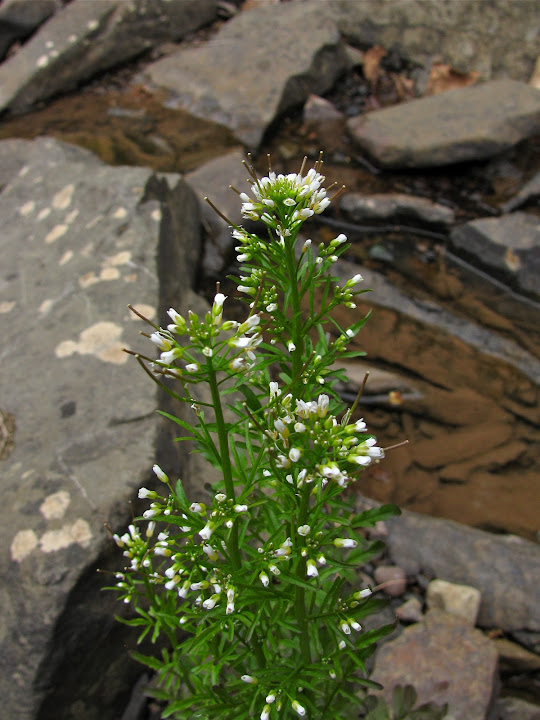
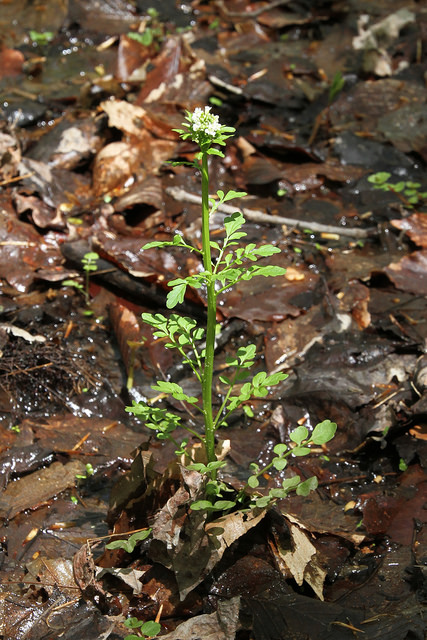
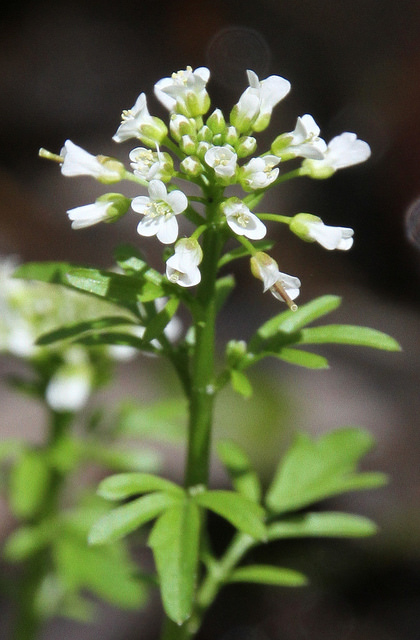
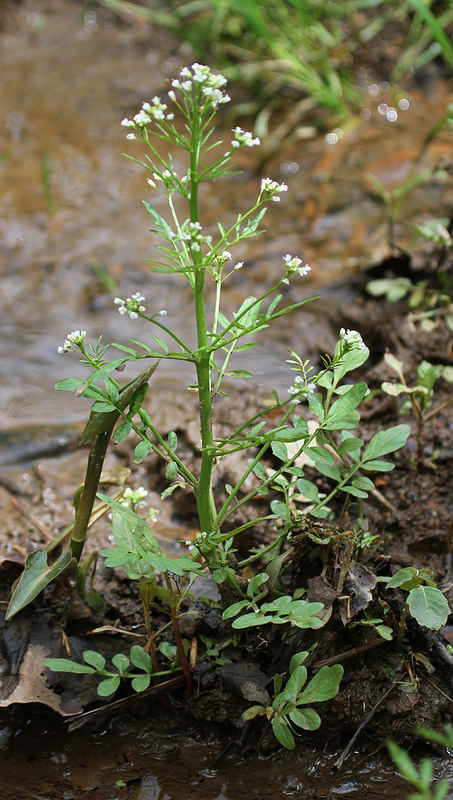
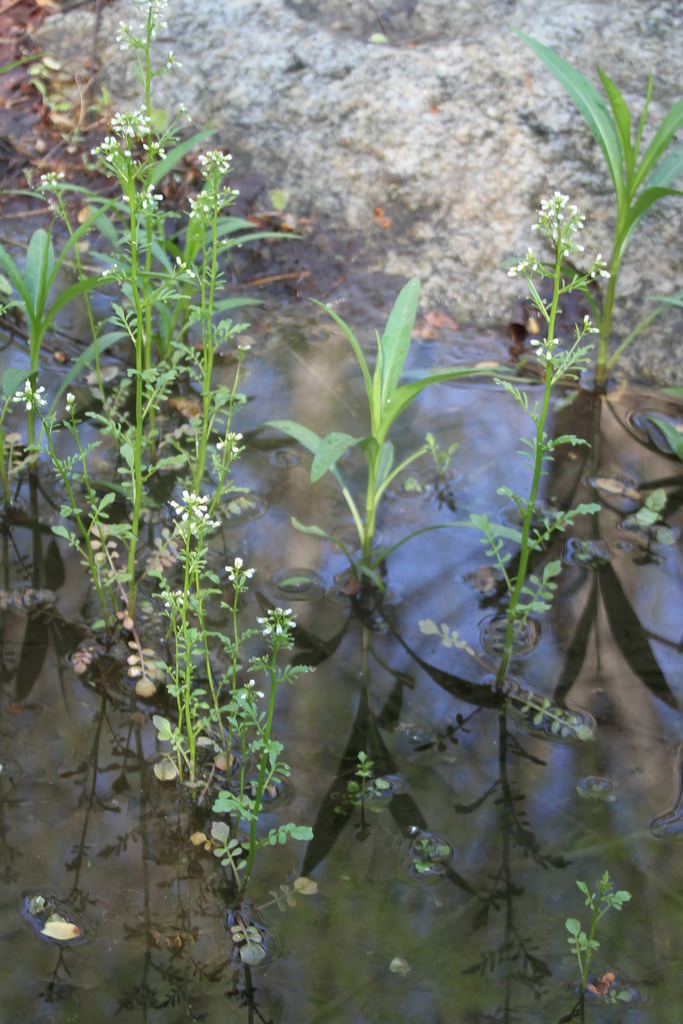
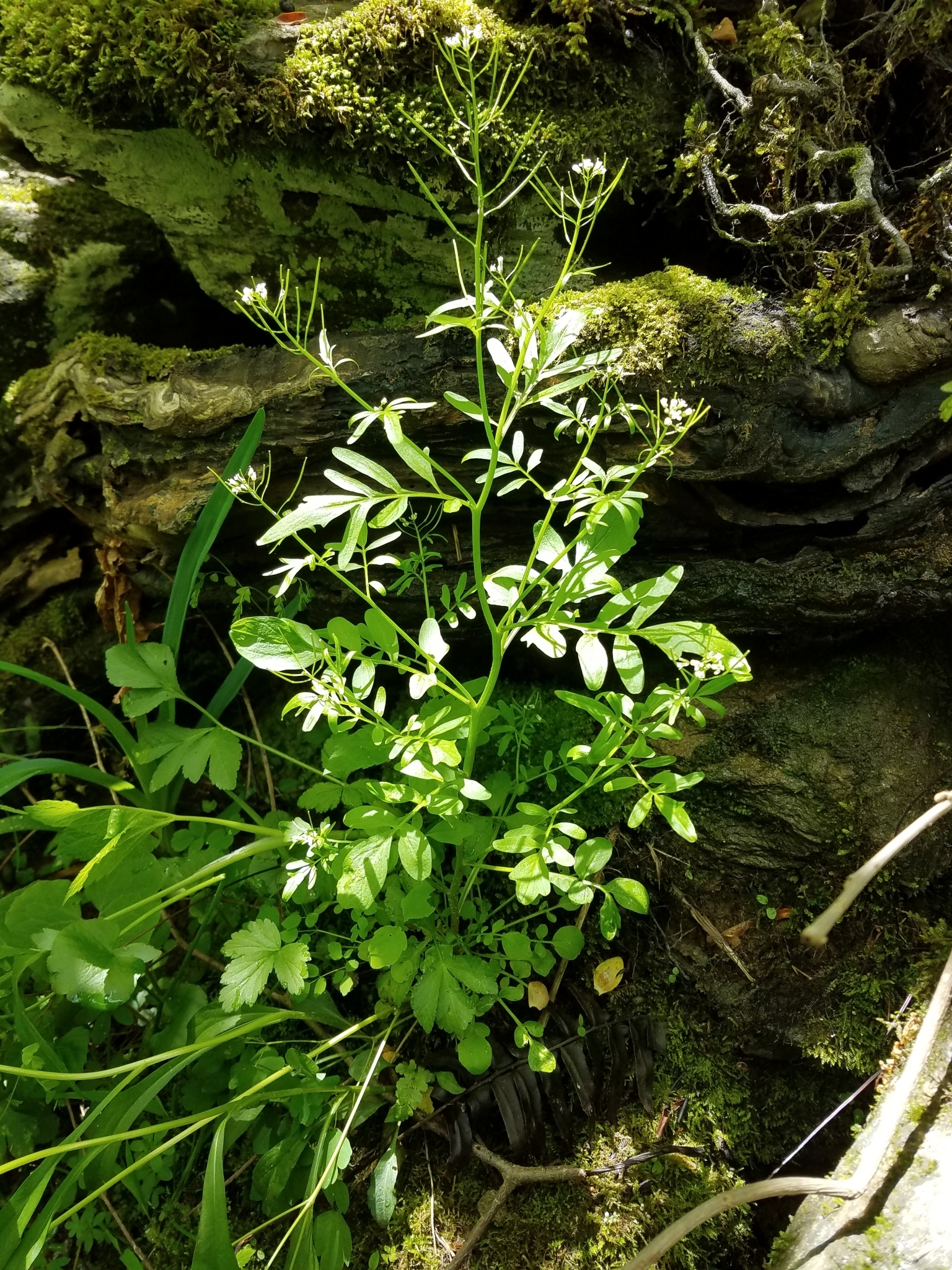
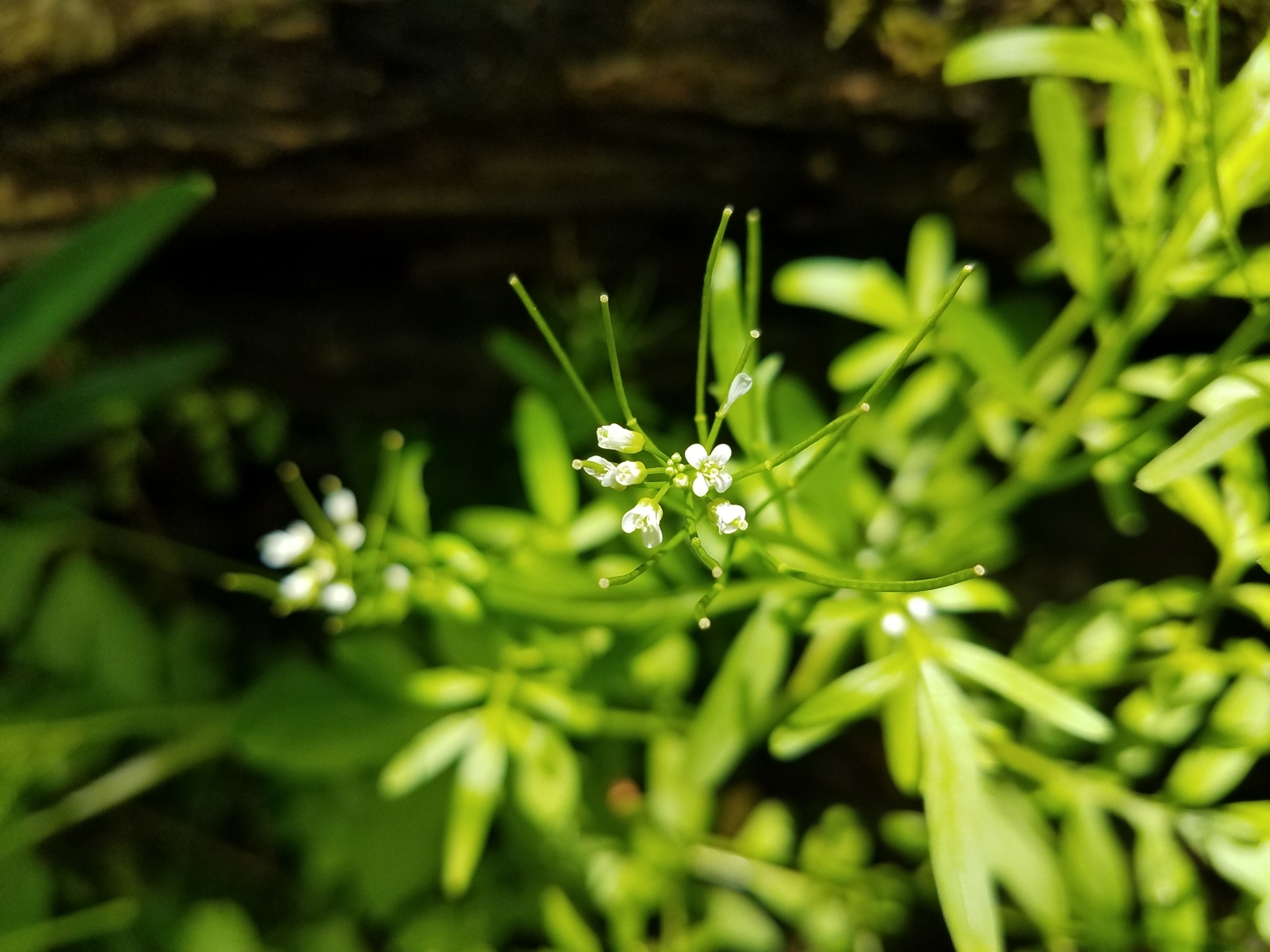
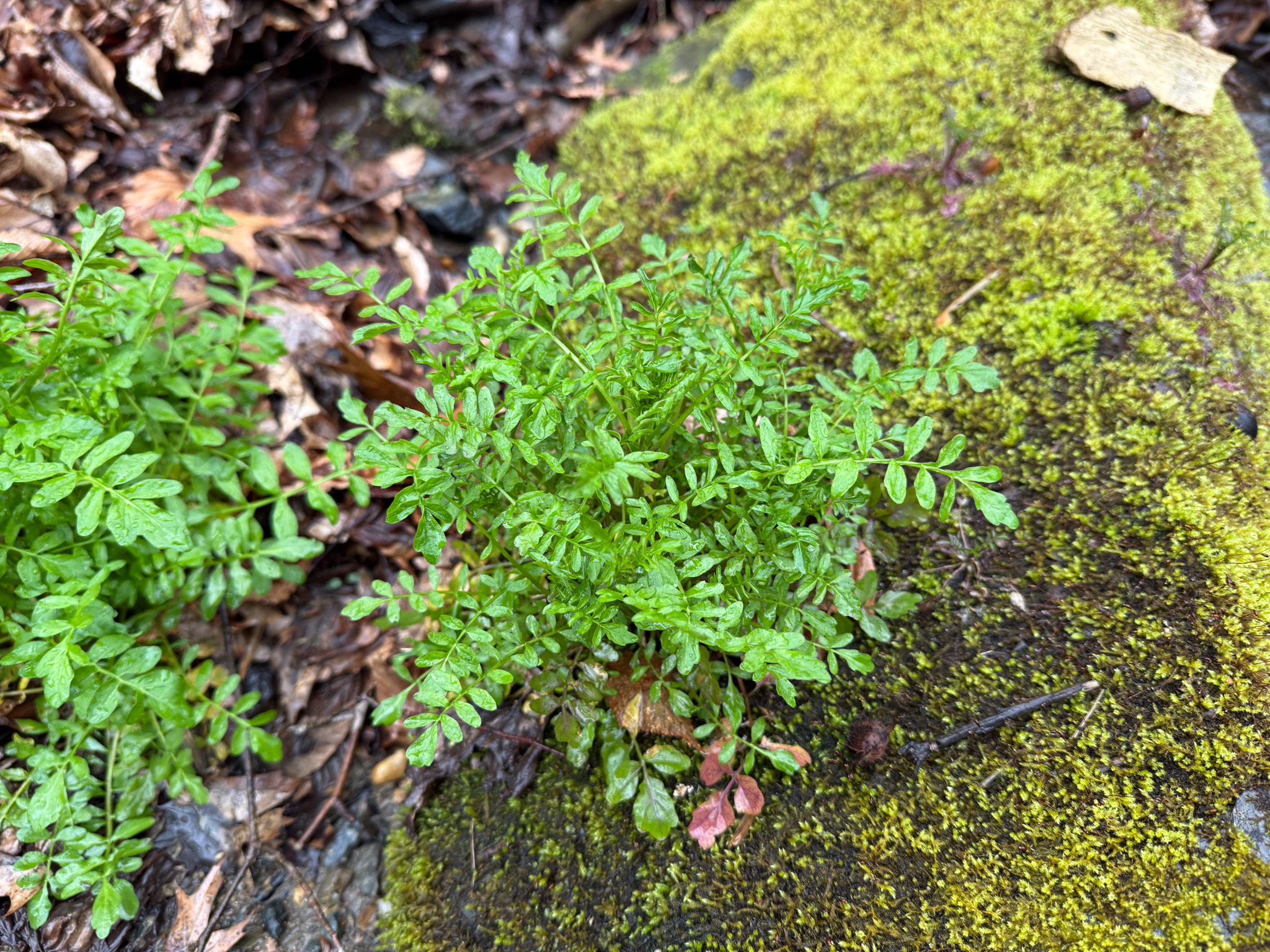
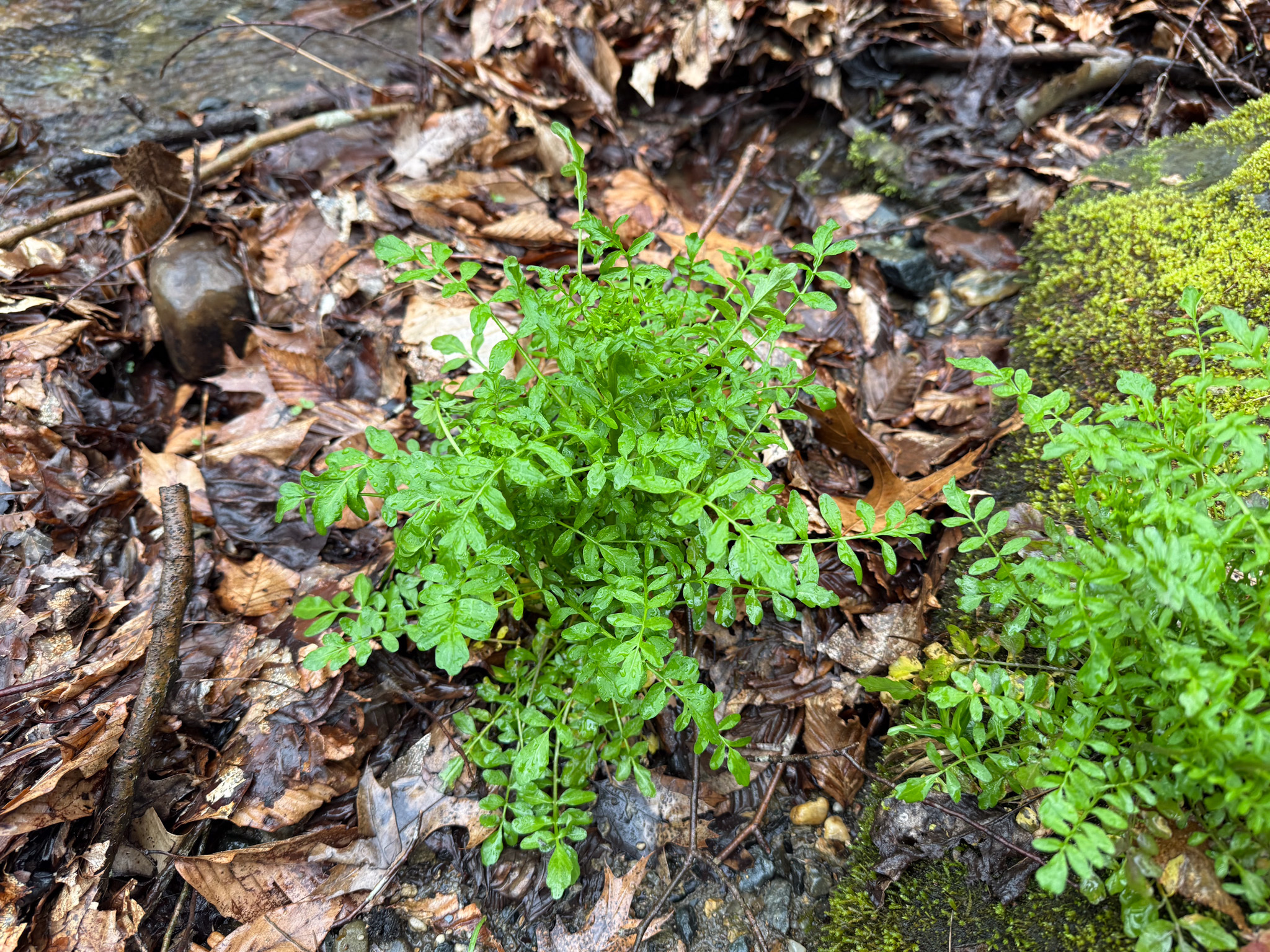
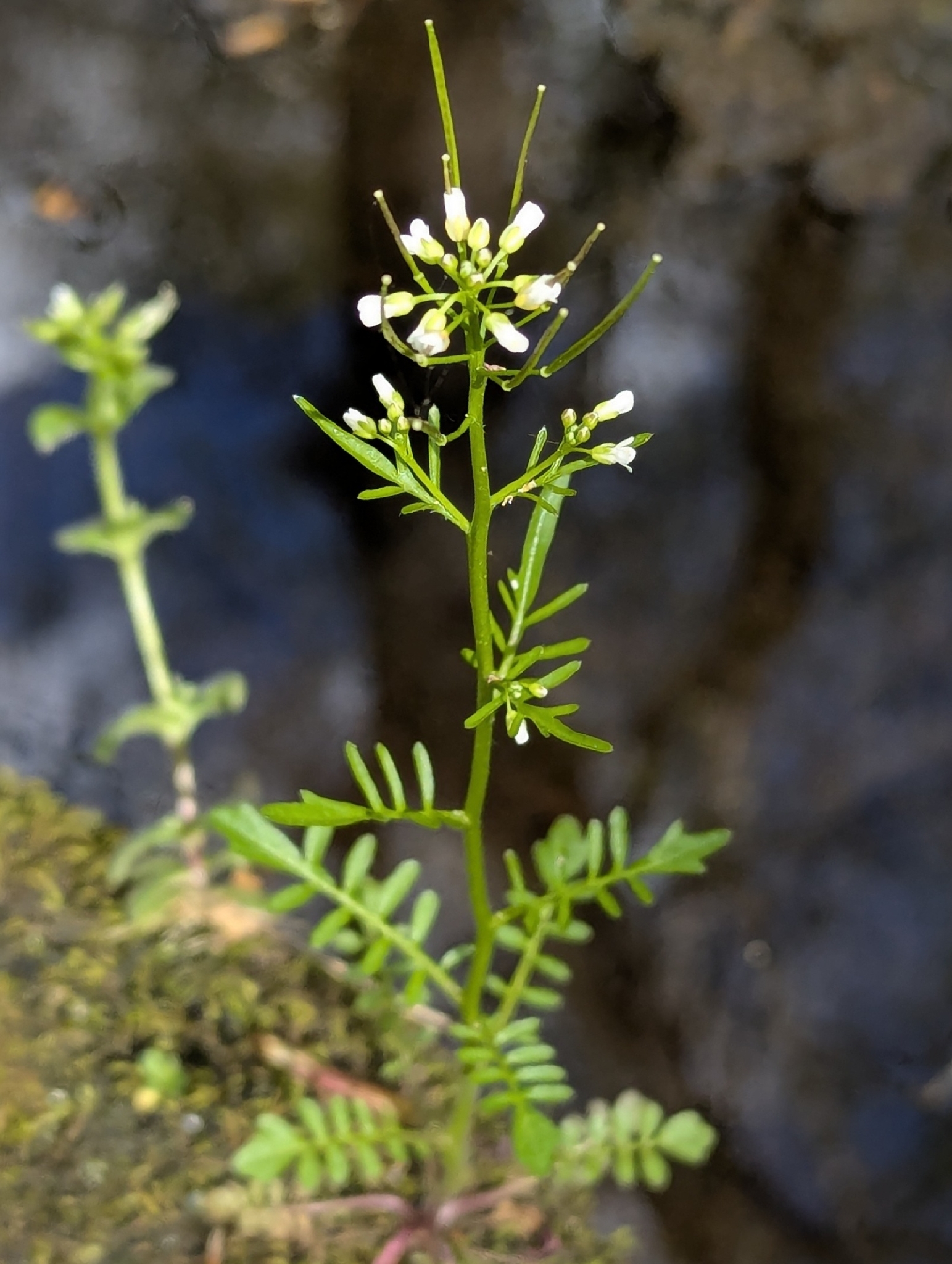
Cardamine pensylvanica is a species of Cardamine known by the common name Pennsylvania bittercress. It is native to most of Canada and the United States from coast to coast.
Ecology and description
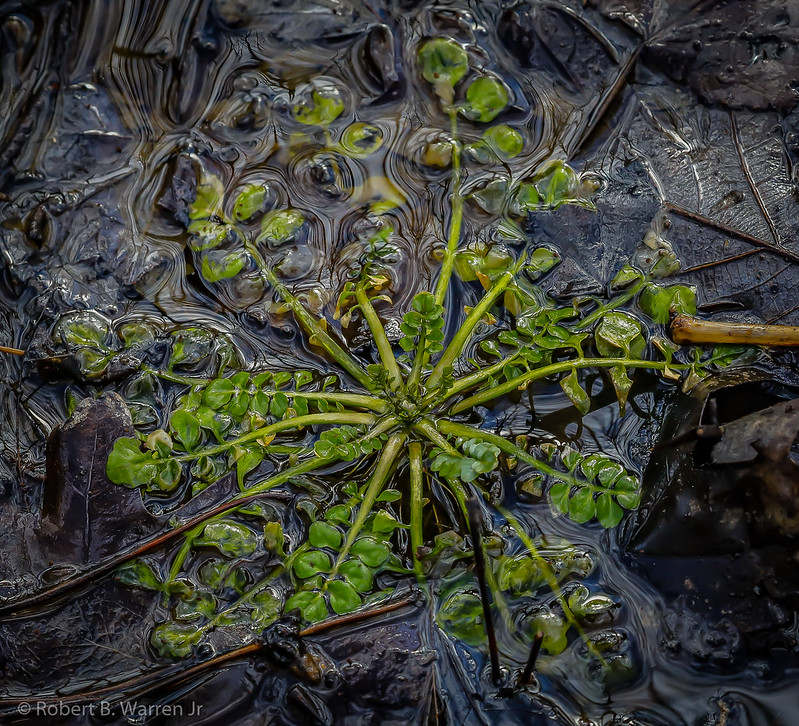
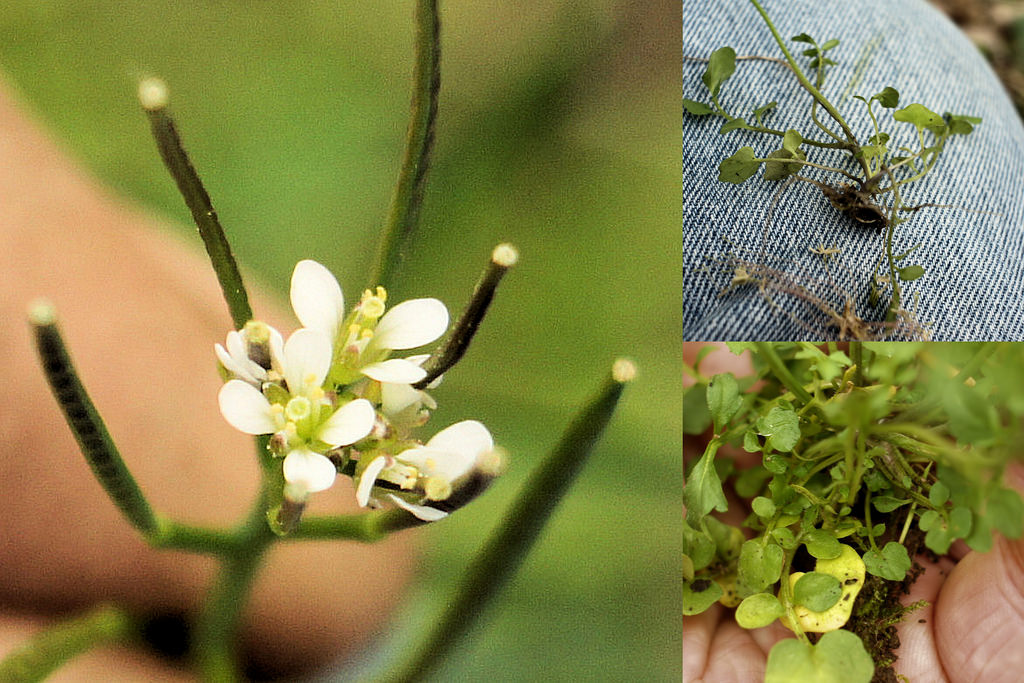
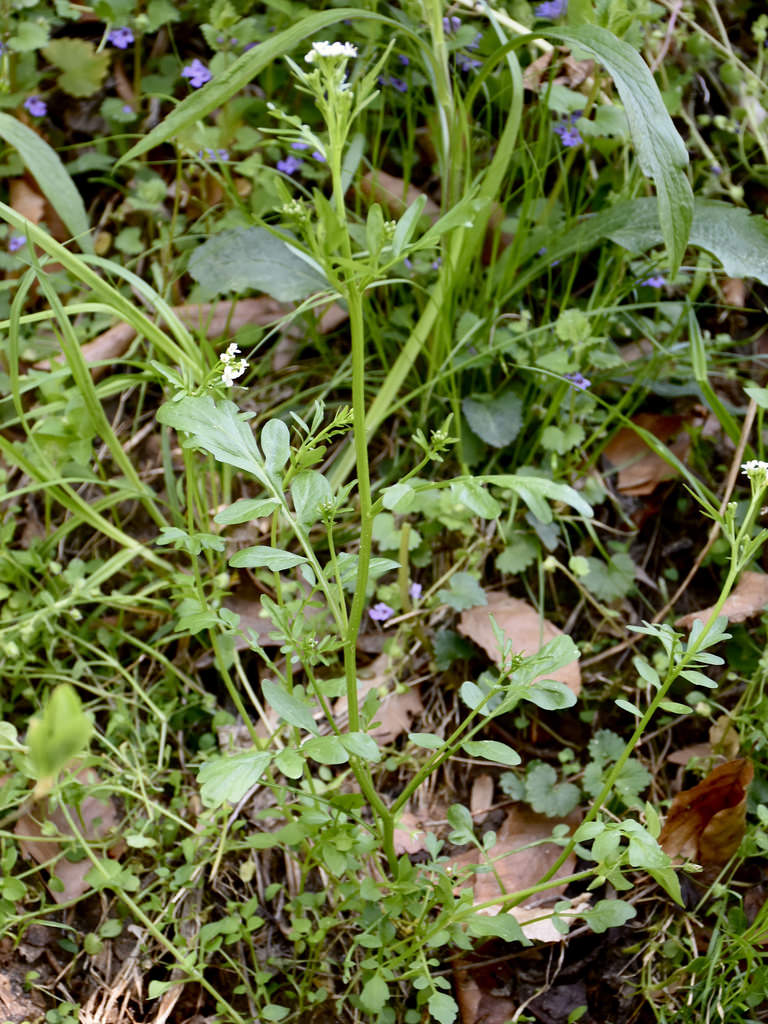
[edit]It is generally found in moist to wet areas, such as the mud on riverbanks. It is a biennial herb producing one or more erect or leaning, branching stems which are purple to green in color and grow 10–70 cm (4–28 in) tall. The leaves are hairless and divided into several rounded to oval lobes, each of which has one or two lobes, with the exception of the large terminal leaflet at the tip, which generally has three. Most of the leaves are located along the stem and there is no basal rosette. The inflorescence comprises many flowers, each with four white petals a few millimeters long,[2] blossoming from April to October. The fruit is a slender silique 2–3 cm (0.8–1.2 in) long.[2]
Consumption
[edit]All parts of Cardamine pensylvanica are considered edible. Young leaves can be eaten raw, while older leaves should be cooked; they have a peppery flavor.[3] Seed pods are good raw, stir fried, or pickled, before seeds mature and harden. Roots can be mixed with vinegar to make a good horseradish substitute.[4]
References
[edit]- ^ NatureServe (2023). "Cardamine pensylvanica". Arlington, Virginia. Retrieved 30 November 2023.
- ^ a b "Pennsylvania Bittercress, Cardamine pensylvanica". calscape.org. Archived from the original on 2021-05-11.
- ^ Fagan, Damian (2019). Wildflowers of Oregon: A Field Guide to Over 400 Wildflowers, Trees, and Shrubs of the Coast, Cascades, and High Desert. Guilford, CT: FalconGuides. p. 190. ISBN 978-1-4930-3633-2. OCLC 1073035766.
- ^ "Bittercress and Kissing Crucifer Cousins". Eat The Weeds. 31 August 2011.
External links
[edit]- Jepson Manual Treatment
- USDA Plants Profile
- Missouri Plants Archived 2008-05-03 at the Wayback Machine
- Illinois Wildflowers
- Photo gallery
 | This Brassicaceae article is a stub. You can help Wikipedia by adding missing information. |