Map Snapshot


33 Records
Citations
No citations linked for this taxon yet.
Source: Wikipedia
| Lespedeza stuevei | |
|---|---|

| |
Scientific classification 
| |
| Kingdom: | Plantae |
| Clade: | Tracheophytes |
| Clade: | Angiosperms |
| Clade: | Eudicots |
| Clade: | Rosids |
| Order: | Fabales |
| Family: | Fabaceae |
| Subfamily: | Faboideae |
| Genus: | Lespedeza |
| Species: | L. stuevei
|
| Binomial name | |
| Lespedeza stuevei | |
| Synonyms[2] | |
| |

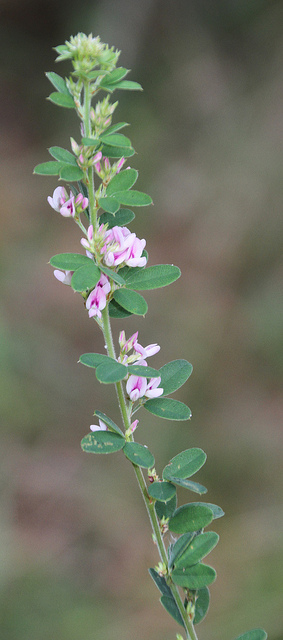
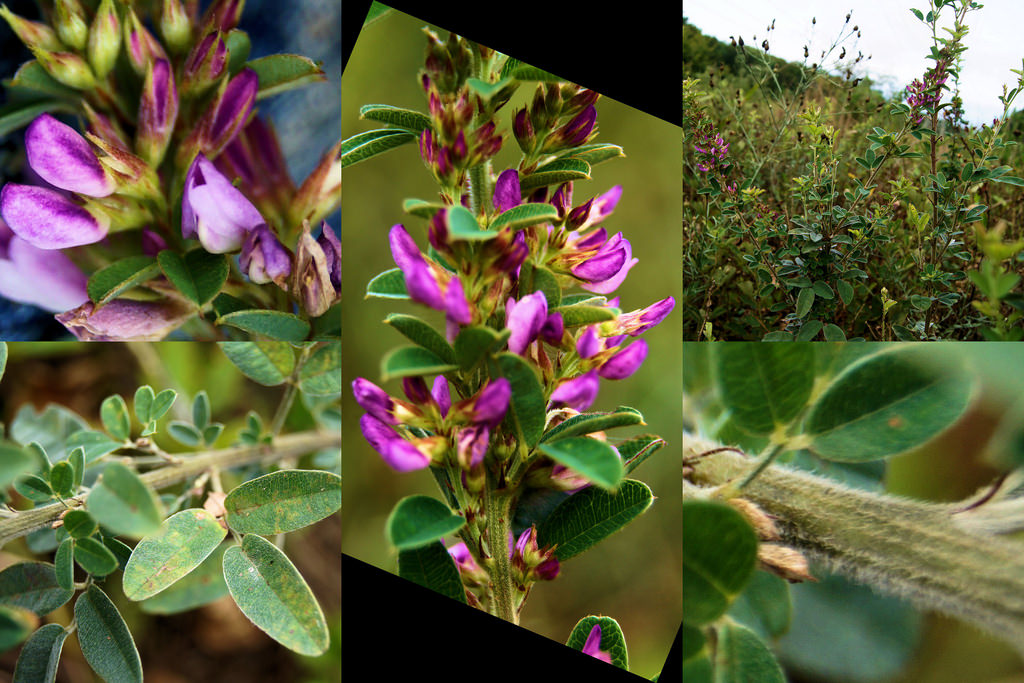
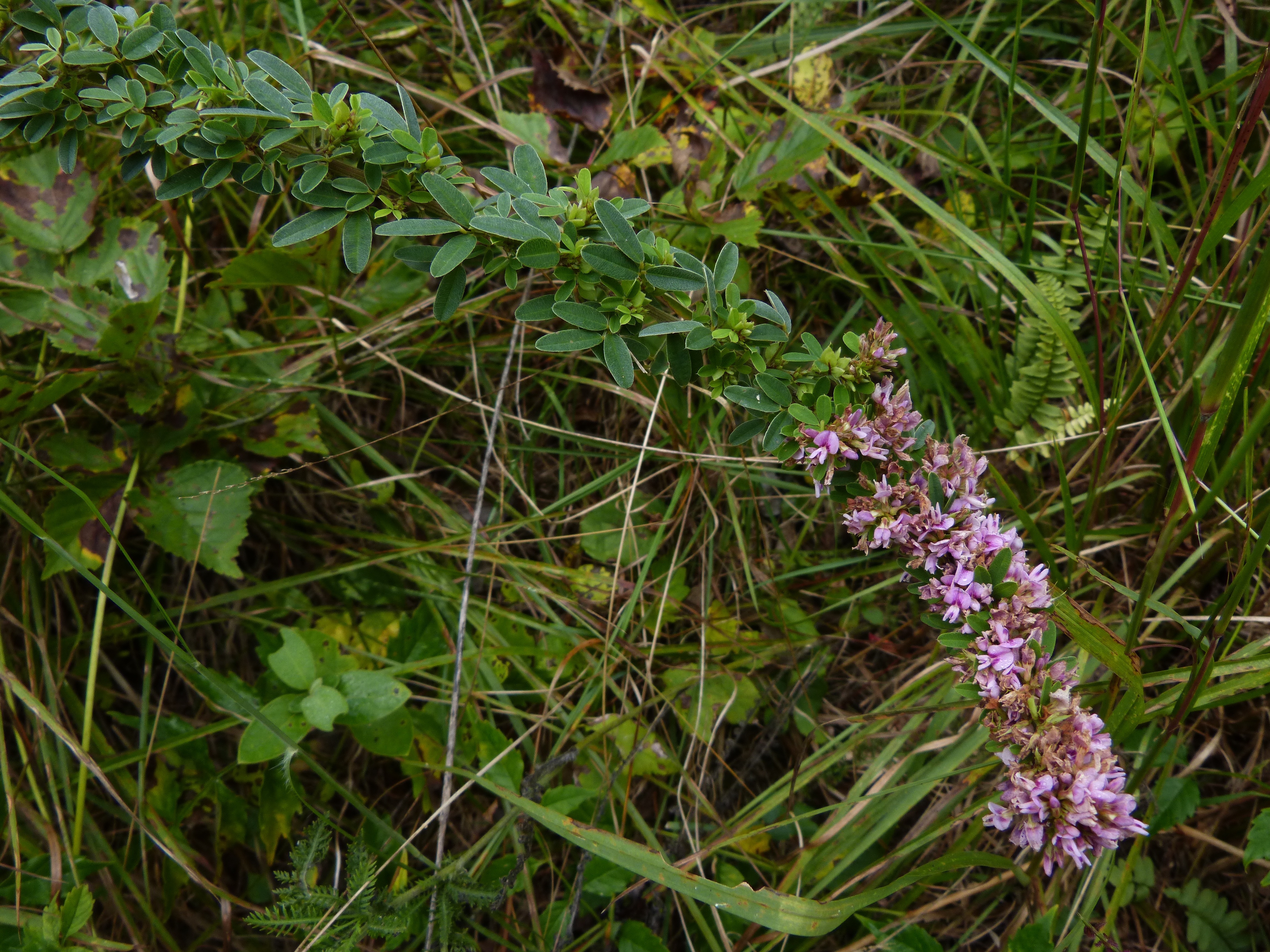
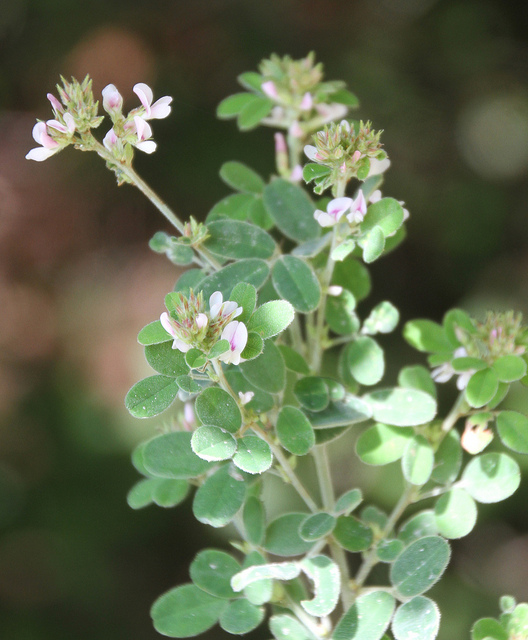
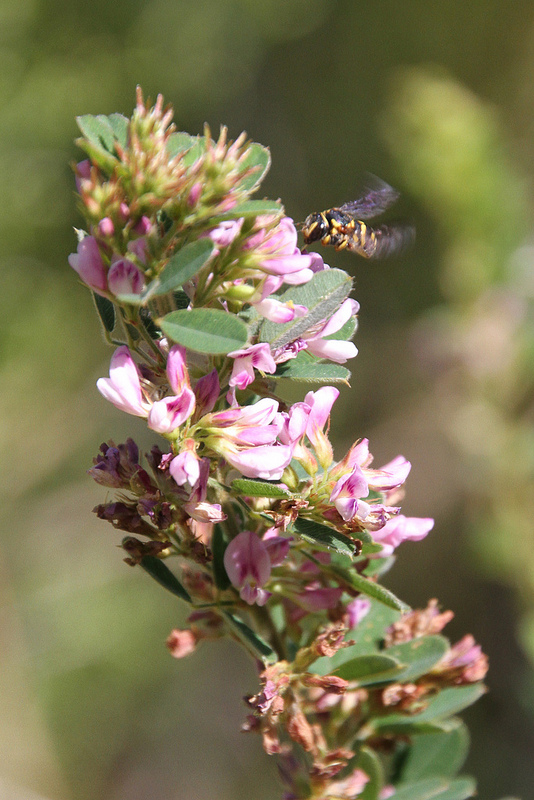
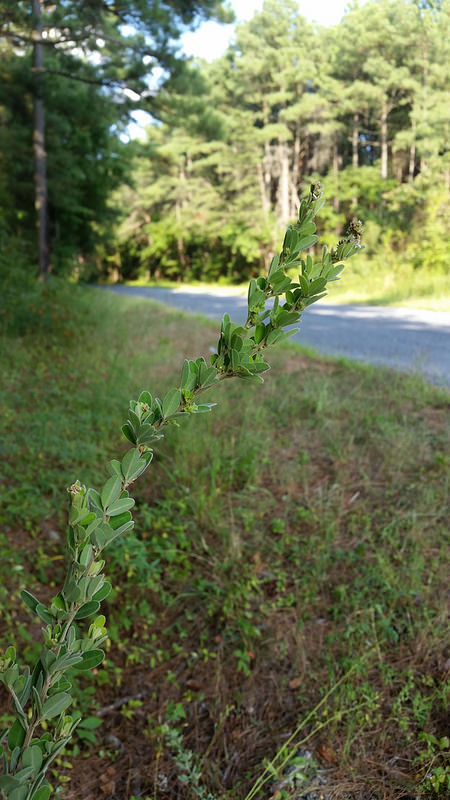
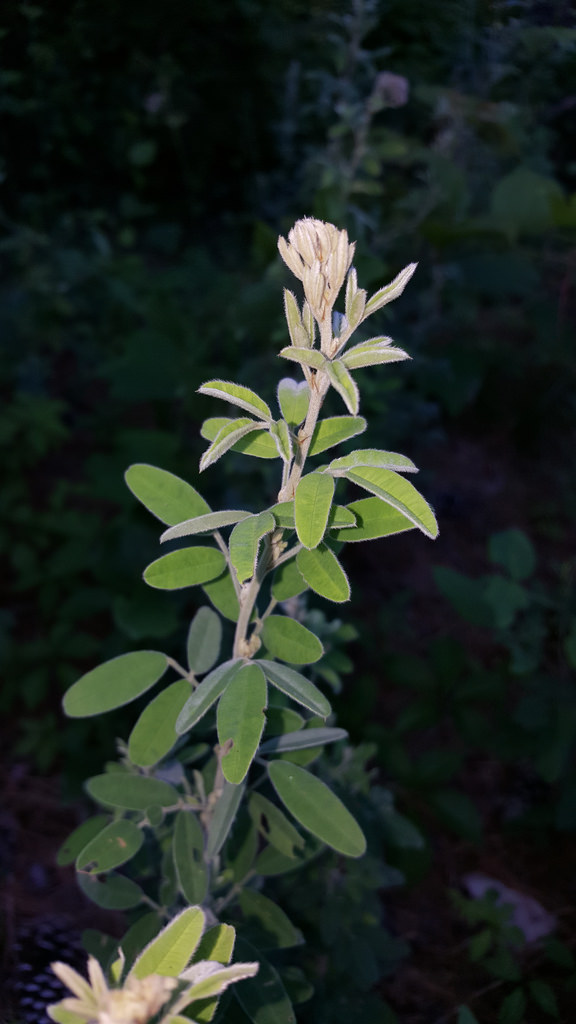
Lespedeza stuevei, known commonly as tall bushclover,[1] is a perennial legume native to North America.[3][4] Its range encompasses the eastern half of the United States, stretching from Massachusetts to Florida and westward to Texas, where it is commonly found in woodlands and along woodland borders.[3]
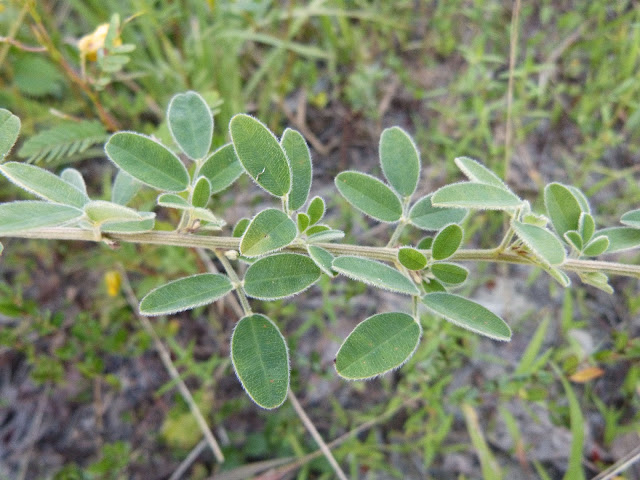
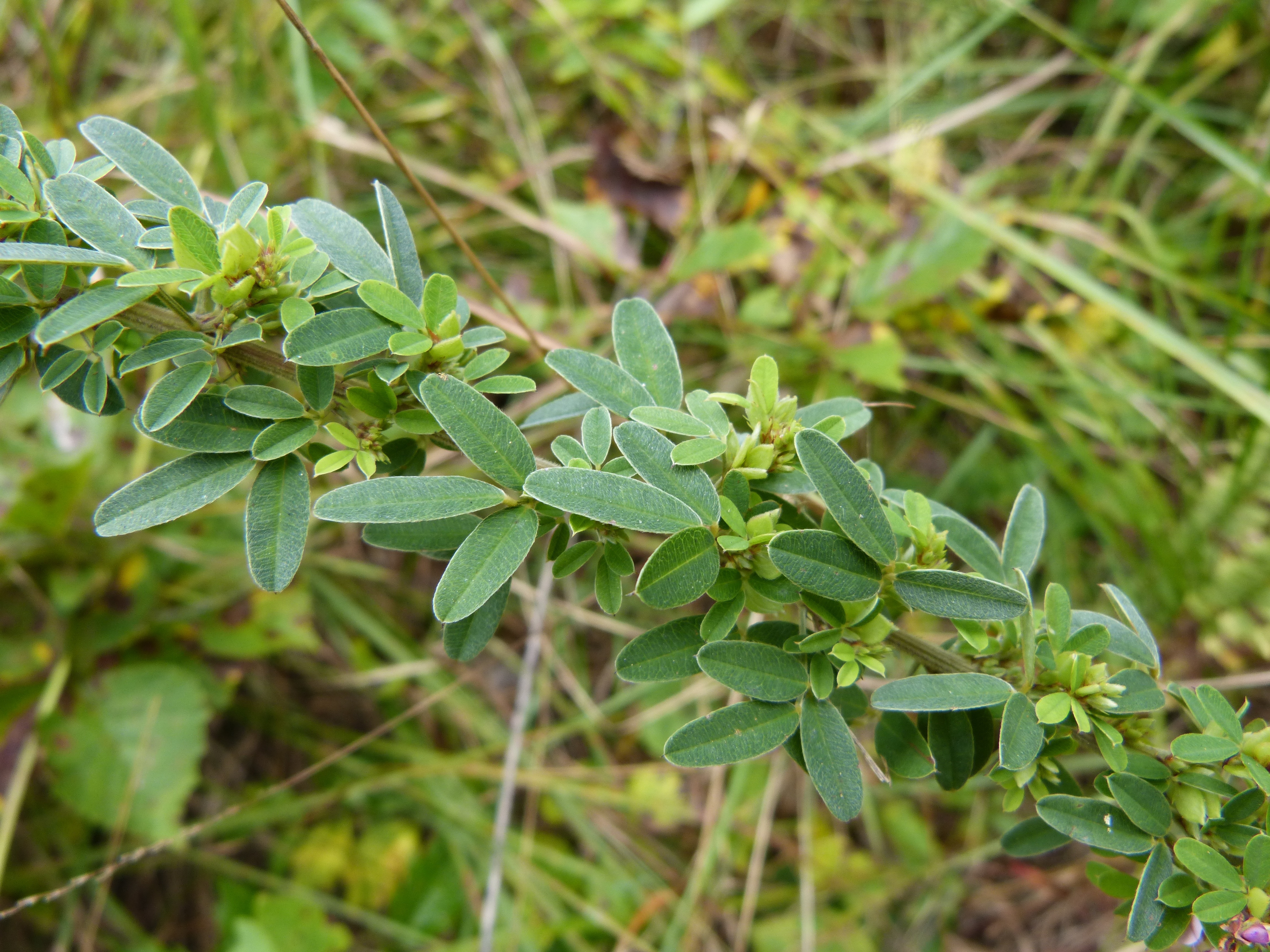
The stems of L. stuevei are erect. Leaves are pinnately trifoliate and alternately arranged. The flowers occur in dense groups and can possess either four or five petals, which are typically purple in color but can range from blue to pink to red. Fruit possesses one seed and ranges in size from 4 to 7 millimeters in length.[5]
This species has been known to persist through repeated prescribed burns.[6]
References
[edit]- ^ a b NatureServe (September 5, 2025). "Lespedeza stuevei". NatureServe Explorer. Arlington, Virginia. Retrieved 13 September 2025.
- ^ "Lespedeza stuevei Nutt.". Plants of the World Online. Royal Botanic Gardens, Kew. Retrieved 13 September 2025.
- ^ a b Weakley, Alan S. (October 20, 2020). Flora of the Southeastern United States. Chapel Hill, North Carolina: University of North Carolina at Chapel Hill.
- ^ "USDA Plants Database". plants.usda.gov. Retrieved 2025-09-12.
- ^ Gee, Kenneht L.; Bryant, Fred C.; Porter, Michael D.; Demarais, Steve (January 1, 2011). White-Tailed Deer: Their Foods and Management in the Cross Timbers. The Samuel Roberts Noble Foundation.
- ^ Glitzenstein, Jeff S.; Streng, Donna R.; Masters, Ronald E.; Robertson, Kevin M.; Hermann, Sharon M. (January 15, 2012). "Fire-frequency effects on vegetation in north Florida pinelands: Another look at the long-term Stoddard Fire Research Plots at Tall Timbers Research Station". Forest Ecology and Management. 264: 197–209. Bibcode:2012ForEM.264..197G. doi:10.1016/j.foreco.2011.10.014.
 | This article needs additional or more specific categories. (September 2025) |
 | This Desmodieae-related article is a stub. You can help Wikipedia by adding missing information. |