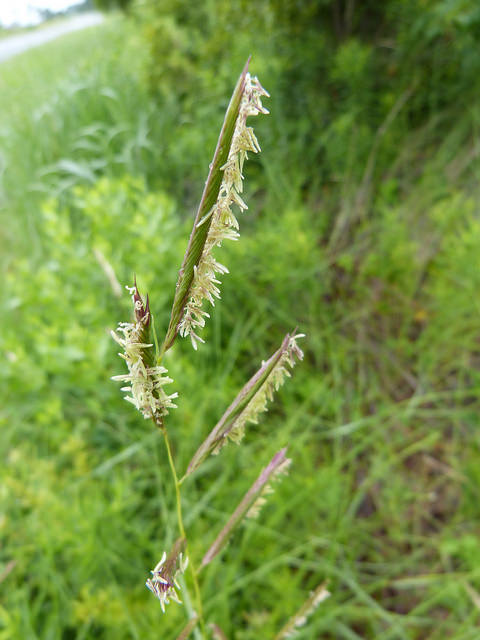
Saltmeadow Cordgrass in Dorchester Co., Maryland (7/4/2016).
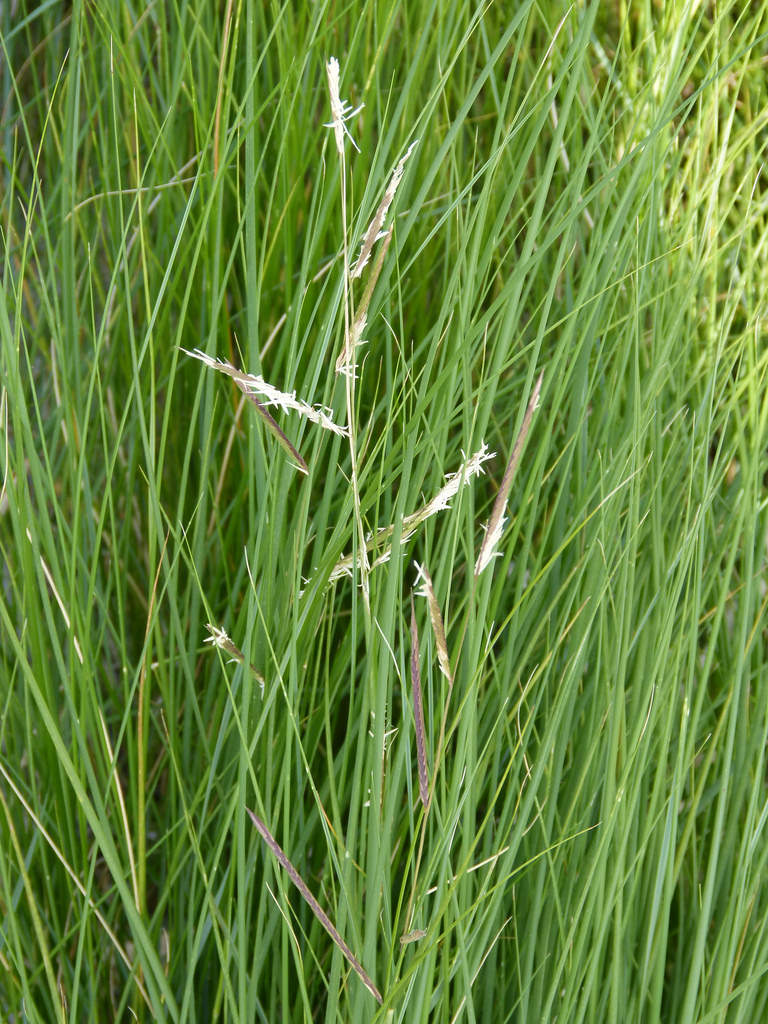
Saltmeadow Cordgrass in Talbot Co., Maryland (8/22/2016).
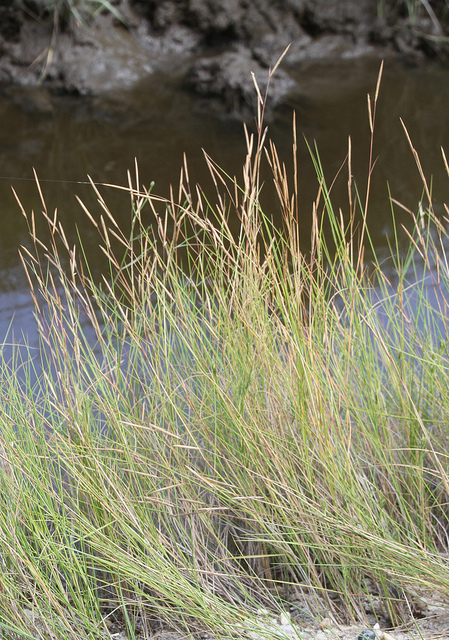
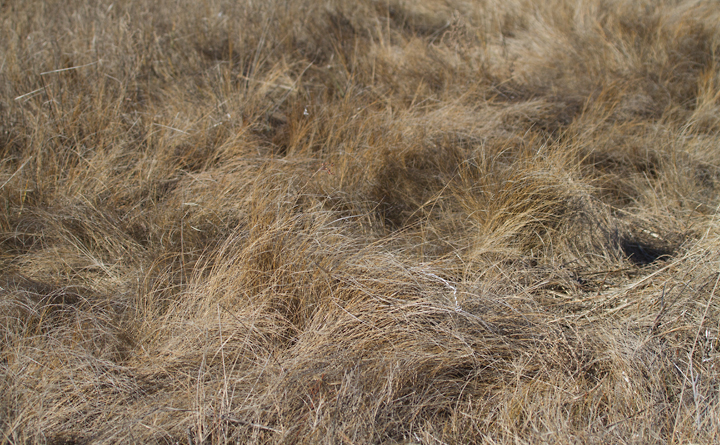
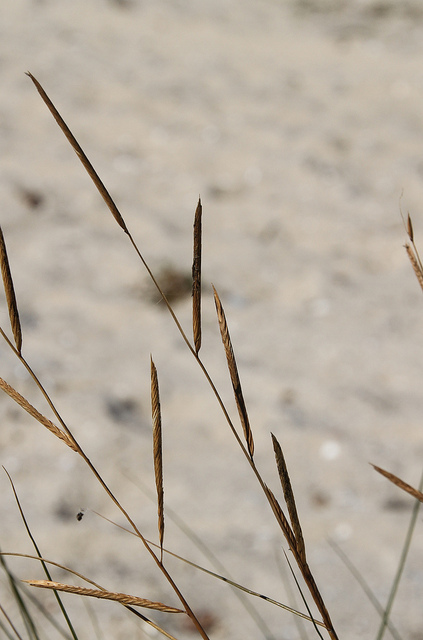
Saltmeadow Cordgrass on Assateague Island, Maryland (1/19/2013).
Photo by
Bill Hubick
MBP List
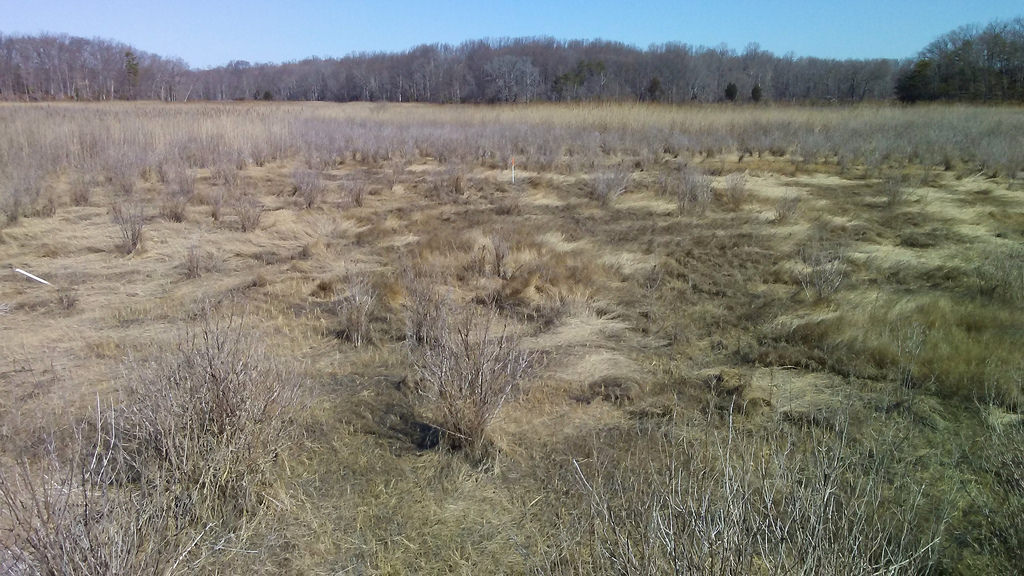
Saltmeadow Cordgrass in Calvert Co., Maryland (3/29/2017).
Map Snapshot


228 Records
Status
Saltmeadow Cordgrass is a common plant of brackish salt marshes of the Chesapeake Bay and Maryland's Coastal Bays. Saltmeadow Cordgrass grows along the Atlantic Coast from the Maritime Provinces of Canada to Florida, along the Gulf Coast from Florida to Texas, and south into Mexico. It has become naturalized along the San Fransisco Bay and along estuaries in Oregon and Washington. Along the west coast Saltmeadow Cordgrass is considered non-native and highly invasive.The genus Spartina was recently subsumed into Sporobolus, but the taxonomic certainty of the change is still debated.
Description
Saltmeadow Cordgrass grows above the high tide mark with other marsh graminoids like Black Needlerush and Seashore Saltgrass. It is the smallest (typically around 2' - 2.5' tall) of Maryland's three salt marsh sporobolus species. Saltmeadow Cordgrass is rhizomatous and usually grows in thick mats. The stems are weak and plants are often pushed down from the wind and rain, resulting in a whorled wispy appearance.
Where To Find
Saltmeadow Cordgrass can be found in all of Maryland's salt marshes. Elliott Island Road, Deal Island WMA, and Assateague island are good places to observe this species.
Relationships
The critically endangered (S1 ranked Maryland Breeding Species) Black Rail relies on habitat dominated by Saltmeadow Cordgrass to breed.According to the USDA, Saltmeadow Cordgrass is an important lodge building material for Muskrats.
Citations
No citations linked for this taxon yet.
Use of media featured on Maryland
Biodiversity Project is only permitted with express permission of the
photographer.
Saltmeadow Cordgrass in Dorchester Co., Maryland (7/4/2016).
View Record Details
Media by
Jim Brighton.
Saltmeadow Cordgrass in Talbot Co., Maryland (8/22/2016).
View Record Details
Media by
Jim Brighton.
Saltmarsh Cordgrass in Somerset Co., Maryland (8/29/2013).
Media by
Jim Stasz.
Saltmeadow Cordgrass on Assateague Island, Maryland (1/19/2013).
Media by
Bill Hubick.
Saltmeadow Cordgrass in Calvert Co., Maryland (10/20/2013).
Media by
Jim Stasz.
Saltmeadow Cordgrass in Calvert Co., Maryland (3/29/2017).
View Record Details
Media by
Tyler Bell.