
Map Snapshot


262 Records
Relationships
Citations
No citations linked for this taxon yet.
Source: Wikipedia
| Endothenia hebesana | |
|---|---|
.jpg)
| |
Scientific classification 
| |
| Kingdom: | Animalia |
| Phylum: | Arthropoda |
| Clade: | Pancrustacea |
| Class: | Insecta |
| Order: | Lepidoptera |
| Family: | Tortricidae |
| Genus: | Endothenia |
| Species: | E. hebesana
|
| Binomial name | |
| Endothenia hebesana | |
| Synonyms | |
| |
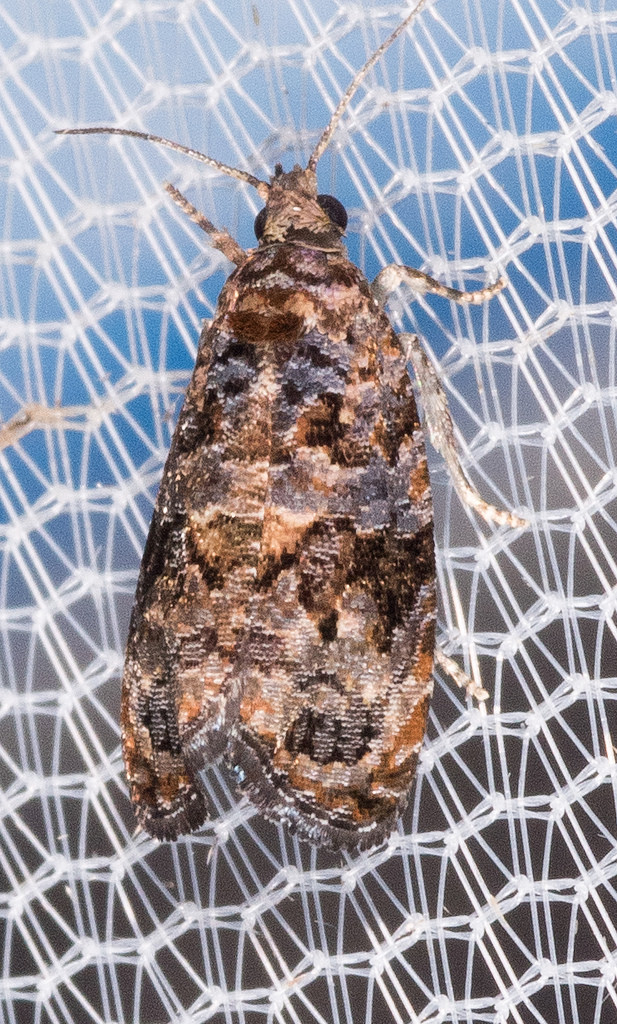
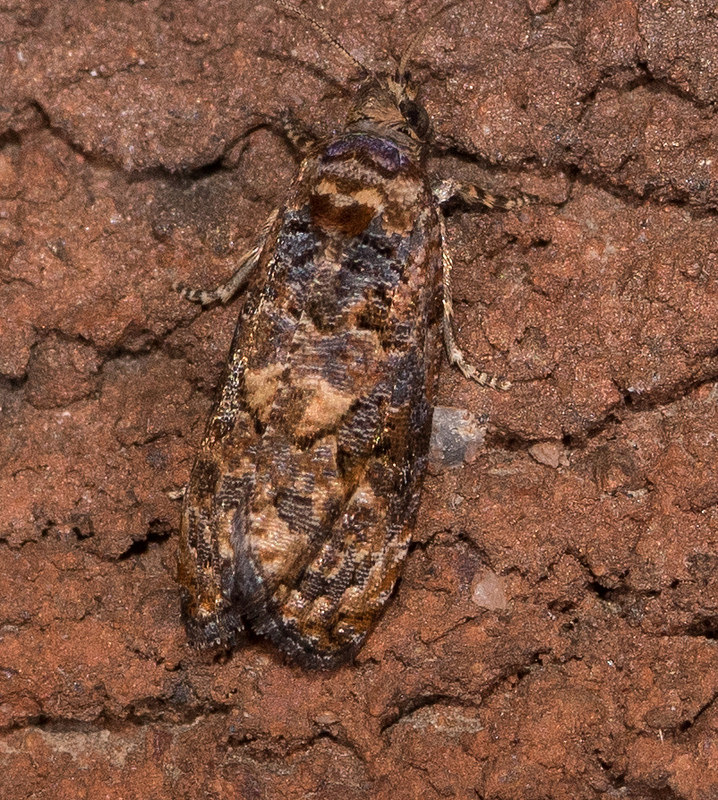
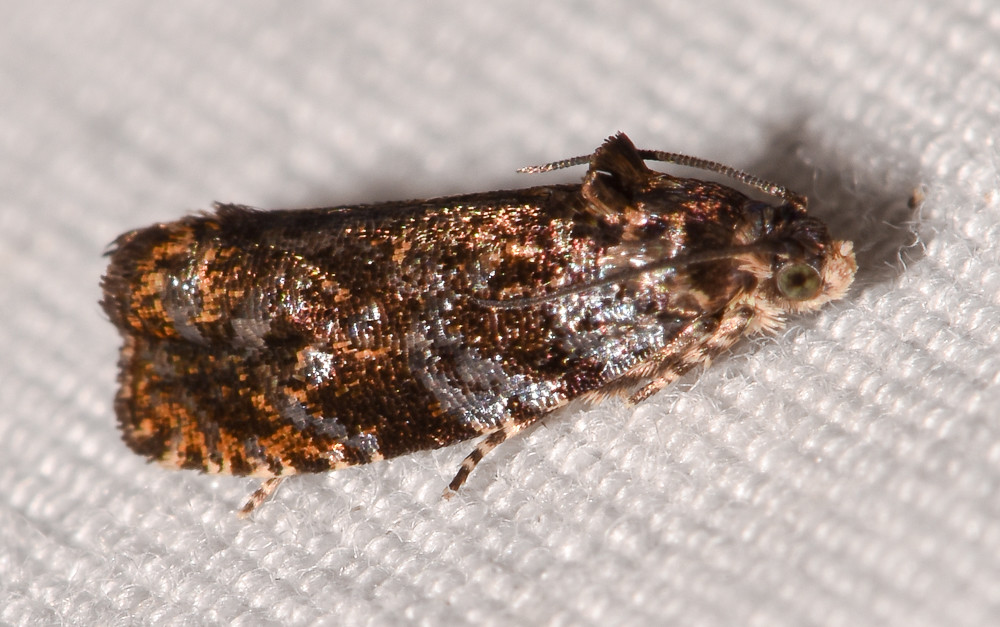
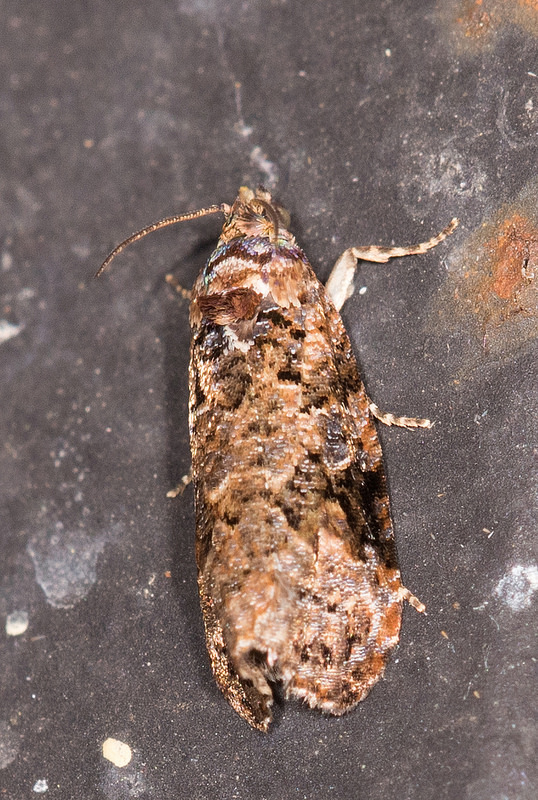
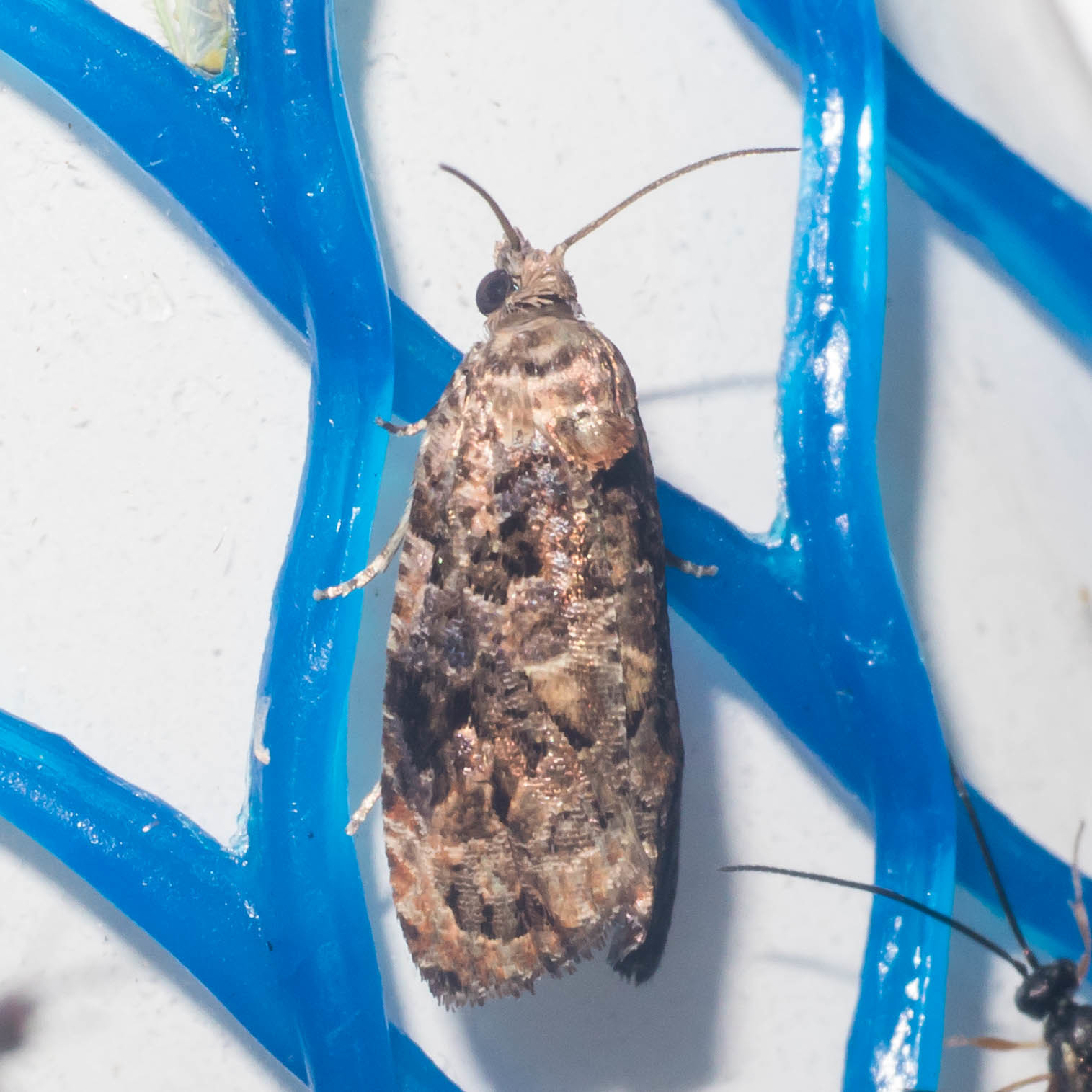
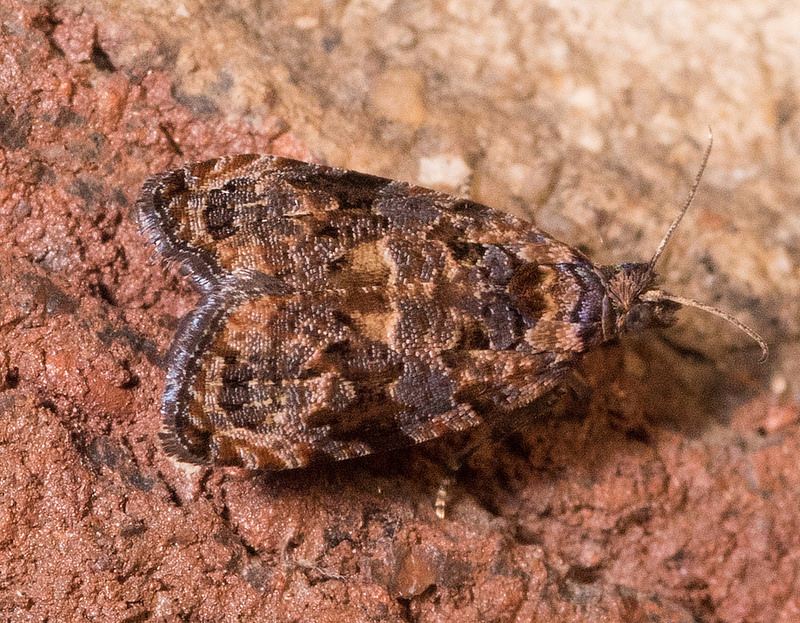
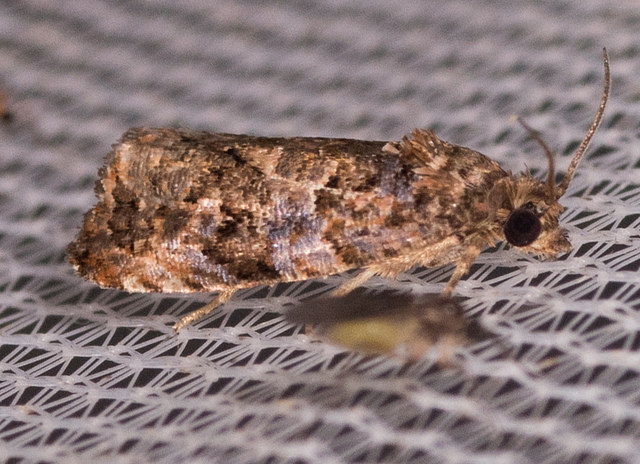
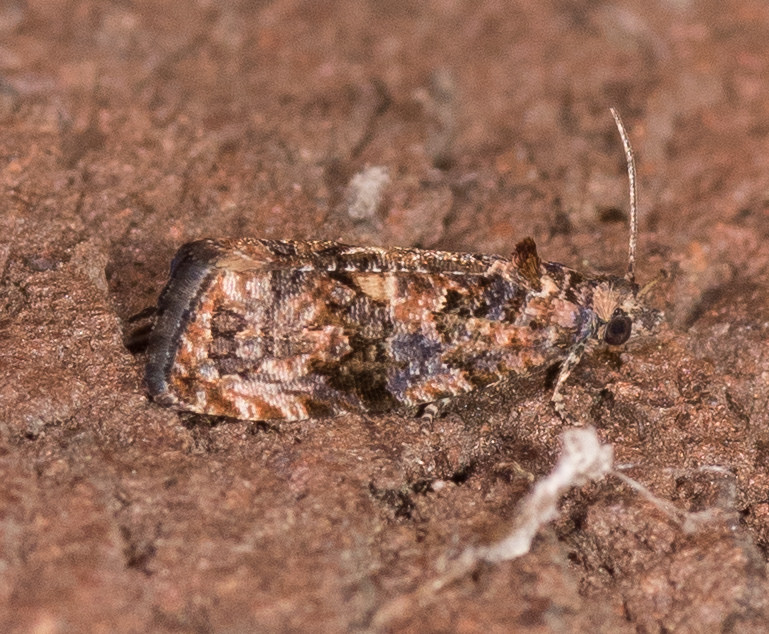
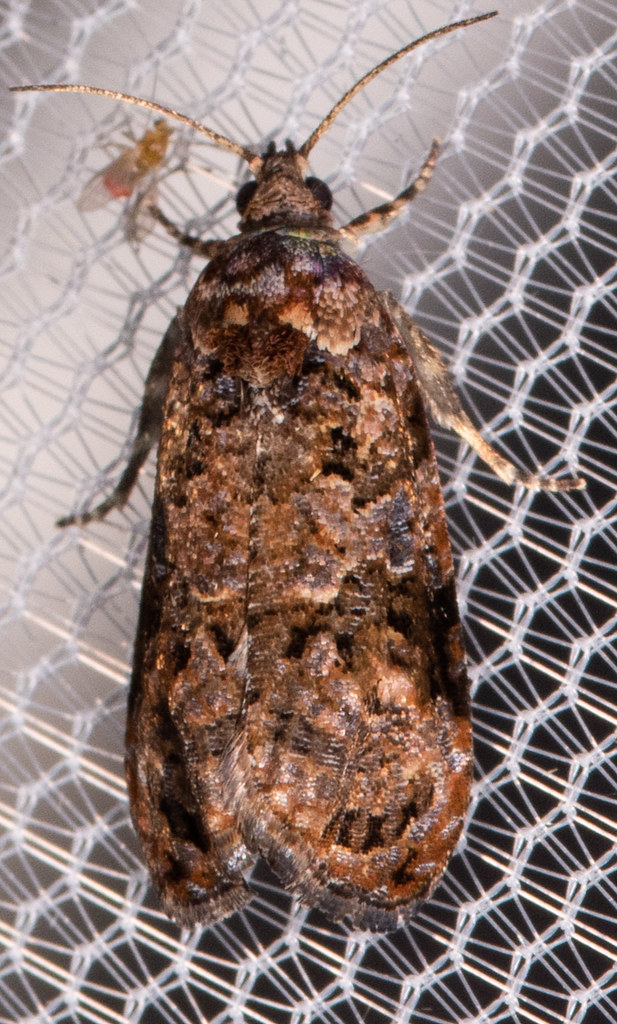
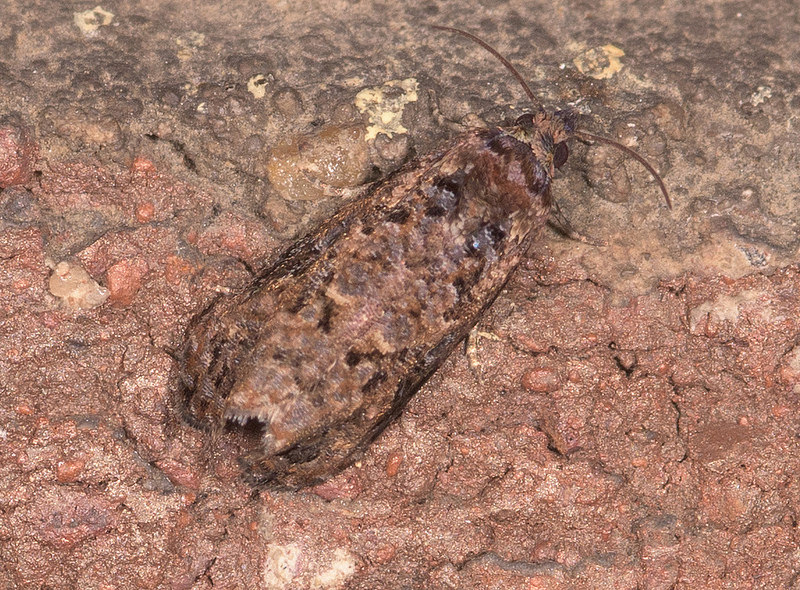
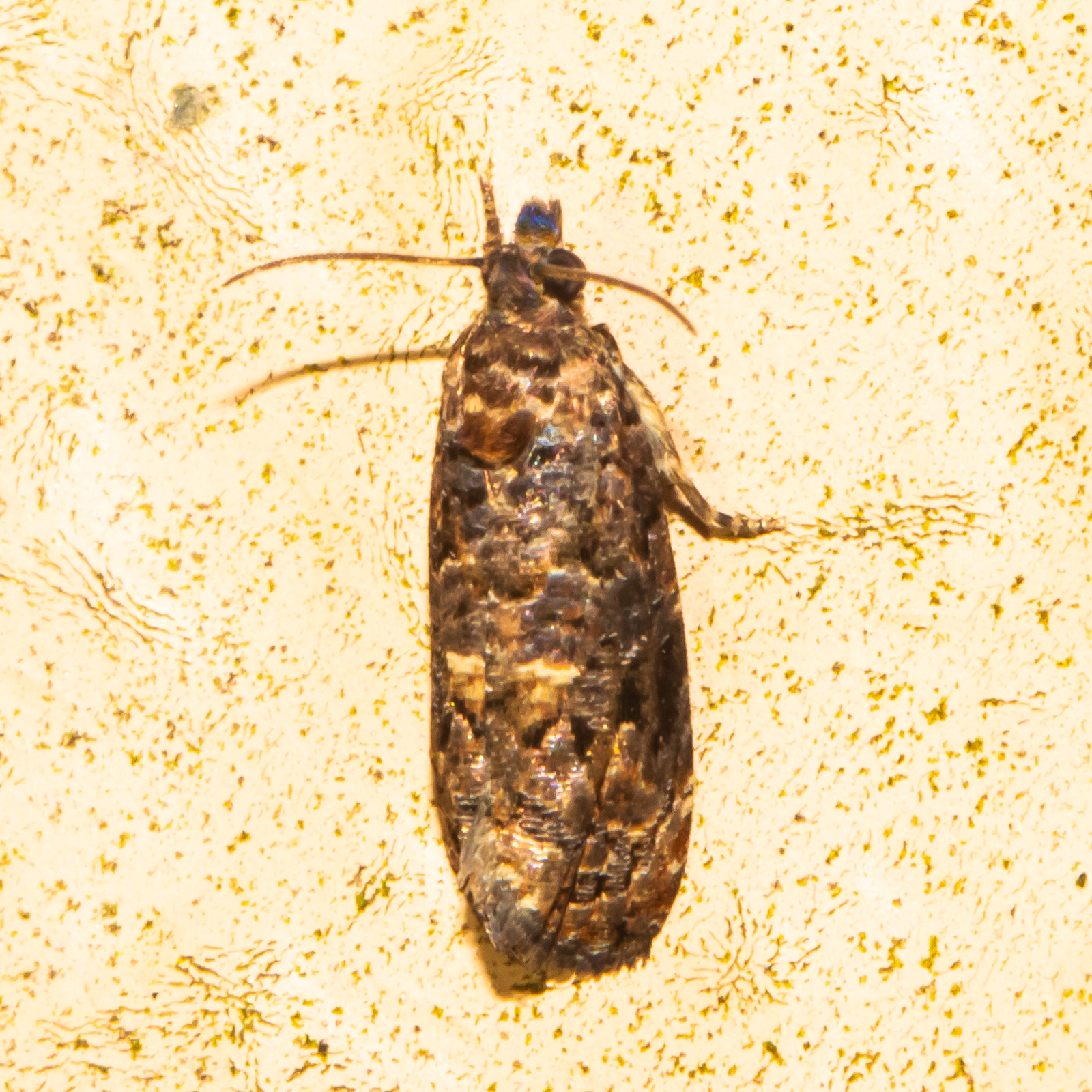
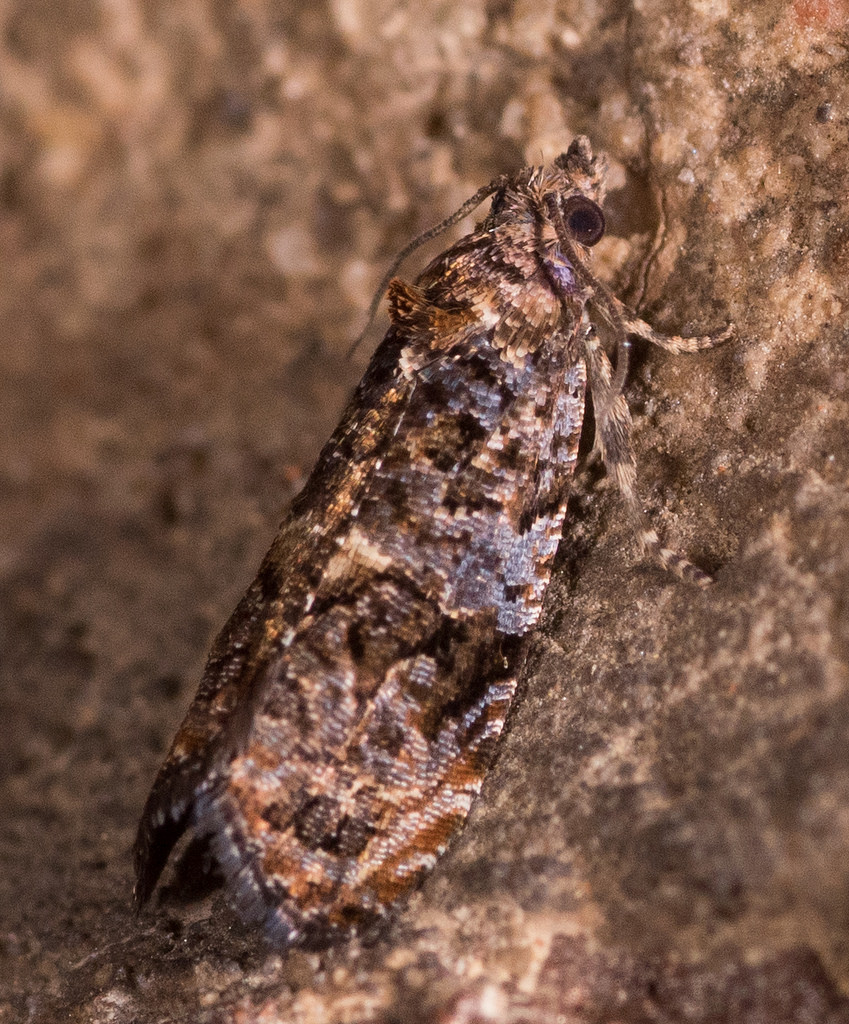
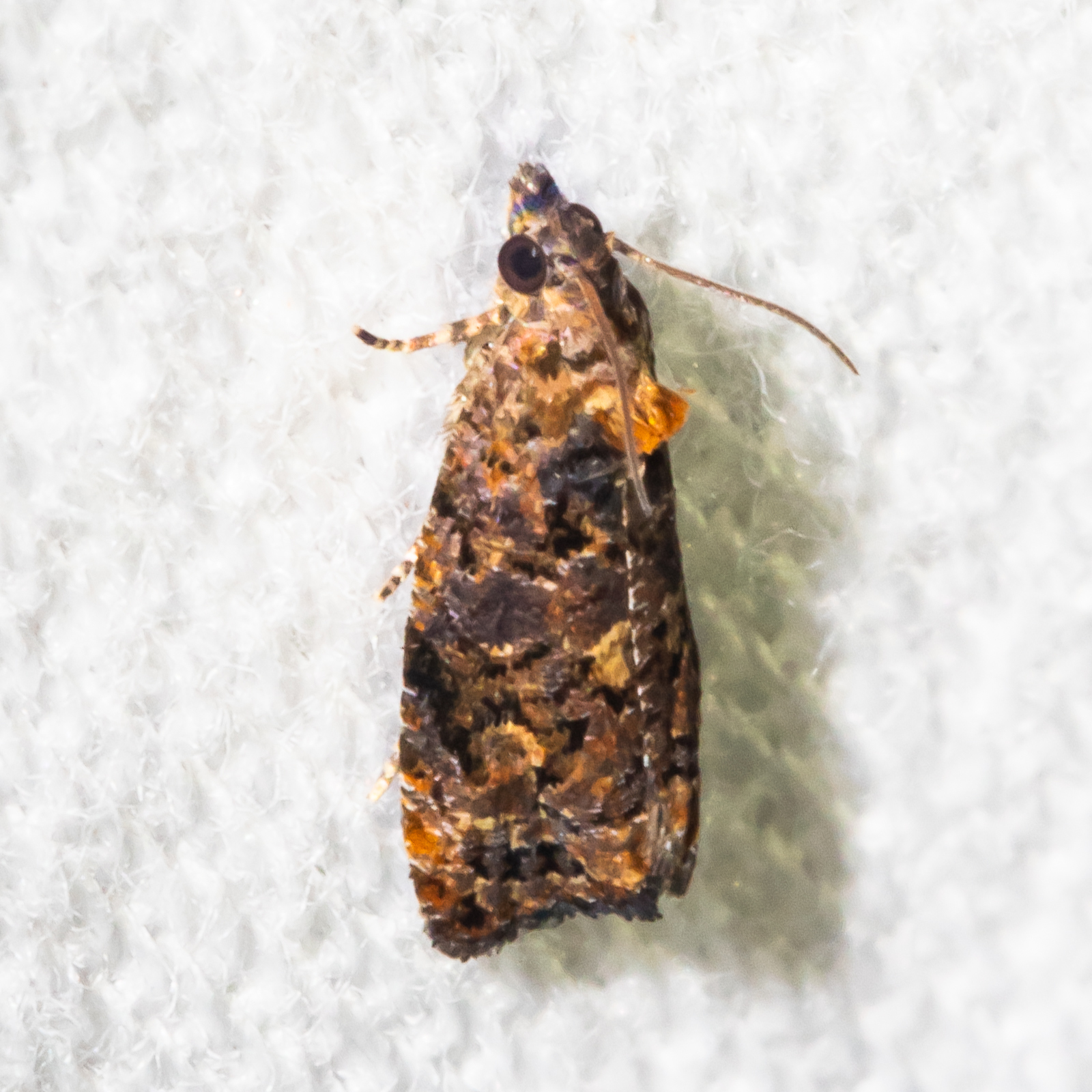
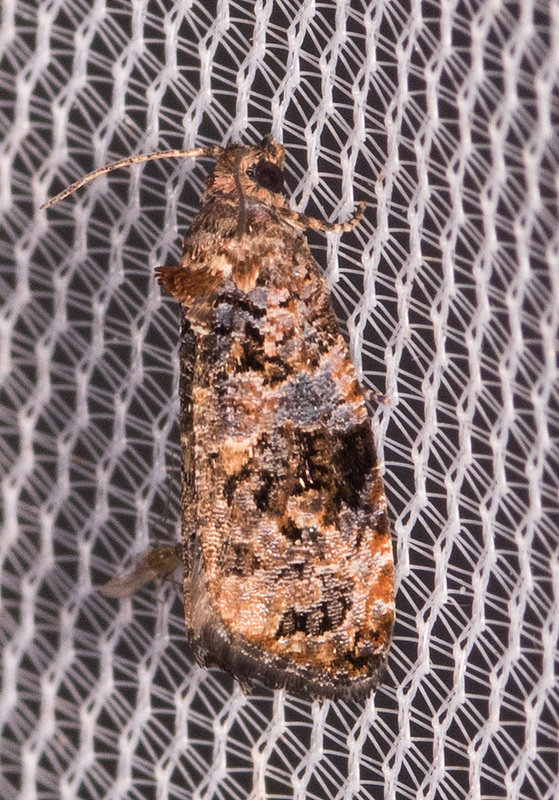
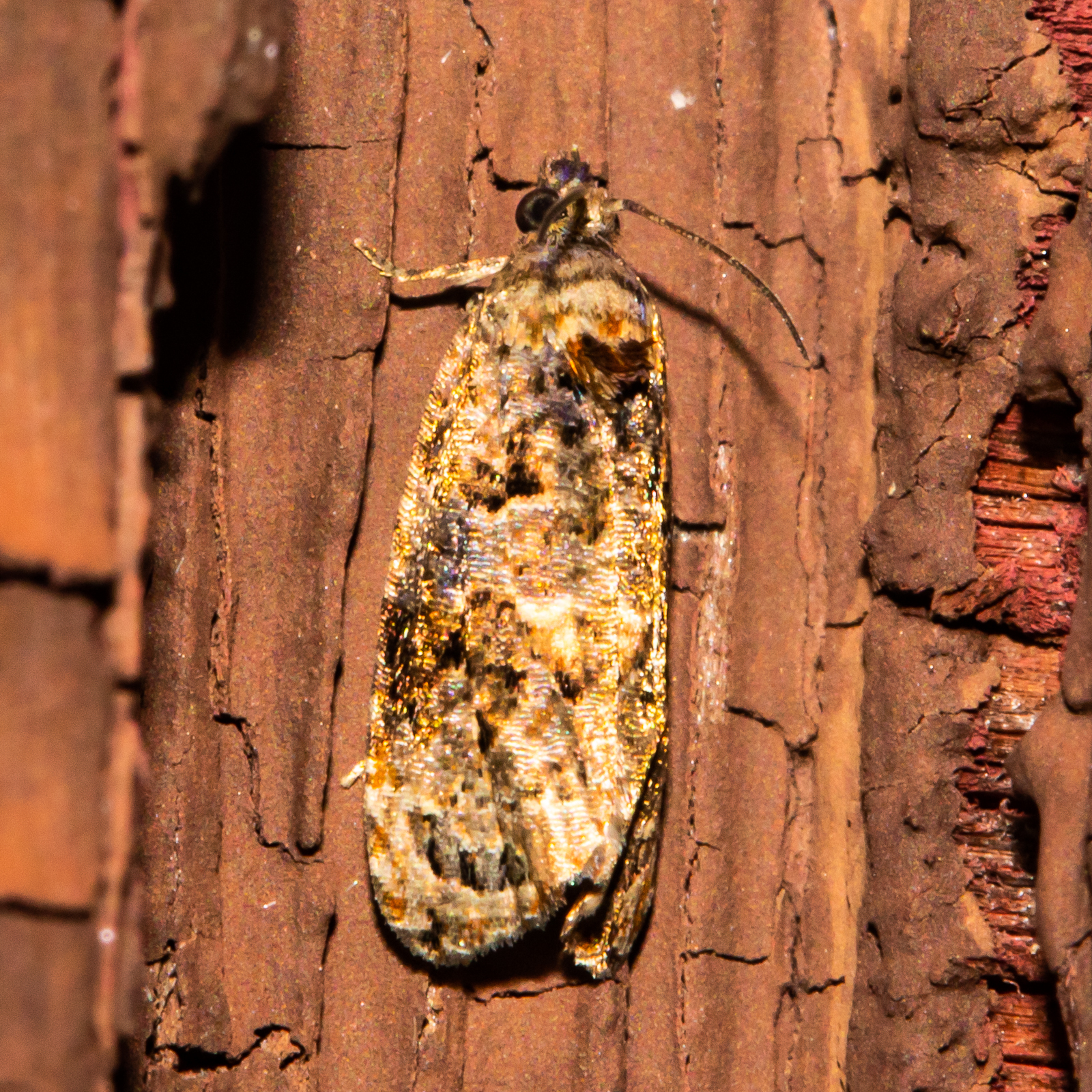
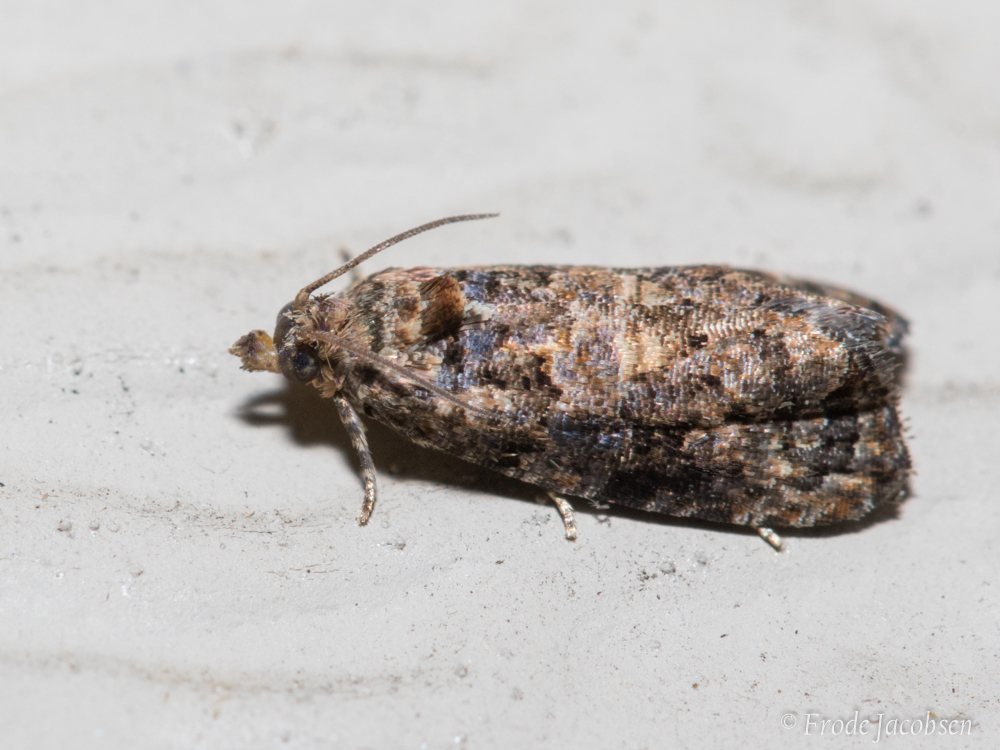
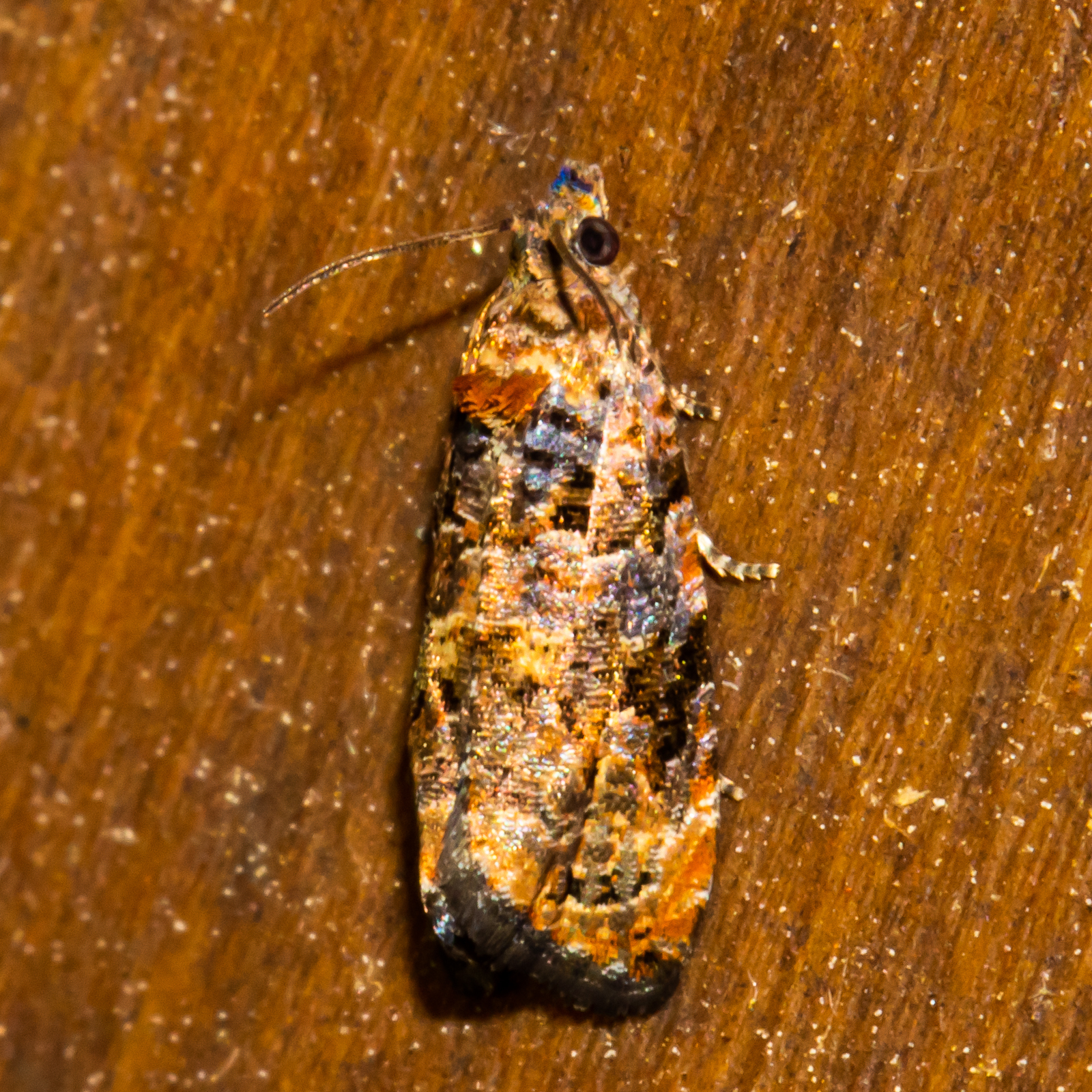
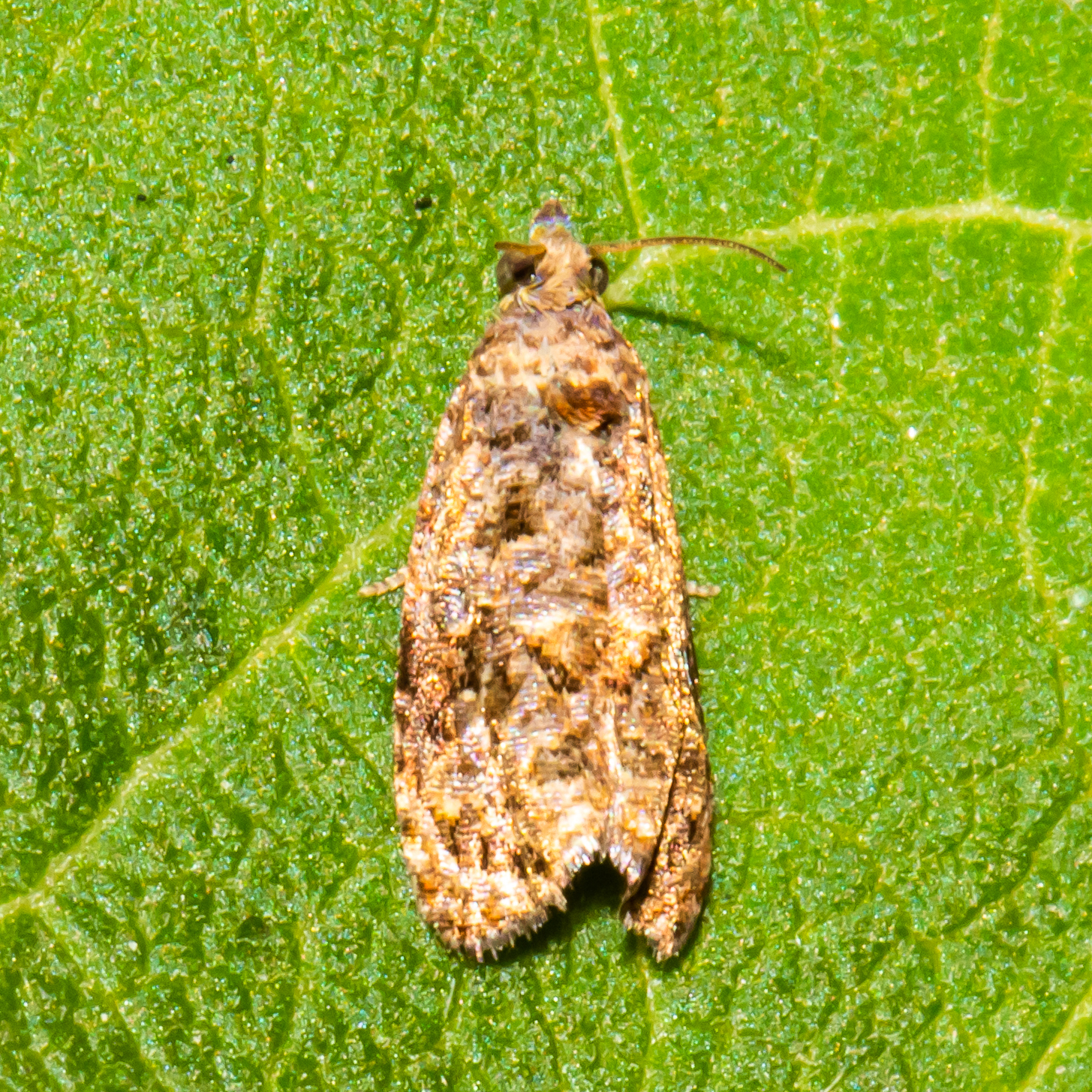
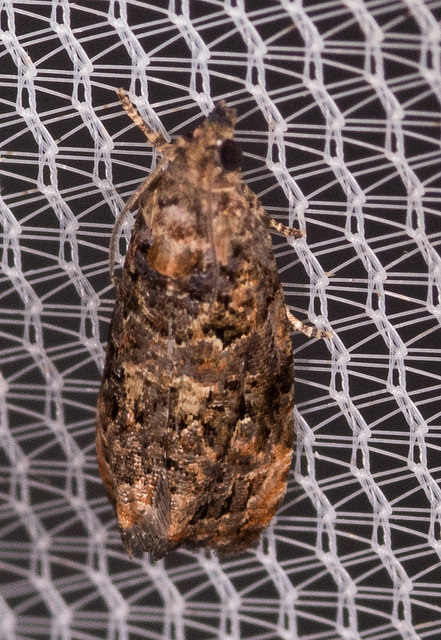
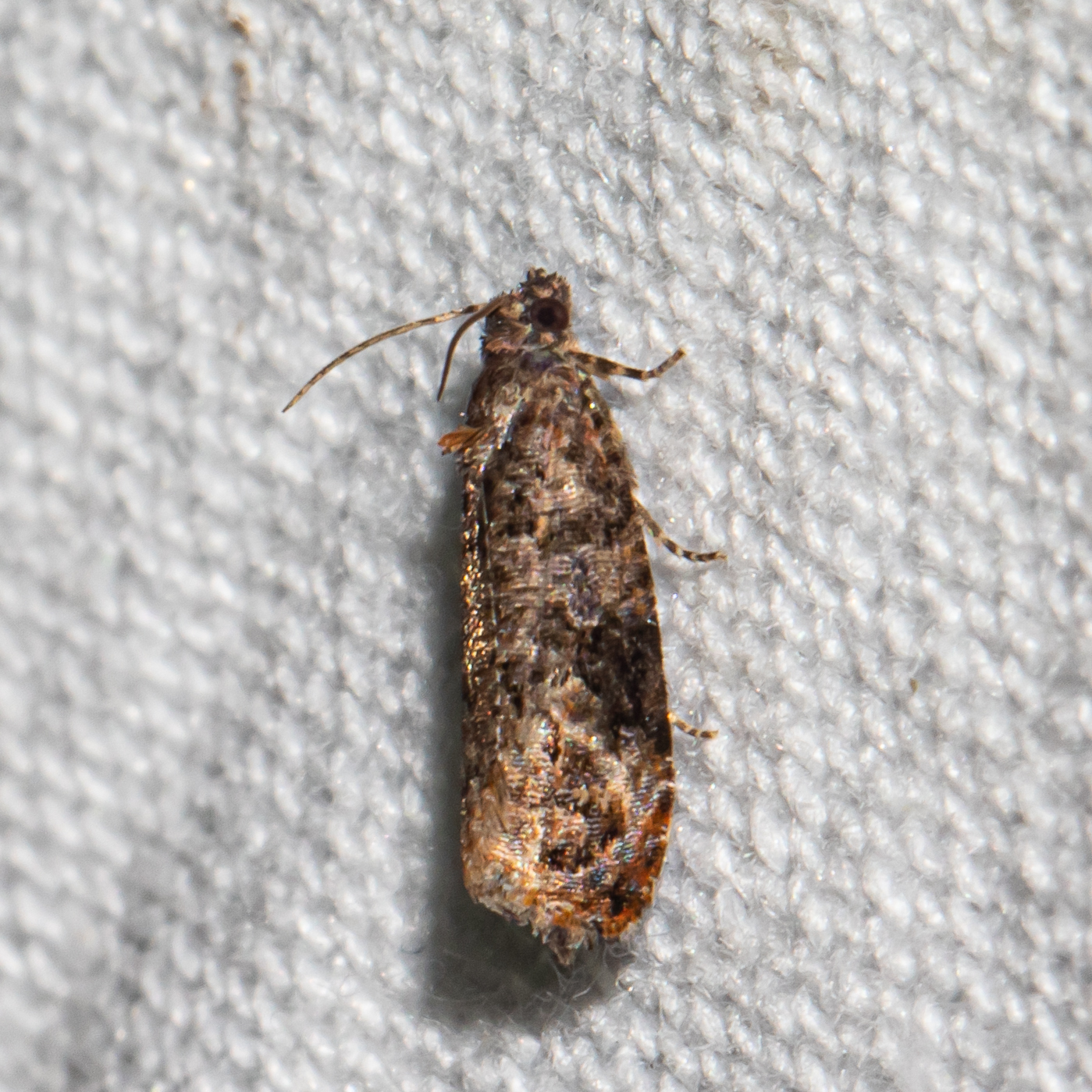
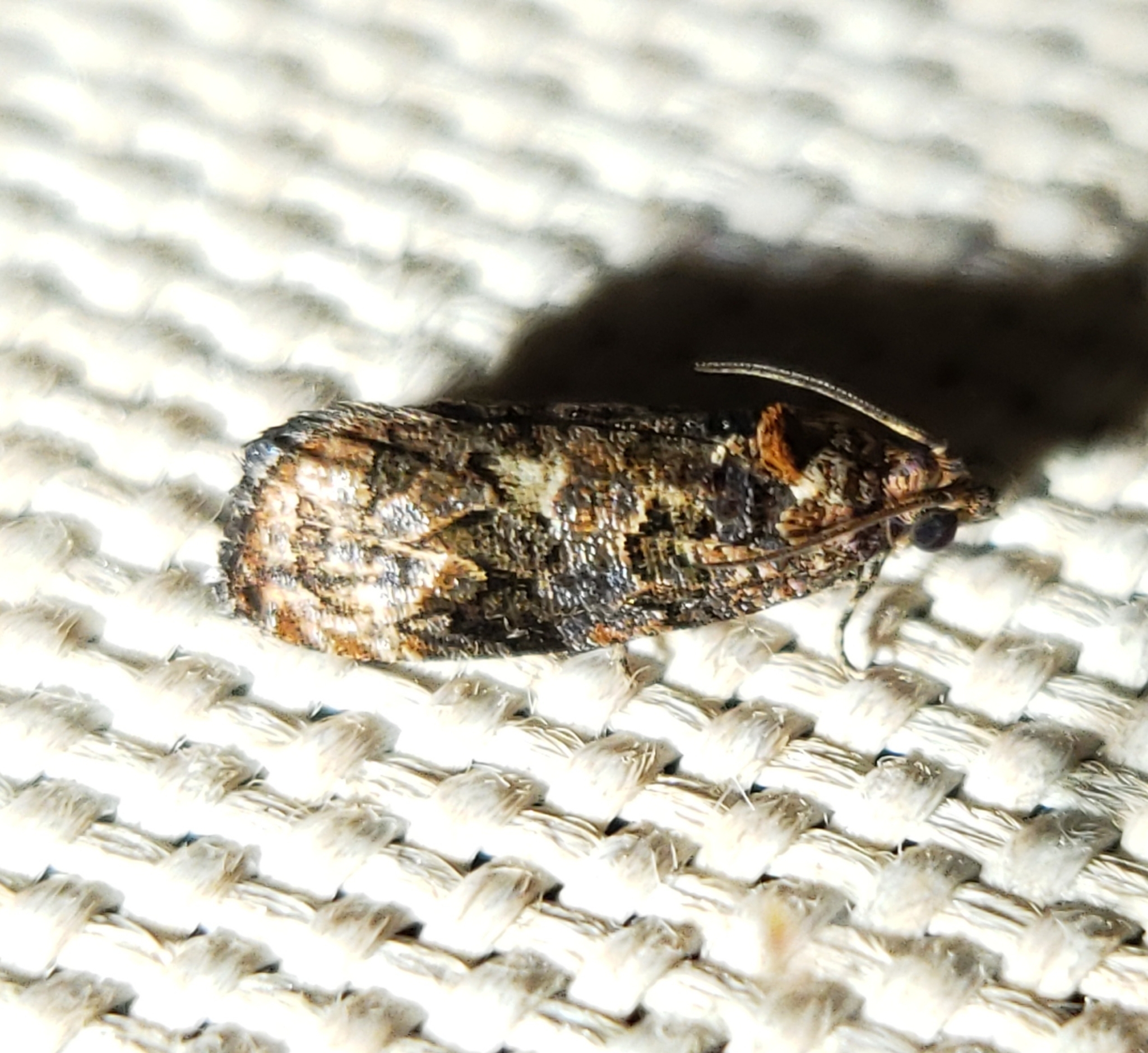
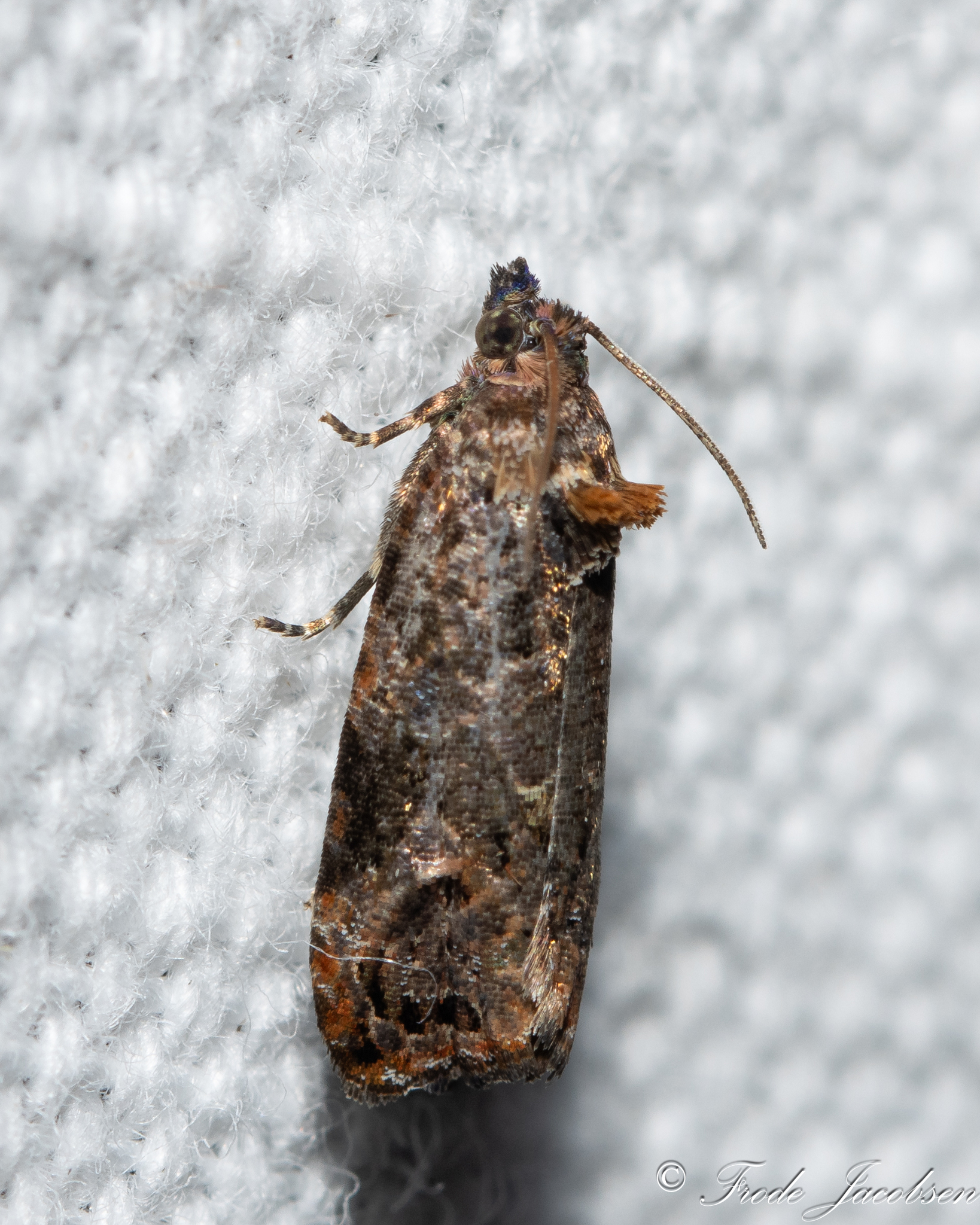
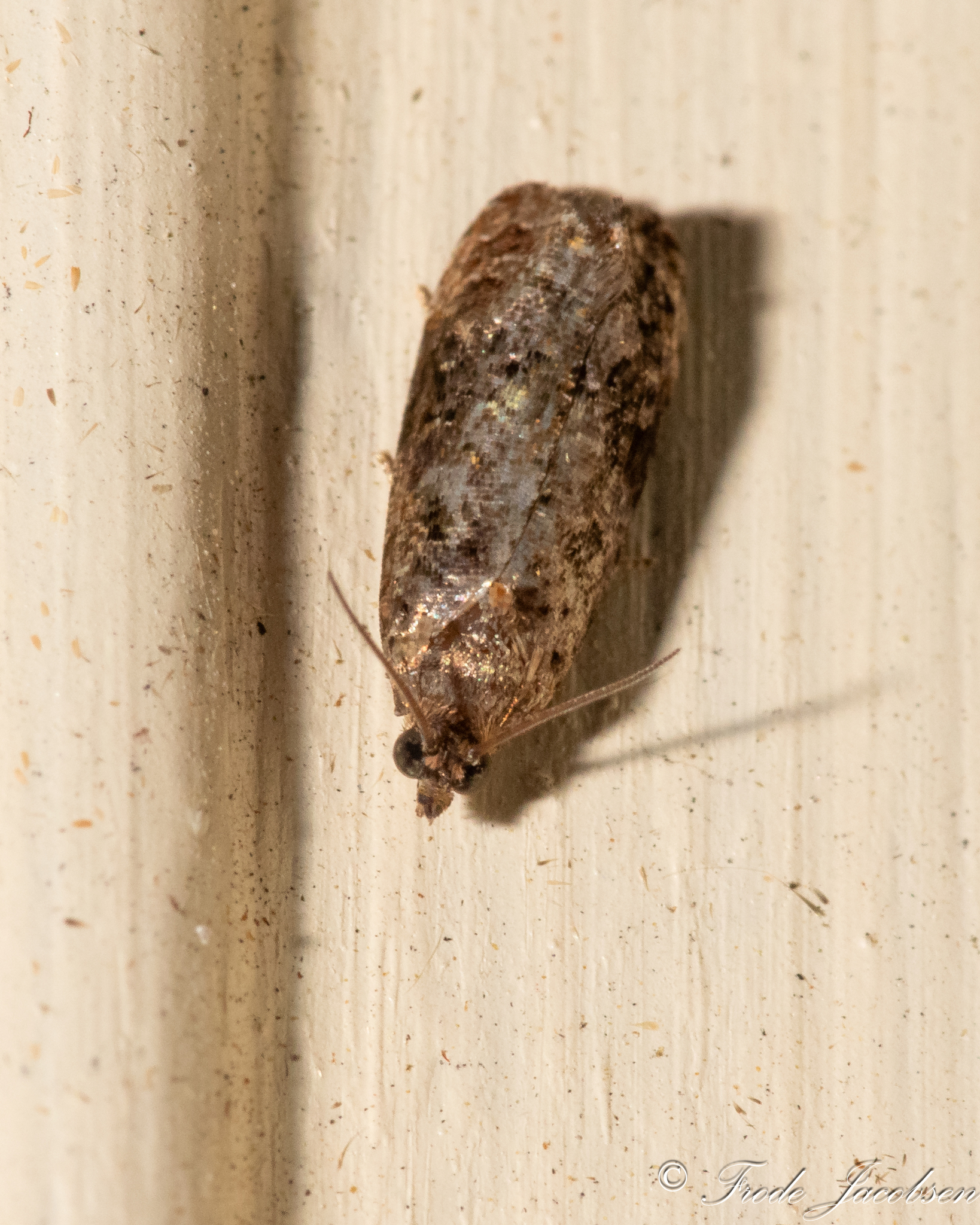
Endothenia hebesana, the verbena bud moth, is a species of moth of the family Tortricidae. It is found in North America, where it has been recorded from Massachusetts, New York, New Jersey, Pennsylvania, Maryland, Virginia, North Carolina, Florida, Texas, Ohio, Indiana, Missouri, California, British Columbia, Alberta, Manitoba and Ontario.[2] The habitat consists of black spruce-sphagnum bogs.
The length of the forewings is 5-8.2 mm for both sexes. The forewings vary from dusky brown to clay. Adults are on wing from late April to mid-June in one or multiple generations per year depending on the latitude.
The larvae feed on the seeds of Antirrhinum, Gentiana, Gerardia, Iris, Orthocarpus, Penstemon, Physostegia, Solidago, Stachys, Teucrium, Tigridia, Verbascum, Verbena, Veronica, Sarracenia, Scrophularia and Scutellaria species. There are five larval instars. Instars four and five overwinter in the flower stalks of the host plant. Pupation takes place in late May.[3]
References
[edit]

- ^ tortricidae.com
- ^ mothphotographersgroup
- ^ Bodeux, B. (2006). "Species Details: Endothenia hebesana". University of Alberta Museums. E.H. Strickland Entomological Museum. Retrieved December 26, 2020.
 | This Olethreutinae-related article is a stub. You can help Wikipedia by adding missing information. |