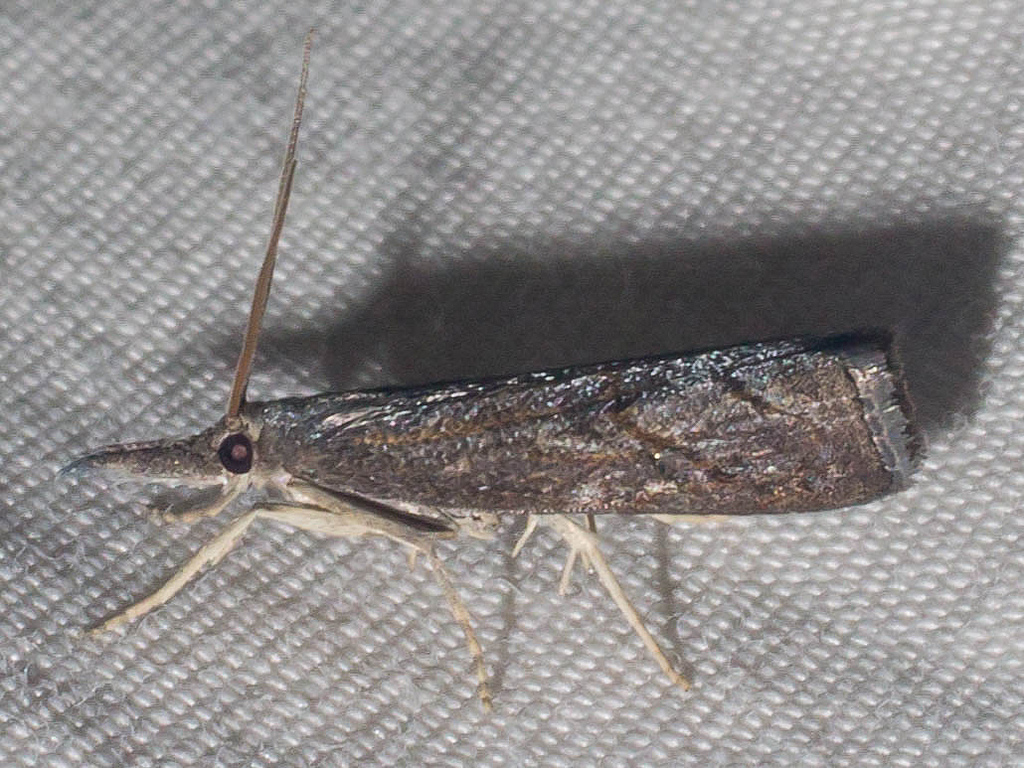
A Corn Root Webworm Moth in Anne Arundel Co., Maryland (7/8/2016). Identification verified by Hugh McGuinness/iNaturalist and Roger Downer/BAMONA.
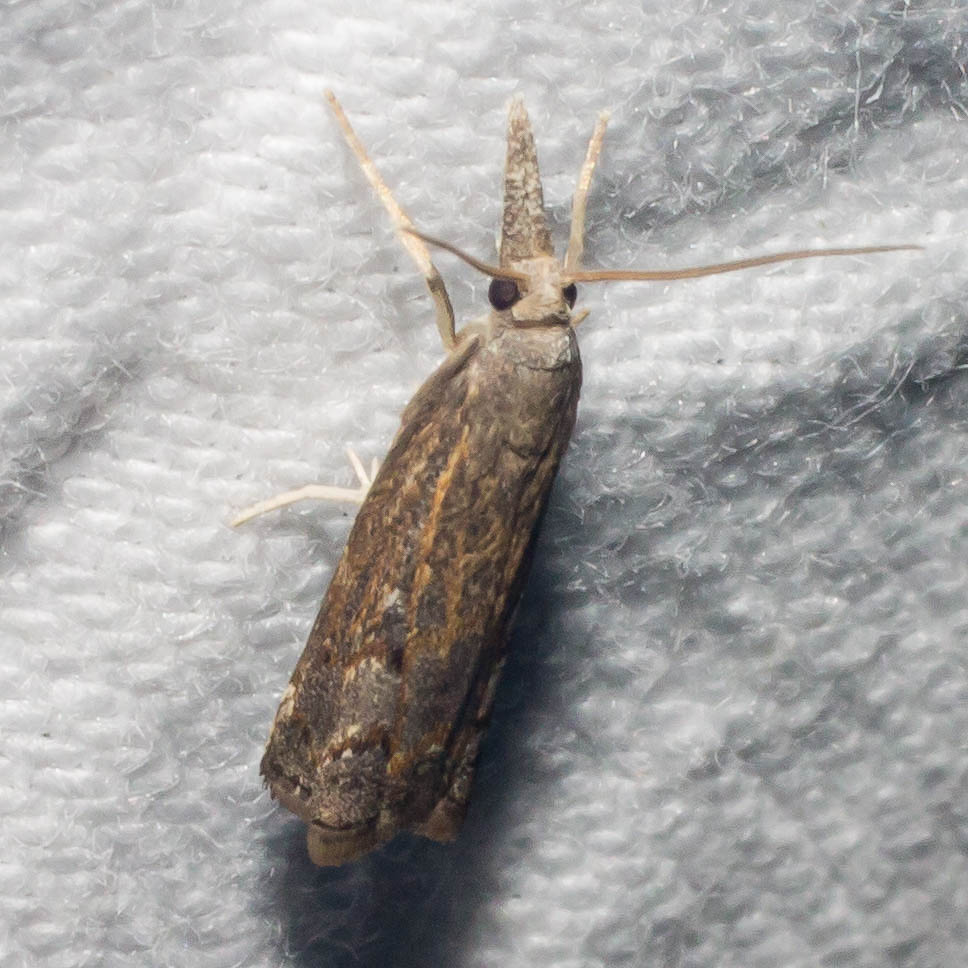
A Corn Root Webworm Moth in Anne Arundel Co., Maryland (6/30/2016). Identification verified by Roger Downer/BAMONA.

A Corn Root Webworm Moth in Prince George's Co., Maryland (6/17/2010).

Corn Root Webworm Moth in Anne Arundel Co., Maryland (7/11/2018). (c) Timothy Reichard, all rights reserved.
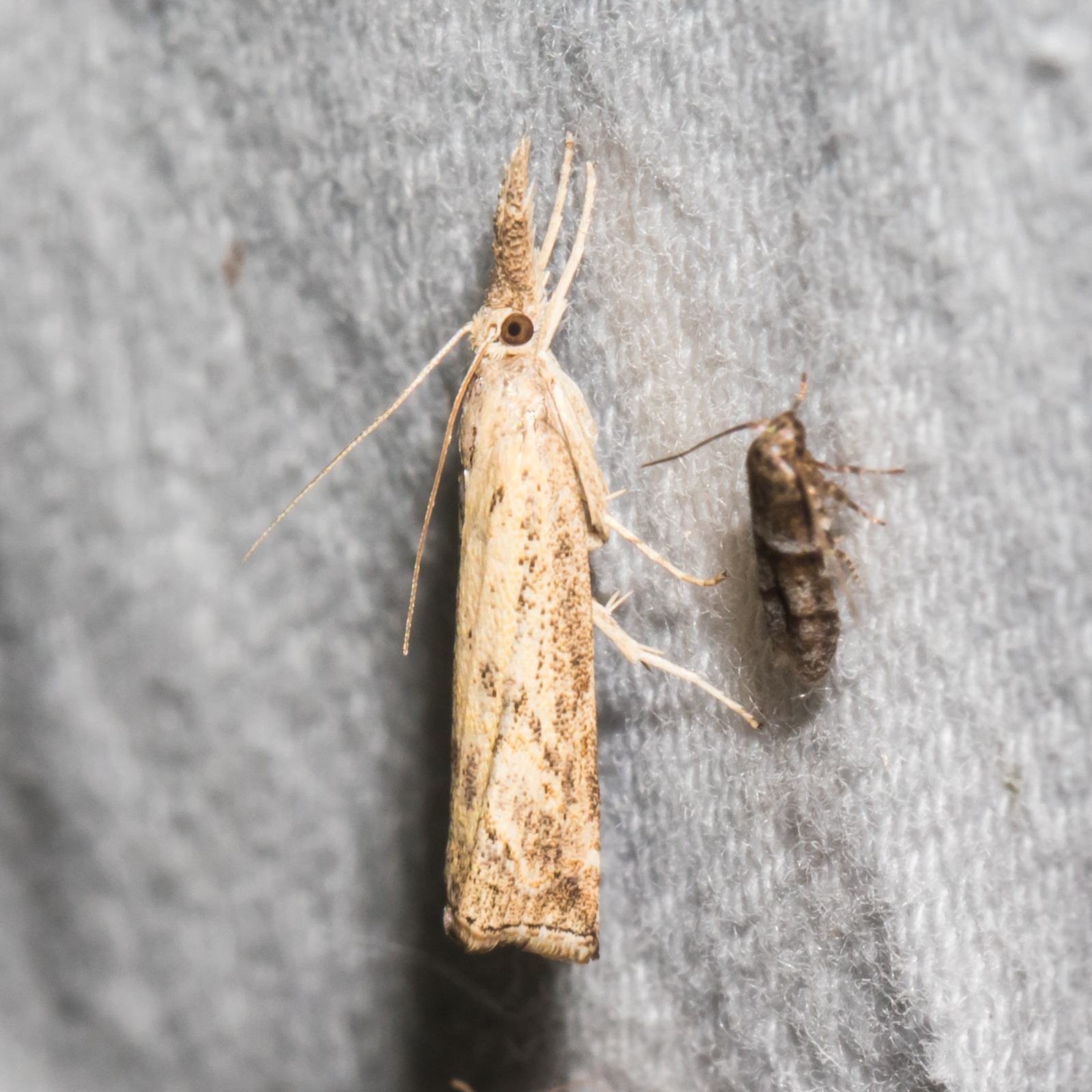
Corn Root Webworm Moth in Anne Arundel Co., Maryland (7/10/2018). (c) Timothy Reichard, all rights reserved.
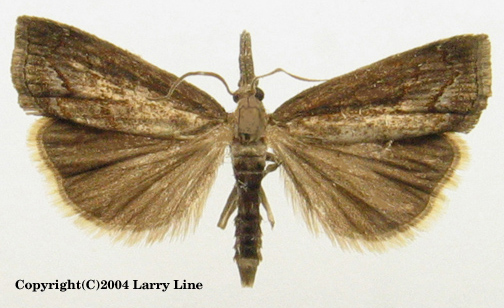
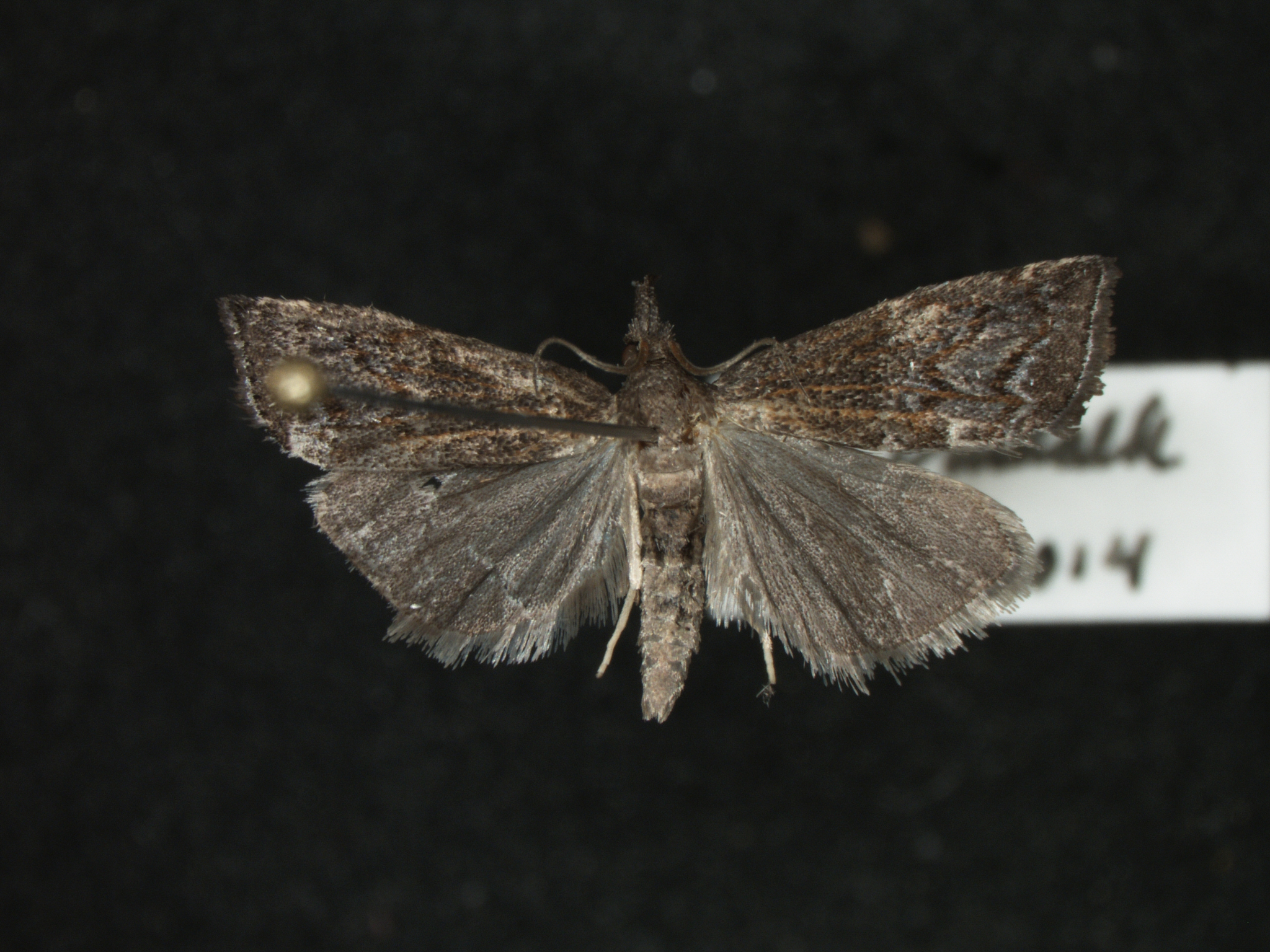
A Corn Root Webworm Moth collected by John Glaser.
Photo by
Larry Line
MBP List
Corn Root Webworm Moth in Baltimore Co., Maryland (7/25/2014). (c) jdyoung128, some rights reserved (CC BY-NC).
Map Snapshot


57 Records
Citations
No citations linked for this taxon yet.
Use of media featured on Maryland
Biodiversity Project is only permitted with express permission of the
photographer.
A Corn Root Webworm Moth in Anne Arundel Co., Maryland (7/8/2016). Identification verified by Hugh McGuinness/iNaturalist and Roger Downer/BAMONA.
View Record Details
Media by
Timothy Reichard.
A Corn Root Webworm Moth in Anne Arundel Co., Maryland (6/30/2016). Identification verified by Roger Downer/BAMONA.
View Record Details
Media by
Timothy Reichard.
A Corn Root Webworm Moth in Prince George's Co., Maryland (6/17/2010).
View Record Details
Media by
Bob Patterson.
Corn Root Webworm Moth in Anne Arundel Co., Maryland (7/11/2018). (c) Timothy Reichard, all rights reserved.
View Record Details
Media by
Timothy Reichard.
Corn Root Webworm Moth in Anne Arundel Co., Maryland (7/10/2018). (c) Timothy Reichard, all rights reserved.
View Record Details
Media by
Timothy Reichard.
A Corn Root Webworm Moth collected by John Glaser.
Media by
Larry Line.
Corn Root Webworm Moth in Baltimore Co., Maryland (7/25/2014). (c) jdyoung128, some rights reserved (CC BY-NC).
View Record Details
Media by
jdyoung128 via iNaturalist.
Source: Wikipedia
| Neodactria caliginosellus | |
|---|---|
Scientific classification 
| |
| Kingdom: | Animalia |
| Phylum: | Arthropoda |
| Clade: | Pancrustacea |
| Class: | Insecta |
| Order: | Lepidoptera |
| Family: | Crambidae |
| Subfamily: | Crambinae |
| Tribe: | Crambini |
| Genus: | Neodactria |
| Species: | N. caliginosellus
|
| Binomial name | |
| Neodactria caliginosellus (Clemens, 1860)
| |
| Synonyms | |
| |
Neodactria caliginosellus, the corn root webworm or black grass-veneer, is a moth in the family Crambidae. It was described by James Brackenridge Clemens in 1860.[1] It is found in North America, where it has been recorded from Alabama, Alberta, California, Florida, Georgia, Illinois, Indiana, Maine, Maryland, Mississippi, North Carolina, Ohio, Oklahoma, Ontario, South Carolina and Tennessee.[2] The habitat consists of grassy areas and fields.
The larvae feed on turf grasses and corn stalks. They have a pale white to gray body.[3]
References
[edit]- ^ "GlobIZ search". Global Information System on Pyraloidea. Retrieved 2014-07-15.
- ^ Moth Photographers Group. Mississippi State University.
- ^ Bug Guide