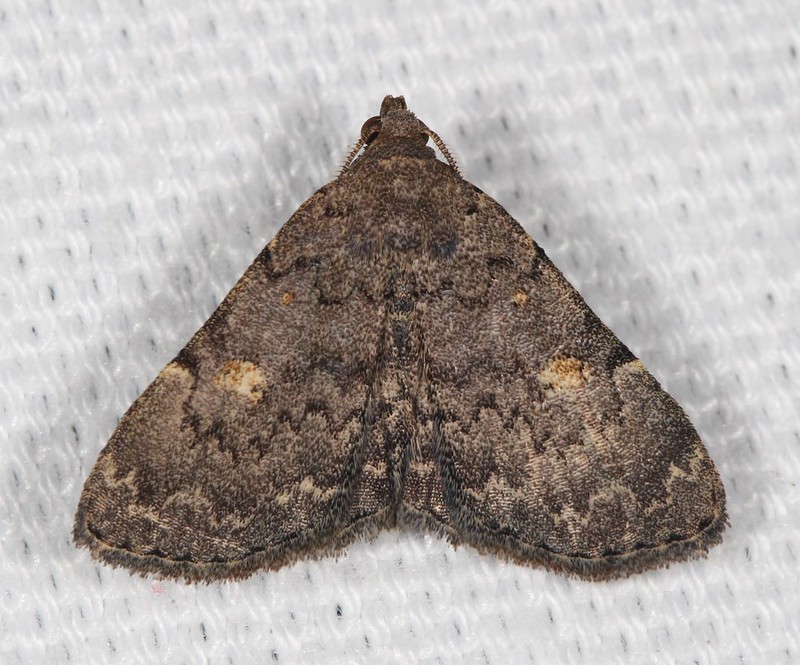
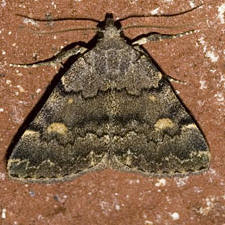
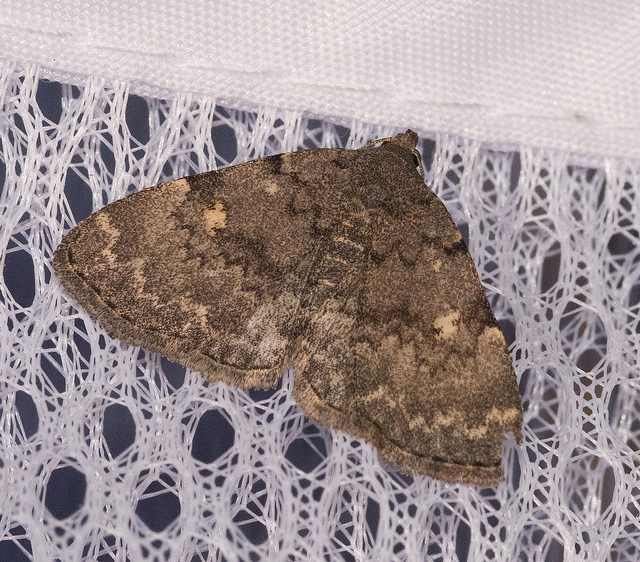
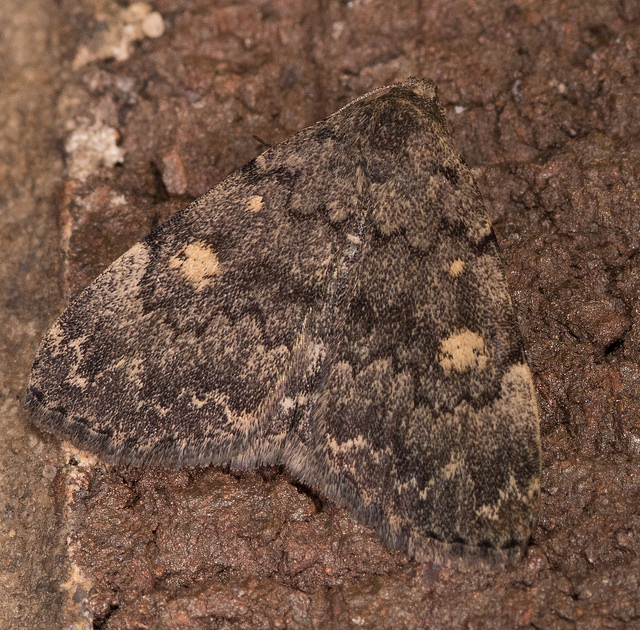
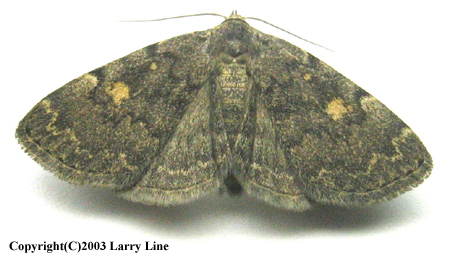
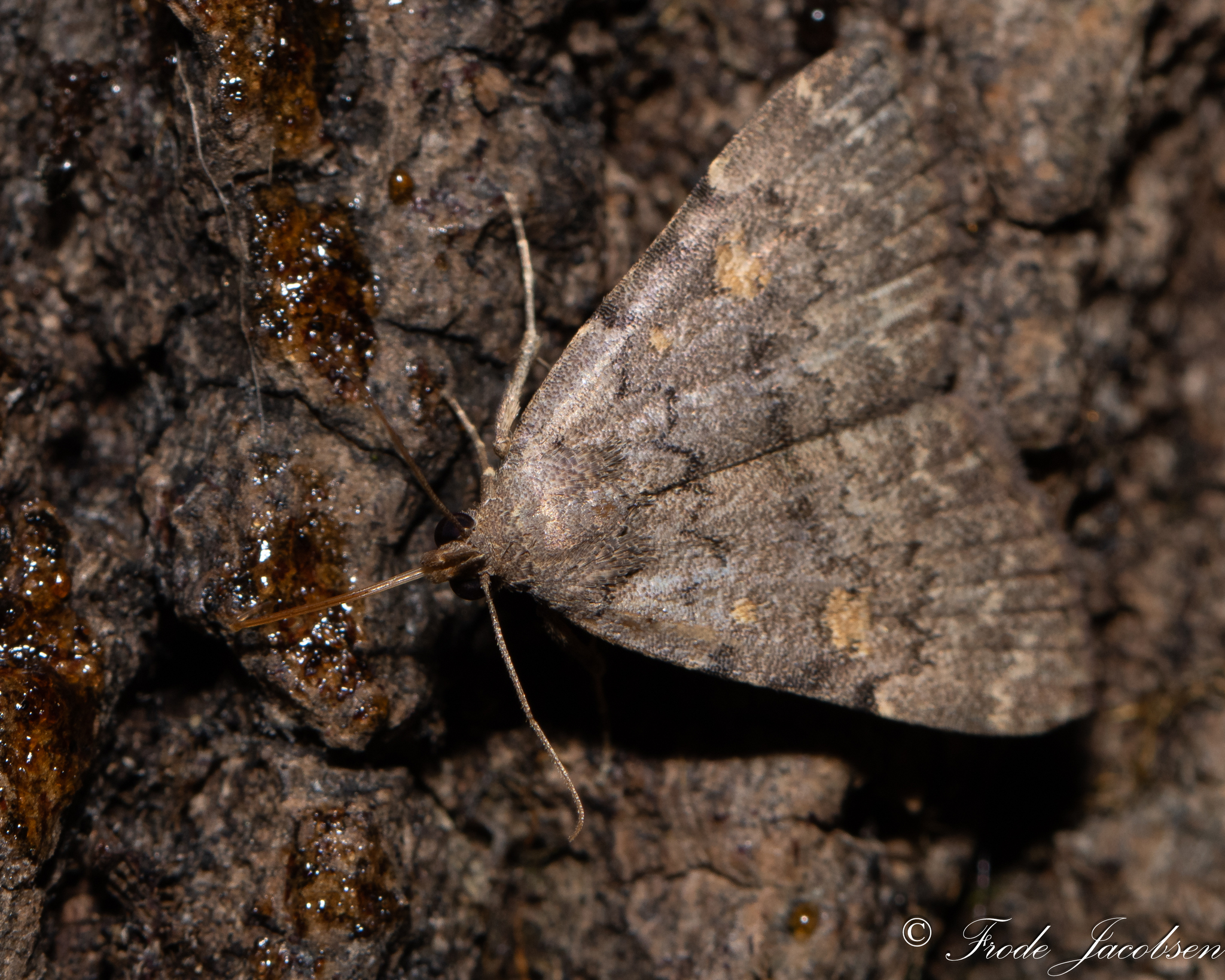
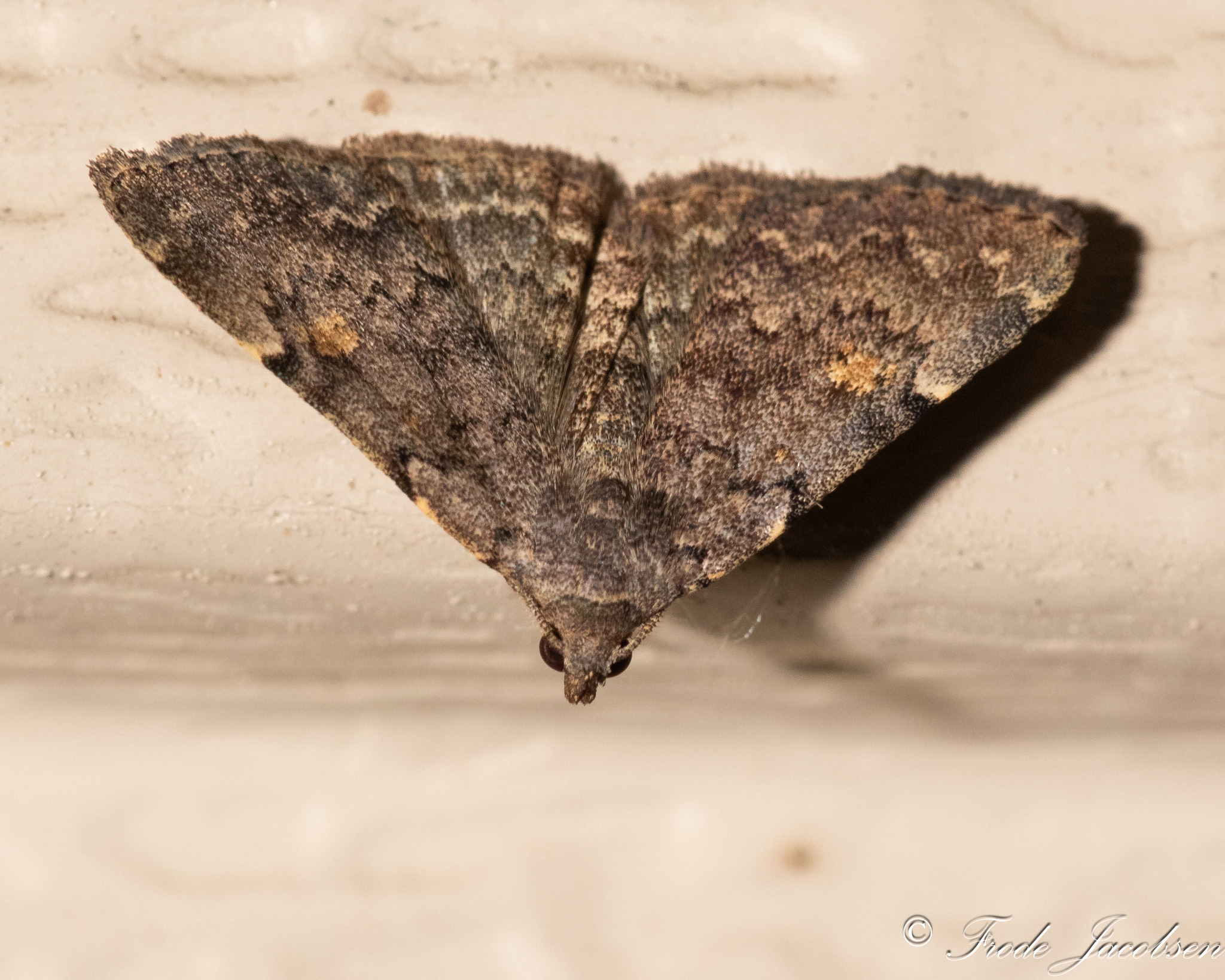
This is a challenging genus in need of further study. Compare Idia concisa (undescribed), other members of genus Idia, and members of the genus Tetanolita.
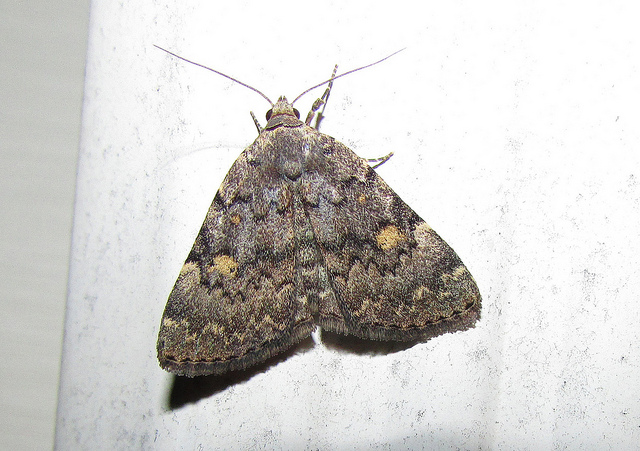
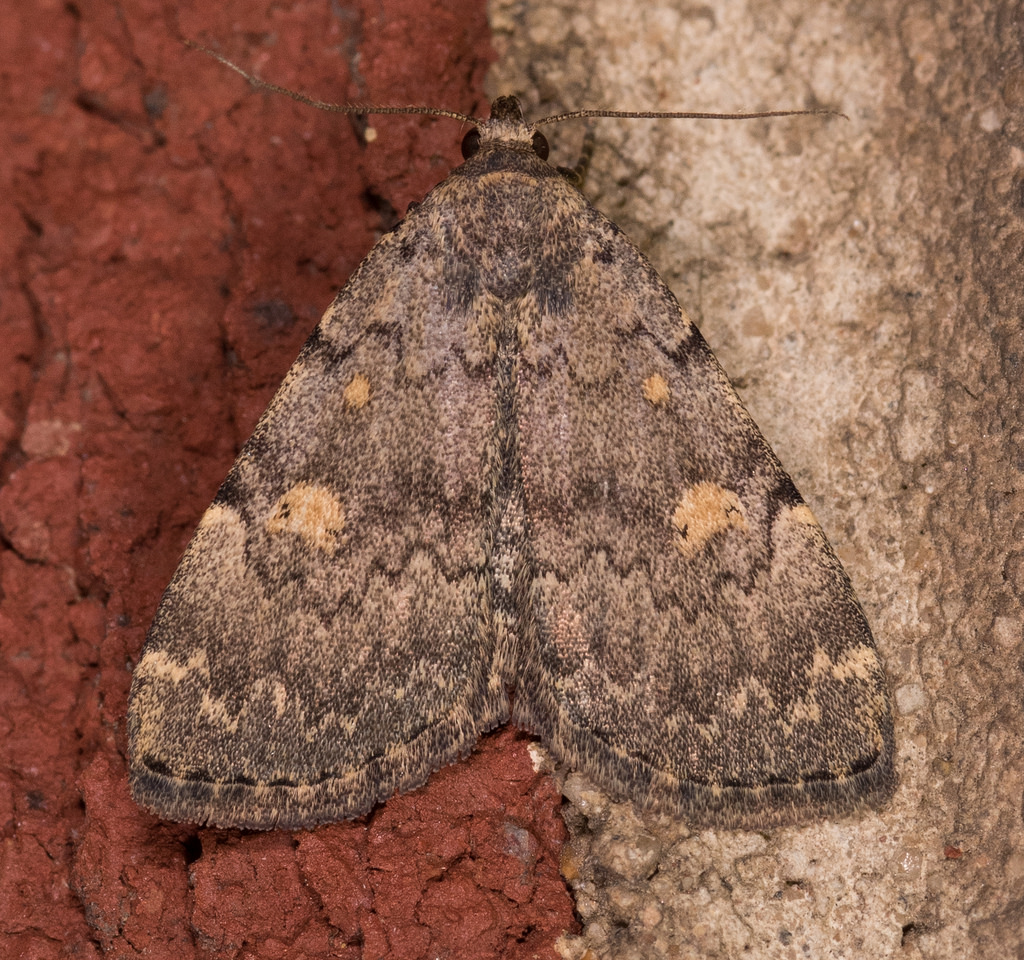
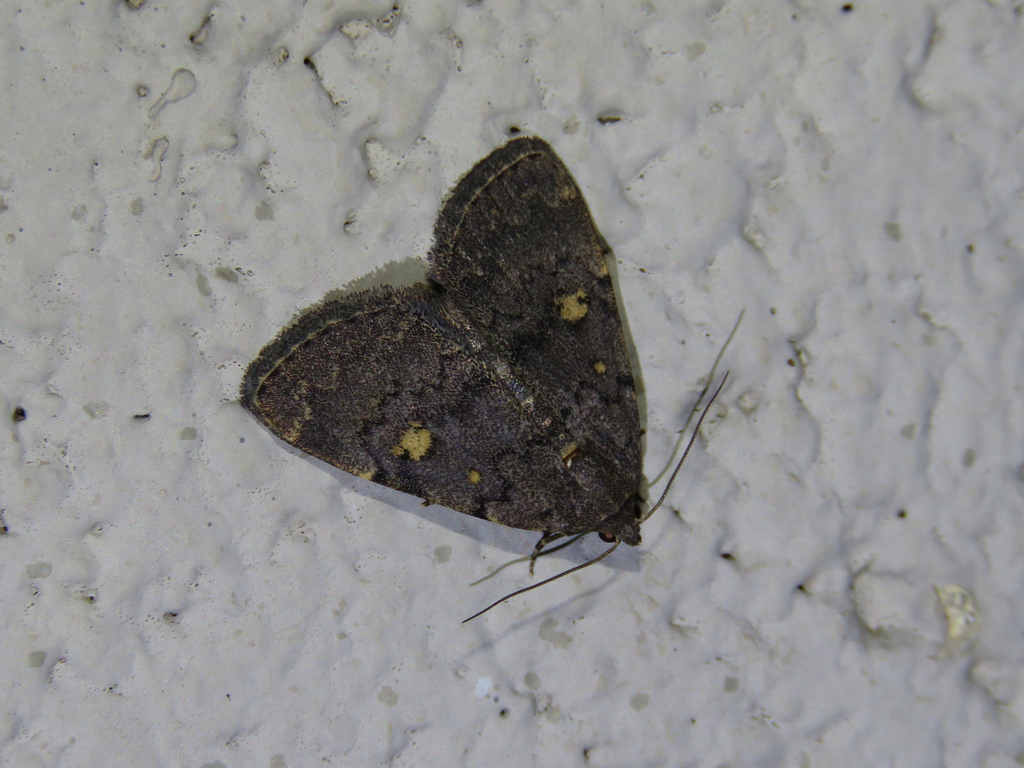
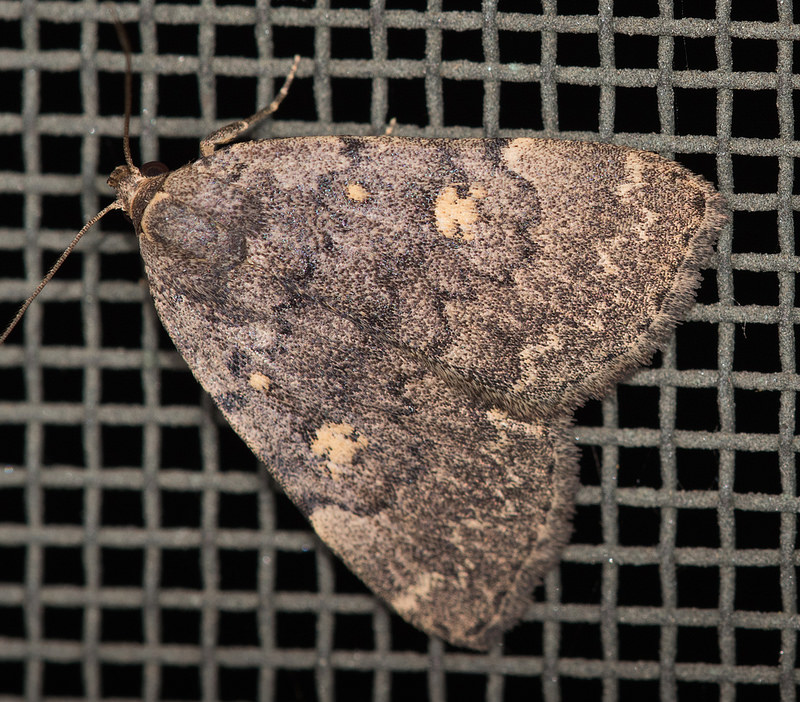
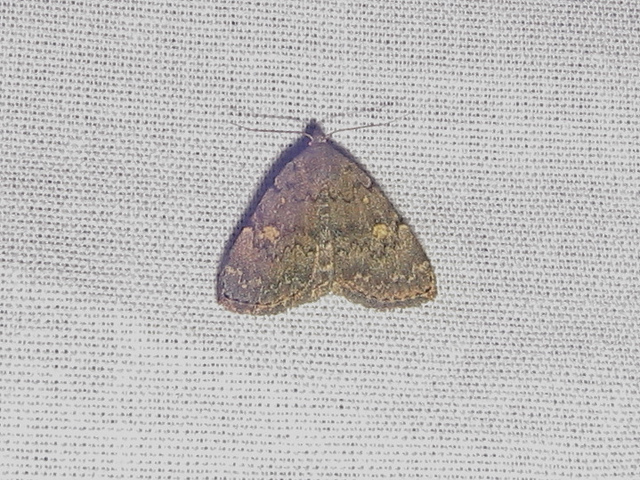
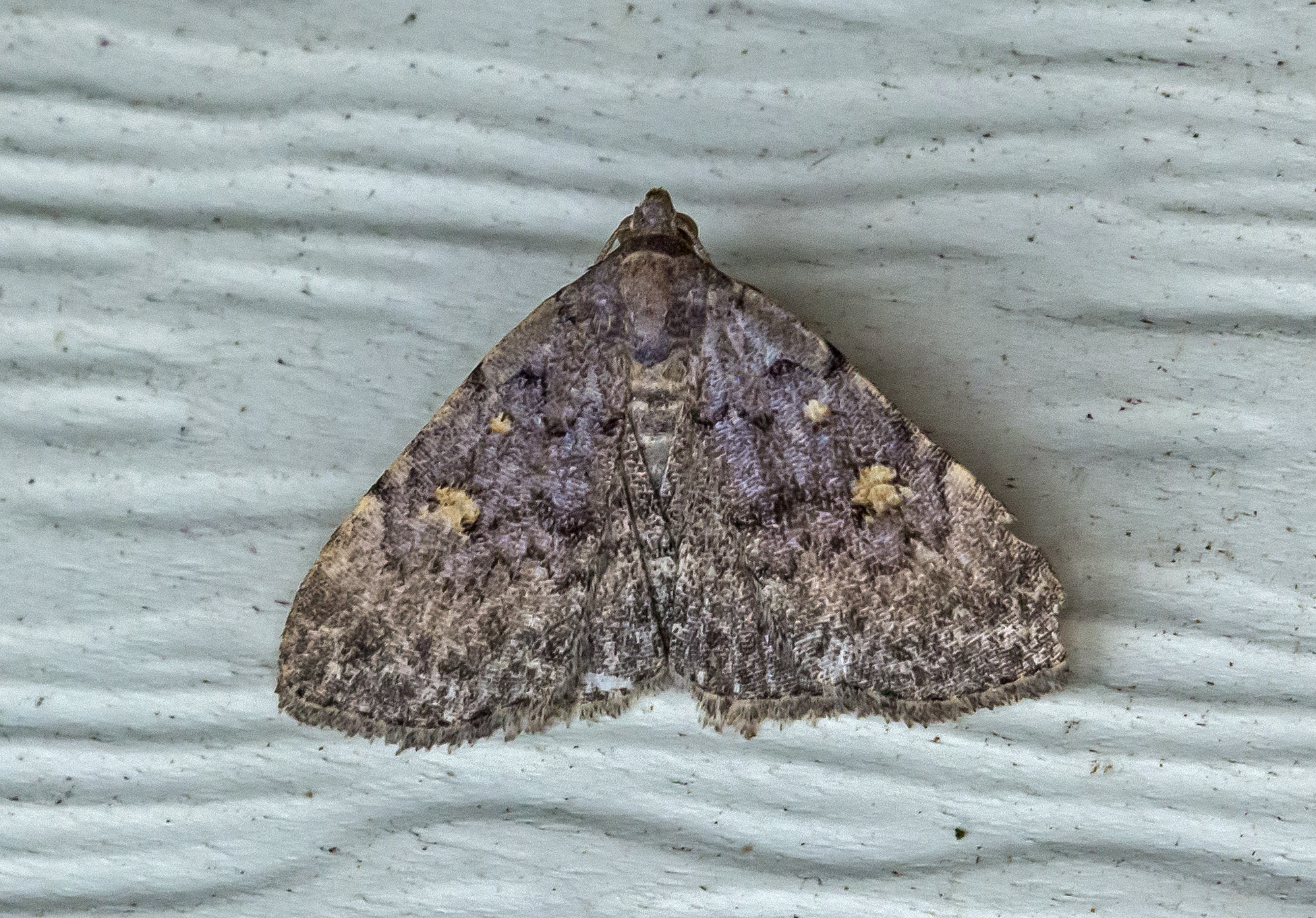
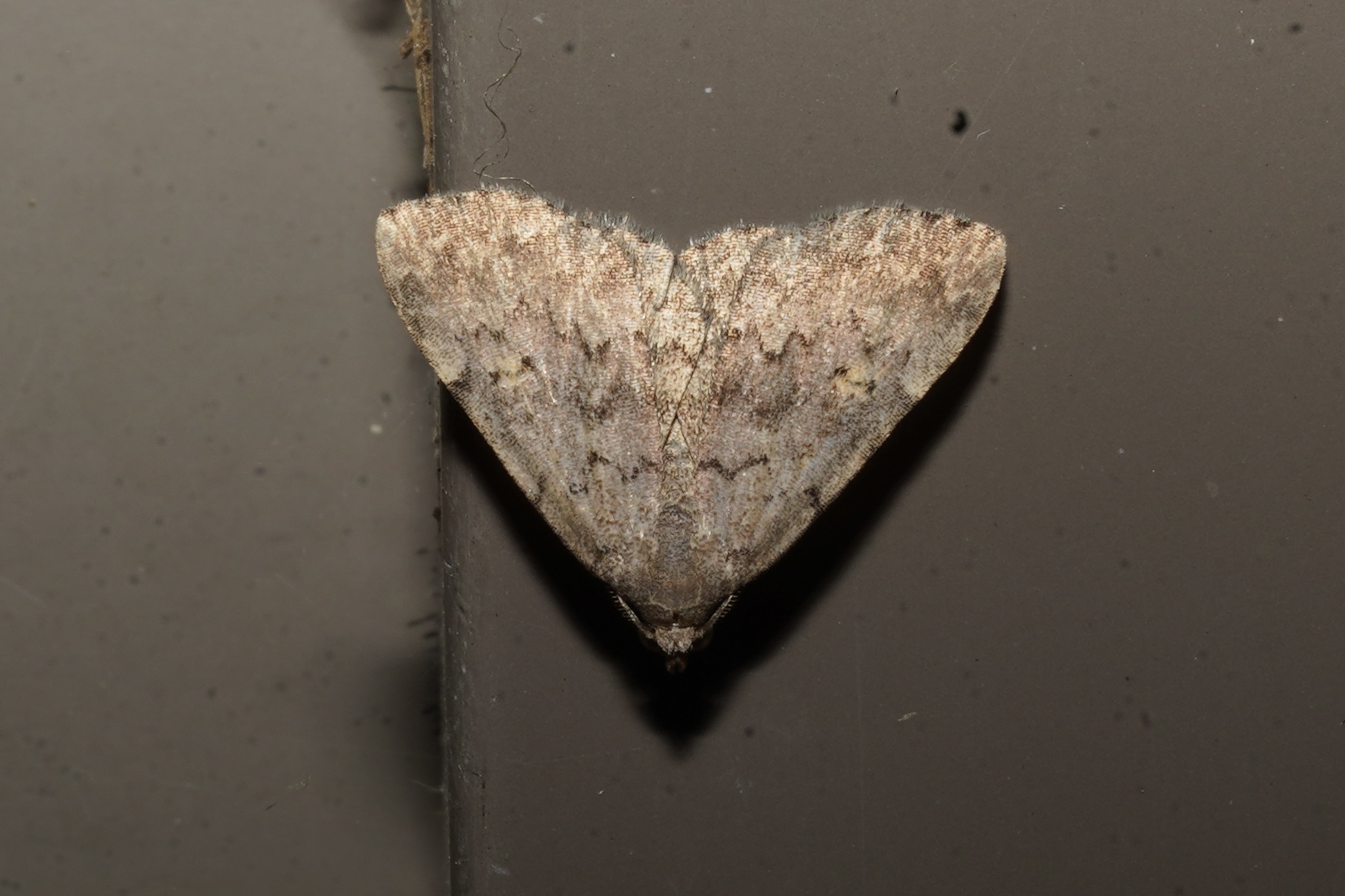
Common Idia Moth in Garrett Co., Maryland (Date obscured). (c) Kyle Klotz, all rights reserved.
View Record Details
Media by
Kyle Klotz.
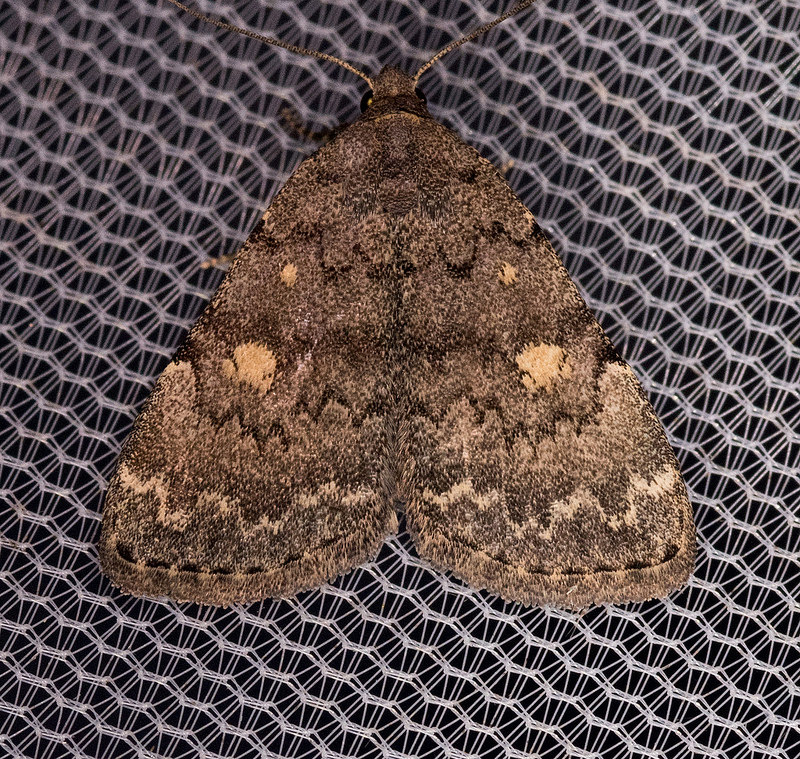
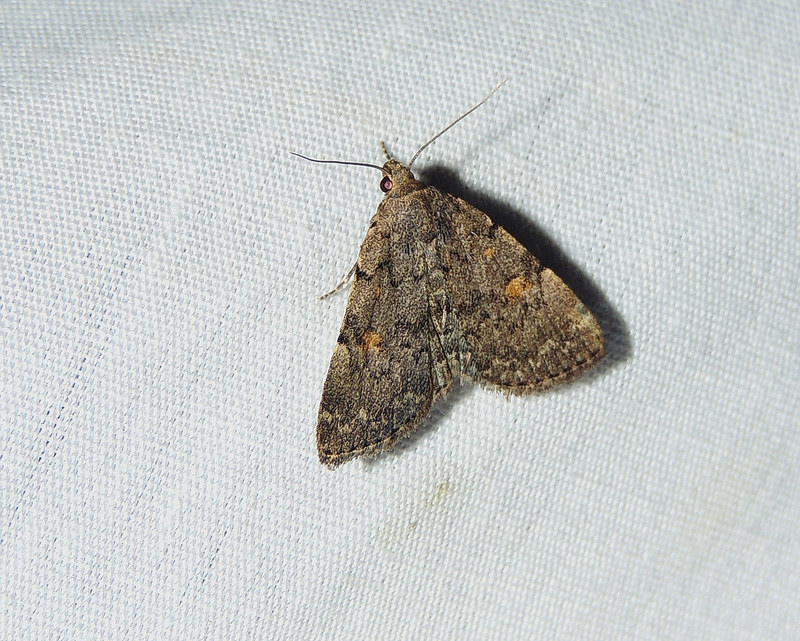
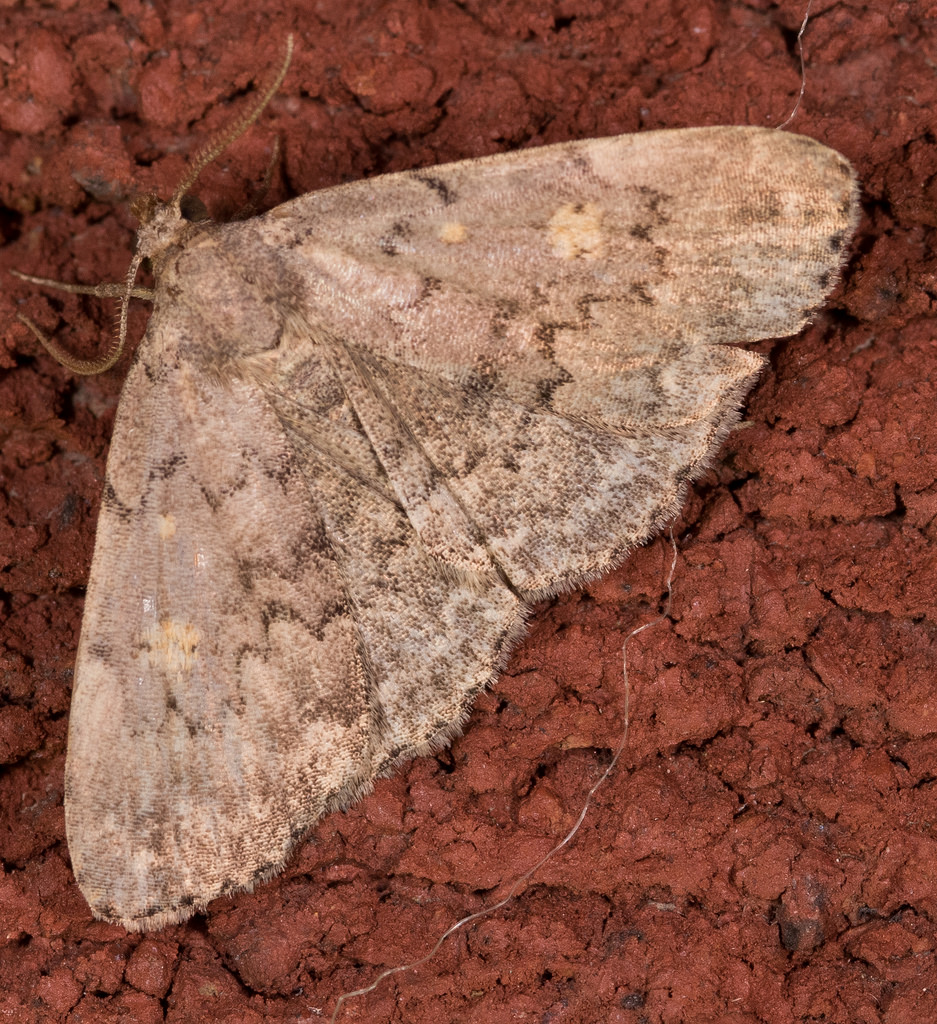
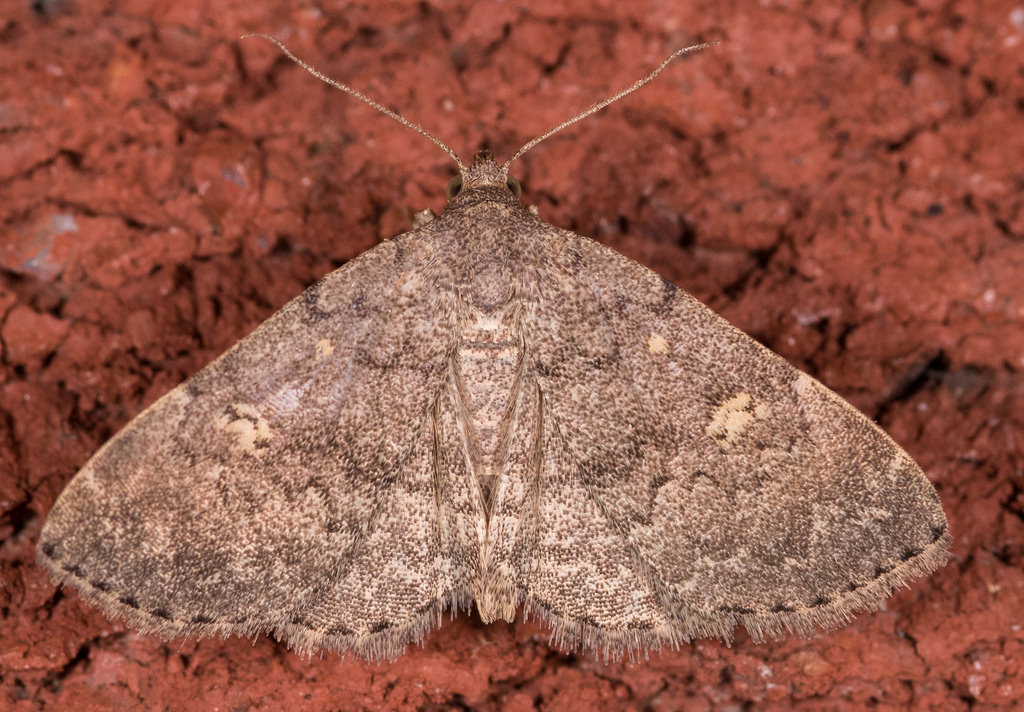
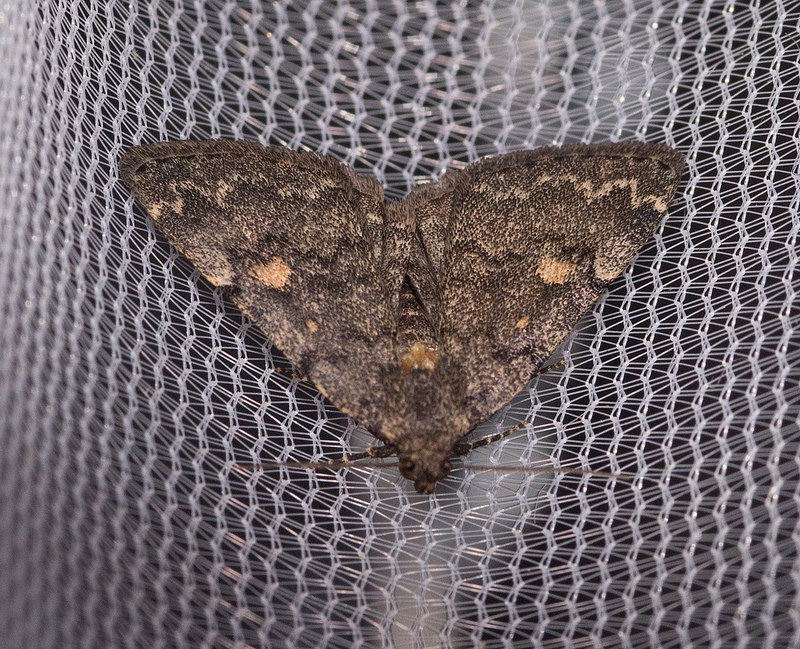
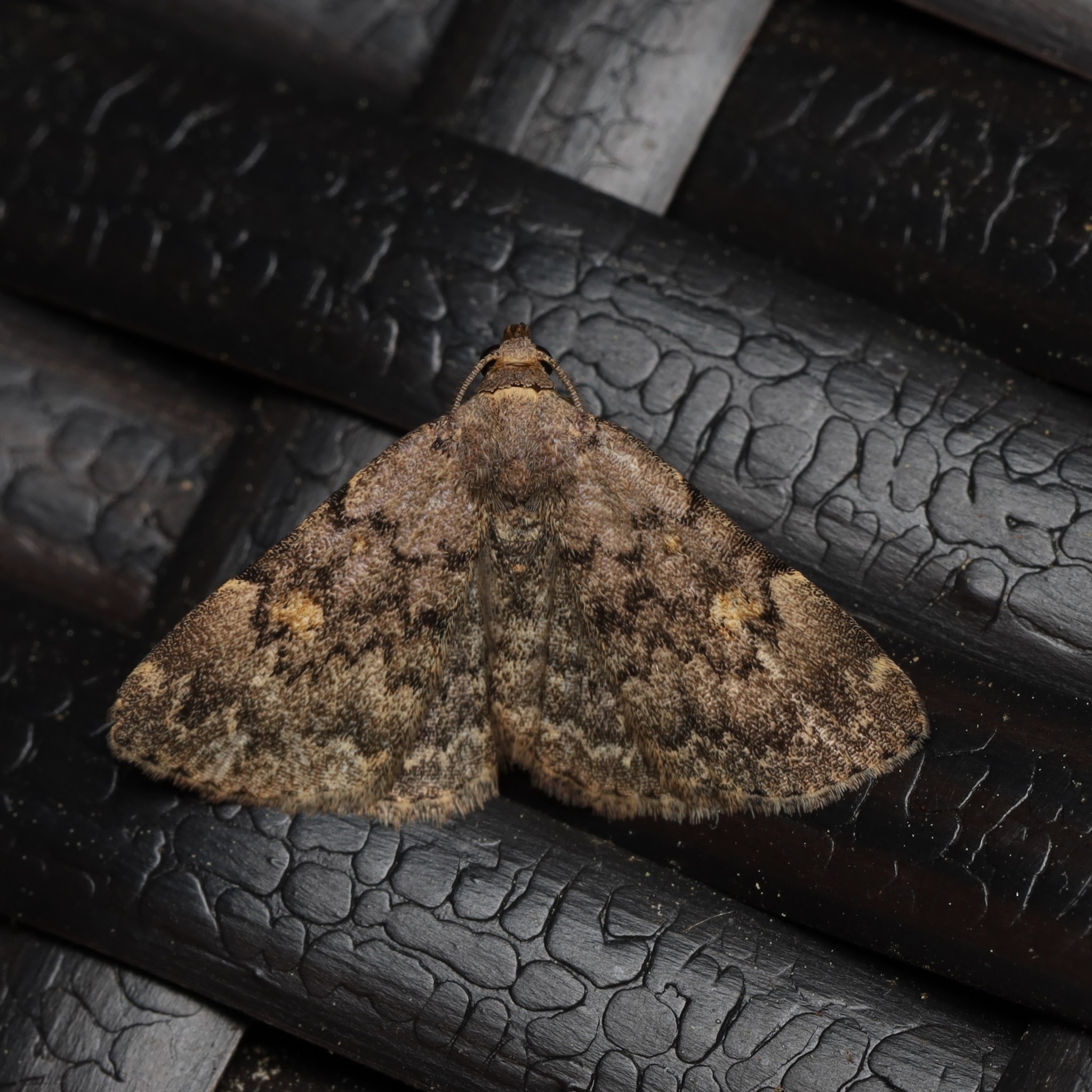
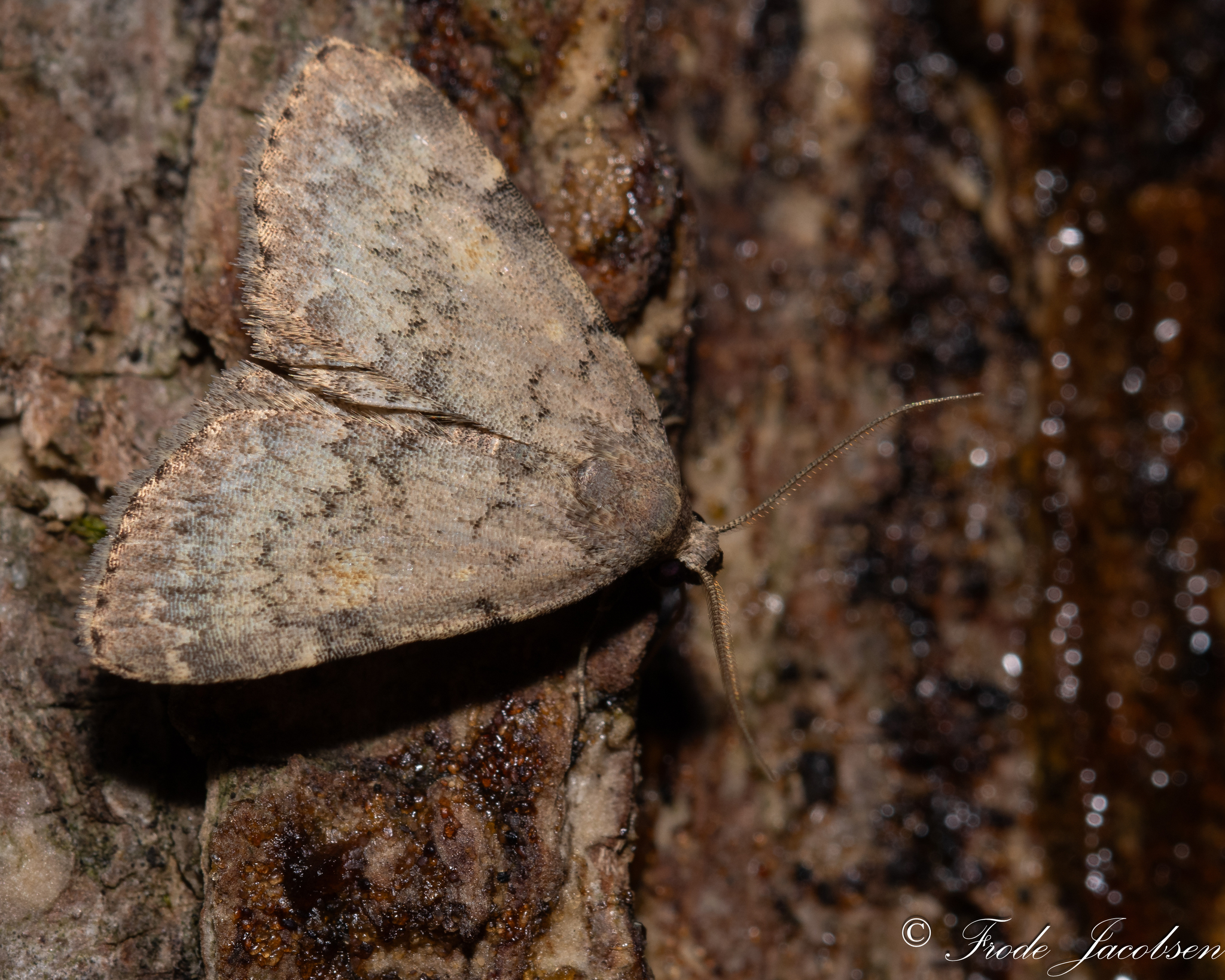
Common Idia Moth in Baltimore Co., Maryland (10/16/2022). (c) Frode Jacobsen, some rights reserved (CC BY-NC)
View Record Details
Media by
Frode Jacobsen.
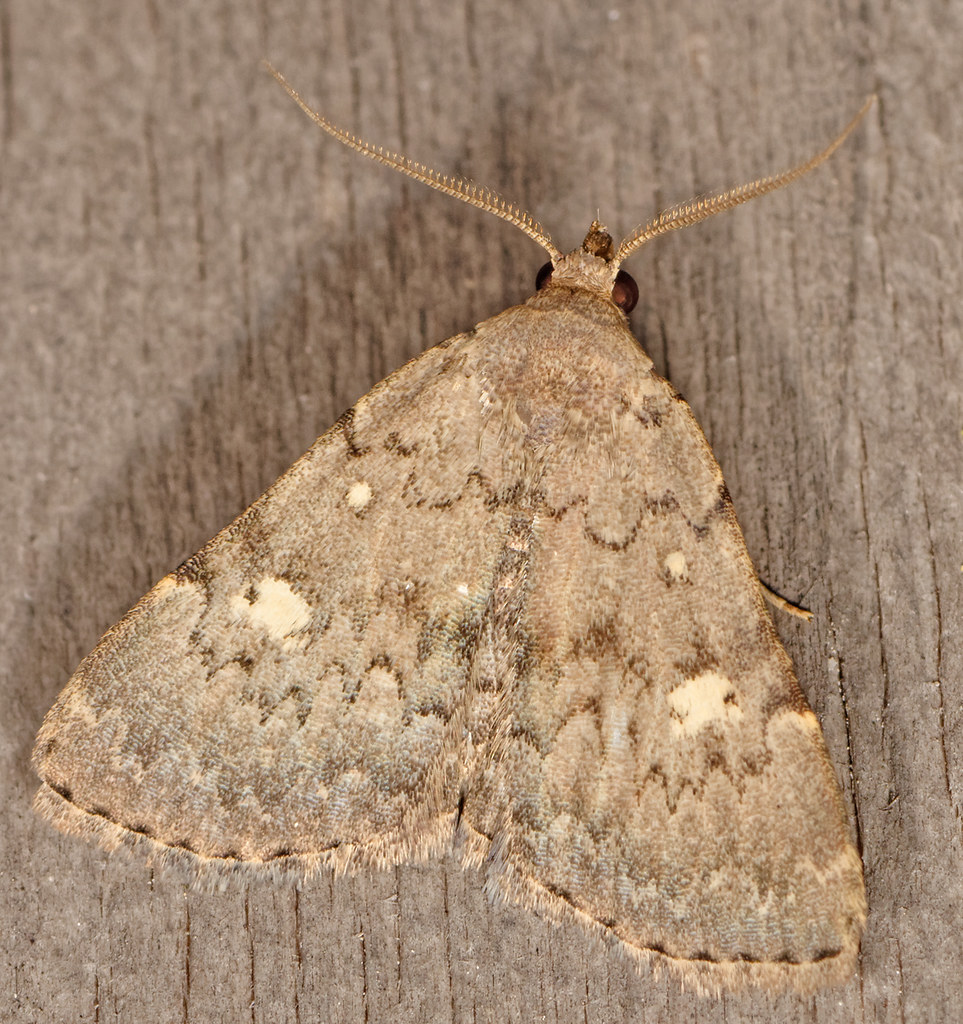
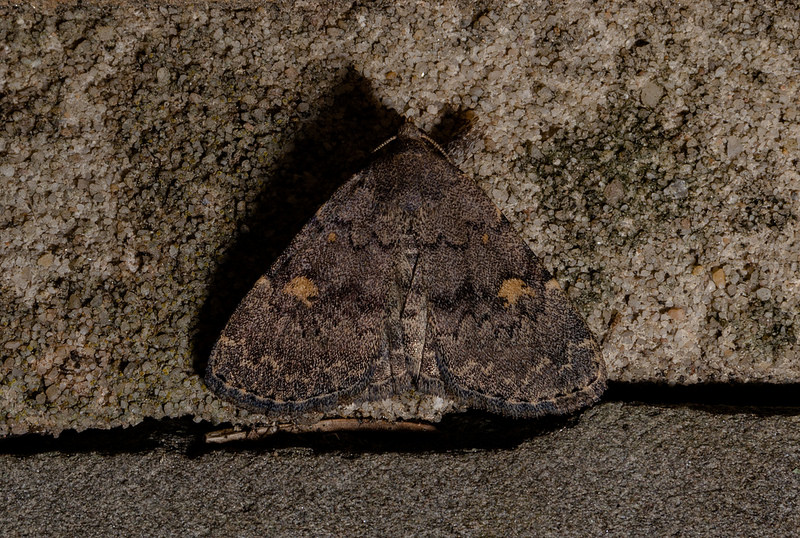
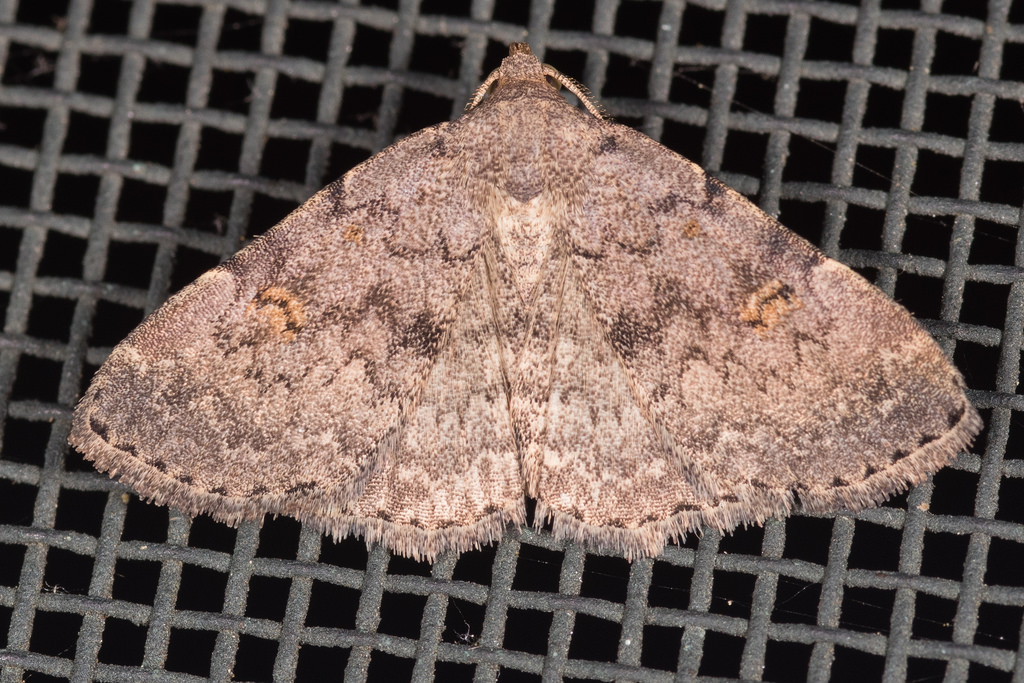
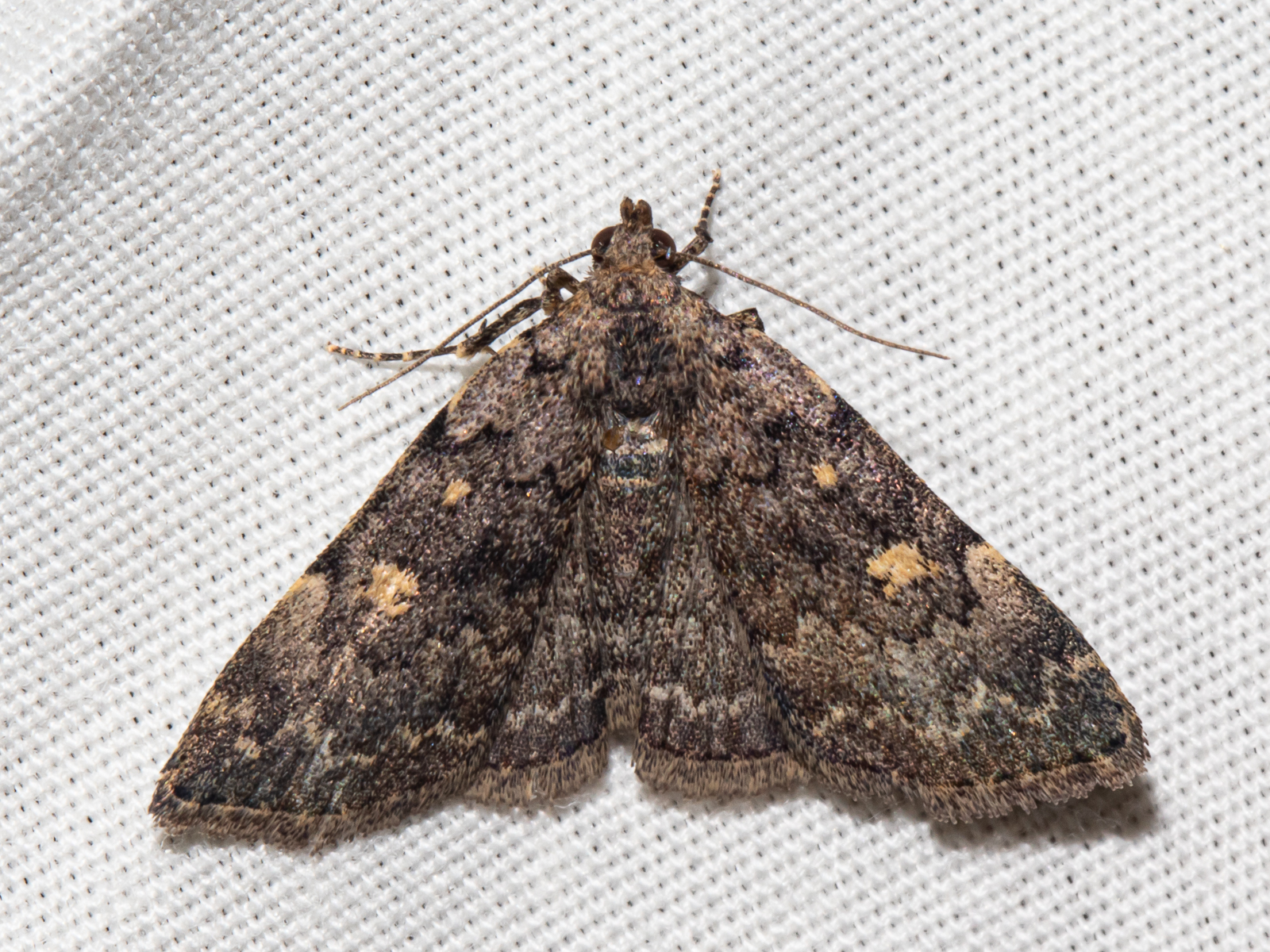
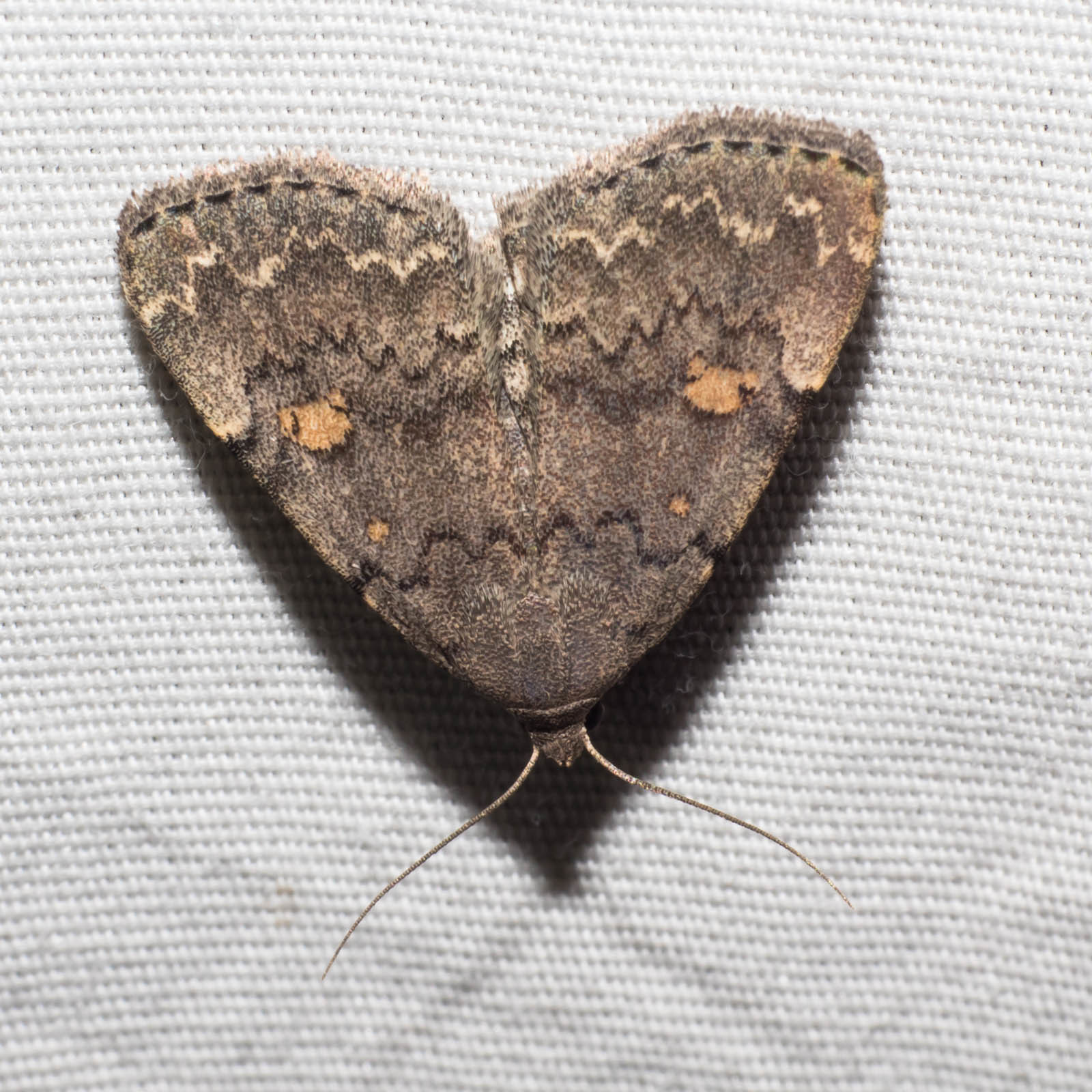
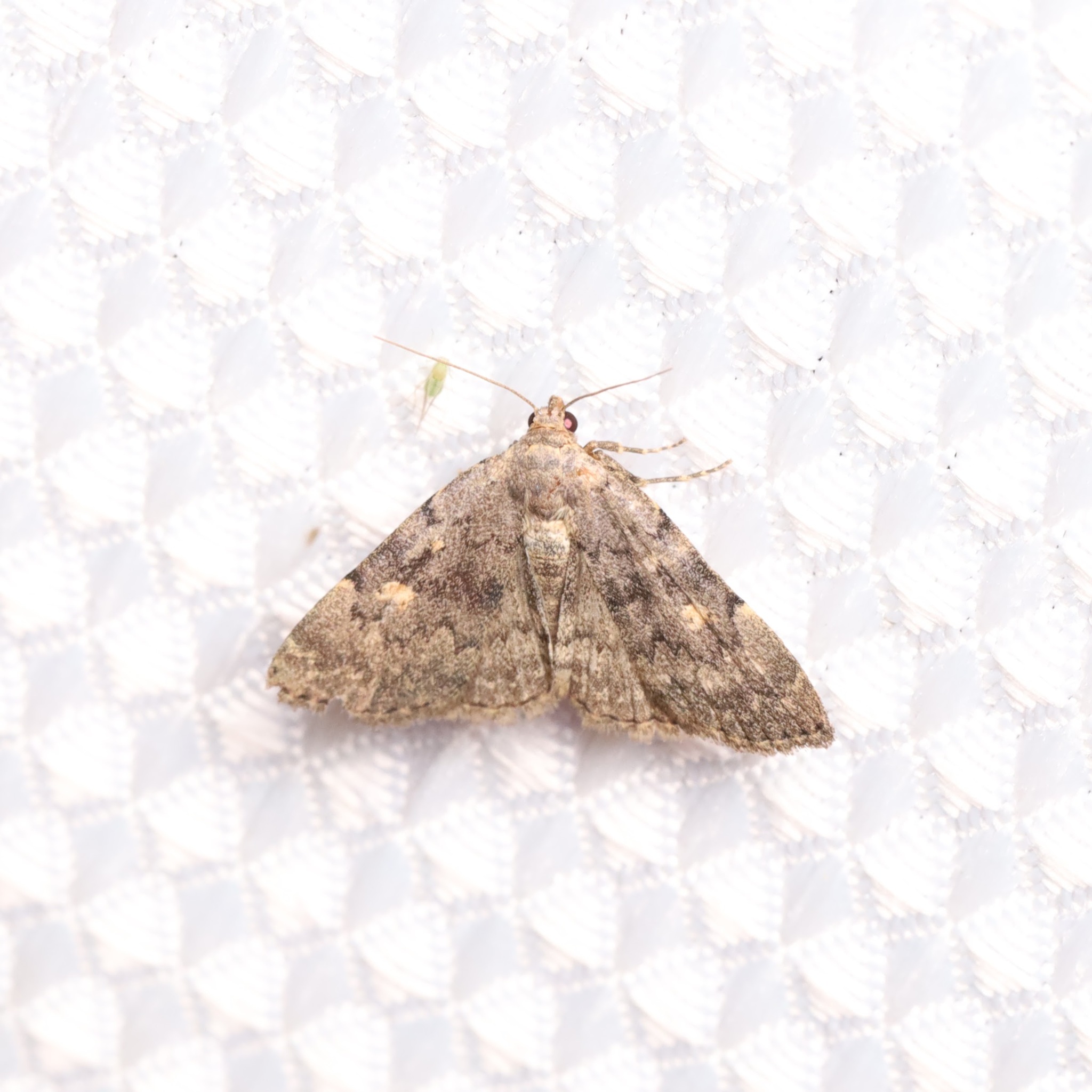
Common Idia Moth in Baltimore Co., Maryland (10/16/2022). (c) Frode Jacobsen, some rights reserved (CC BY-NC)
View Record Details
Media by
Frode Jacobsen.
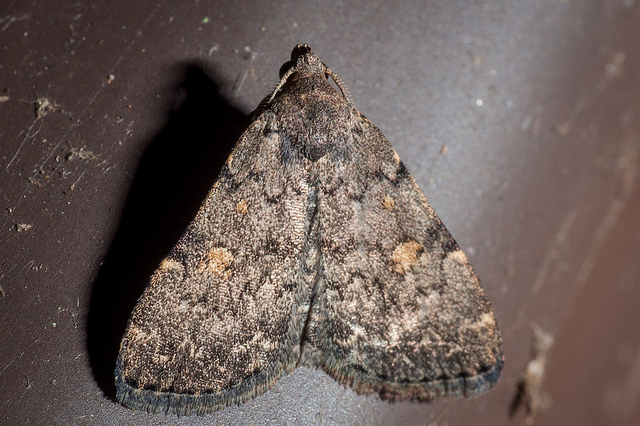
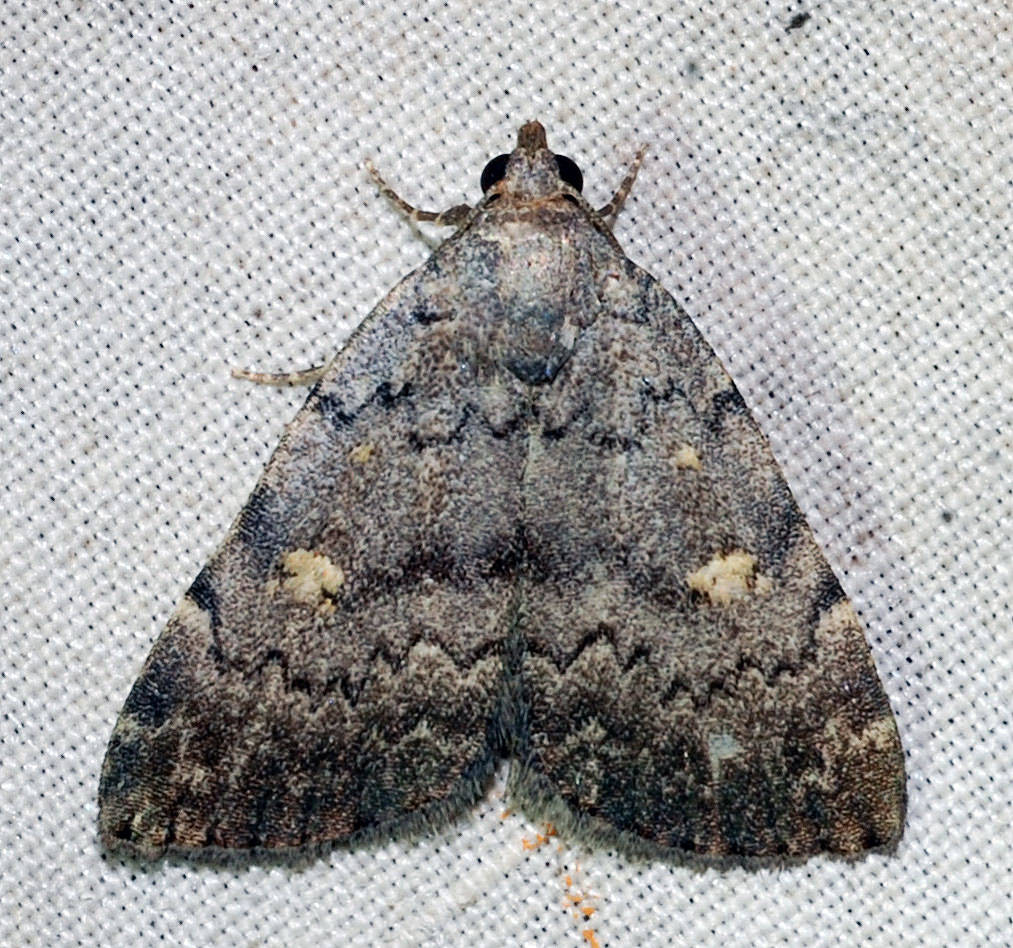
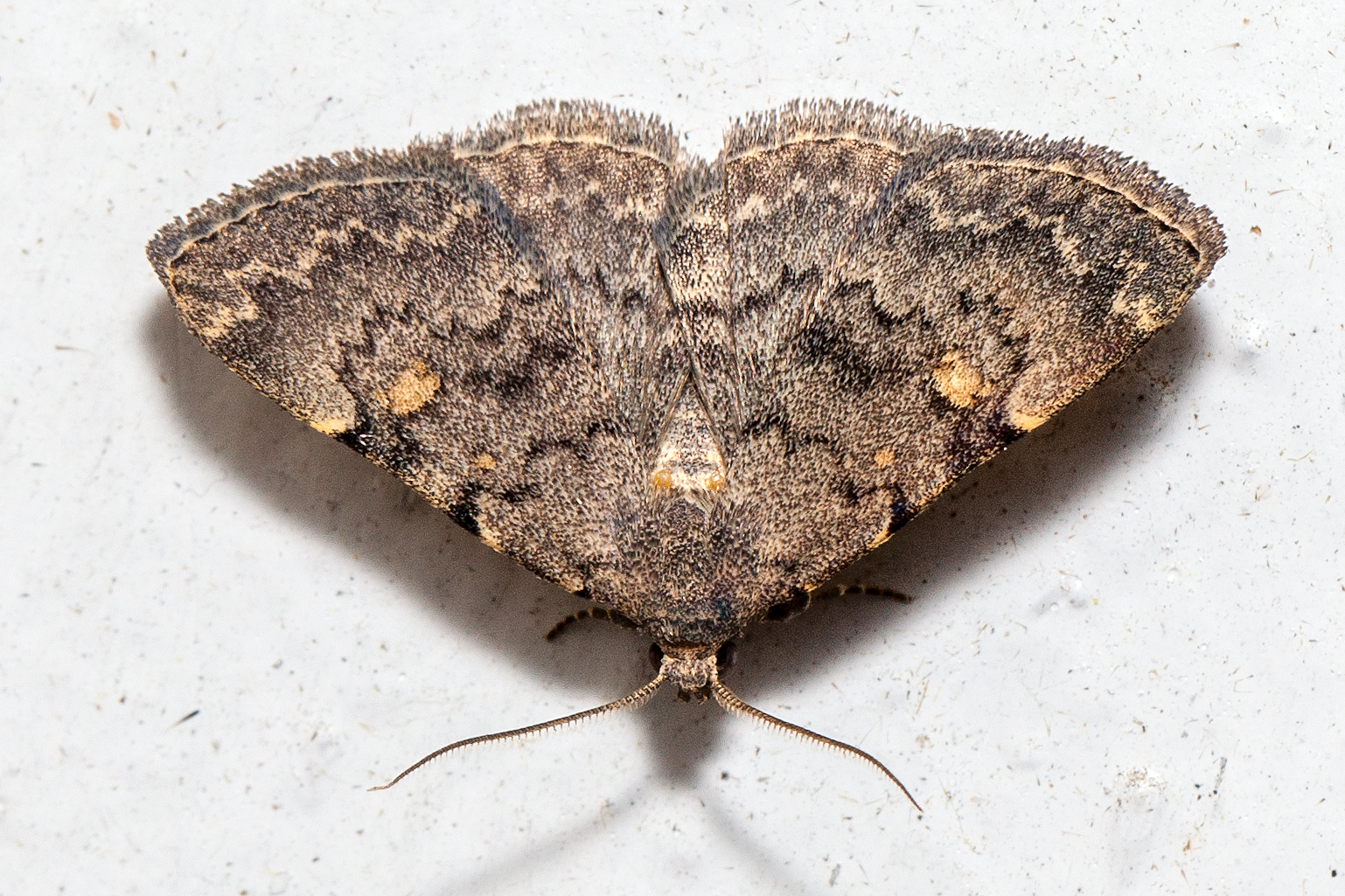
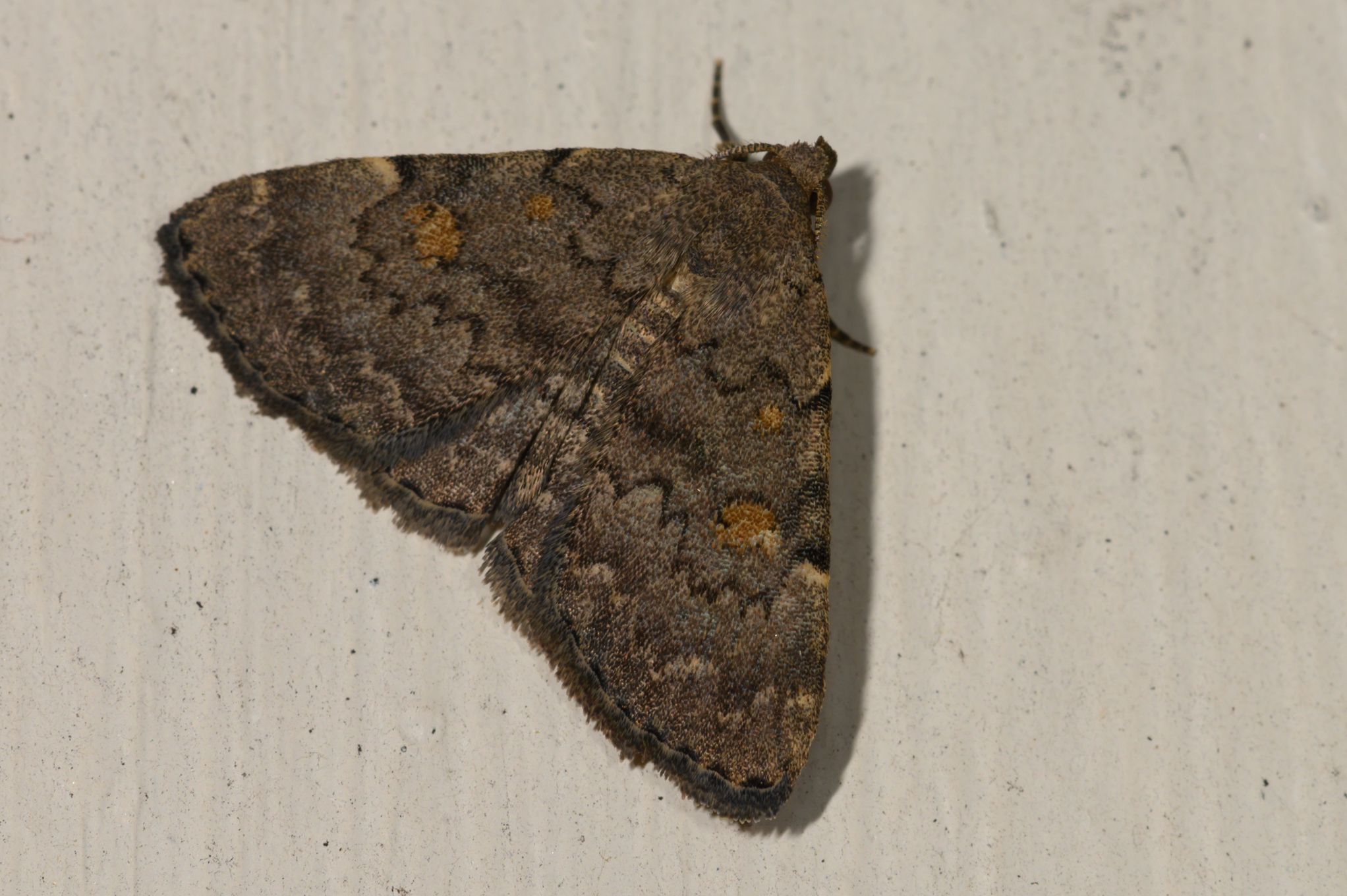
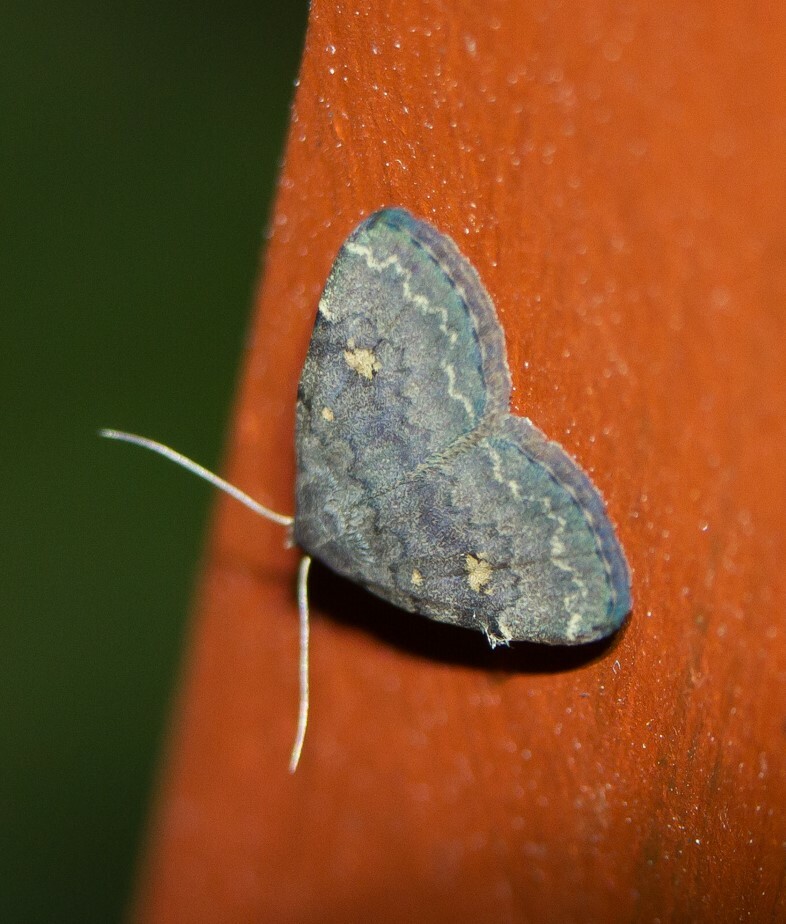
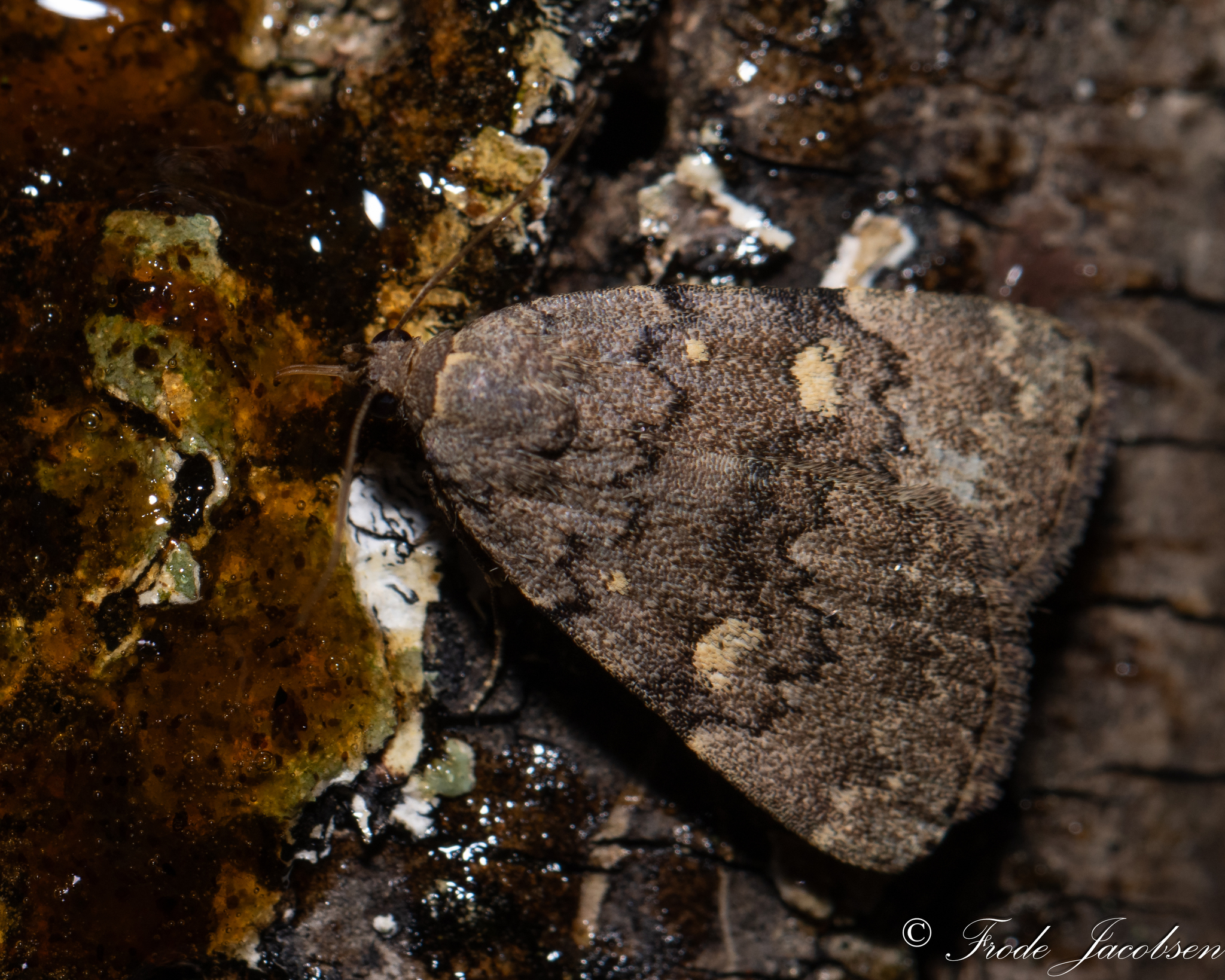
Common Idia Moth in Baltimore Co., Maryland (10/16/2022). (c) Frode Jacobsen, some rights reserved (CC BY-NC)
View Record Details
Media by
Frode Jacobsen.
Common Idia Moth in Baltimore Co., Maryland (10/15/2022). (c) Frode Jacobsen, some rights reserved (CC BY-NC)
View Record Details
Media by
Frode Jacobsen.
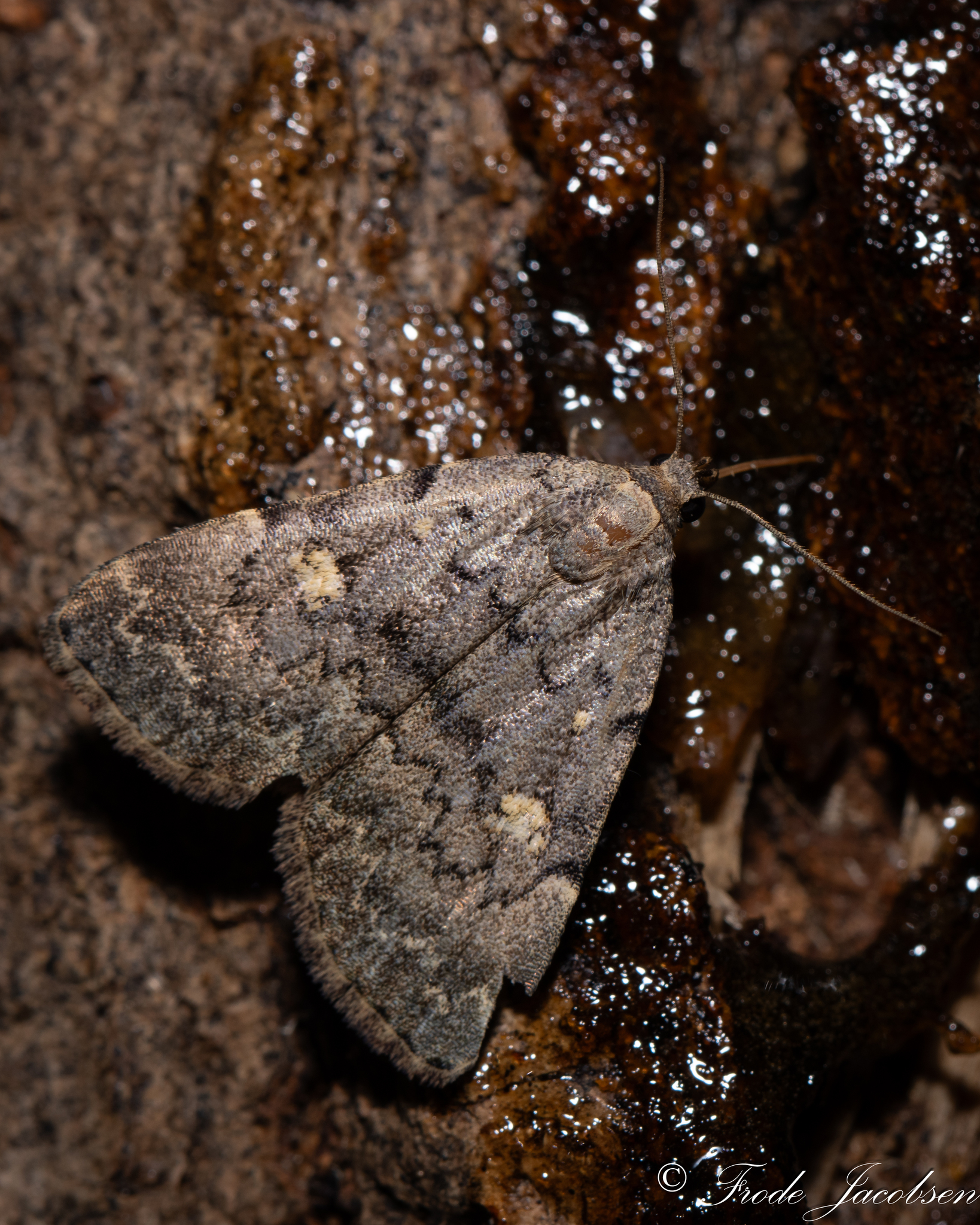
Common Idia Moth in Baltimore Co., Maryland (9/17/2020). (c) Frode Jacobsen, some rights reserved (CC BY-NC)
View Record Details
Media by
Frode Jacobsen.
The ground colour of both wings is medium grey. The basal, antemedial, postmedial lines are darker and thin. There is a more diffuse median line and sometimes a median shade. A pale subterminal line is preceded by a dark shade. The reniform spot is large and pale or warm ochre to orange brown. The hindwing has several wavy light and dark lines and a dark discal spot. The wingspan is 20–30 mm. In North America, adults are on wing from May to October in the north and from April to November in the south. There are two to three generations per year.
Wagner, David L.; Schweitzer, Dale F.; Sullivan, J. Bolling & Reardon, Richard C. (2011). Owlet Caterpillars of Eastern North America. Princeton University Press. ISBN978-0691150420.