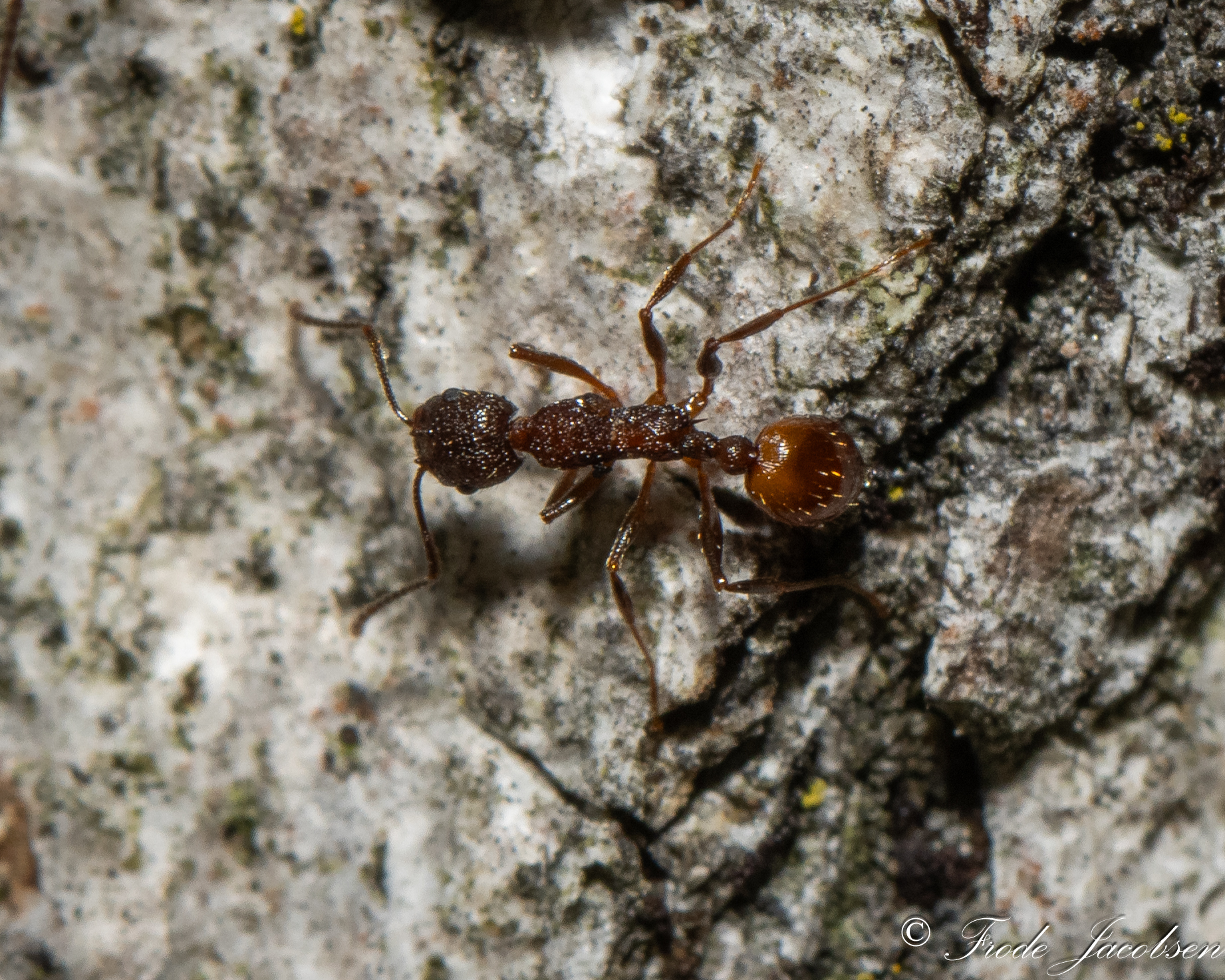
Aphaenogaster mariae in Baltimore Co., Maryland (10/30/2024). (c) Frode Jacobsen, some rights reserved (CC BY-NC).
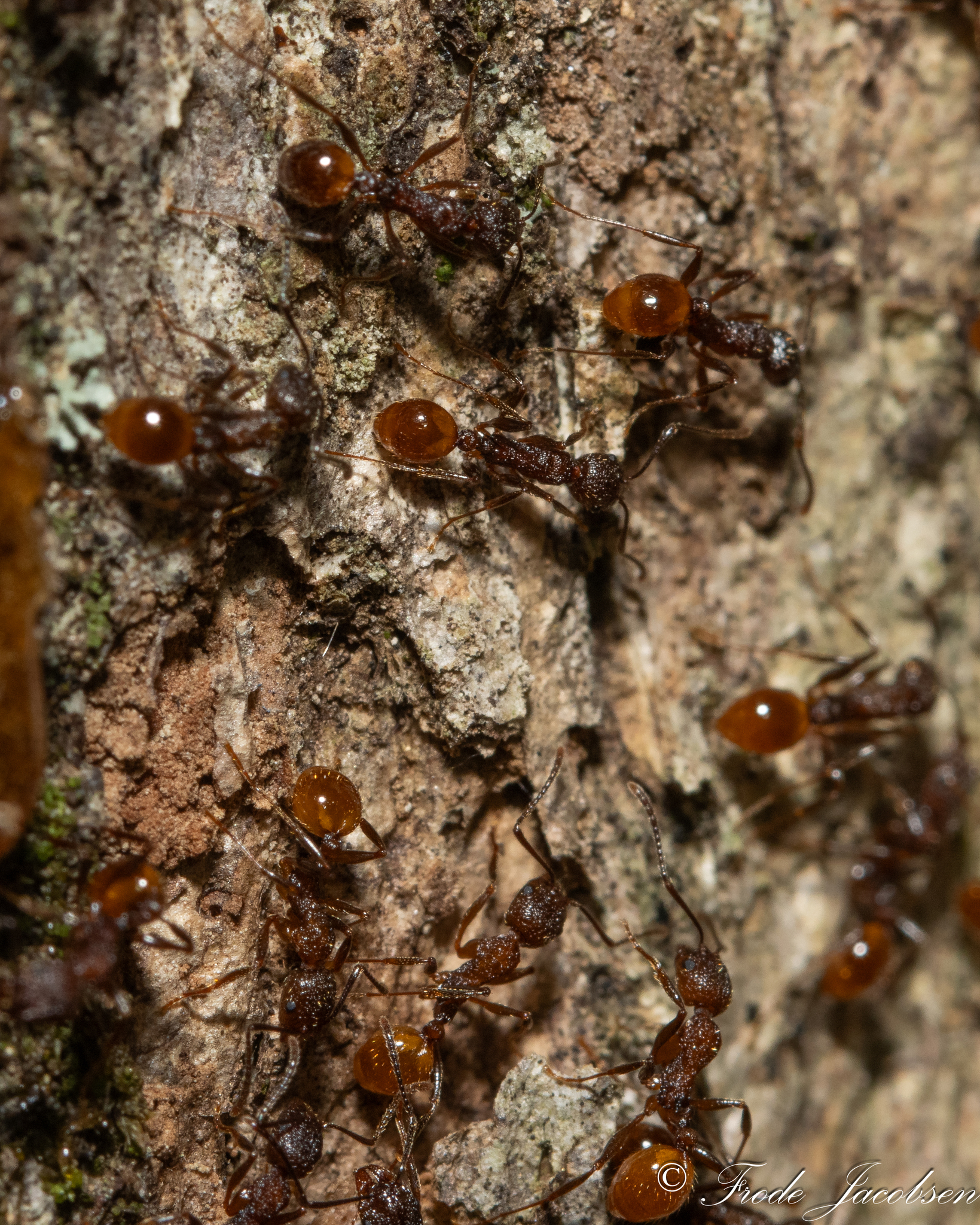
Aphaenogaster mariae in Baltimore Co., Maryland (10/30/2024). (c) Frode Jacobsen, some rights reserved (CC BY-NC).
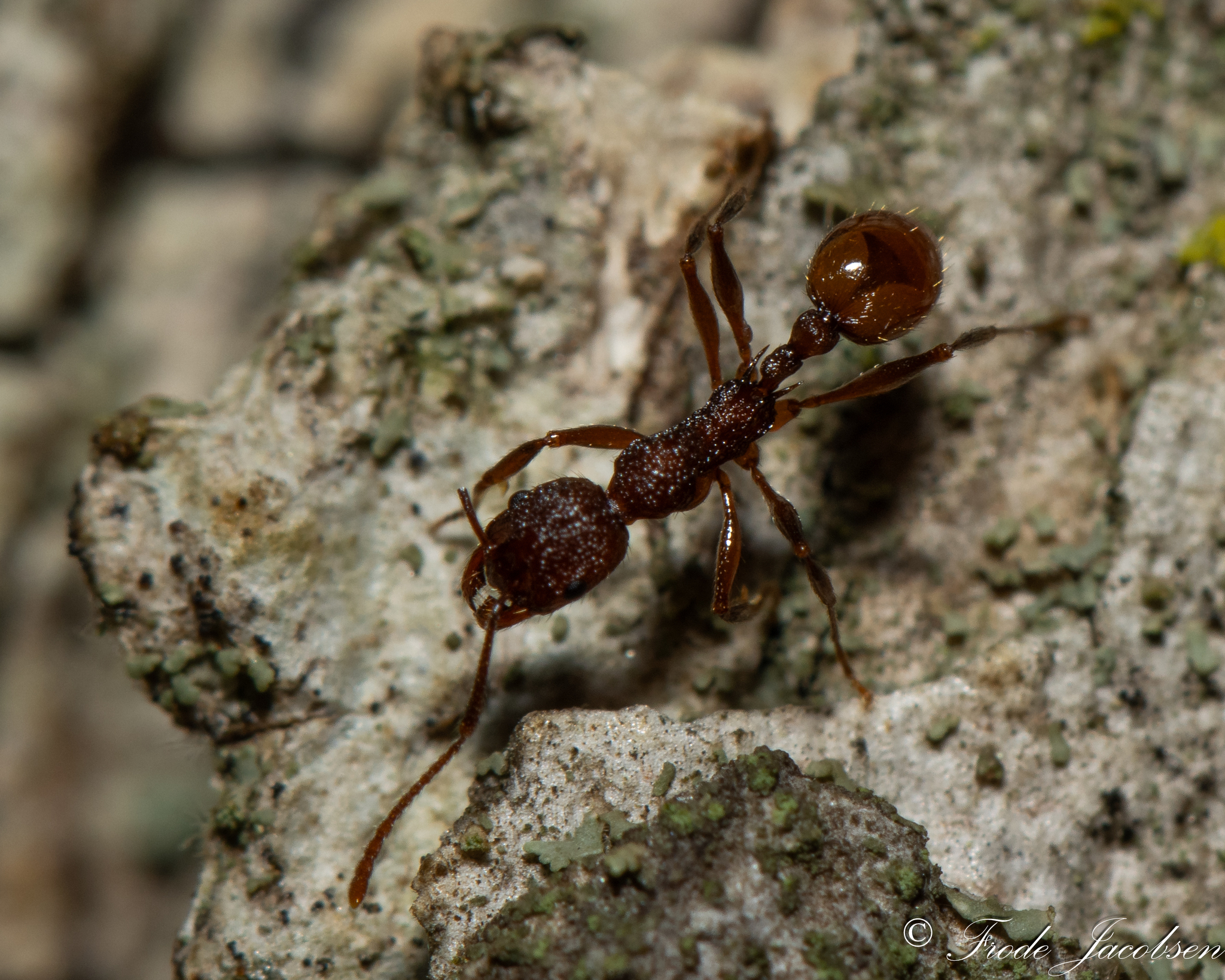
Aphaenogaster mariae in Howard Co., Maryland (6/6/2025). (c) Frode Jacobsen, some rights reserved (CC BY-NC).
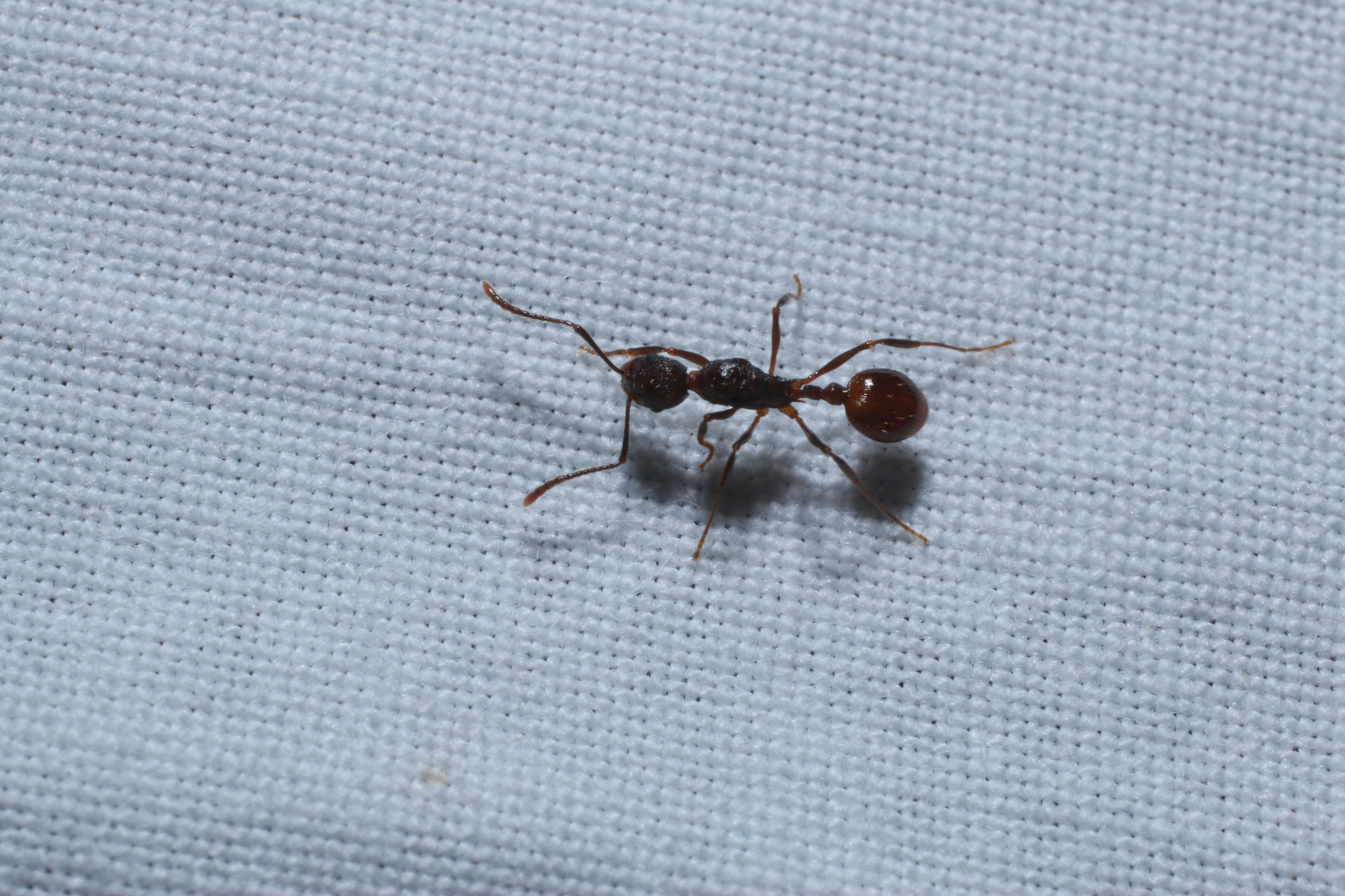
Aphaenogaster mariae in St. Mary's Co., Maryland (11/7/2023). (c) jtylerbell, some rights reserved (CC BY-NC).
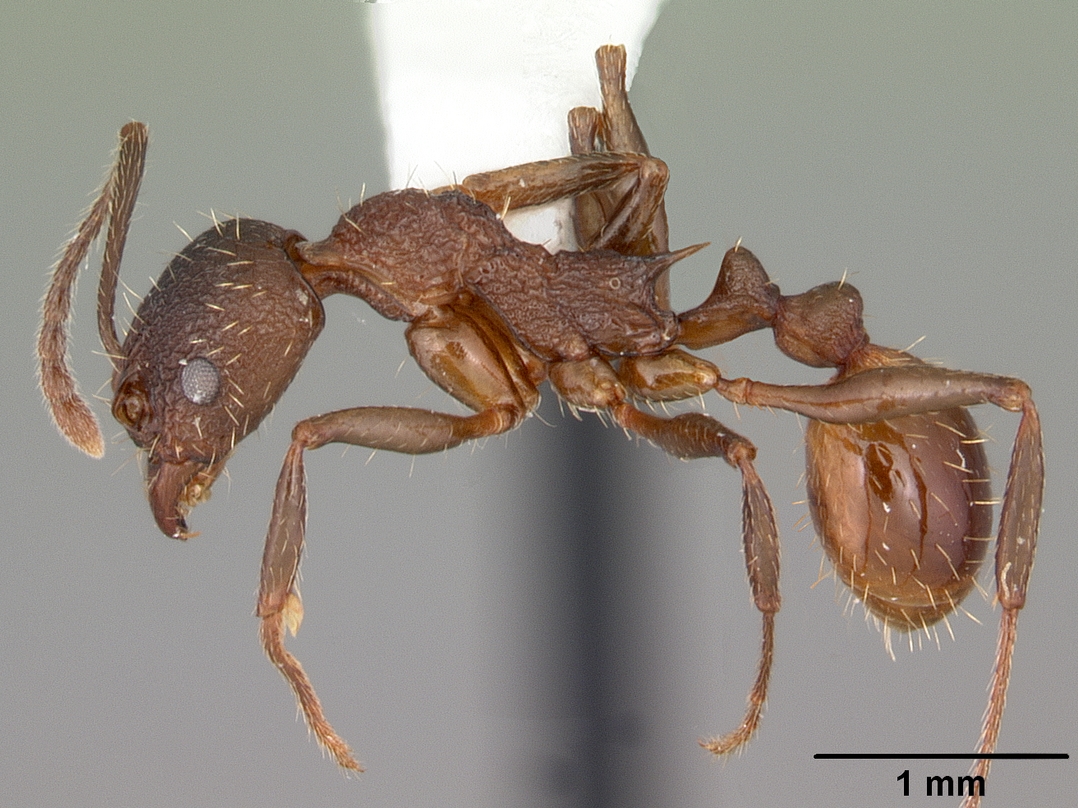
Aphaenogaster mariae specimen. Contributed by April Nobile.
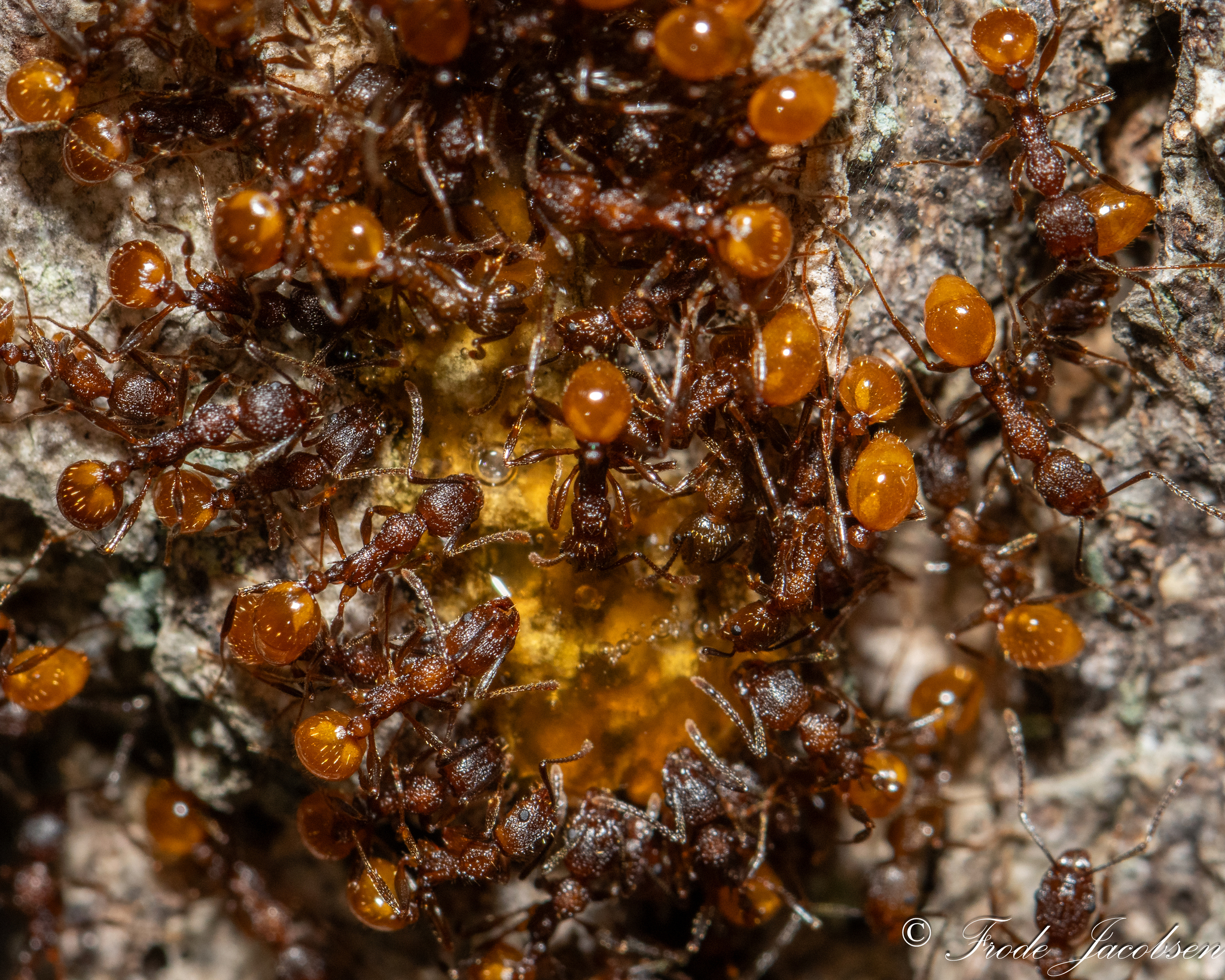
Aphaenogaster mariae in Baltimore Co., Maryland (11/11/2024). (c) Frode Jacobsen, some rights reserved (CC BY-NC).
Map Snapshot


11 Records
Status
Found in oak and oak-hickory forests, as well as moist woods and woods edges. In Maryland they are most common in dry, oak-dominated forests. (See Frye et al., 2014)
Citations
No citations linked for this taxon yet.
Use of media featured on Maryland
Biodiversity Project is only permitted with express permission of the
photographer.
Aphaenogaster mariae in Baltimore Co., Maryland (10/30/2024). (c) Frode Jacobsen, some rights reserved (CC BY-NC).
View Record Details
Media by
Frode Jacobsen.
Aphaenogaster mariae in Baltimore Co., Maryland (10/30/2024). (c) Frode Jacobsen, some rights reserved (CC BY-NC).
View Record Details
Media by
Frode Jacobsen.
Aphaenogaster mariae in Howard Co., Maryland (6/6/2025). (c) Frode Jacobsen, some rights reserved (CC BY-NC).
View Record Details
Media by
Frode Jacobsen.
Aphaenogaster mariae in St. Mary's Co., Maryland (11/7/2023). (c) jtylerbell, some rights reserved (CC BY-NC).
View Record Details
Media by
Tyler Bell.
Aphaenogaster mariae specimen. Contributed by April Nobile.
View Record Details
Media by
AntWeb Data.
Aphaenogaster mariae in Baltimore Co., Maryland (11/11/2024). (c) Frode Jacobsen, some rights reserved (CC BY-NC).
View Record Details
Media by
Frode Jacobsen.
Source: Wikipedia
| Aphaenogaster mariae | |
|---|---|

| |
Scientific classification 
| |
| Kingdom: | Animalia |
| Phylum: | Arthropoda |
| Clade: | Pancrustacea |
| Class: | Insecta |
| Order: | Hymenoptera |
| Family: | Formicidae |
| Subfamily: | Myrmicinae |
| Genus: | Aphaenogaster |
| Species: | A. mariae
|
| Binomial name | |
| Aphaenogaster mariae Forel, 1886
| |
Aphaenogaster mariae is a species of ant in the family Formicidae.[1][2][3][4] It nests in dead branches or beneath live bark of oak trees. Male specimens of this species were only discovered in 2021, which is the first time a colony of the species was collected. The colony was found in Wake County, North Carolina by North Carolina State University Ph.D student Michelle Kirchner. The species is only found in the eastern United States.[5][6]

The species is named after Mary Treat; it was first described in 1886, following her collecting specimens in Florida and sending them to Auguste Forel.[5][6]
References
[edit]- ^ "Aphaenogaster mariae Report". Integrated Taxonomic Information System. Retrieved 2019-09-23.
- ^ "Aphaenogaster mariae". GBIF. Retrieved 2019-09-23.
- ^ "Aphaenogaster mariae species Information". BugGuide.net. Retrieved 2019-09-23.
- ^ "AntWeb". California Academy of Sciences. Retrieved 2019-07-02.
- ^ a b "Colony of rarely seen ants collected for first time in North Carolina trees". BPR. December 7, 2023.
- ^ a b Kirchner, Michelle; Bertone, Matthew; Blaimer, Bonnie B.; Youngsteadt, Elsa (2023-11-16). "Colony Structure and Redescription of Males in the Rarely Collected Arboreal Ant, Aphaenogaster mariae Forel (Hymenoptera: Formicidae)". Proceedings of the Entomological Society of Washington. 125 (1). Entomological Society of Washington. doi:10.4289/0013-8797.125.1.77. ISSN 0013-8797.
Further reading
[edit]- Bolton, B. (2016). "Catalogue of the Ants of the World" (PDF). unpublished communication. Retrieved 2019-07-02.
External links
[edit] Media related to Aphaenogaster mariae at Wikimedia Commons
