
Map Snapshot


59 Records
Citations
No citations linked for this taxon yet.
Source: Wikipedia
| Hepatica acutiloba | |
|---|---|
_-_Flickr_-_Jay_Sturner_(1).jpg)
| |
Scientific classification 
| |
| Kingdom: | Plantae |
| Clade: | Tracheophytes |
| Clade: | Angiosperms |
| Clade: | Eudicots |
| Order: | Ranunculales |
| Family: | Ranunculaceae |
| Genus: | Hepatica |
| Species: | H. acutiloba
|
| Binomial name | |
| Hepatica acutiloba DC.
| |
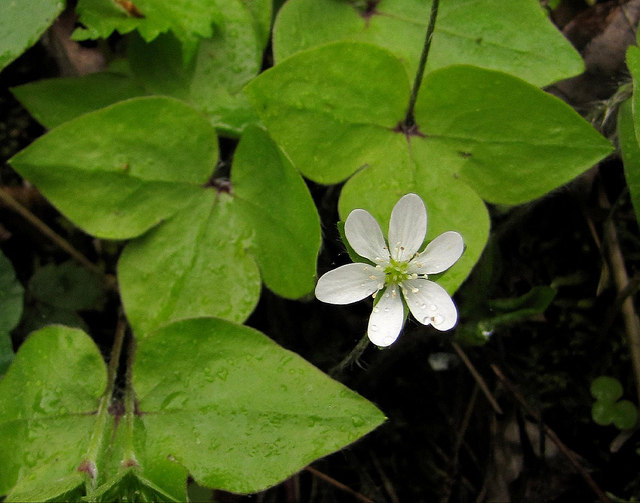
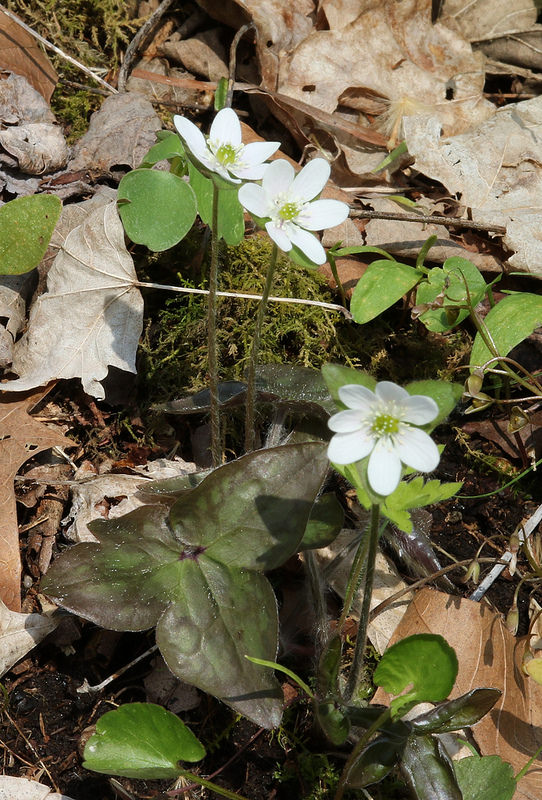
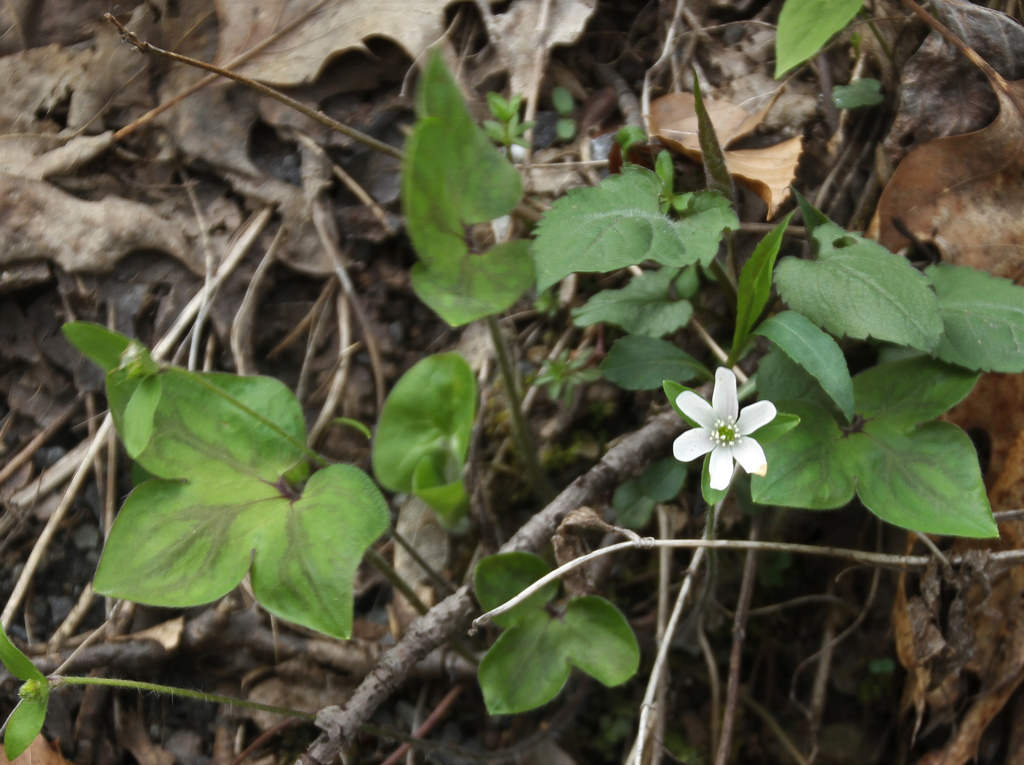
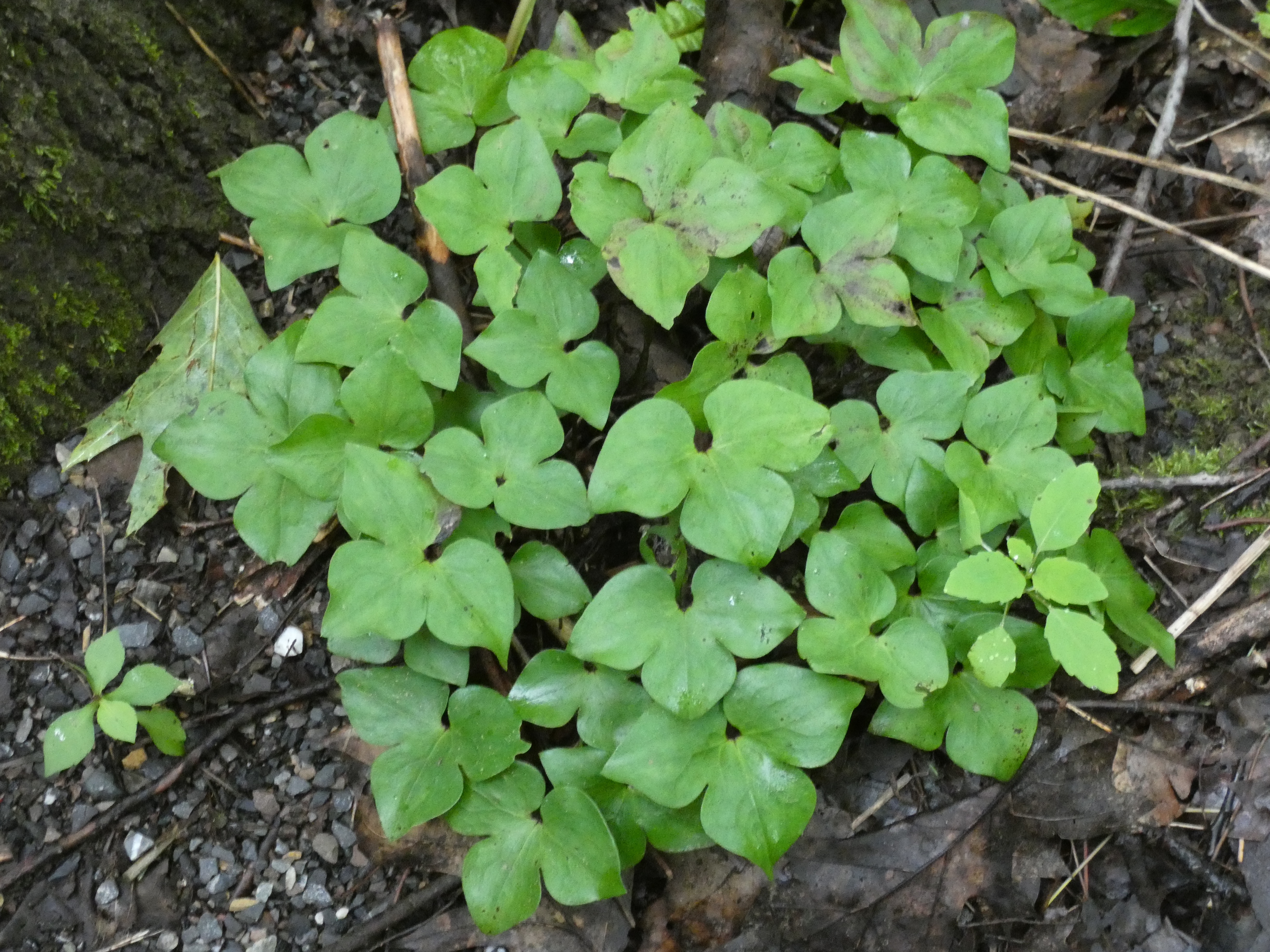
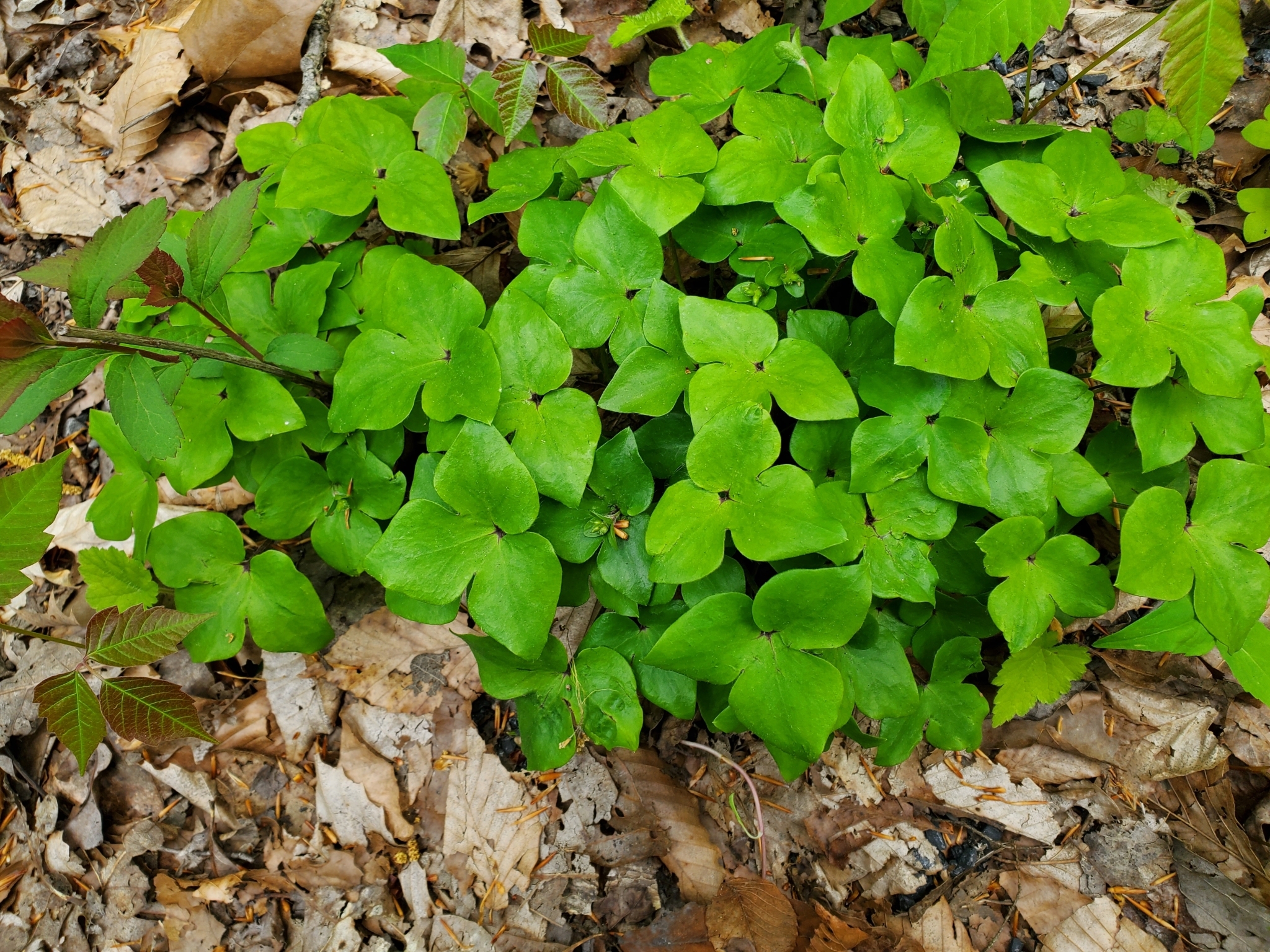
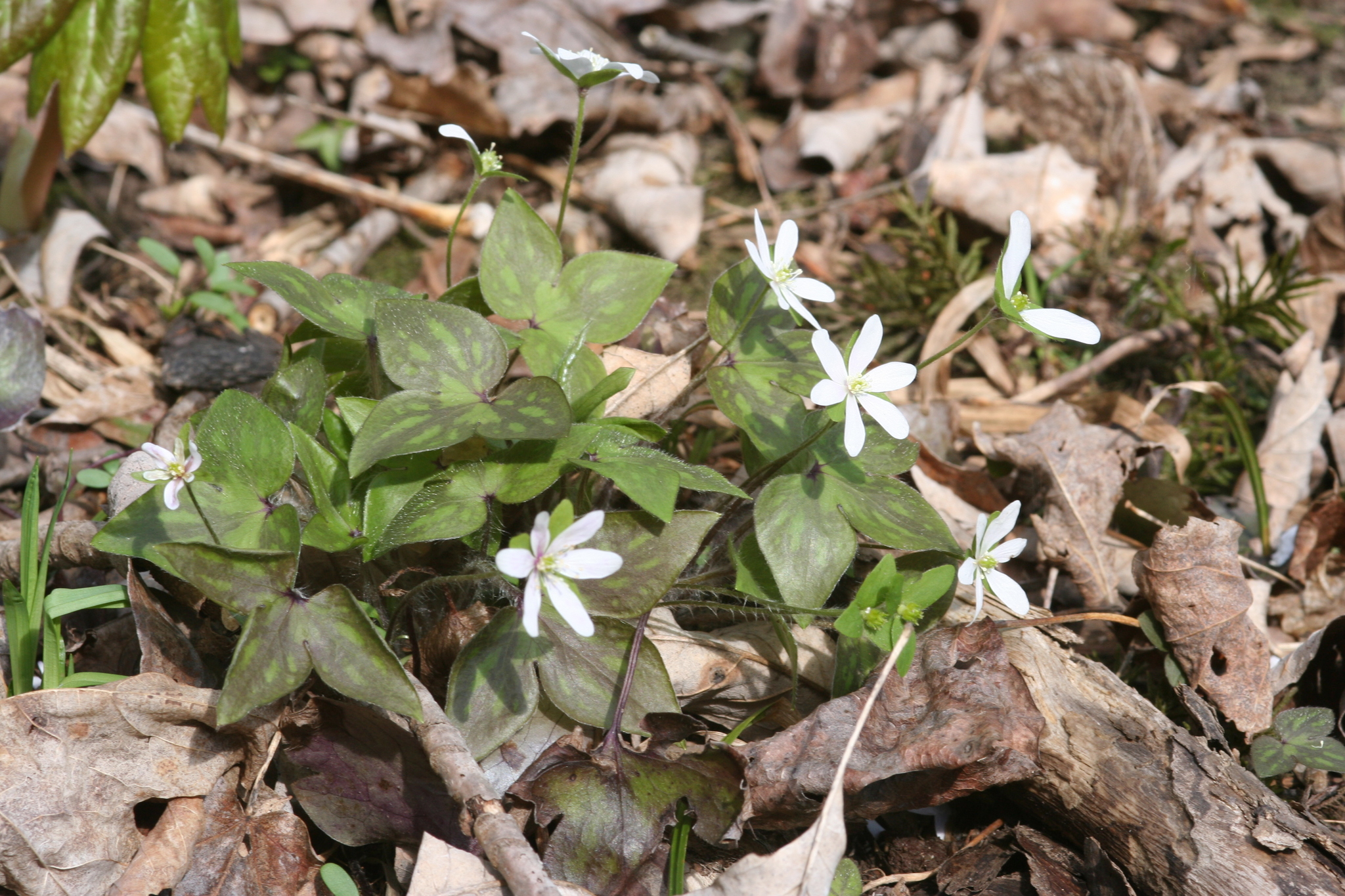
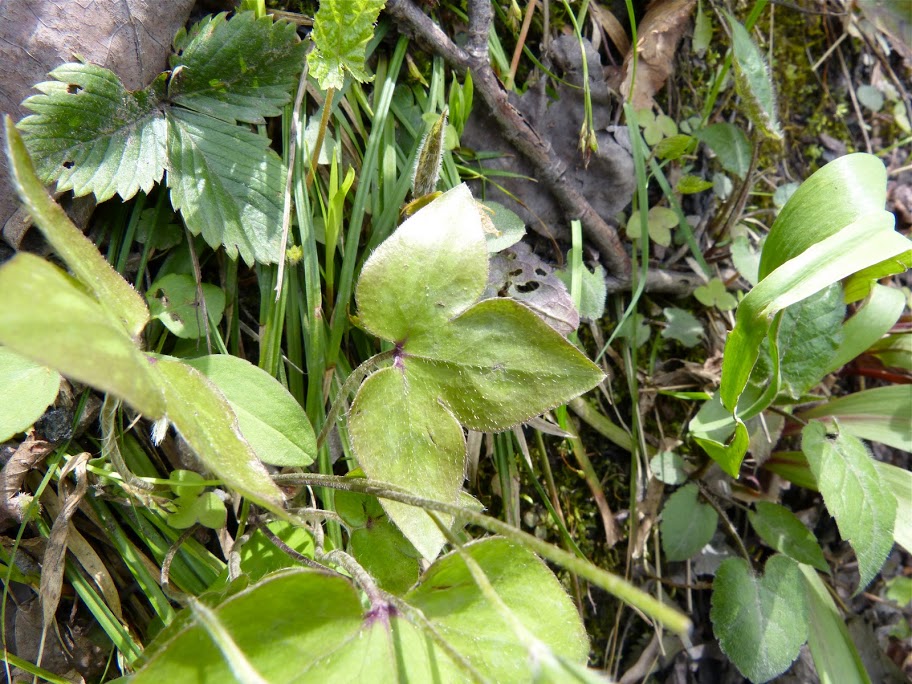
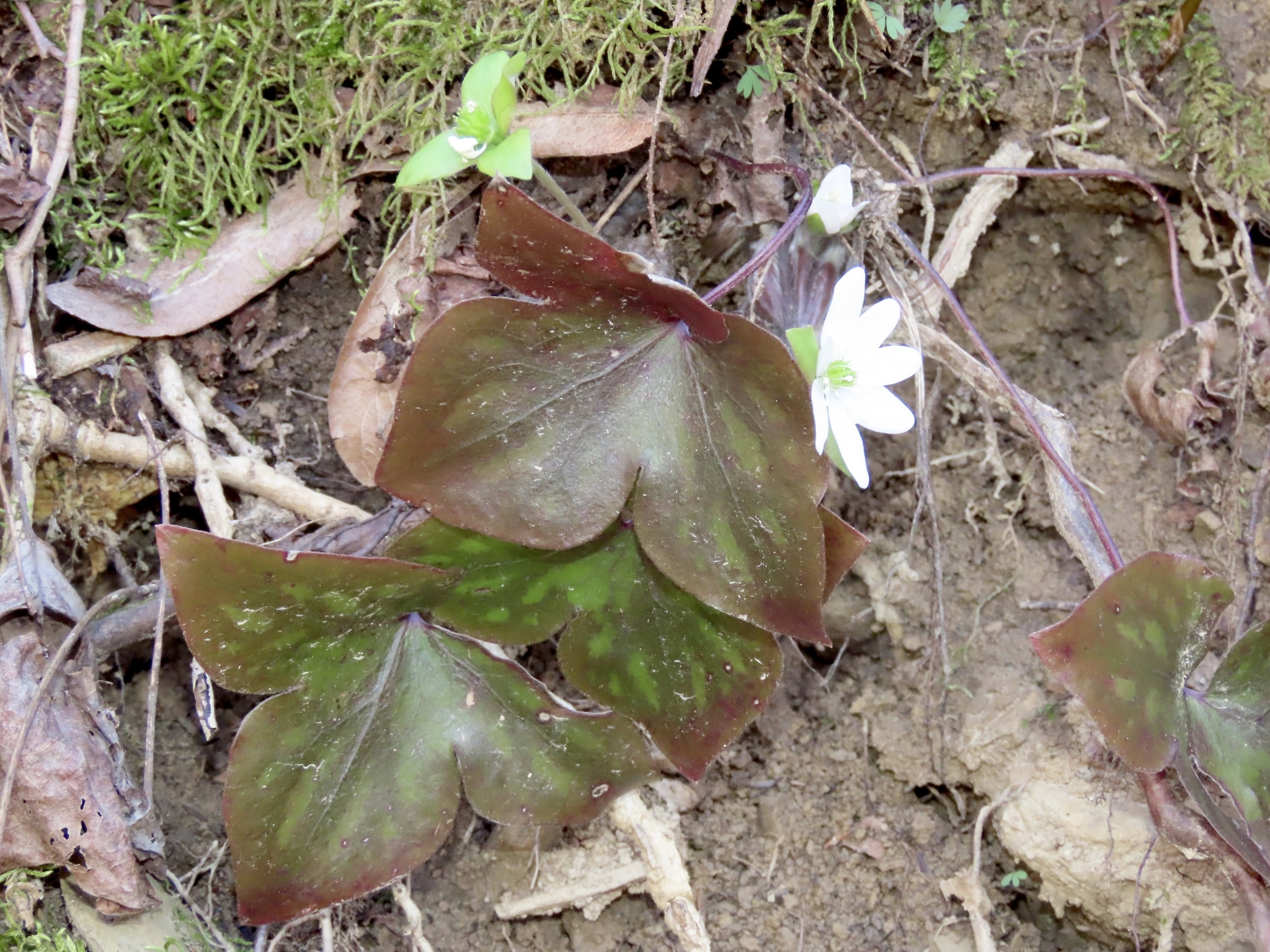
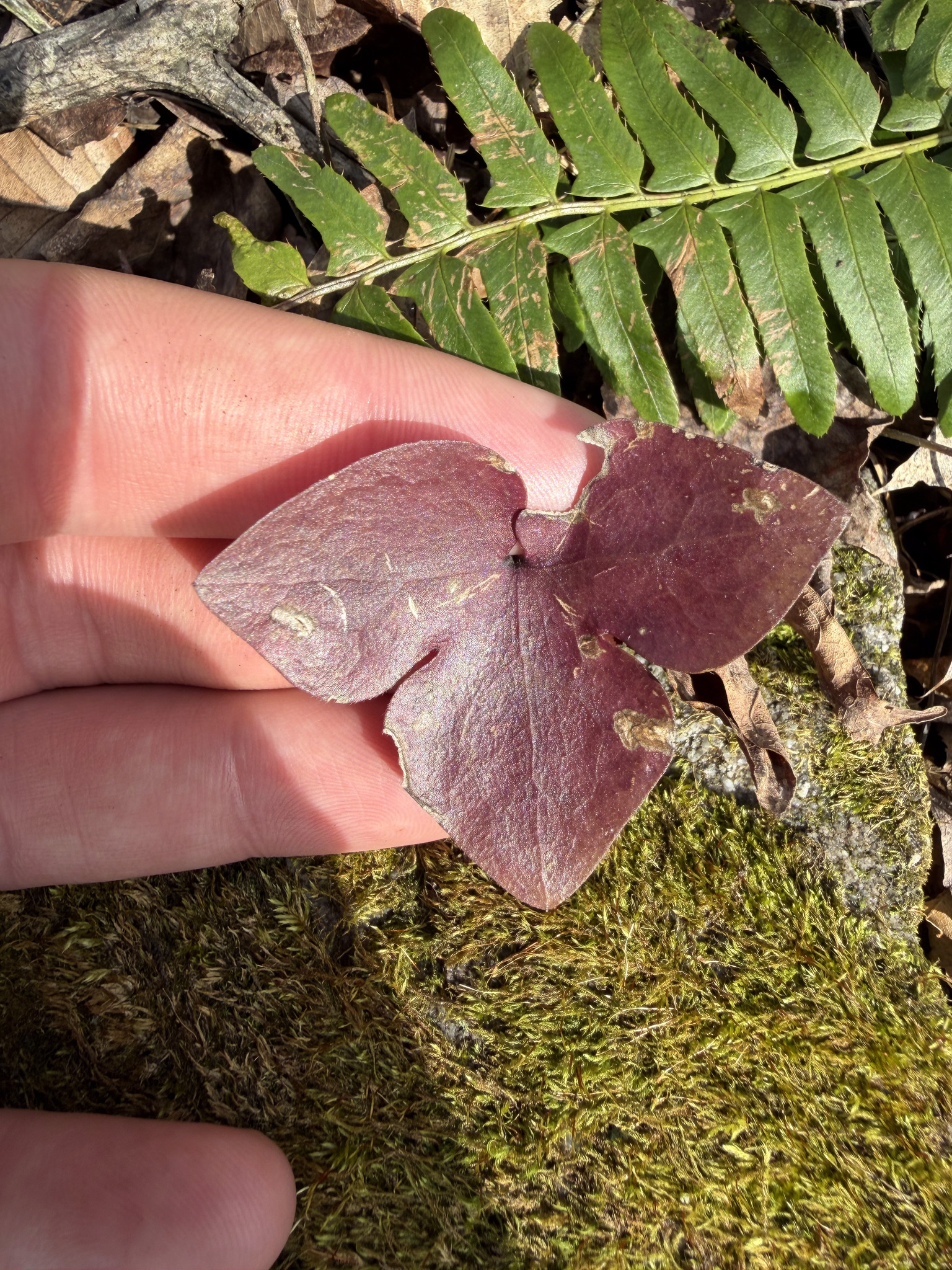
Hepatica acutiloba, the sharp-lobed hepatica, is a herbaceous flowering plant in the buttercup family Ranunculaceae. It is sometimes considered part of the genus Anemone, as Anemone acutiloba, A. hepatica, or A. nobilis.[1]
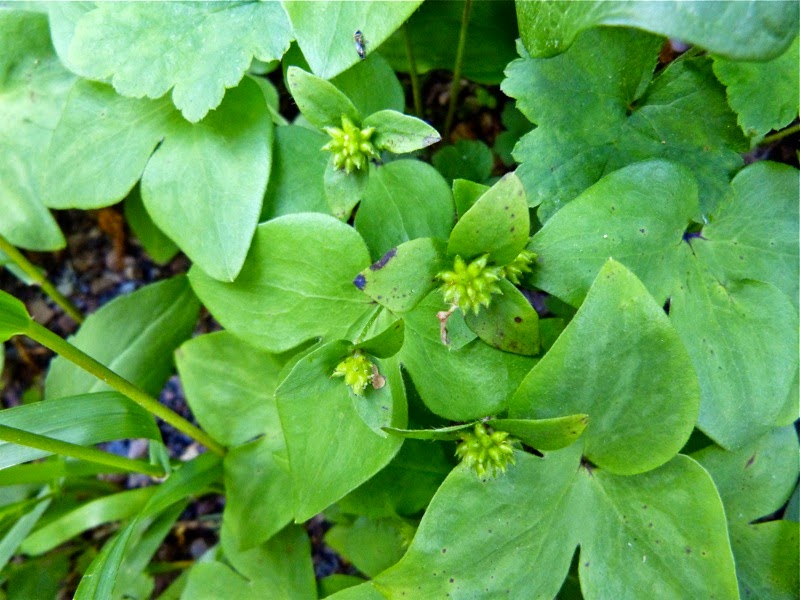
Each clump-forming plant grows 5 to 19 cm (2.0 to 7.5 in) tall, flowering in the early to mid spring. The flowers are greenish-white, white, purple or pinkish in color, with a rounded shape. After flowering the fruits are produced in small, rounded columned heads, on pedicels 1 to 4 mm long. When the fruits, called achenes, are ripe they are ovoid in shape, 3.5–4.7 mm long and 1.3–1.9 mm wide, slightly winged and tend to lack a beak.[2]
Hepatica acutiloba is native to central eastern North America where it can be found growing in deciduous open woods, most often in calcareous soils.[2]
Historical uses
[edit]Among the Cherokee Indians, the plant was formerly used to cure coughs, either in tea or by chewing its root.[3]
Gallery
[edit]-
 Fruiting H. acutiloba in Willsboro, New York
 -
 H. acutiloba in North Canaan, Connecticut
 -
 H. acutiloba plate in Wildflowers of New York (1918)
,_fruiting,_Willsboro,_NY_(31324478724).jpg)
,_doubled,_North_Canaan,_CT_(32020866132).jpg)

References
[edit]
- ^ "Hepatica acutiloba DC". Plants of the World Online. Royal Botanical Gardens Kew. Retrieved 15 December 2019.
- ^ a b Dutton, Bryan E.; Keener, Carl S.; Ford, Bruce A. (1997). "Anemone acutiloba". In Flora of North America Editorial Committee (ed.). Flora of North America North of Mexico (FNA). Vol. 3. New York and Oxford: Oxford University Press. Retrieved 10 January 2021 – via eFloras.org, Missouri Botanical Garden, St. Louis, MO & Harvard University Herbaria, Cambridge, MA.
- ^ Mooney, James (1891). "The Sacred Formulas of the Cherokees". Seventh Annual Report of the Bureau of Ethnology. Washington DC: Government Printing Office. pp. 301–398. OCLC 747738317., s.v. Selected List of Plants Used