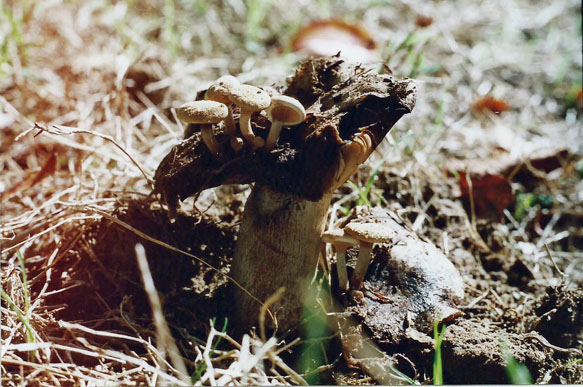
Asterophora lycoperdoides parasitizing a Russula dissimulans specimen in Worcester Co., Maryland (10/12/1995).
Photo by
Lance Biechele
MBP List
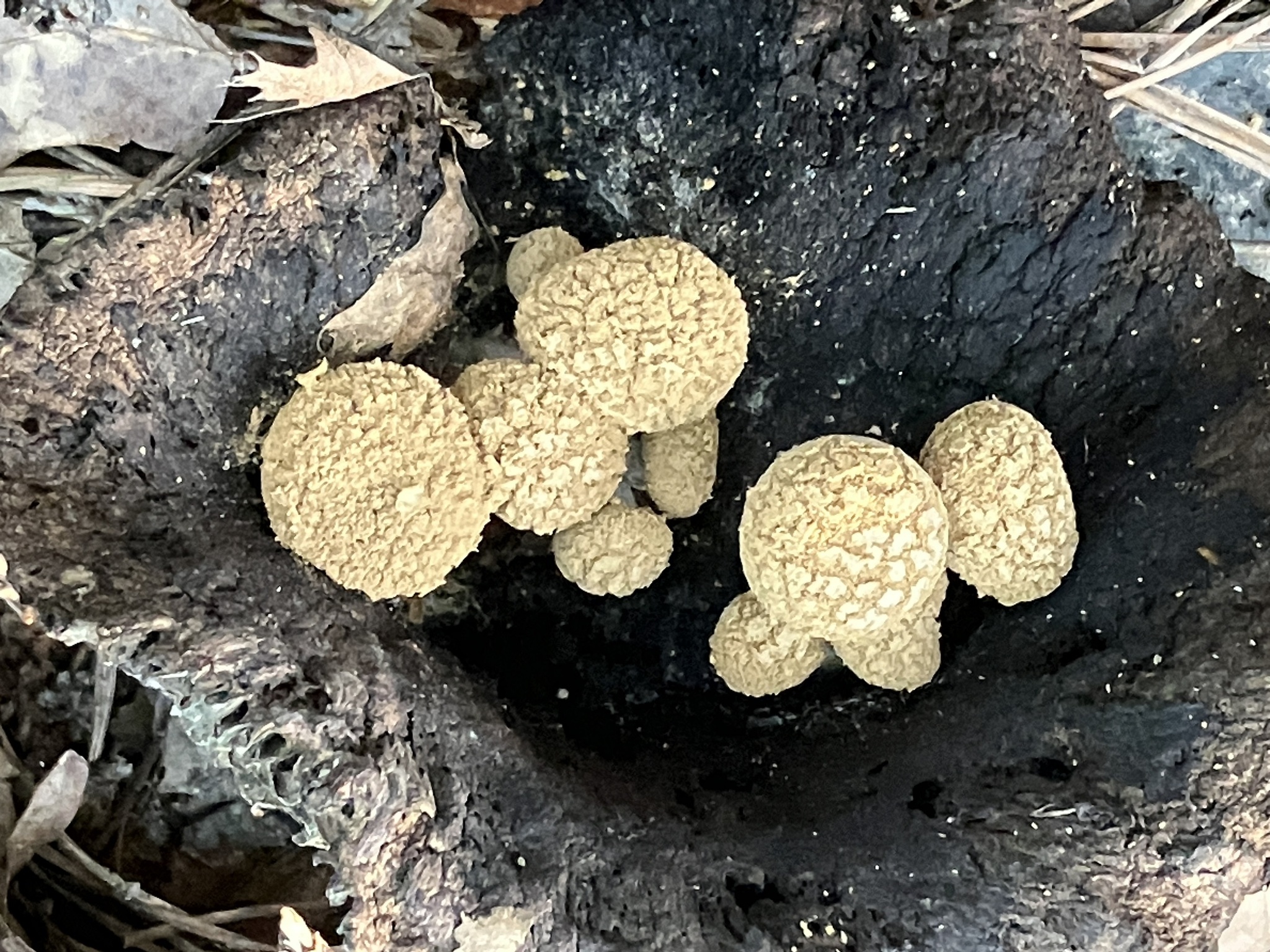
Asterophora lycoperdoides in Dorchester Co., Maryland (8/27/2023). (c) Cindi Fitzgerald, some rights reserved (CC BY-NC).
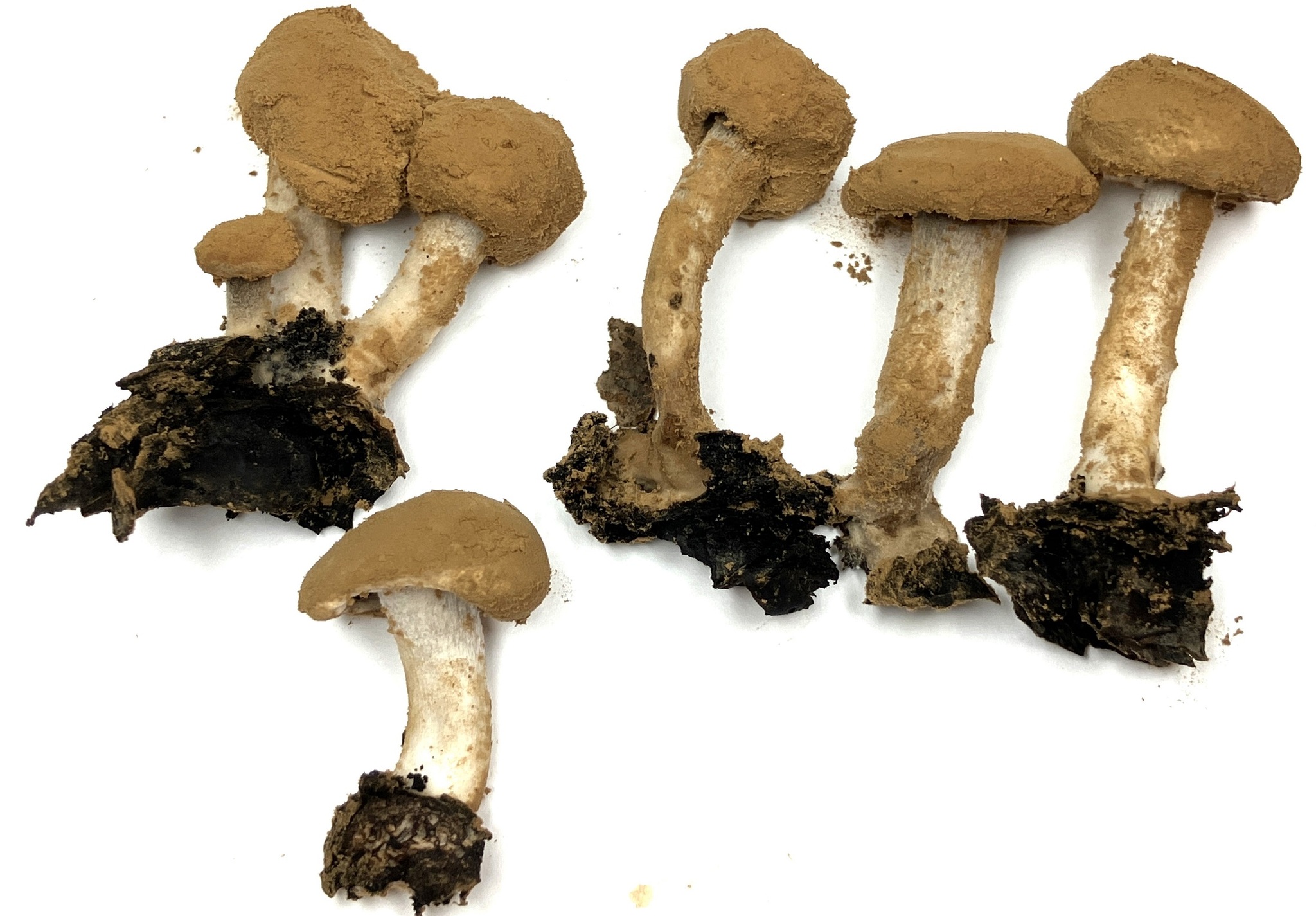
Asterophora lycoperdoides in Dorchester Co., Maryland (8/27/2023). (c) Cindi Fitzgerald, some rights reserved (CC BY-NC).
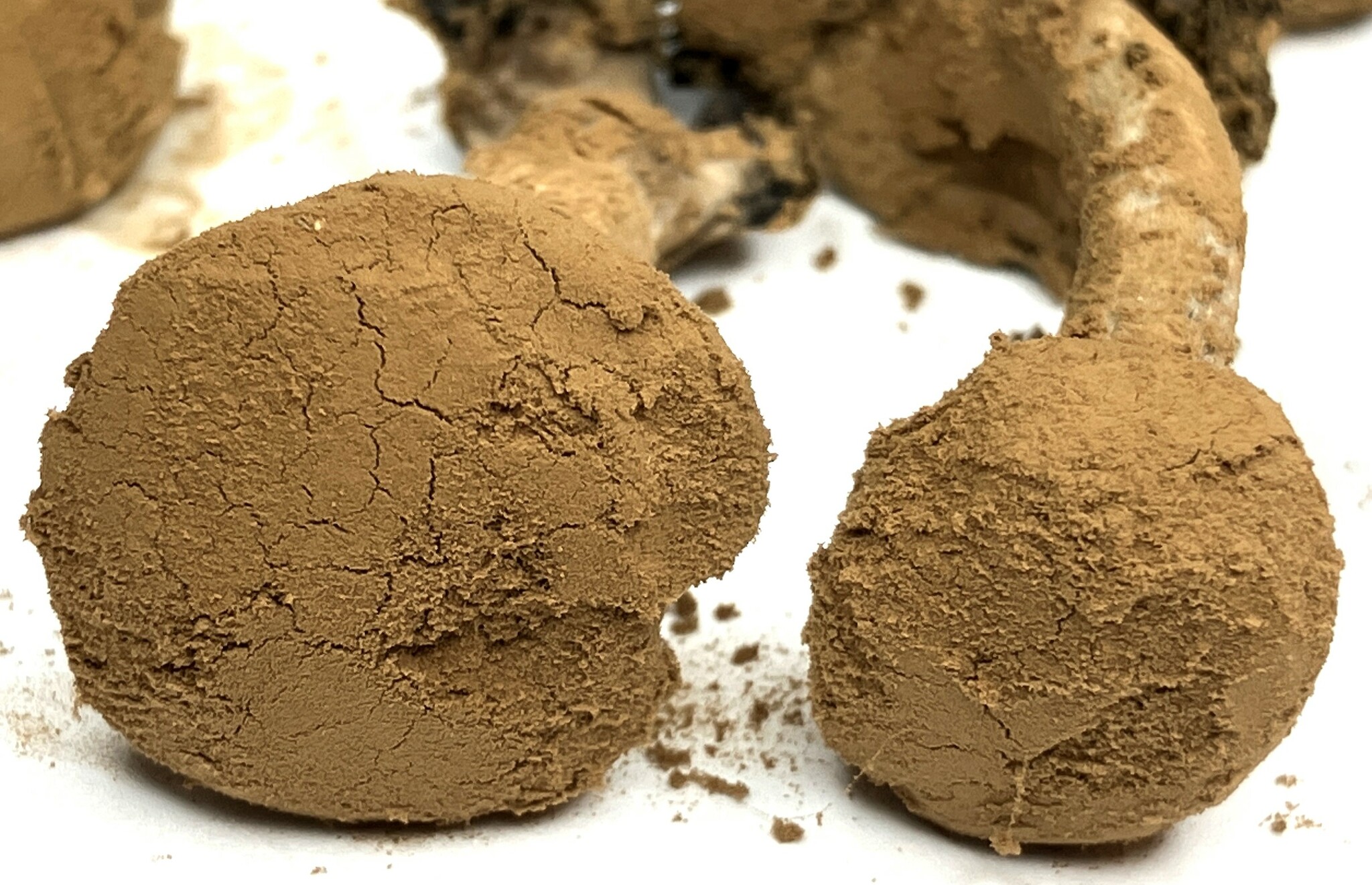
Asterophora lycoperdoides in Dorchester Co., Maryland (8/27/2023). (c) Cindi Fitzgerald, some rights reserved (CC BY-NC).
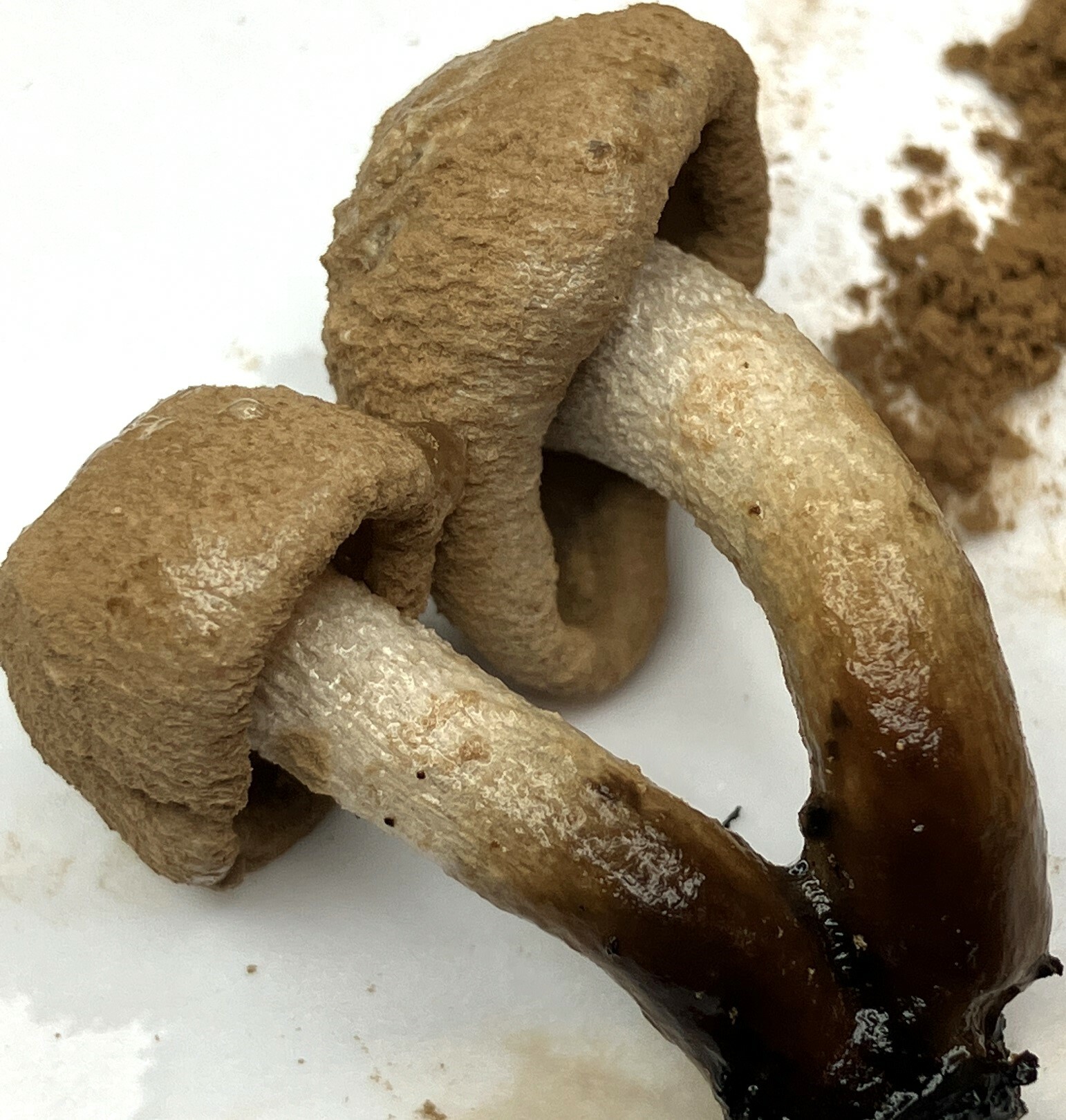
Asterophora lycoperdoides in Dorchester Co., Maryland (8/27/2023). (c) Cindi Fitzgerald, some rights reserved (CC BY-NC).
Map Snapshot


3 Records
Status
"This remarkable mushroom, not only reproduces from spores borne on the gills, but it also produces chlamydospores, asexual resting spores, on the cap of the mushroom" (L. Biechele, pers. comm.).
Relationships
"This species seem to be 'species specific,' parasitizing only the blackening group of the Russula family. The host mushroom is soon disintegrated" (L. Biechele, pers. comm.).
Citations
No citations linked for this taxon yet.
Eating mushrooms can be dangerous. One should do so only with expert advice and great care. MBP accepts no liability for injury sustained in consuming fungi or other biodiversity. Use of media featured on Maryland
Biodiversity Project is only permitted with express permission of the
photographer.
Asterophora lycoperdoides parasitizing a Russula dissimulans specimen in Worcester Co., Maryland (10/12/1995).
Media by
Lance Biechele.
Asterophora lycoperdoides in Dorchester Co., Maryland (8/27/2023). (c) Cindi Fitzgerald, some rights reserved (CC BY-NC).
View Record Details
Media by
cin579 via iNaturalist.
Asterophora lycoperdoides in Dorchester Co., Maryland (8/27/2023). (c) Cindi Fitzgerald, some rights reserved (CC BY-NC).
View Record Details
Media by
cin579 via iNaturalist.
Asterophora lycoperdoides in Dorchester Co., Maryland (8/27/2023). (c) Cindi Fitzgerald, some rights reserved (CC BY-NC).
View Record Details
Media by
cin579 via iNaturalist.
Asterophora lycoperdoides in Dorchester Co., Maryland (8/27/2023). (c) Cindi Fitzgerald, some rights reserved (CC BY-NC).
View Record Details
Media by
cin579 via iNaturalist.