Map Snapshot


6 Records
Citations
No citations linked for this taxon yet.
Source: Wikipedia
| Tylopilus rubrobrunneus | |
|---|---|

| |
Scientific classification 
| |
| Kingdom: | Fungi |
| Division: | Basidiomycota |
| Class: | Agaricomycetes |
| Order: | Boletales |
| Family: | Boletaceae |
| Genus: | Tylopilus |
| Species: | T. rubrobrunneus
|
| Binomial name | |
| Tylopilus rubrobrunneus Mazzer & A.H.Sm. (1967)
| |
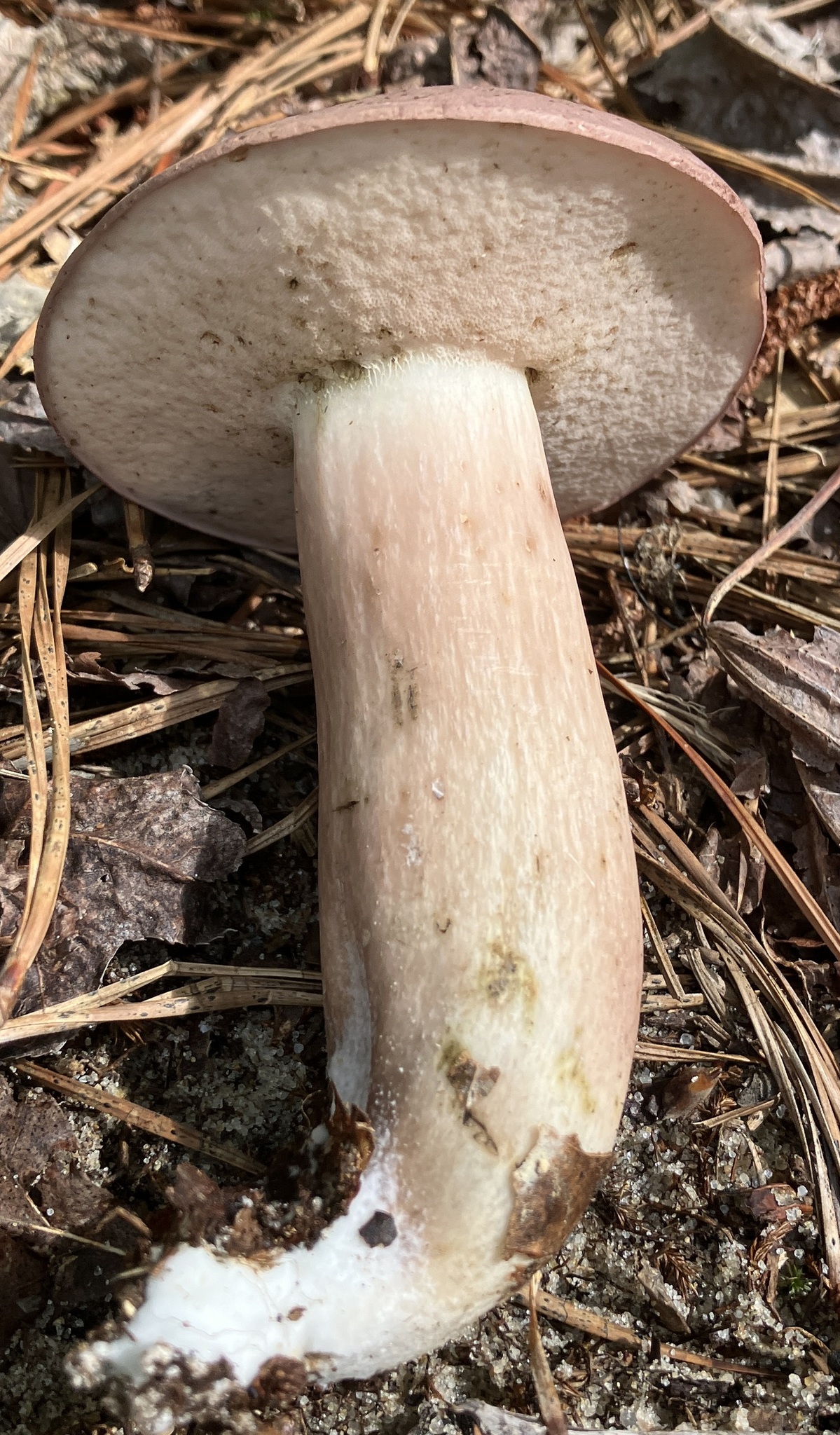
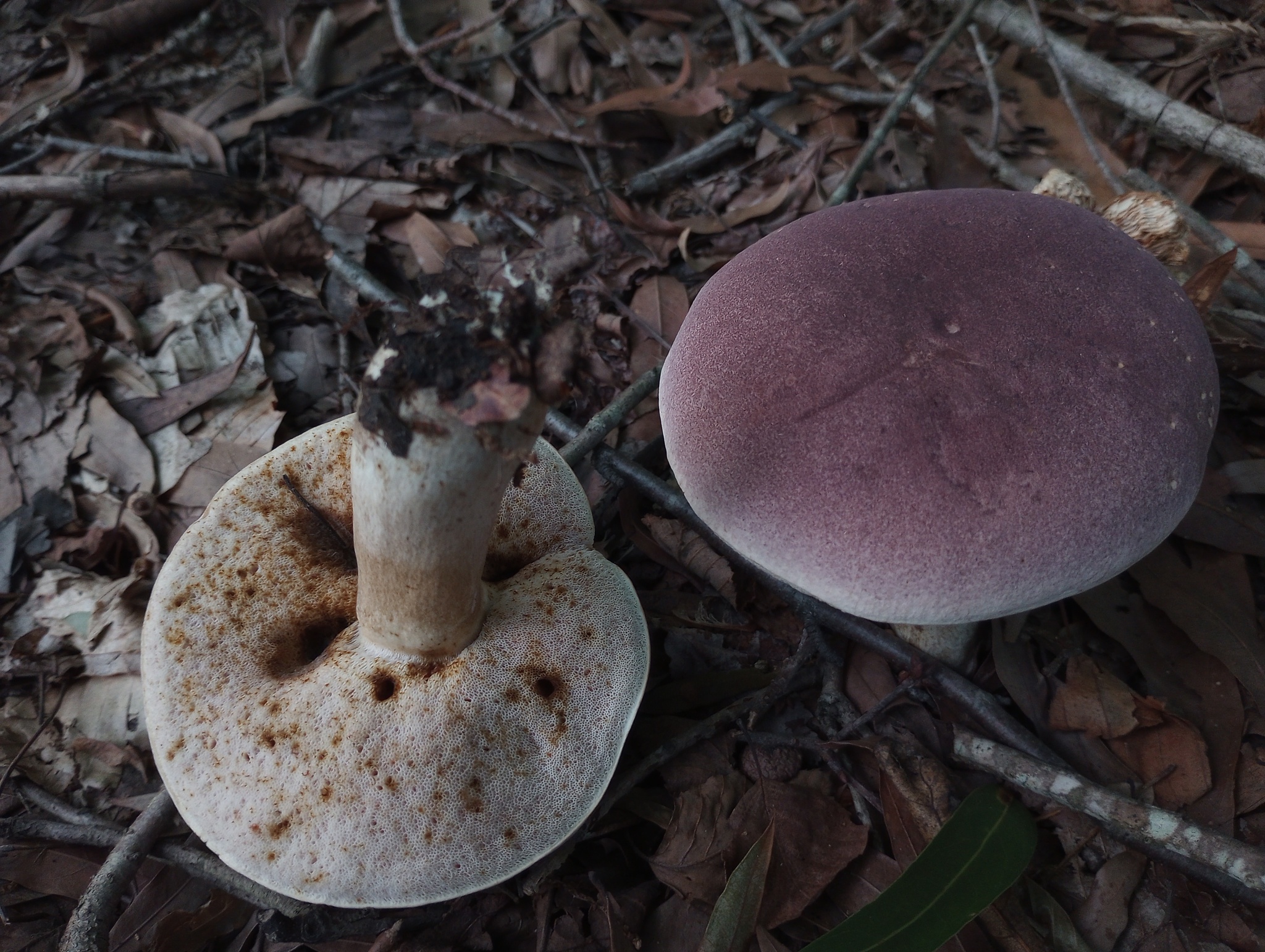
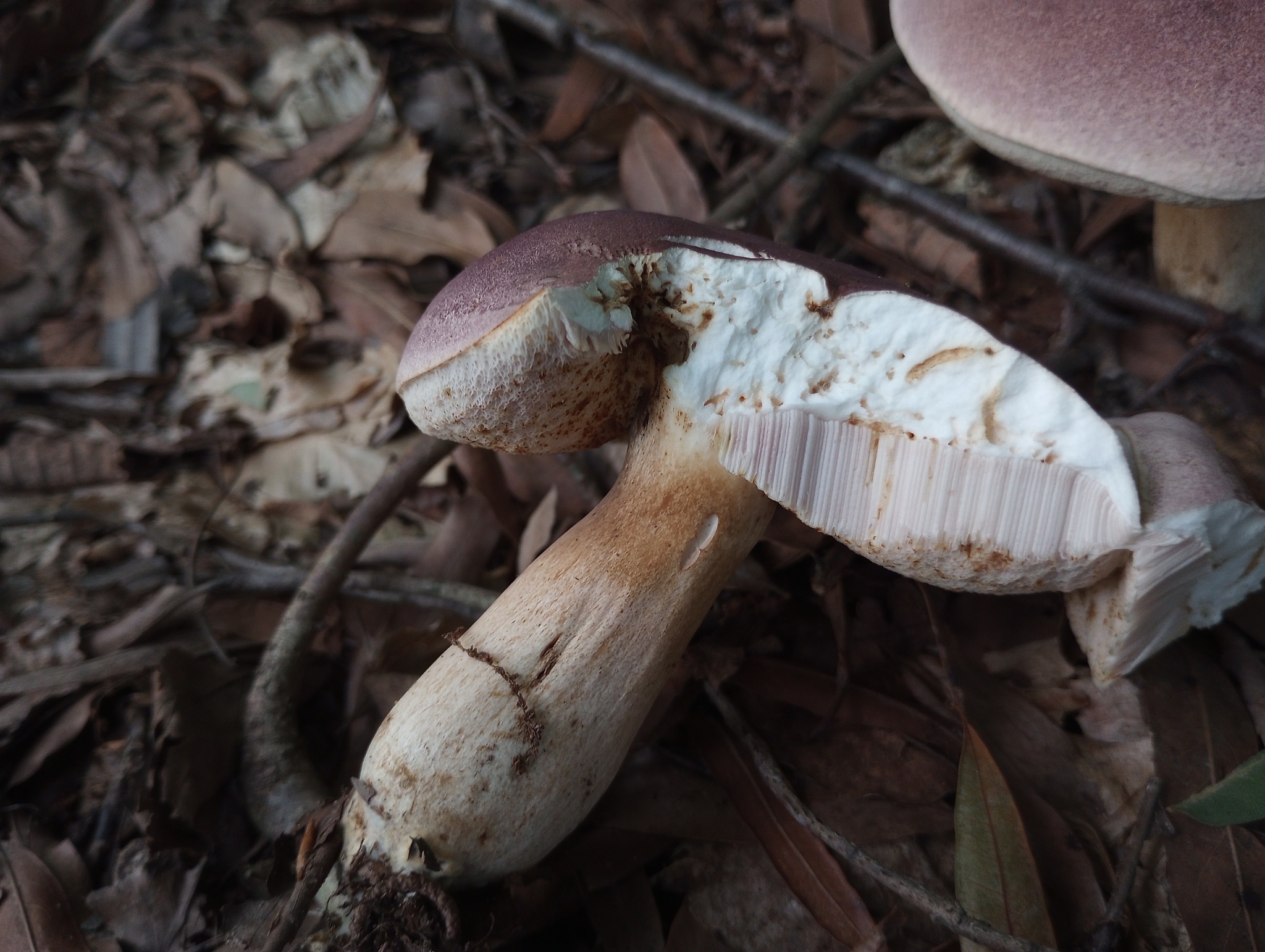
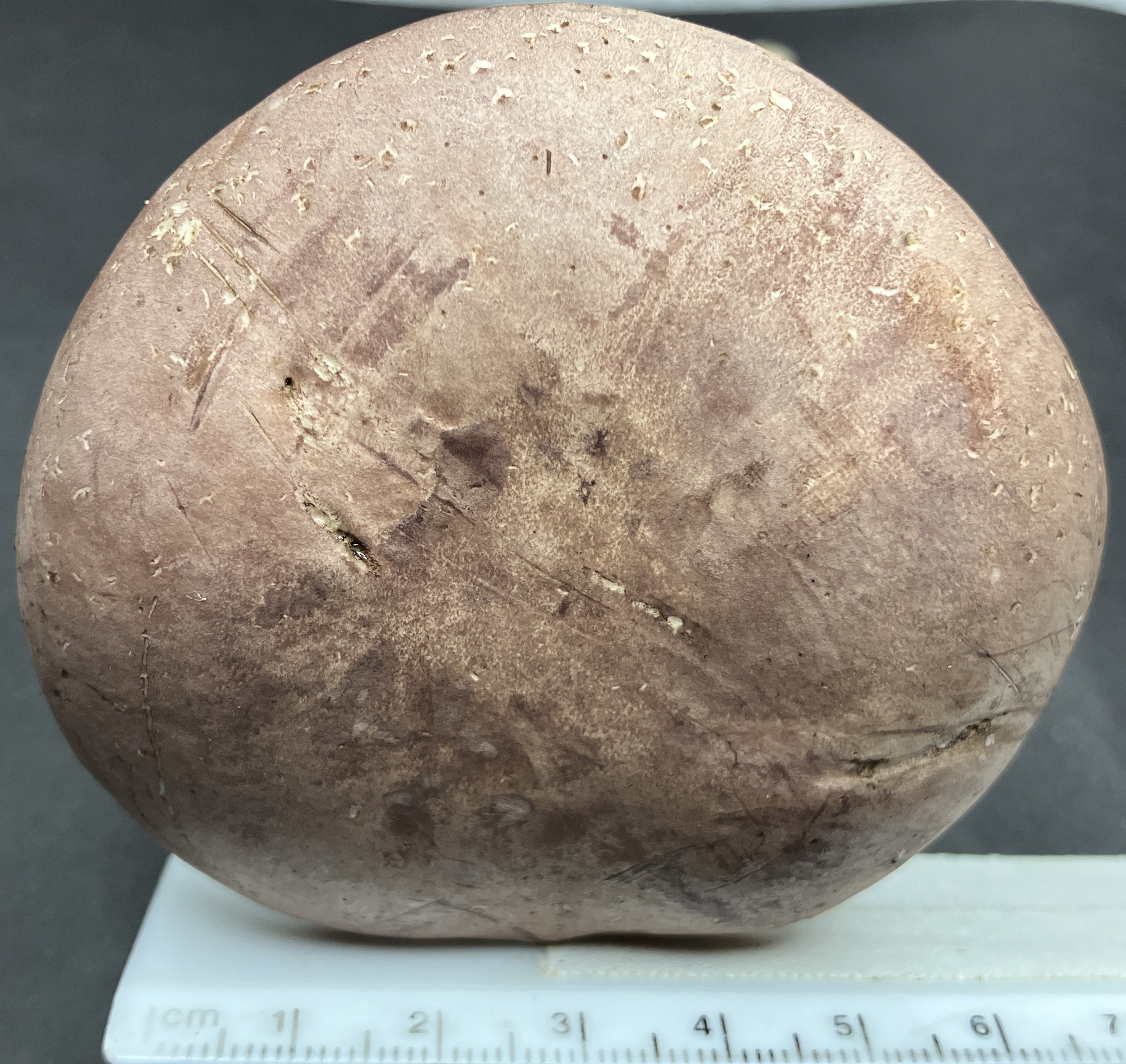
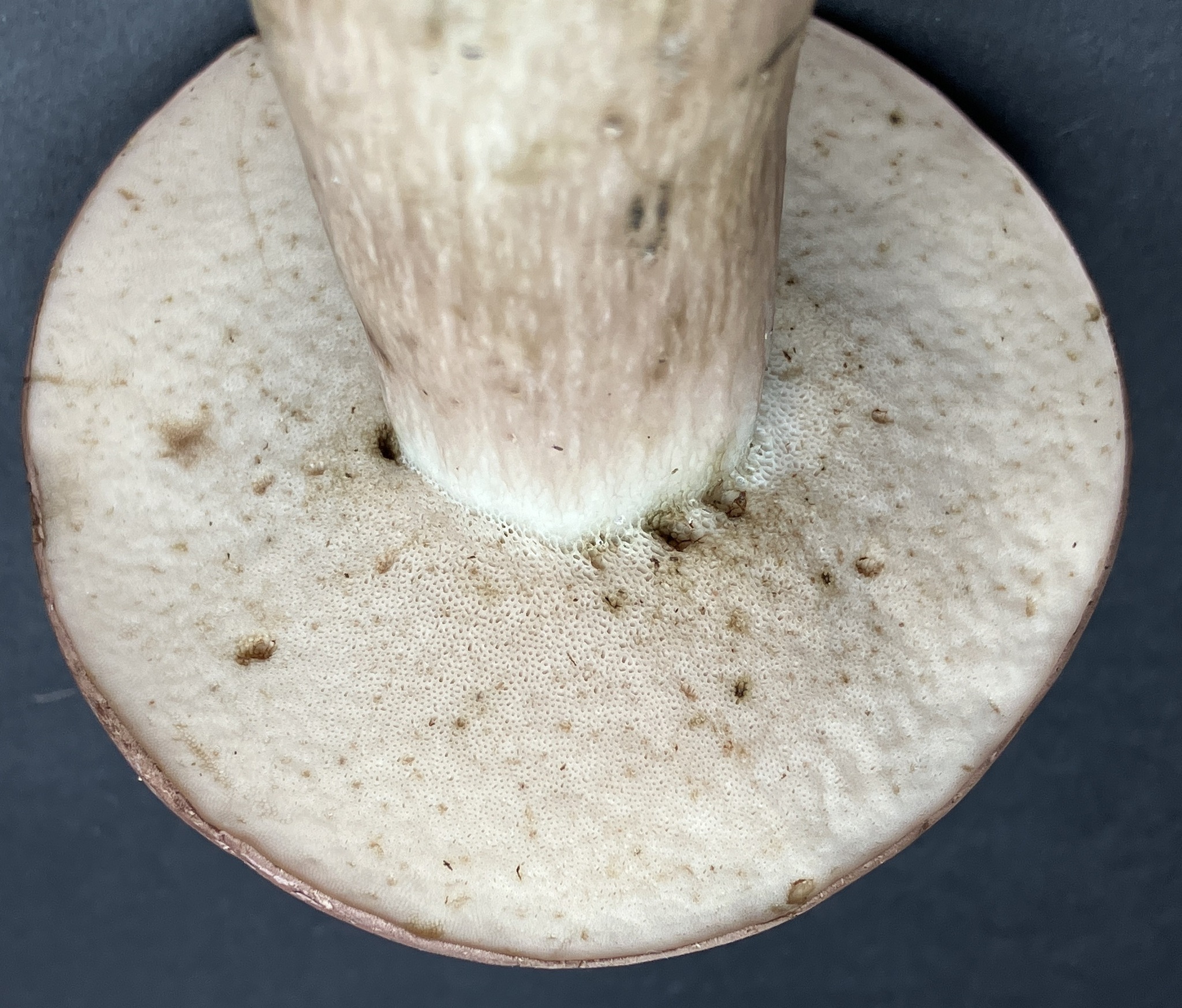
Tylopilus rubrobrunneus, commonly known as the reddish brown bitter bolete,[1] is a bolete fungus in the family Boletaceae. It was first described scientifically in 1967 by Samuel J. Mazzer and Alexander H. Smith from collections made in Michigan.[2] The bolete was reported from a Mexican beech (Fagus mexicana) forest in Hidalgo, Mexico in 2010.[3]
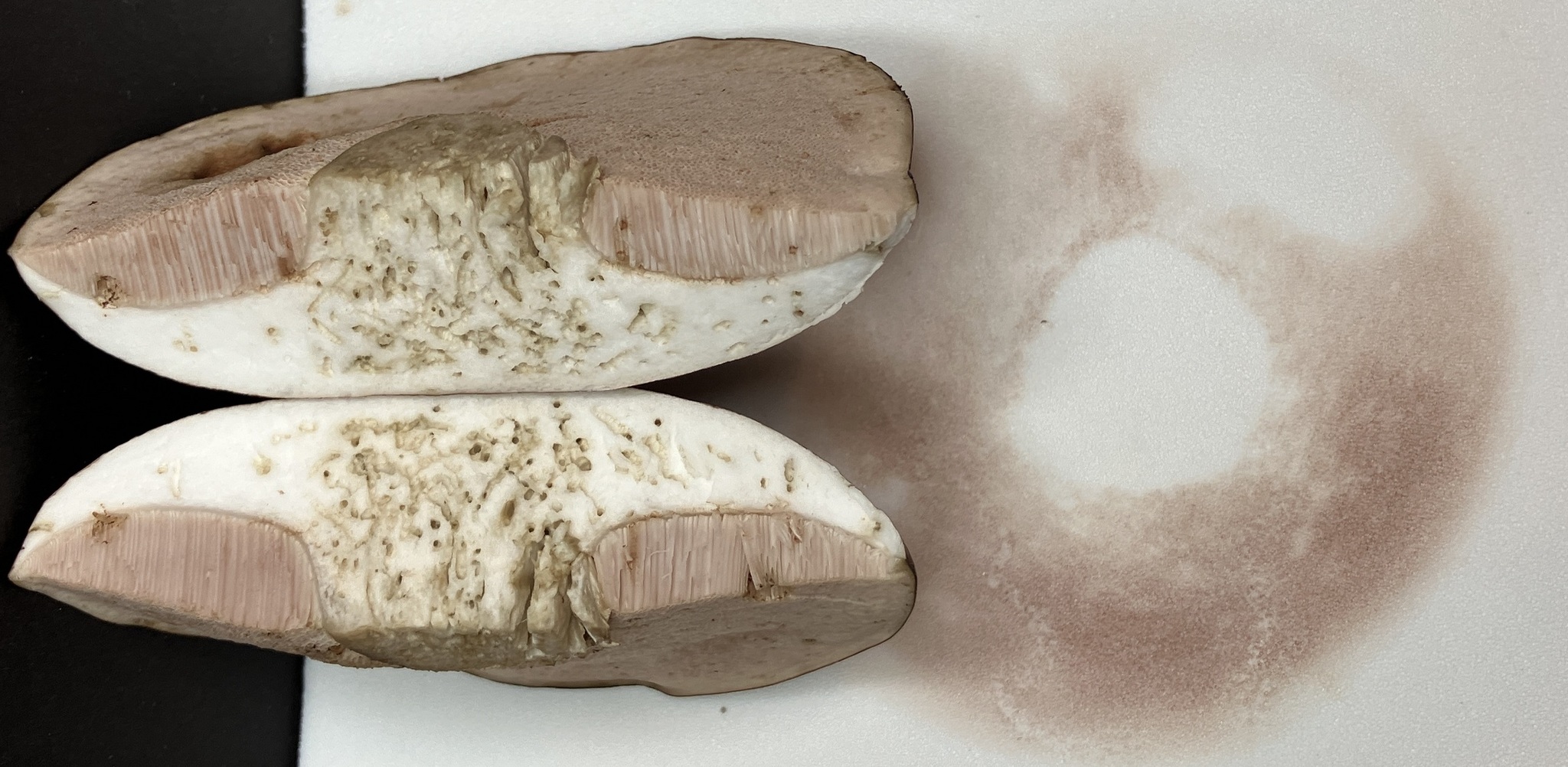
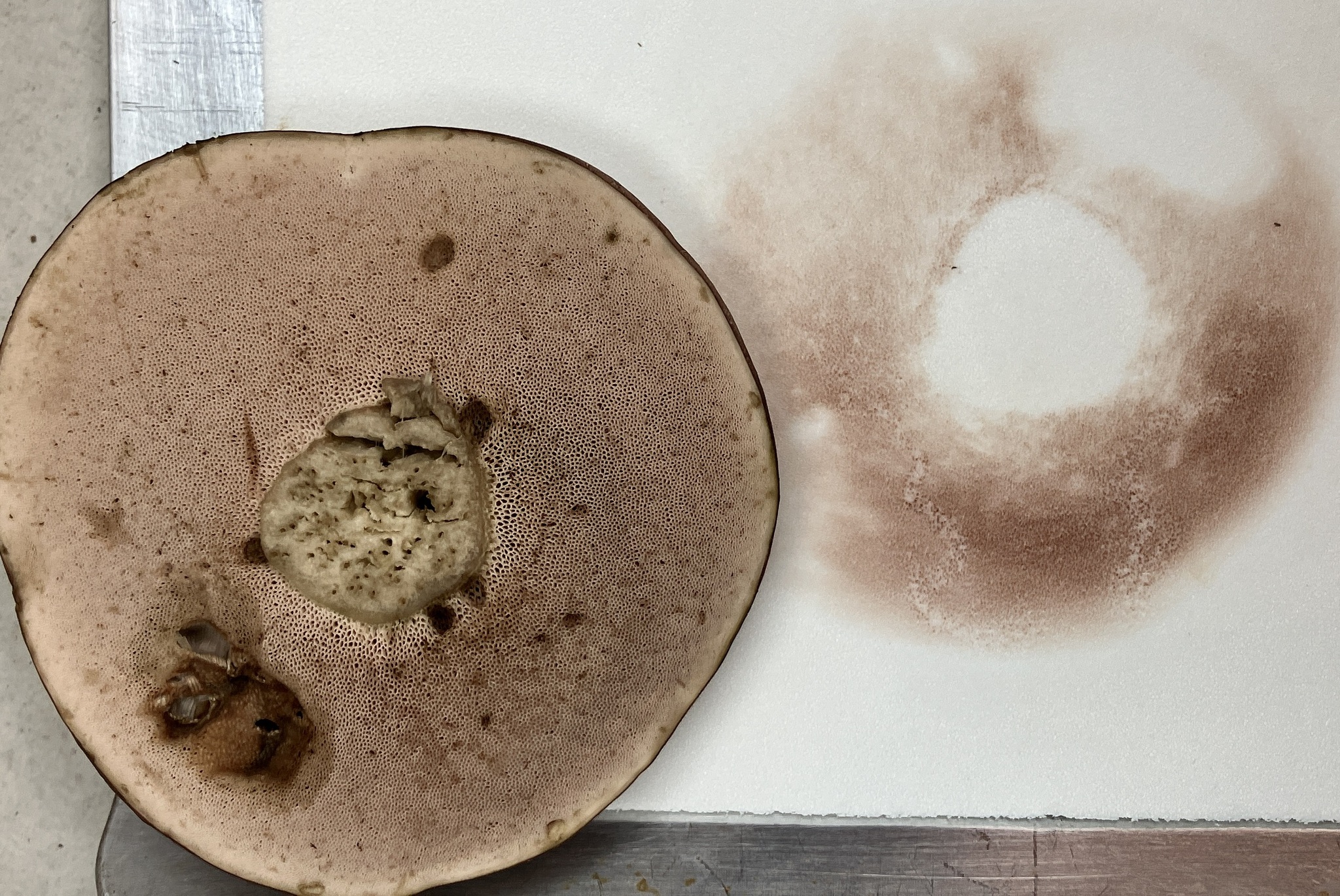
The cap is 5–13 centimetres (2–5 in) wide. The stem is 7–13 cm tall and 1.5–3 cm thick.[4] The flesh is white and can bruise yellowish, with a very bitter taste.[4] The spore print is pinkish brown.[4]
It can be found under beech and oak trees in eastern North America from July to September.[4]
The species is inedible.[5]
See also
[edit]References
[edit]- ^ Roody WC. (2003). Mushrooms of West Virginia and the Central Appalachians. Lexington, Kentucky: University Press of Kentucky. p. 340. ISBN 0-8131-9039-8.
- ^ Mazzer SJ, Smith AH. (1967). "New and interesting boletes from Michigan". The Michigan Botanist. 6: 57–67.
- ^ Rodríguez-Ramírez EC, Moreno CE. (2010). "Bolete diversity in two relict forests of the Mexican beech (Fagus grandifolia var. mexicana; Fagaceae)". American Journal of Botany. 97 (5): 893–898. doi:10.3732/ajb.0900284. PMID 21622453.

- ^ a b c d Audubon (2023). Mushrooms of North America. Knopf. p. 365. ISBN 978-0-593-31998-7.
- ^ Miller Jr., Orson K.; Miller, Hope H. (2006). North American Mushrooms: A Field Guide to Edible and Inedible Fungi. Guilford, CN: FalconGuide. p. 380. ISBN 978-0-7627-3109-1.

External links
[edit]
 | This Boletales-related article is a stub. You can help Wikipedia by adding missing information. |