Map Snapshot


19 Records
Citations
No citations linked for this taxon yet.
Source: Wikipedia
| Resupinatus applicatus | |
|---|---|

| |
| Resupinatus applicatus | |
Scientific classification 
| |
| Kingdom: | Fungi |
| Division: | Basidiomycota |
| Class: | Agaricomycetes |
| Order: | Agaricales |
| Family: | Resupinataceae |
| Genus: | Resupinatus |
| Species: | R. applicatus
|
| Binomial name | |
| Resupinatus applicatus | |
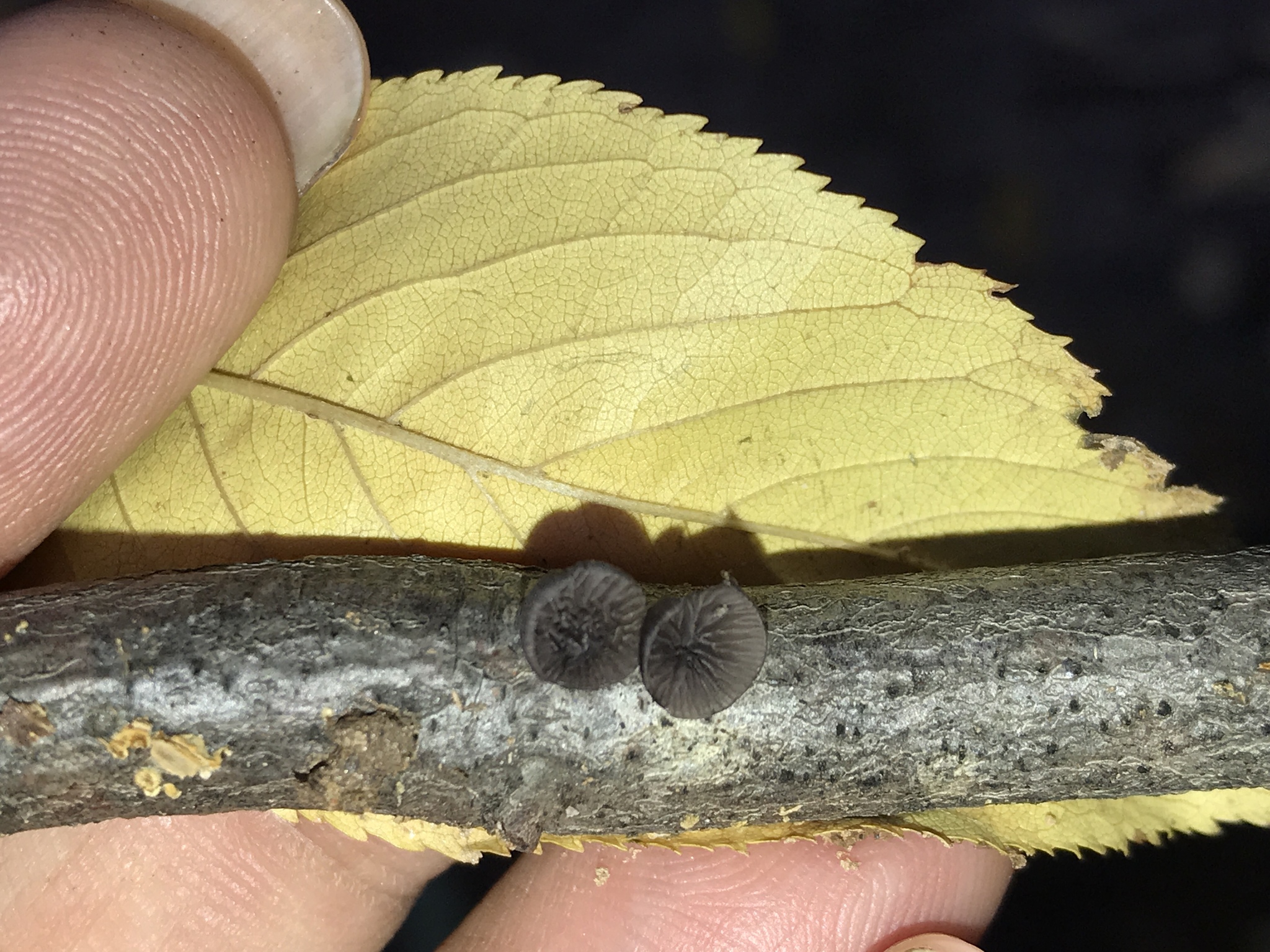
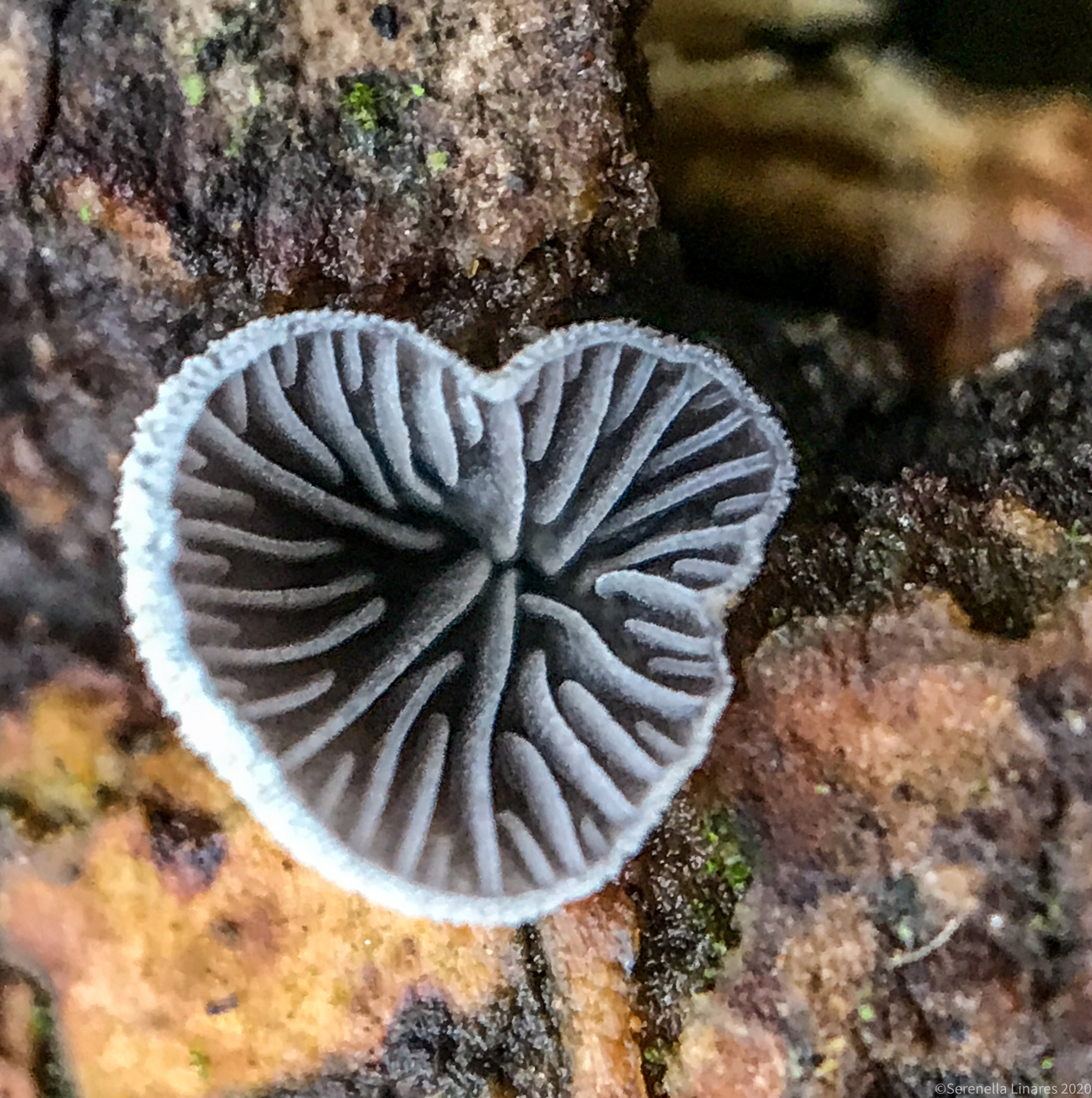
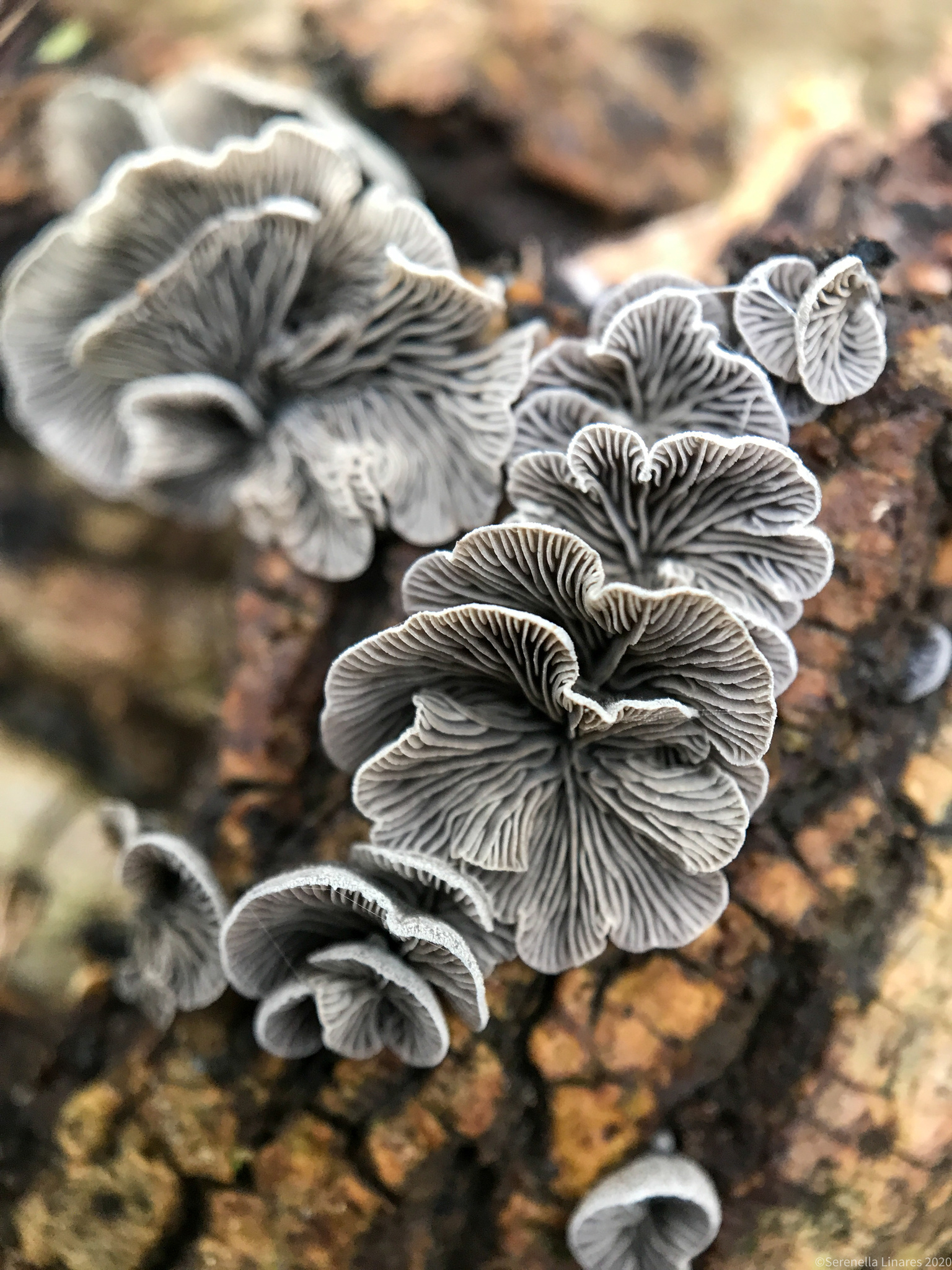
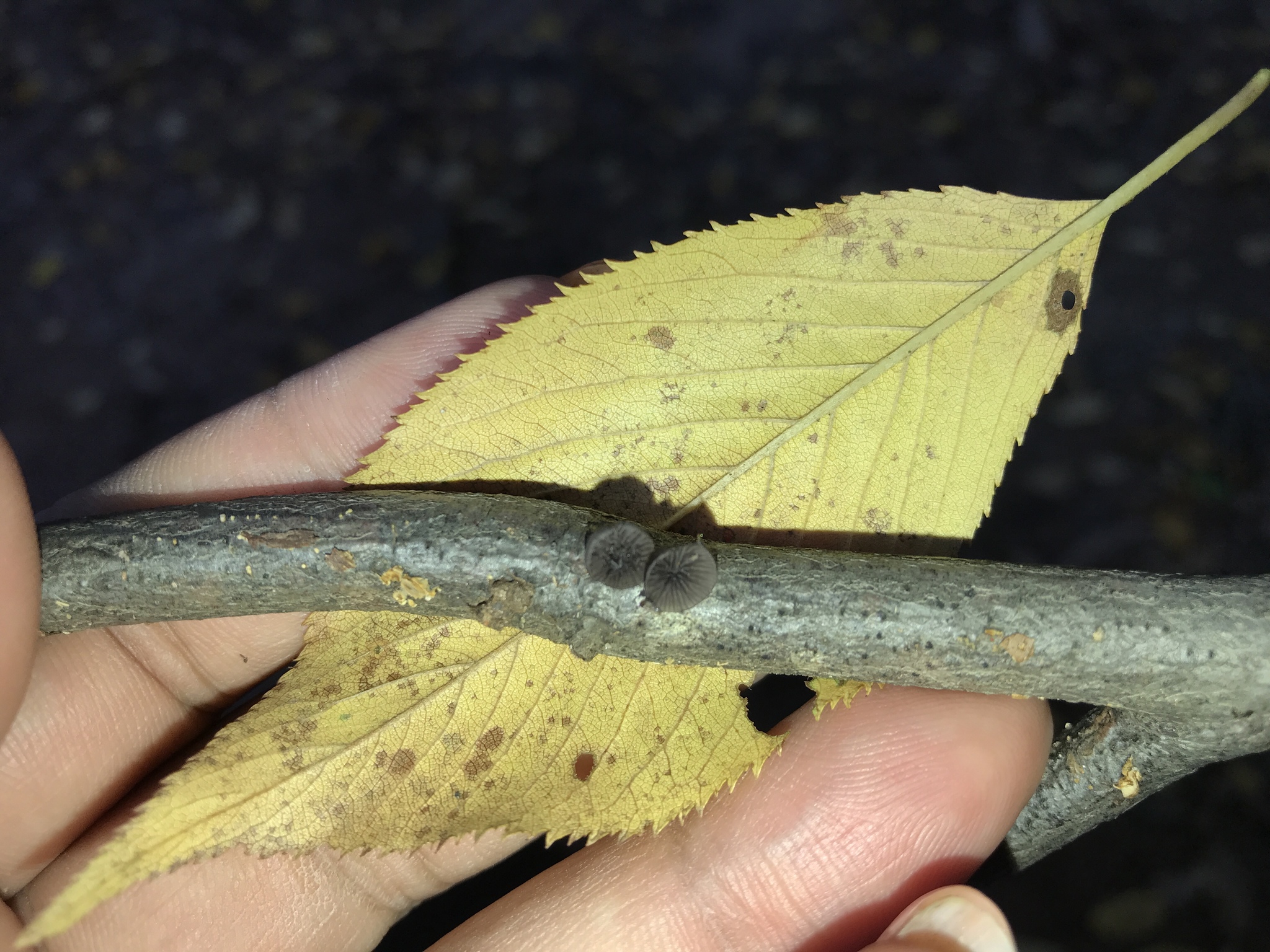
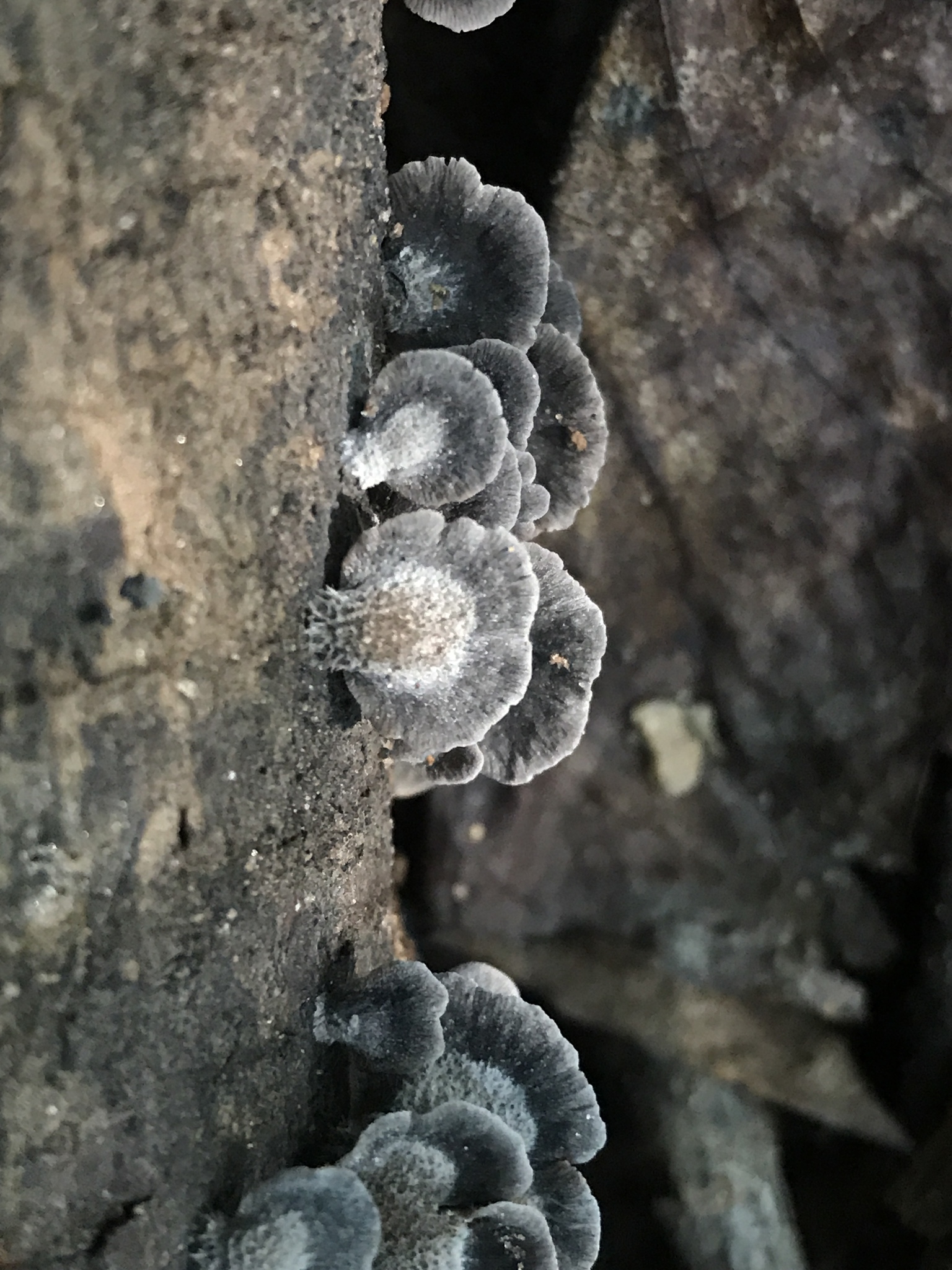
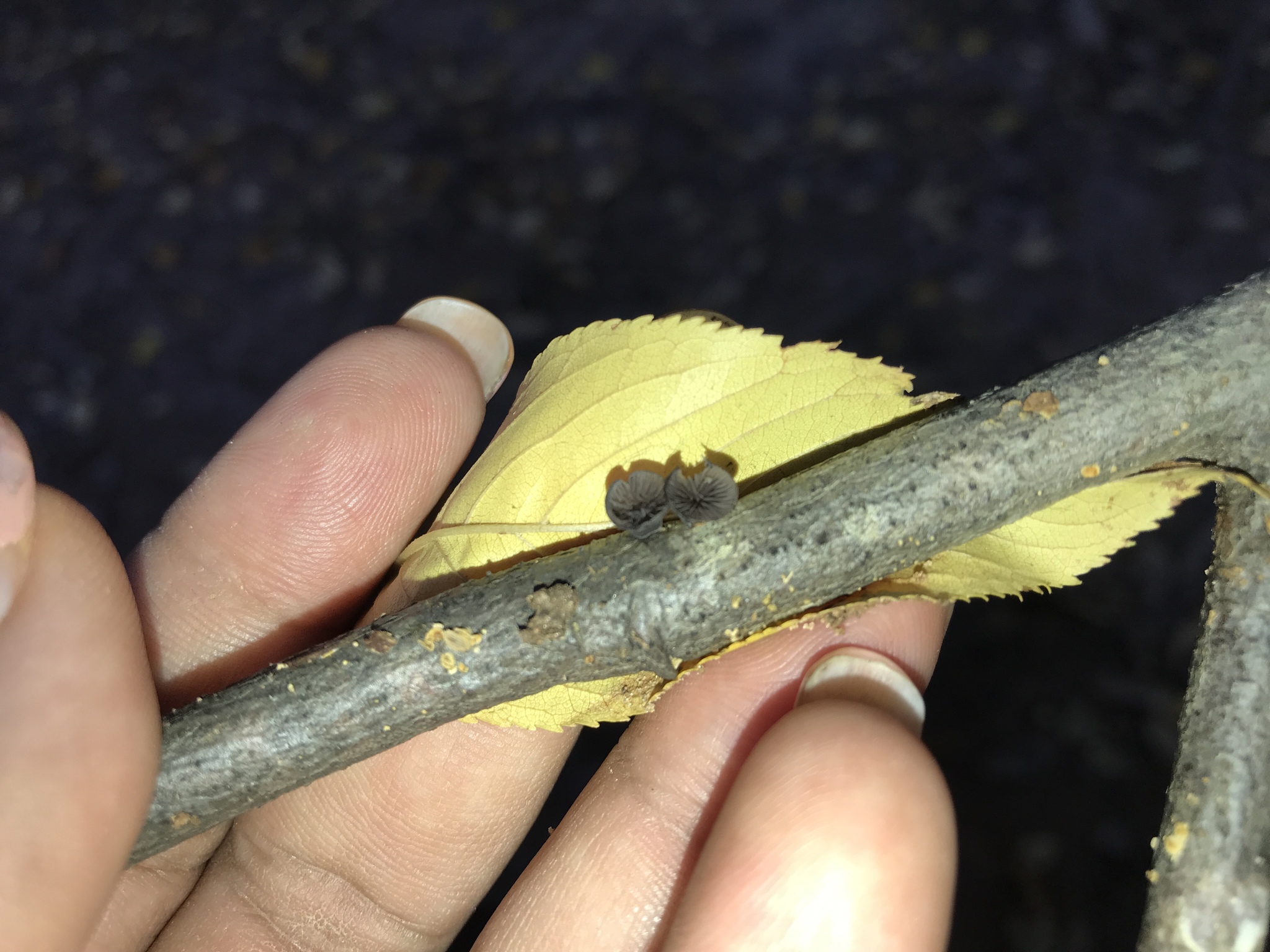
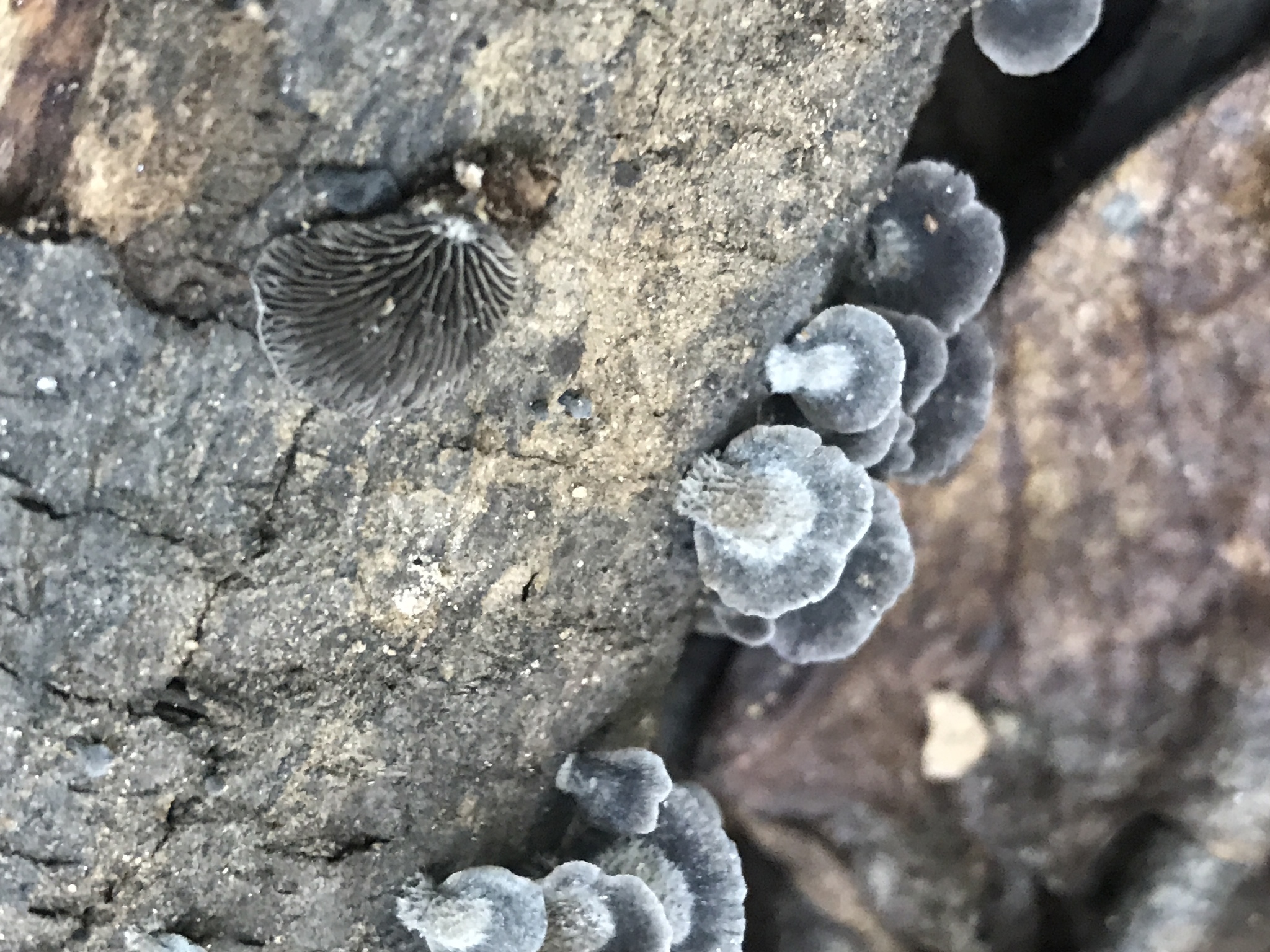
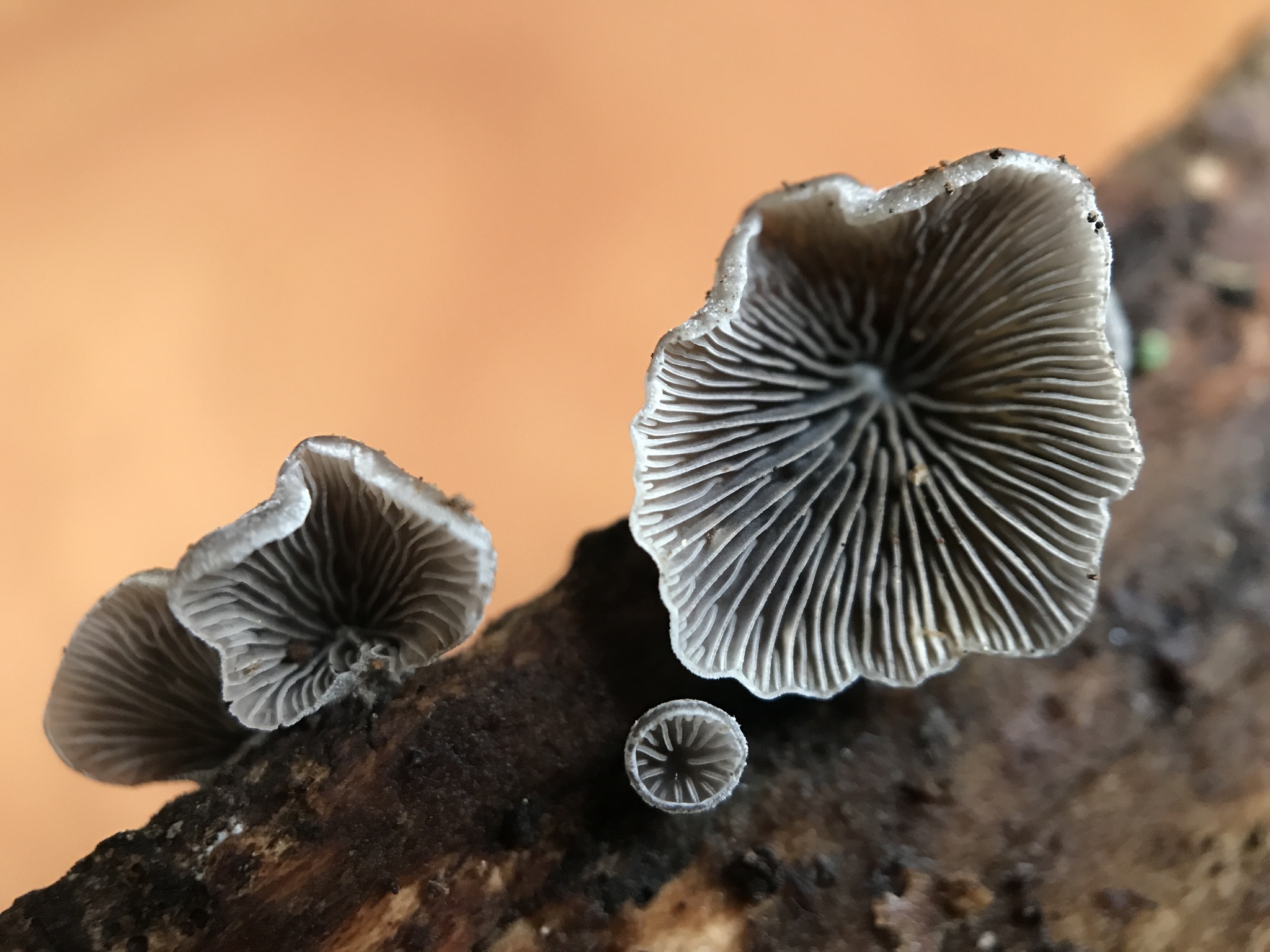
Resupinatus applicatus, commonly known as the smoked oysterling or the black jelly oyster, is a species of fungus in the family Tricholomataceae, and the type species of the genus Resupinatus. First described in 1786 as Agaricus applicatus by August Johann Georg Karl Batsch,[1] it was transferred to Resupinatus by Samuel Frederick Gray in 1821.[2]
Description
[edit]The cuplike to convex fruit bodies of the fungus are 0.2 to 0.6 cm (0.1 to 0.2 in) in diameter, and grayish-blue to grayish-black in color. The dry cap surface is covered with small, fine hairs. The mushrooms have no stem, and have a firm but gelatinous flesh. The mushrooms produce a white spore print.[3]
Similar species
[edit]It may resemble other species of its genus as well as Hohenbuehelia atrocoerulea.[4]
Habitat and distribution
[edit]The fungus is saprobic, and grows on decaying wood.[5] It is widely distributed in North America,[3] Europe, and Australia.[6]
References
[edit]- ^ Batsch AJGK. (1786). Elenchus fungorum. Continuatio prima. p. 171.
- ^ Gray SF. (1821). A Natural Arrangement of British Plants. Vol. 1. p. 617.
- ^ a b Miller HR, Miller OK. (2006). North American Mushrooms: a Field Guide to Edible and Inedible Fungi. Guilford, Connecticut: Falcon Guide. p. 138. ISBN 0-7627-3109-5.
- ^ Audubon (2023). Mushrooms of North America. Knopf. p. 376. ISBN 978-0-593-31998-7.
- ^ Emberger G. (2008). "Resupinatus applicatus". Fungi Growing on Wood. Messiah College. Retrieved 2010-12-08.
- ^ Fuhrer B. (2005). A Field Guide to Australian Fungi. Bloomings Books. p. 165. ISBN 1-876473-51-7.