Map Snapshot


65 Records
Status
Description
Citations
No citations linked for this taxon yet.
Source: Wikipedia
| Calvatia cyathiformis | |
|---|---|

| |
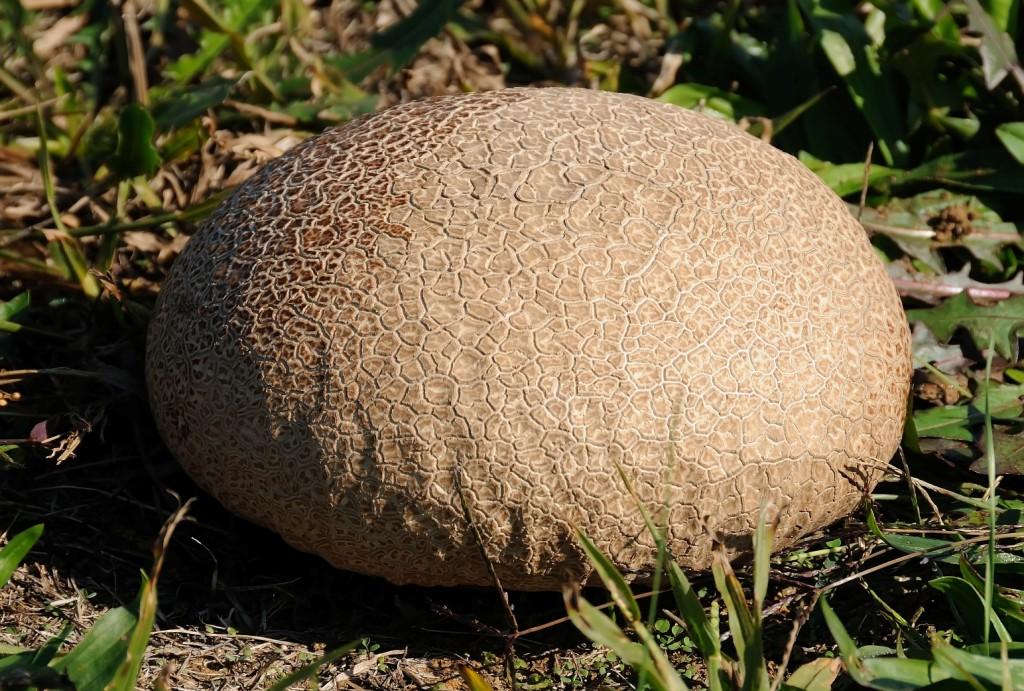
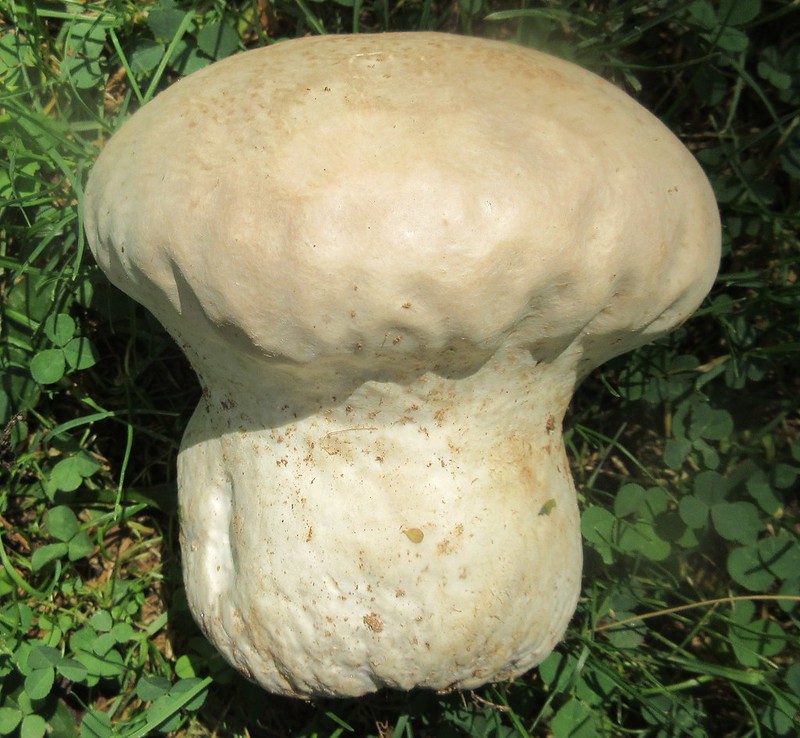
| On a lawn near Cooktown, Queensland, Australia | |
Scientific classification 
| |
| Kingdom: | Fungi |
| Division: | Basidiomycota |
| Class: | Agaricomycetes |
| Order: | Agaricales |
| Family: | Agaricaceae |
| Genus: | Calvatia |
| Species: | C. cyathiformis
|
| Binomial name | |
| Calvatia cyathiformis (Bosc) Morgan. J. Cincinnati Soc. Nat. Hist. 12: 168 (1890)
| |
| Calvatia cyathiformis | |
|---|---|
| Mycological characteristics | |
 | Glebal hymenium |
 | No distinct cap |
 | Hymenium attachment is not applicable |
| Lacks a stipe |
 | Spore print is purple to purple-brown |
 | Ecology is saprotrophic |

 | Edibility is edible or inedible |
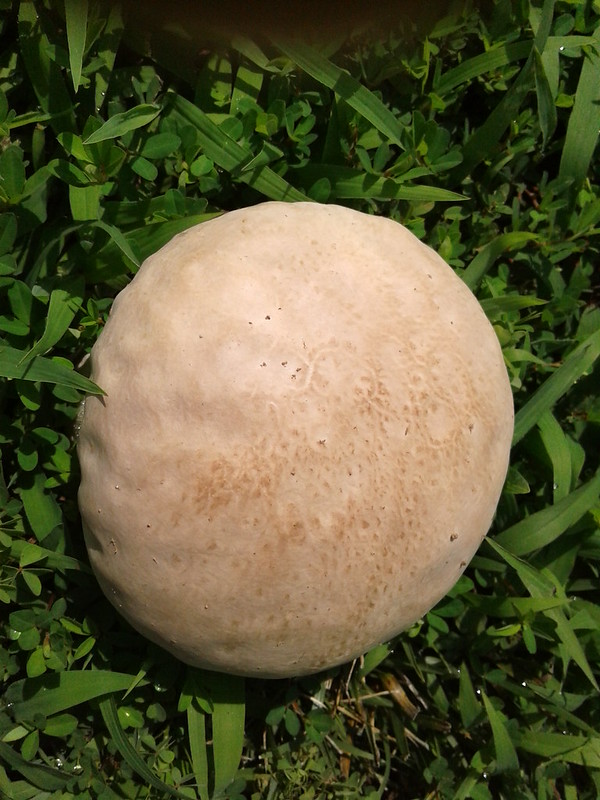
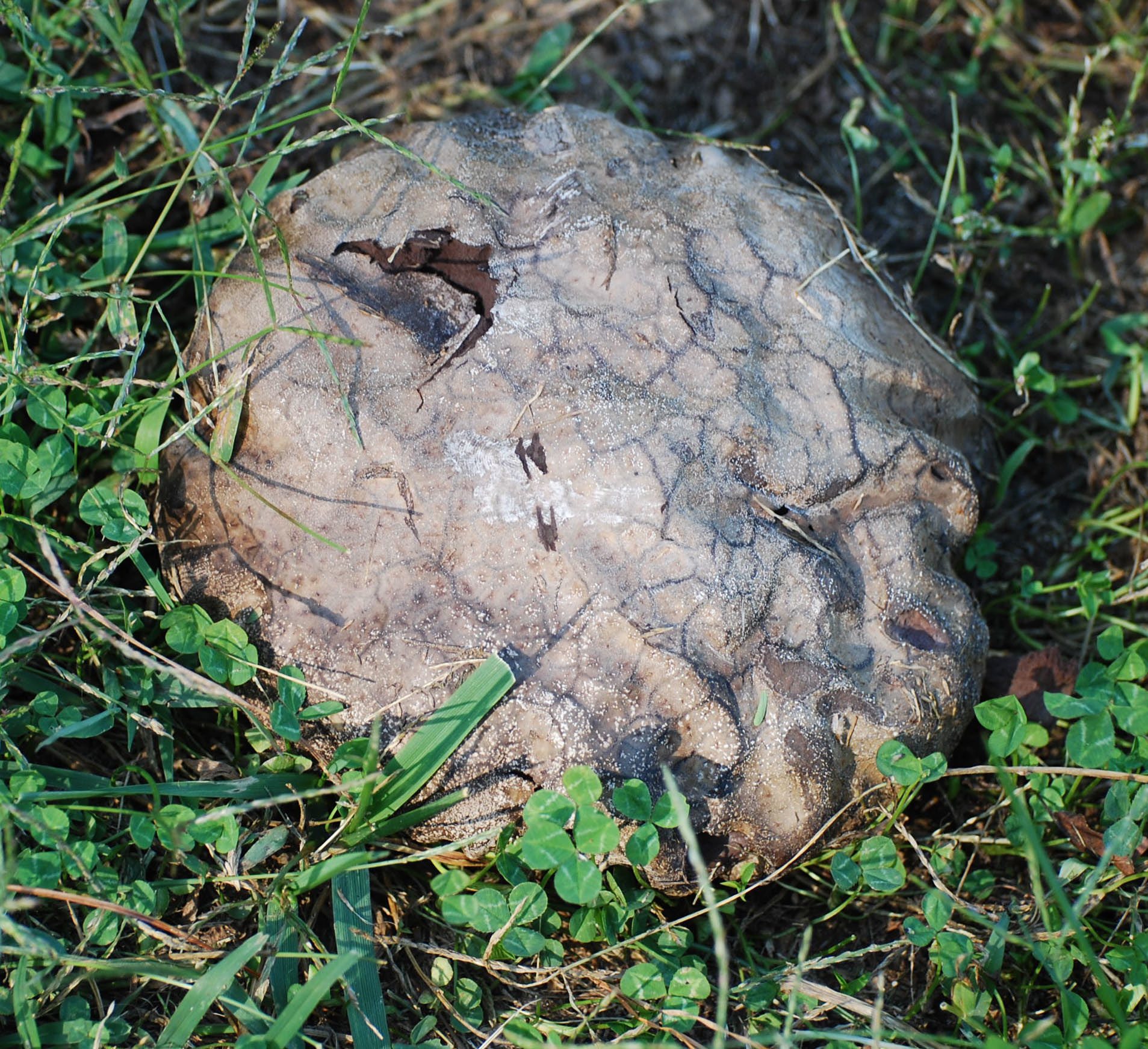
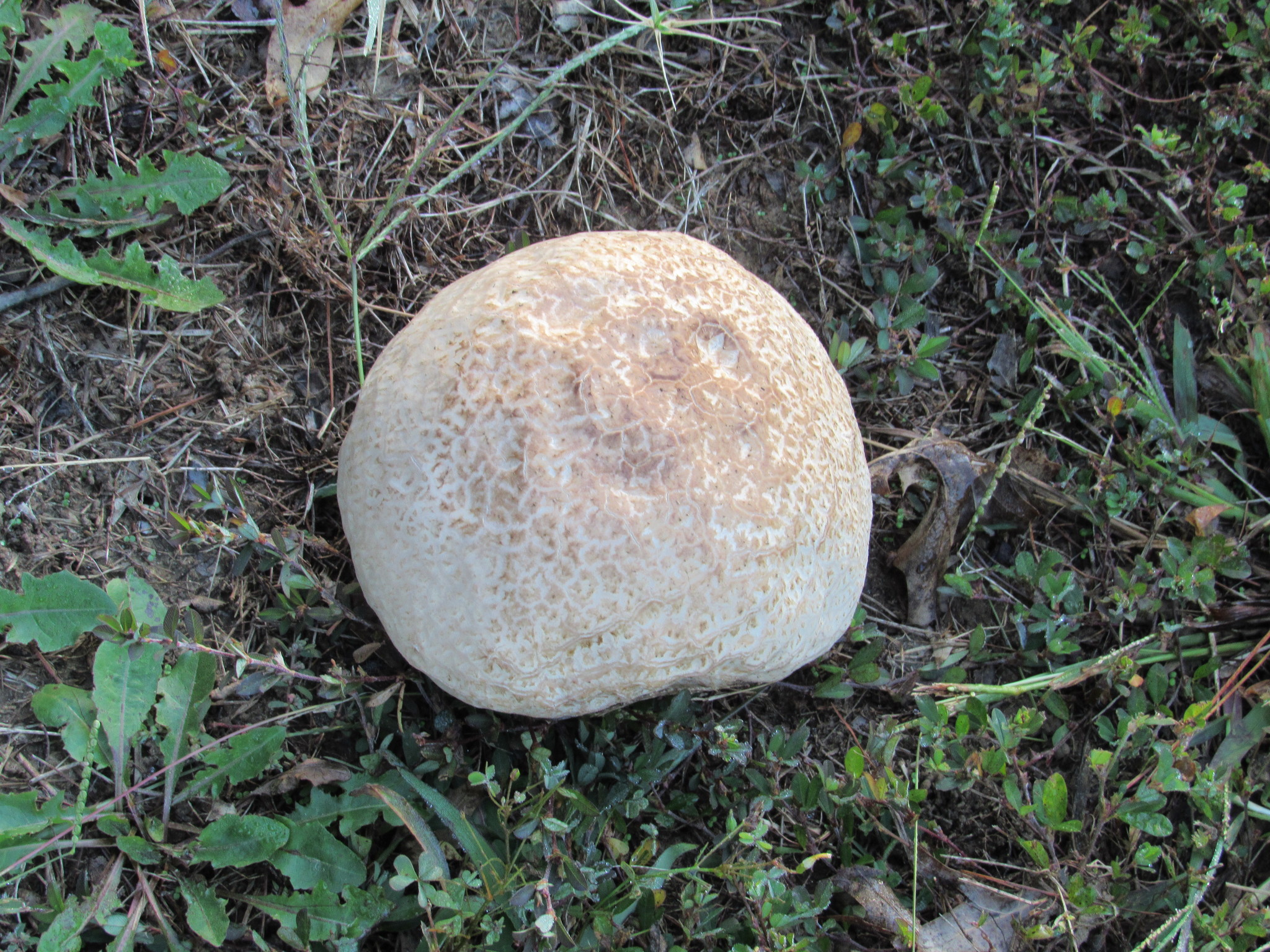
Calvatia cyathiformis, or purple-spored puffball,[1] is a large saprobic species of Calvatia. This terrestrial puffball has purplish or purple-brown spores, which distinguish it from other large Agaricales. It is found in North America and Australia, mostly in prairie or grassland environments. It is reportedly edible when young.
Description
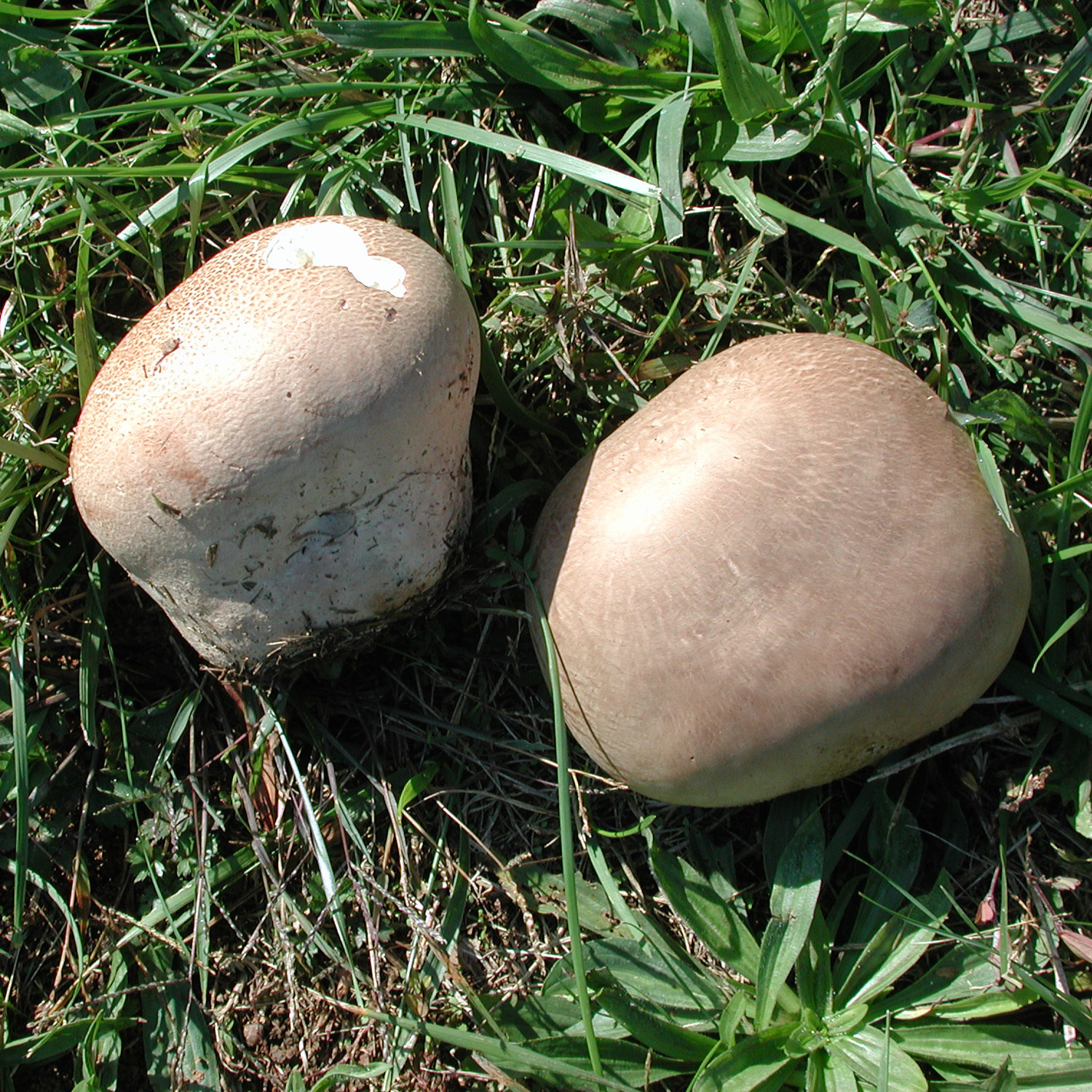
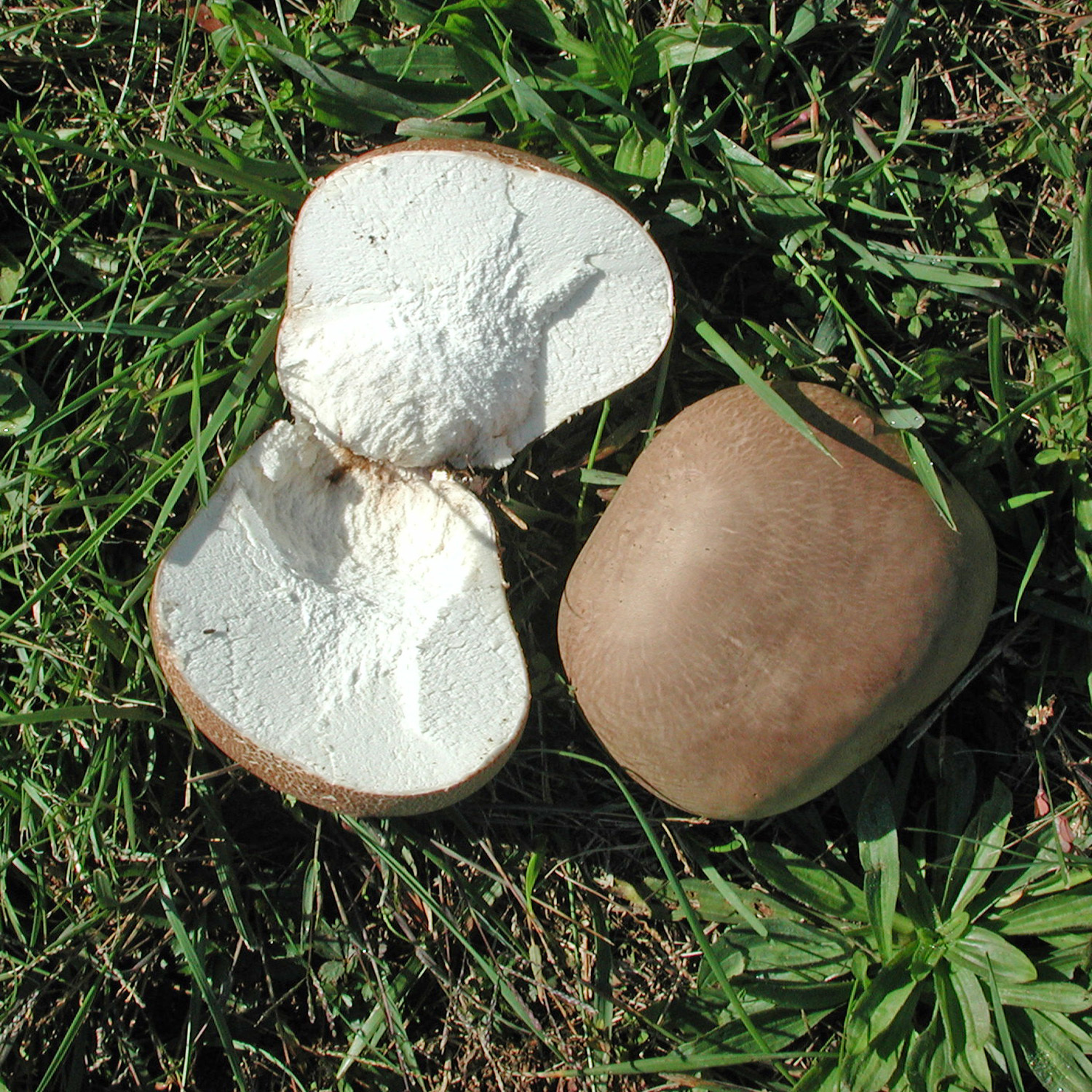
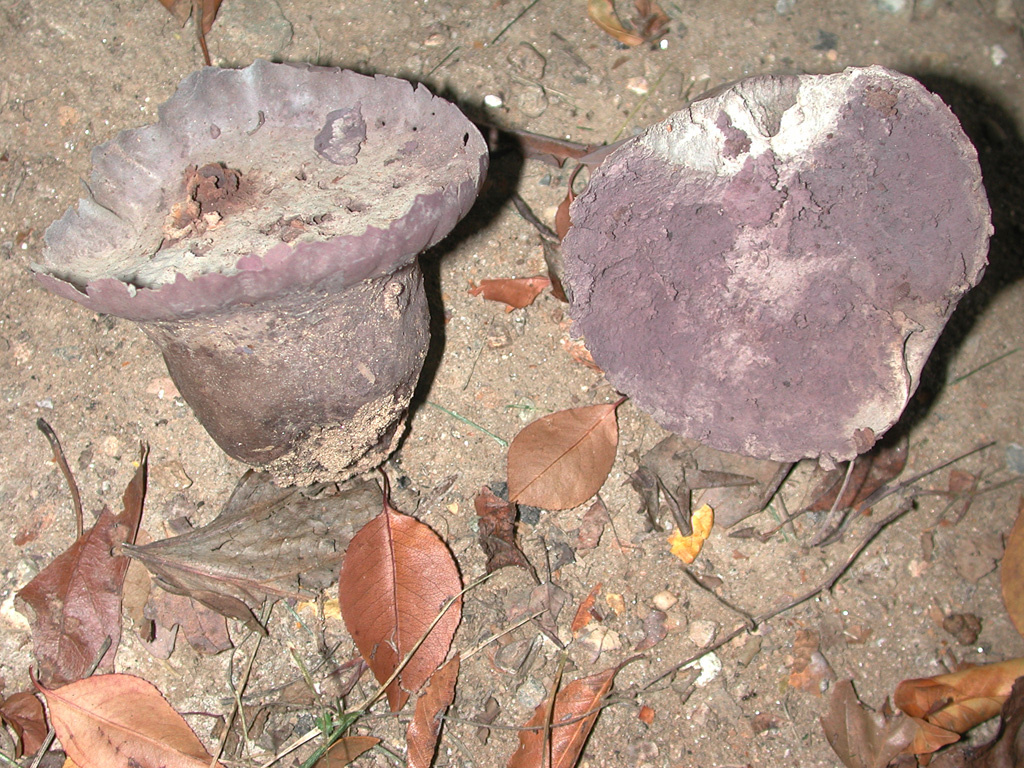
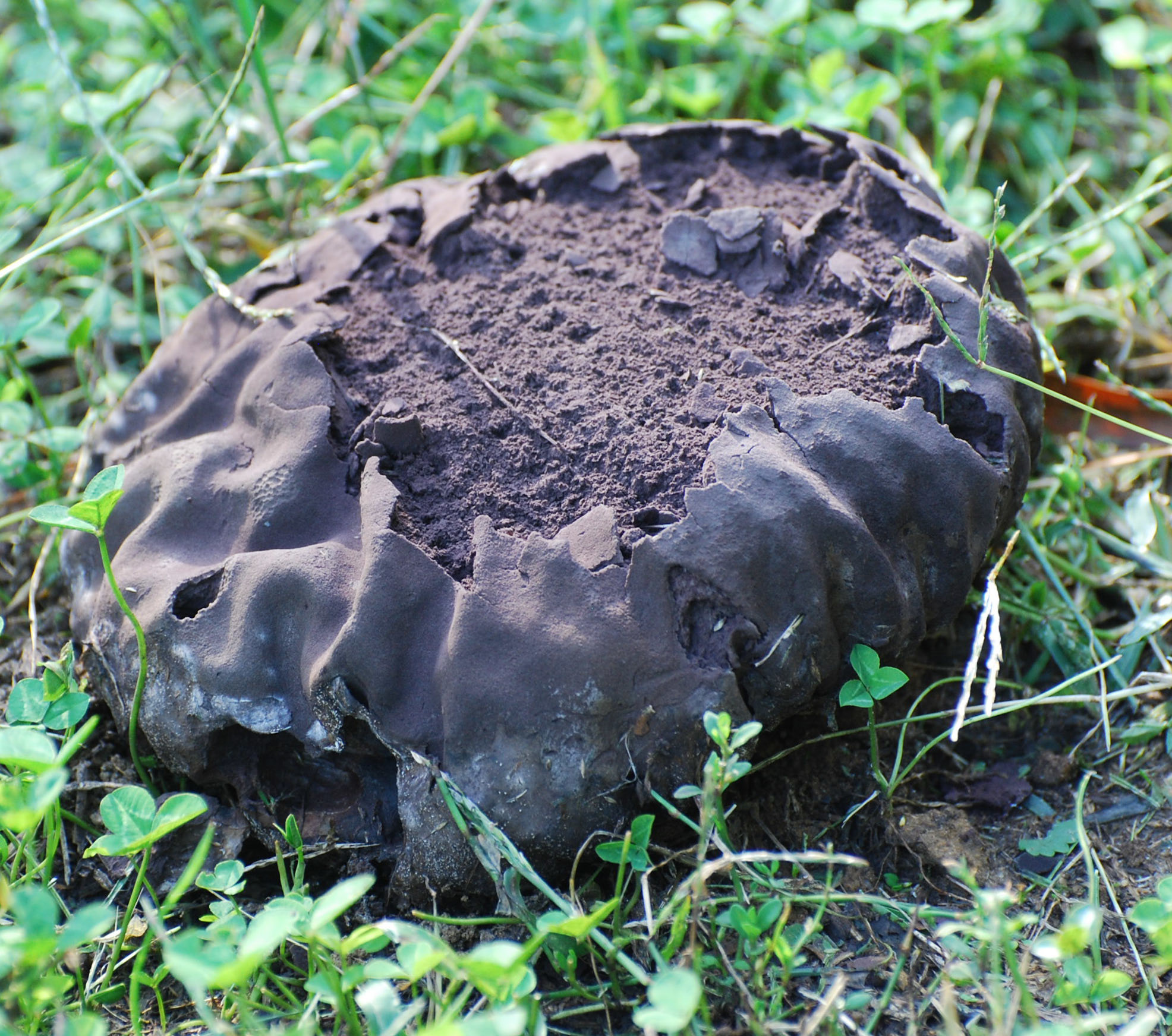
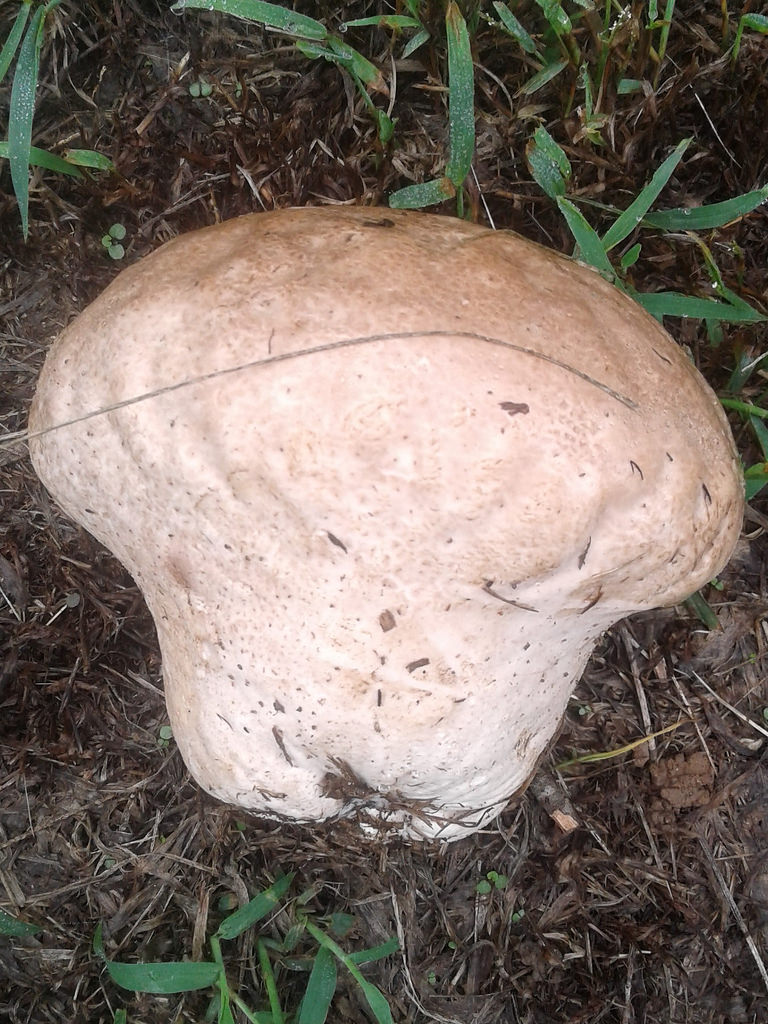
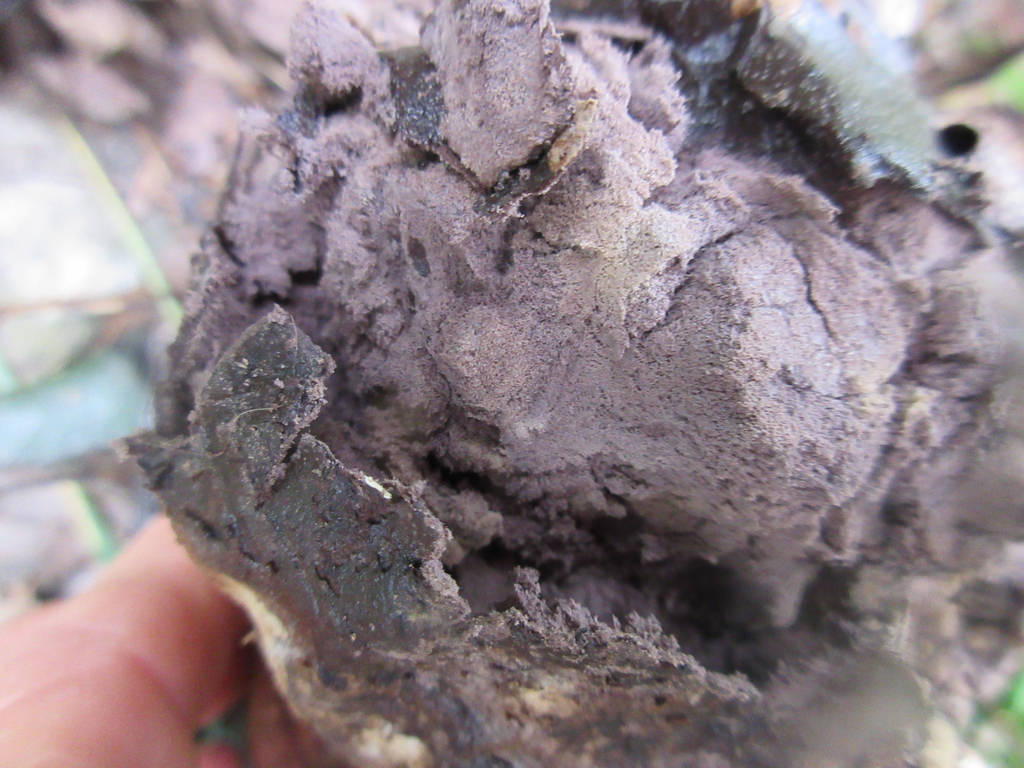
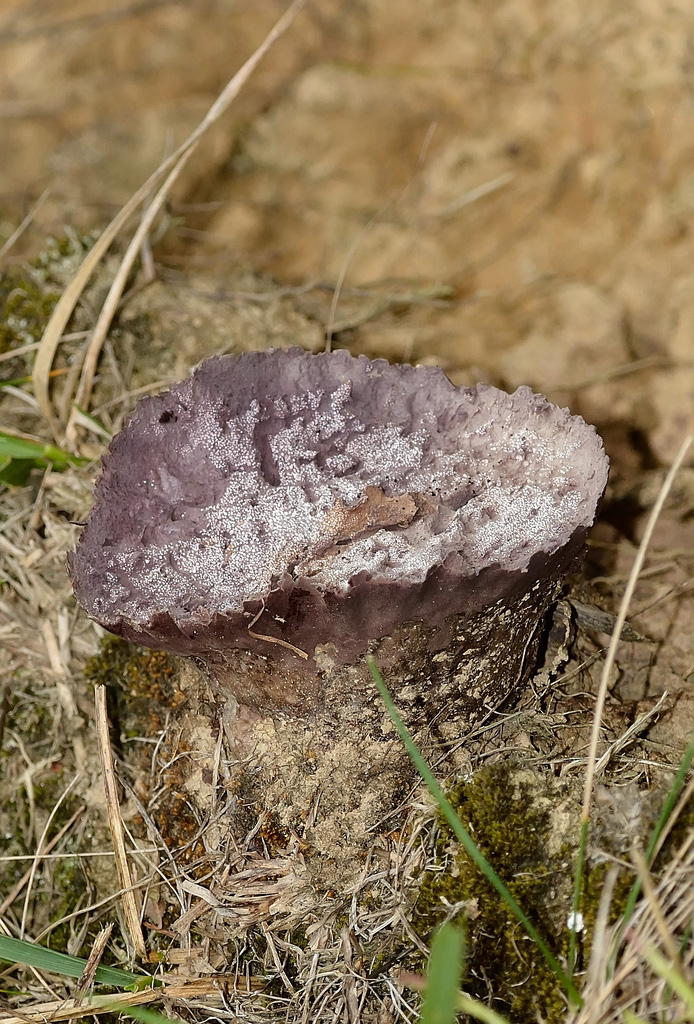
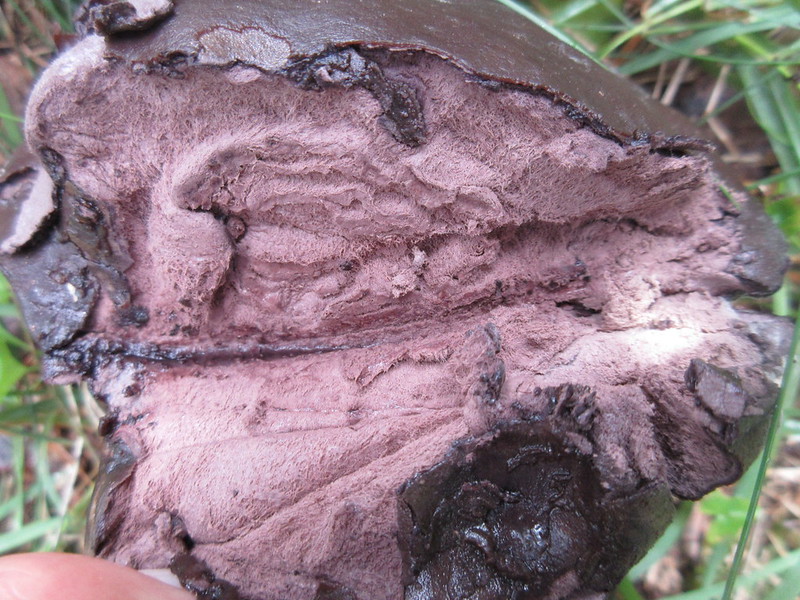
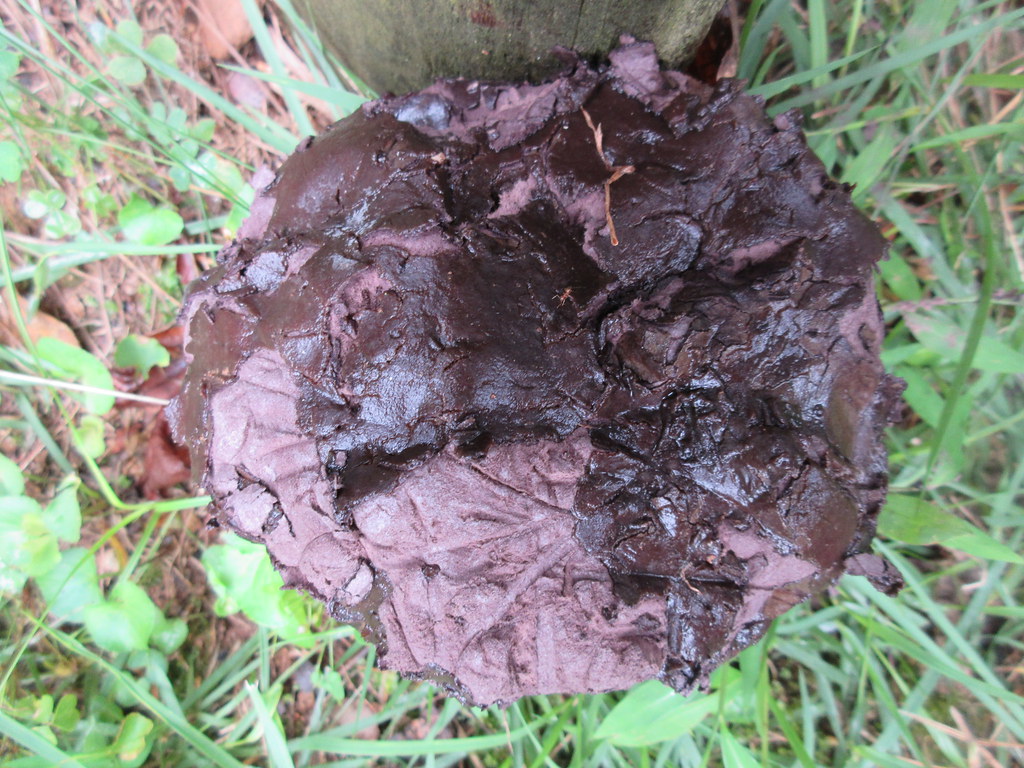
[edit]The fruiting body is 5–20 cm (2–8 in) high and/or broad.[2] When young it is relatively smooth and spherical or slightly flattened and can be white, purplish or brownish.[2] It has a chocolate-brown or purple-colored gleba with a smooth exoperidium. As it matures, it often becomes pear- or top-shaped[1] and the exterior skin takes on a dark or silvery colour. As it ages the exterior dries and cracks and the fleshy spore-bearing interior breaks away to be distributed by wind and rain. After the spores completely disperse, a sterile base in the form of a soft leathery cup remains on the ground.[3]
The spores are 3.5–7.5 μm in diameter, "round, spiny or warty to nearly smooth. Capillitial threads 3–7.5 μm wide; thick-walled; minutely pitted."[4] The spore mass turns from white to yellow to dull purple or purple-brown at maturity.[1]
-
 Interior of a mature specimen

Similar species
[edit]Outside of the genus, similar species include Lycoperdon utriforme.[2]
Habitat and distribution
[edit]Calvatia cyathiformis is commonly found in grazing paddocks and grassed areas around the wet areas of Australia in the southwest of Western Australia, and from Adelaide in South Australia to Cooktown, on Cape York Peninsula, as well as in Darwin, Northern Territory.[citation needed]
Uses
[edit]It is said to be edible until the flesh begins to turn to a tan colour.[5] The puffball has not been noted to have a distinctive odor or taste.[4]
References
[edit]- ^ a b c Arora, David (1986) [1979]. Mushrooms Demystified: A Comprehensive Guide to the Fleshy Fungi (2nd ed.). Berkeley, California: Ten Speed Press. p. 687. ISBN 978-0-89815-170-1.
- ^ a b c Davis, R. Michael; Sommer, Robert; Menge, John A. (2012). Field Guide to Mushrooms of Western North America. Berkeley: University of California Press. pp. 365–366. ISBN 978-0-520-95360-4. OCLC 797915861.
- ^ Australian Fungi - A Blog Accessed 12 Feb. 2011.
- ^ a b "Calvatia cyathiformis (MushroomExpert.Com)". MushroomExpert.Com. Archived from the original on 2005-05-17.
- ^ Hall, Ian, et al. (2003). Edible and Poisonous Mushrooms of the World. Timber Press. ISBN 978-0-88192-586-9, p. 147.
External links
[edit] Media related to Calvatia cyathiformis at Wikimedia Commons
- Calvatia cyathiformis at Mushroomobserver.org.
