Spring Azure (Celastrina ladon) is part of the infamous azure complex, which contains some of the most challenging eastern butterflies to identify to species. A number of populations are separated temporally, or by host plant association, but may occur sympatrically at the same locality. Several new species have been described in recent years, and more may await. Spring Azure (s. l.) formerly included a number of these distinct populations, but many have now been determined to be distinct species. This species, as currently defined, flies from early April to early May in Maryland (Butterflies of Maryland: A Biological Summary and Checklist by Lynn Davidson & Richard Smith).
Description
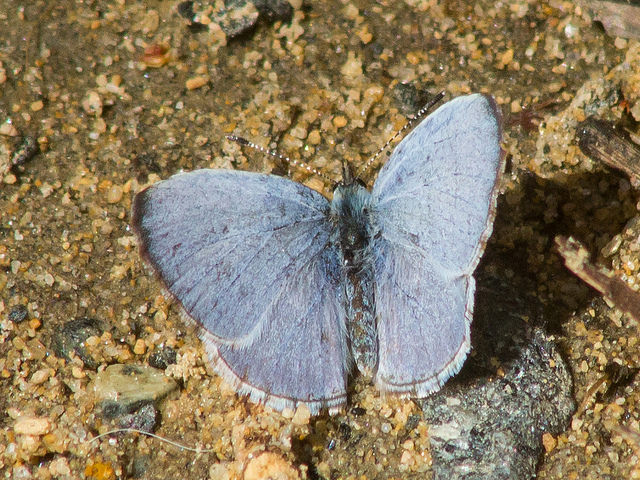
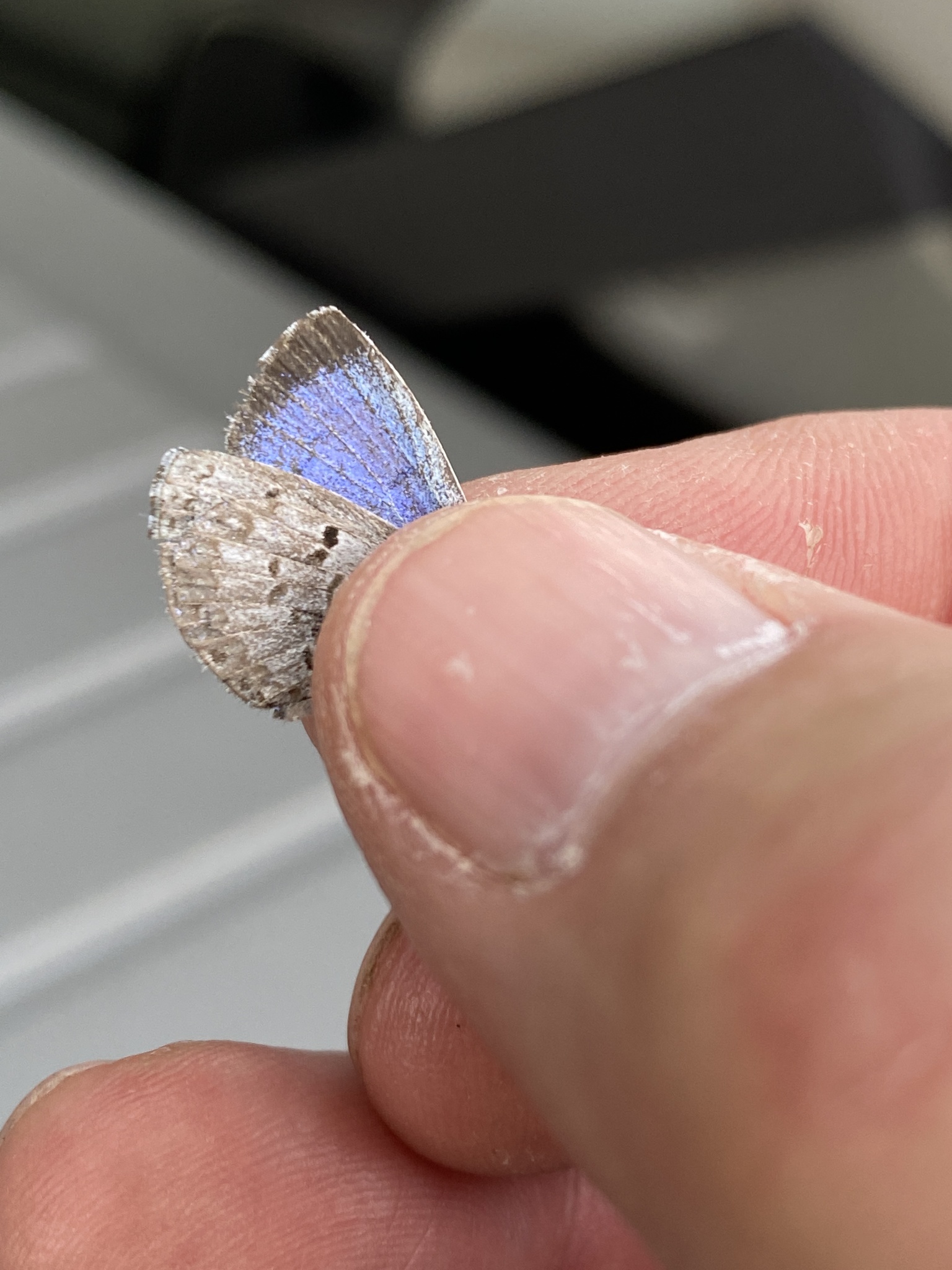
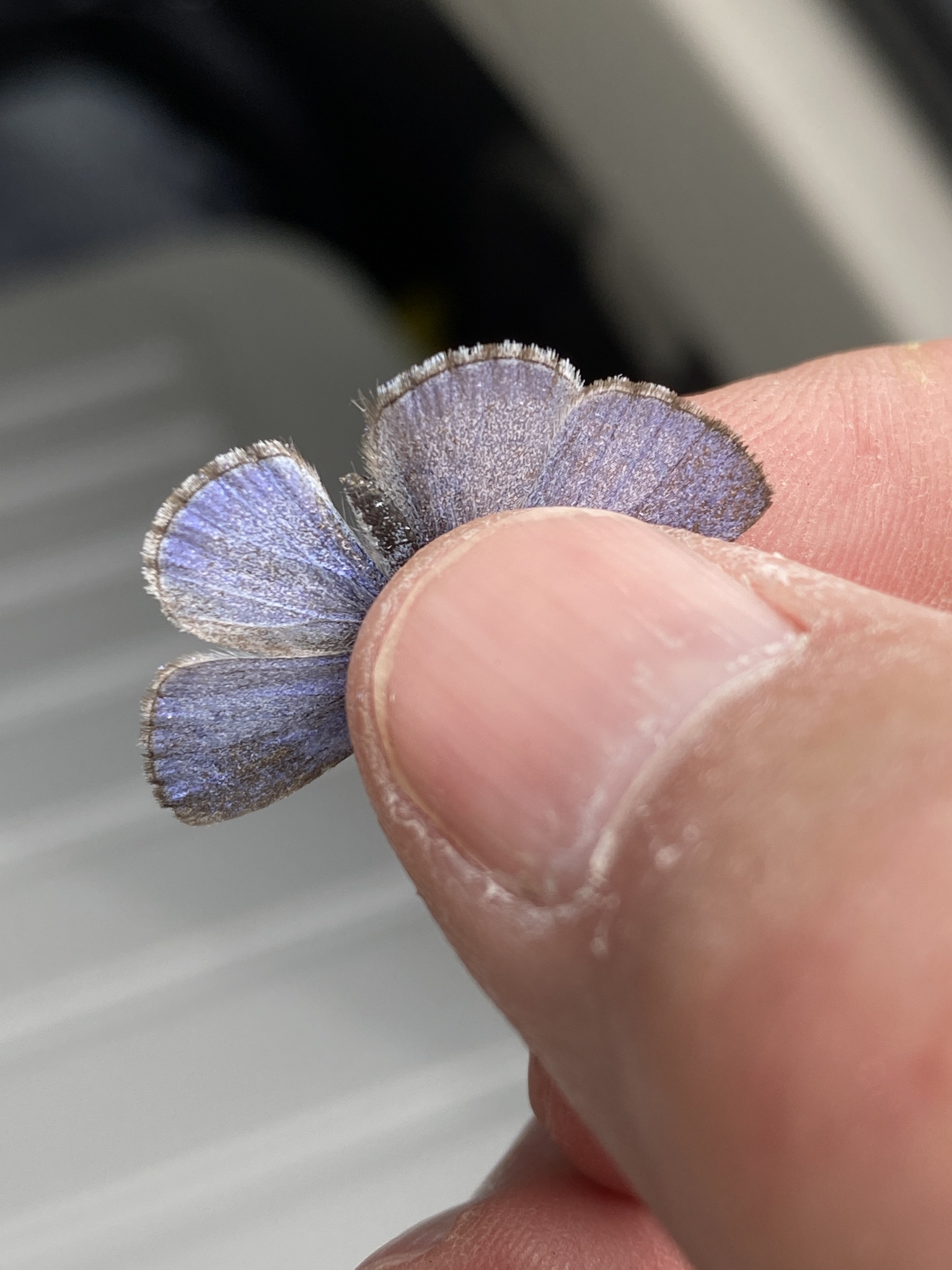
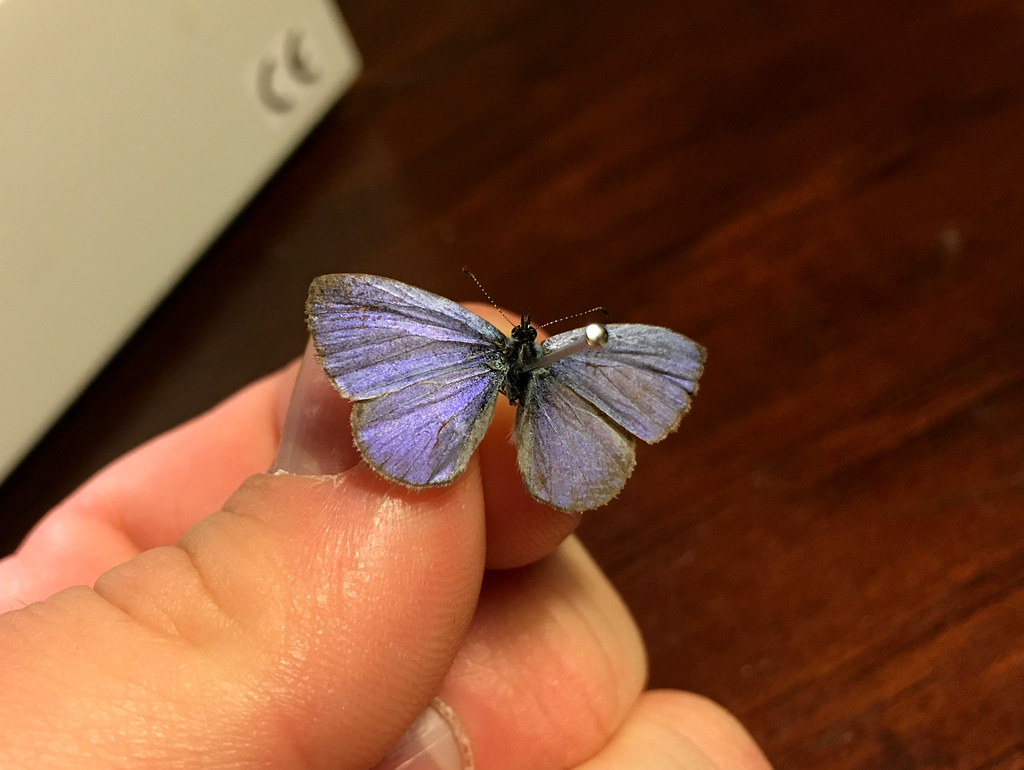
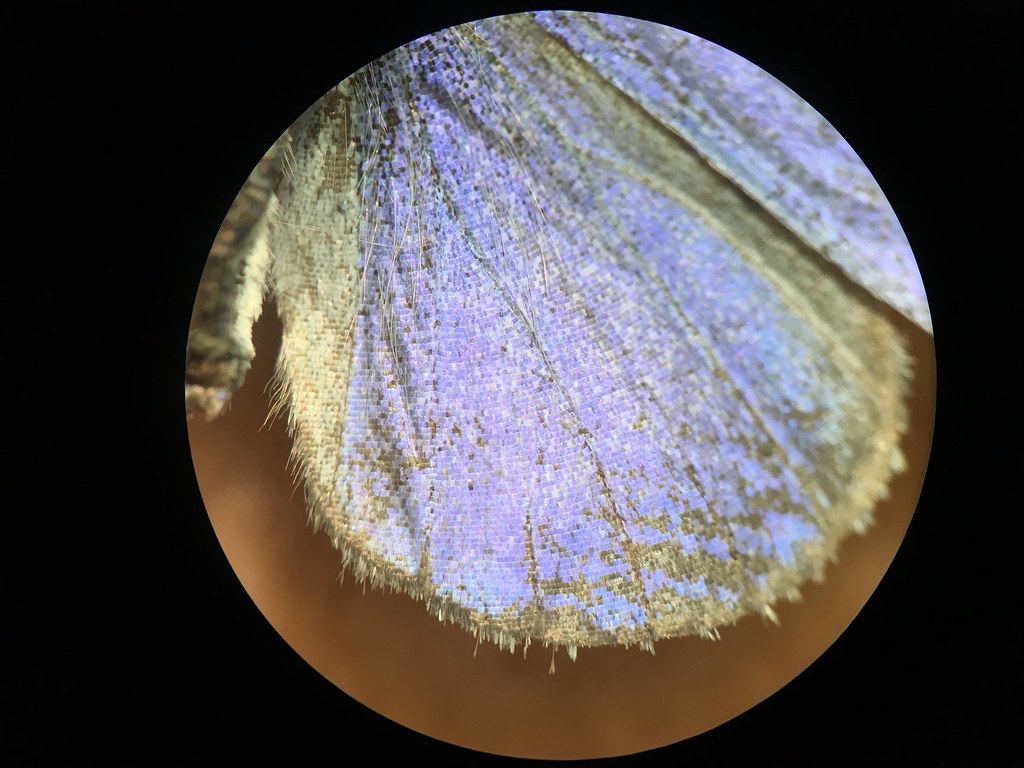
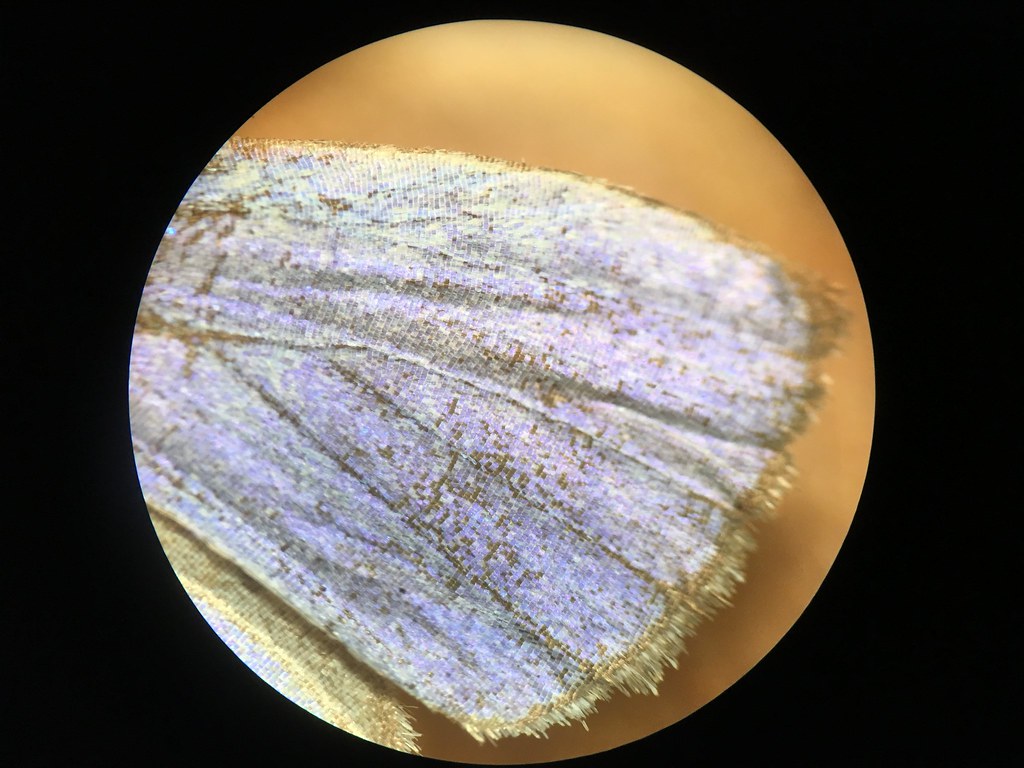
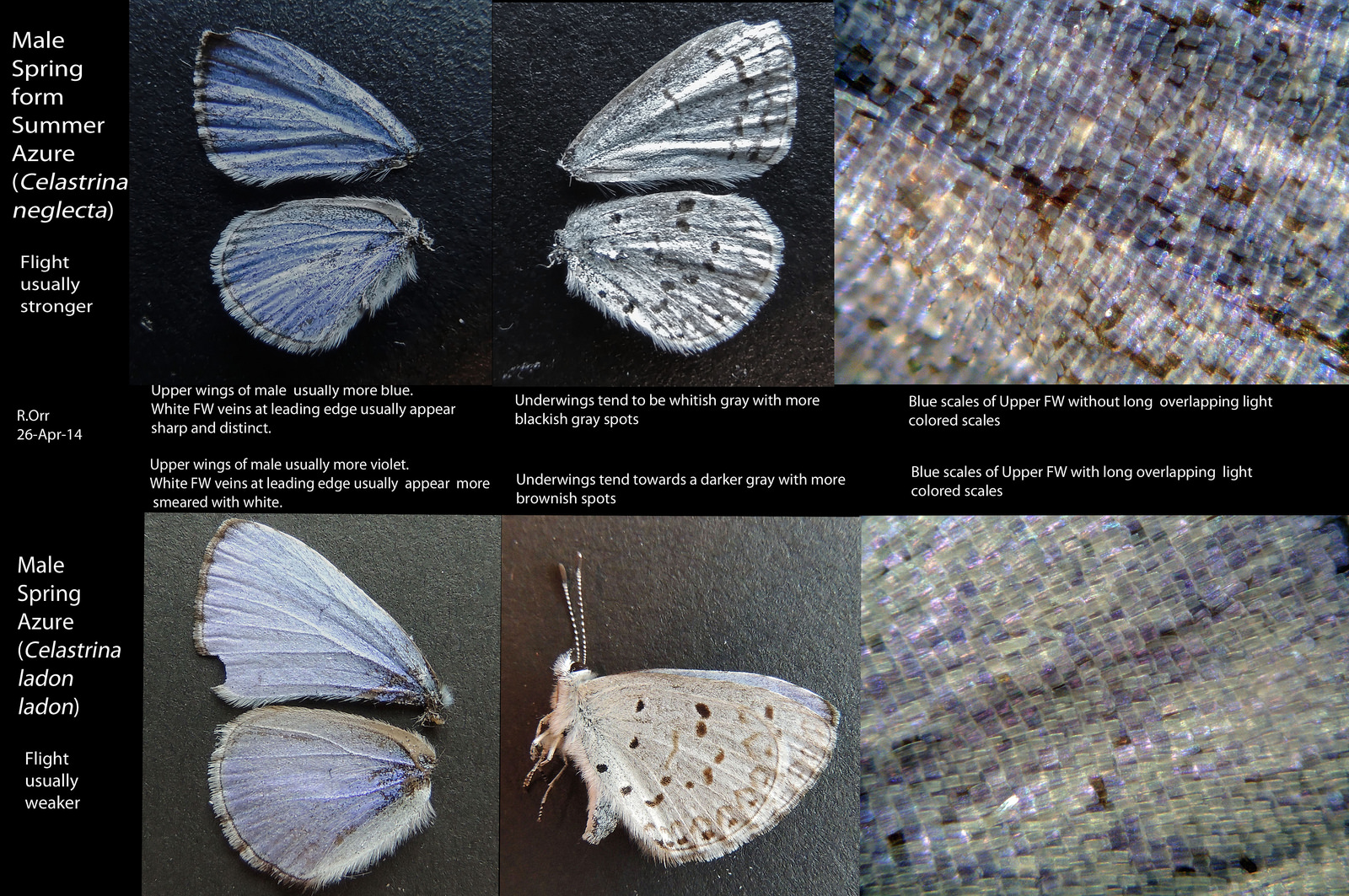
Under microscopic examination, the scalation of the male upperwing is distinctive. The male of ladon is unique among our blue azure species in lacking the scent-producing androconia scale patches. The appearance of the blue upperwing also differs subtly from the spring form of Summer Azure, and may appear more violet in hue (various pages on Rick Borchelt's fantastic blog https://leplog.wordpress.com/).
Celastrina ladon, the spring azure or echo blue, is a butterfly of the family Lycaenidae. It is found in North America from Alaska and Canada south of the tundra, through most of the United States except the Texas coast, southern plain and peninsula Florida; south in the mountains to Colombia, also on Molokai island, Hawaii.[citation needed]
Since the publication of a monograph on the Lycaenopsis group of lycaenid genera in 1983 by Eliot & Kawazoe,[2]C. ladon has been considered by some taxonomic authorities to be a subspecies of C. argiolus (Linnaeus, 1758). Other authorities still consider C. ladon and related species C. neglecta and C. serotina to be "full" species.[3][4][5][6][7]
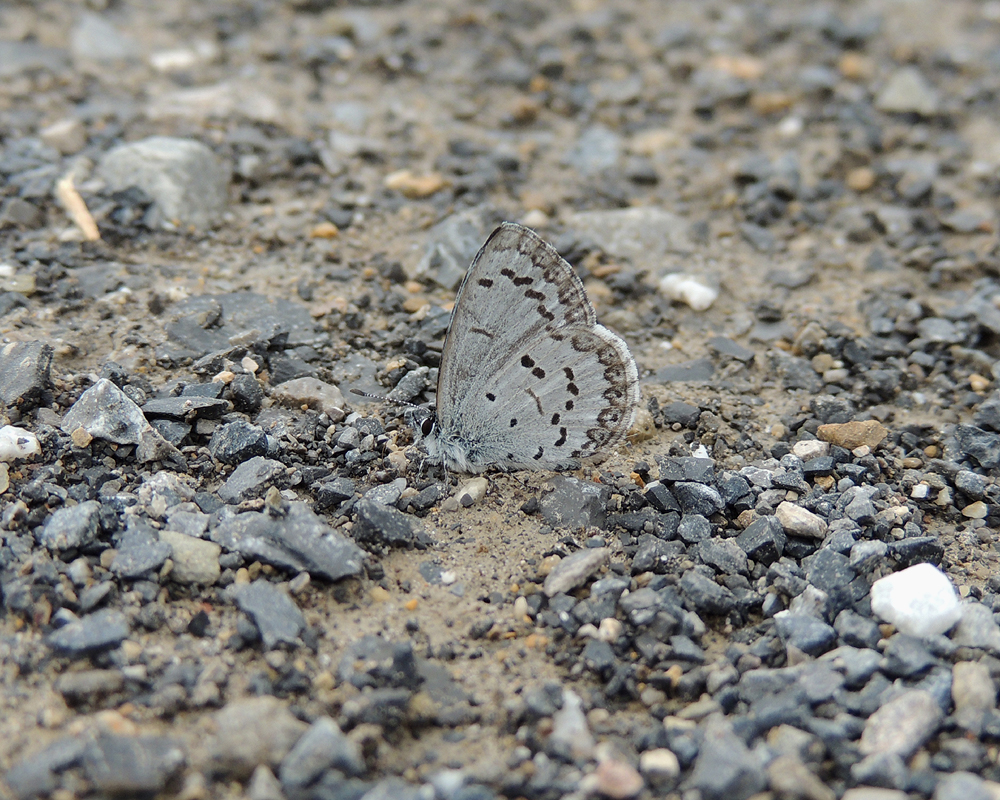
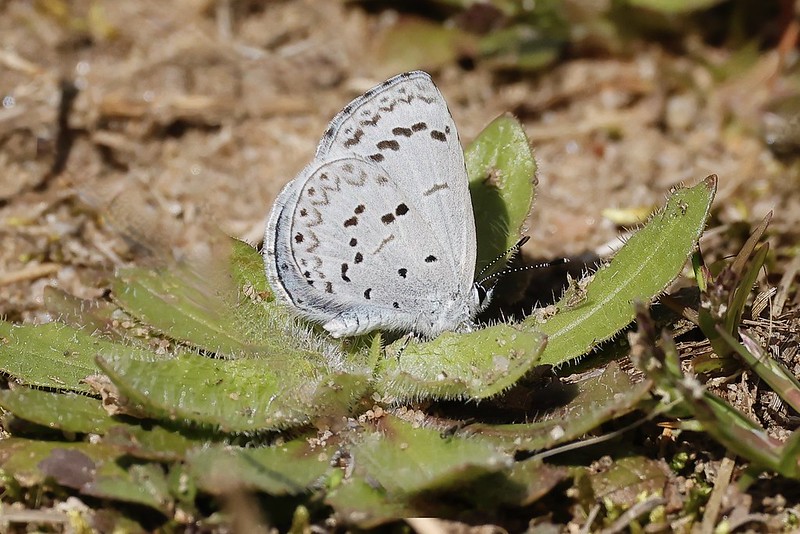
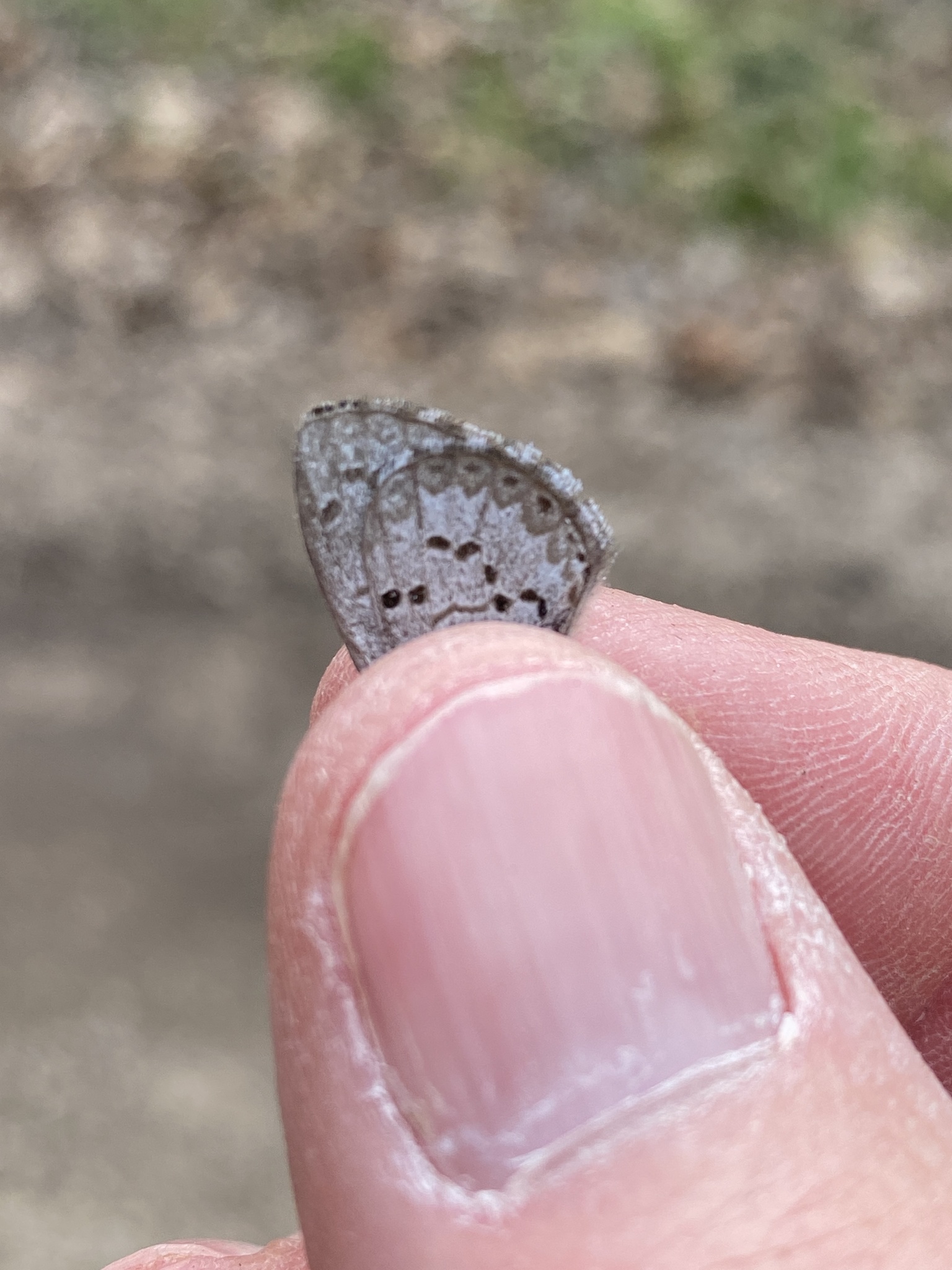
Its wingspan is 22–35 millimetres (0.87–1.38 in). The metallic blue wings have a black margin in females. The undersides of the wings are white with speckles.[8]





_female.jpg)


