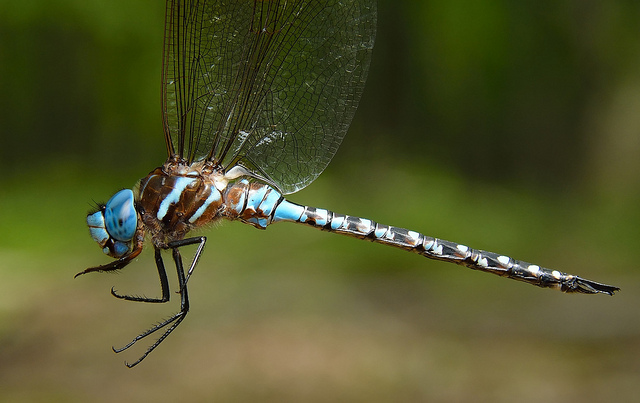
A Spatterdock Darner in Frederick Co., Maryland (6/9/2013).
Photo by
Richard Orr
MBP List
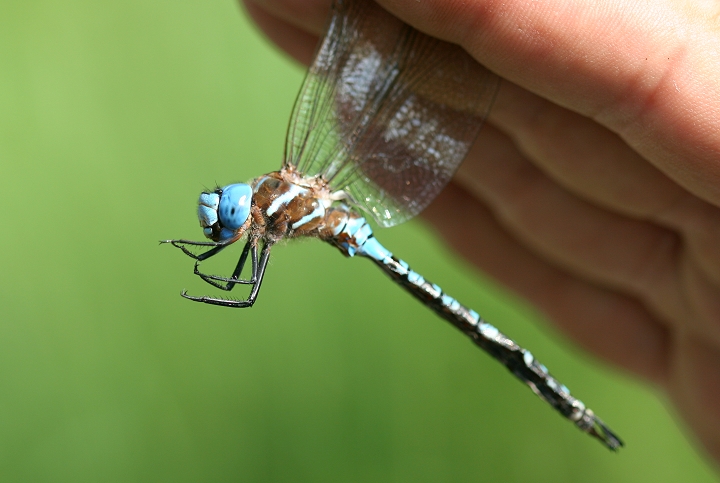
A male Spatterdock Darner in Garrett Co., Maryland (7/1/2006).
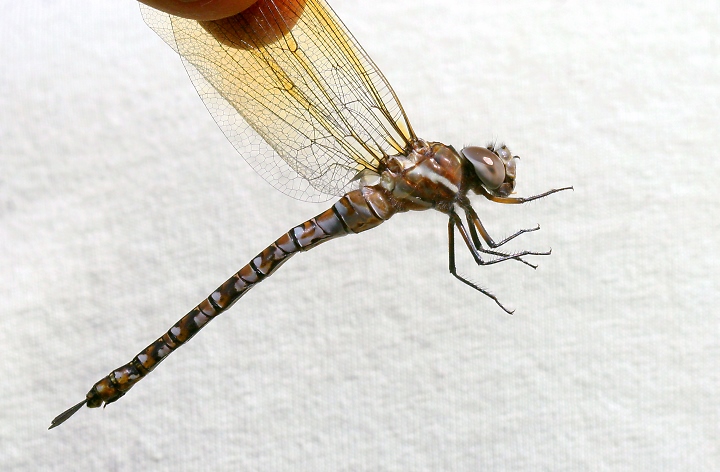
A female Spatterdock Darner in Garrett Co., Maryland (6/9/2007).
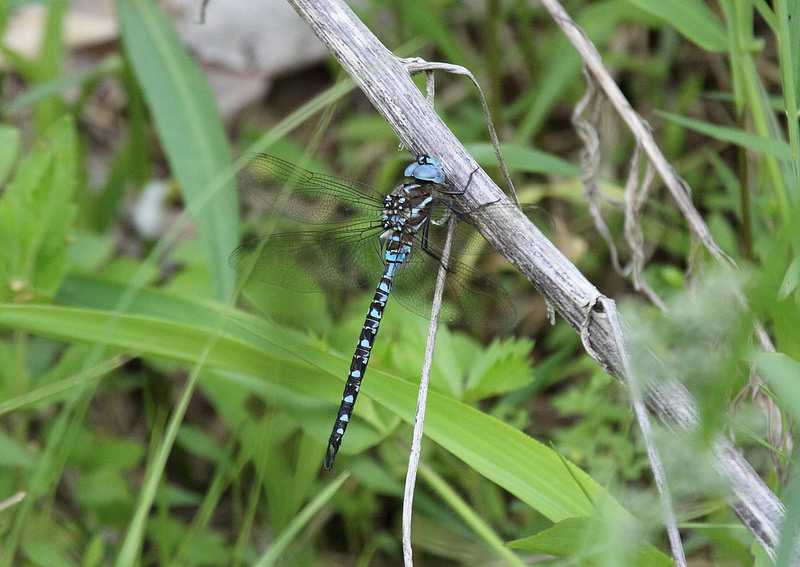
A Spatterdock Darner in Garrett Co., Maryland (6/4/2014).
Spatterdock Darner in Garrett Co., Maryland (Date obscured). (c) Josh Emm, some rights reserved (CC BY-NC).

Spatterdock Darner in Garrett Co., Maryland (7/1/2006). (c) Hans Holbrook, some rights reserved (CC BY-NC).
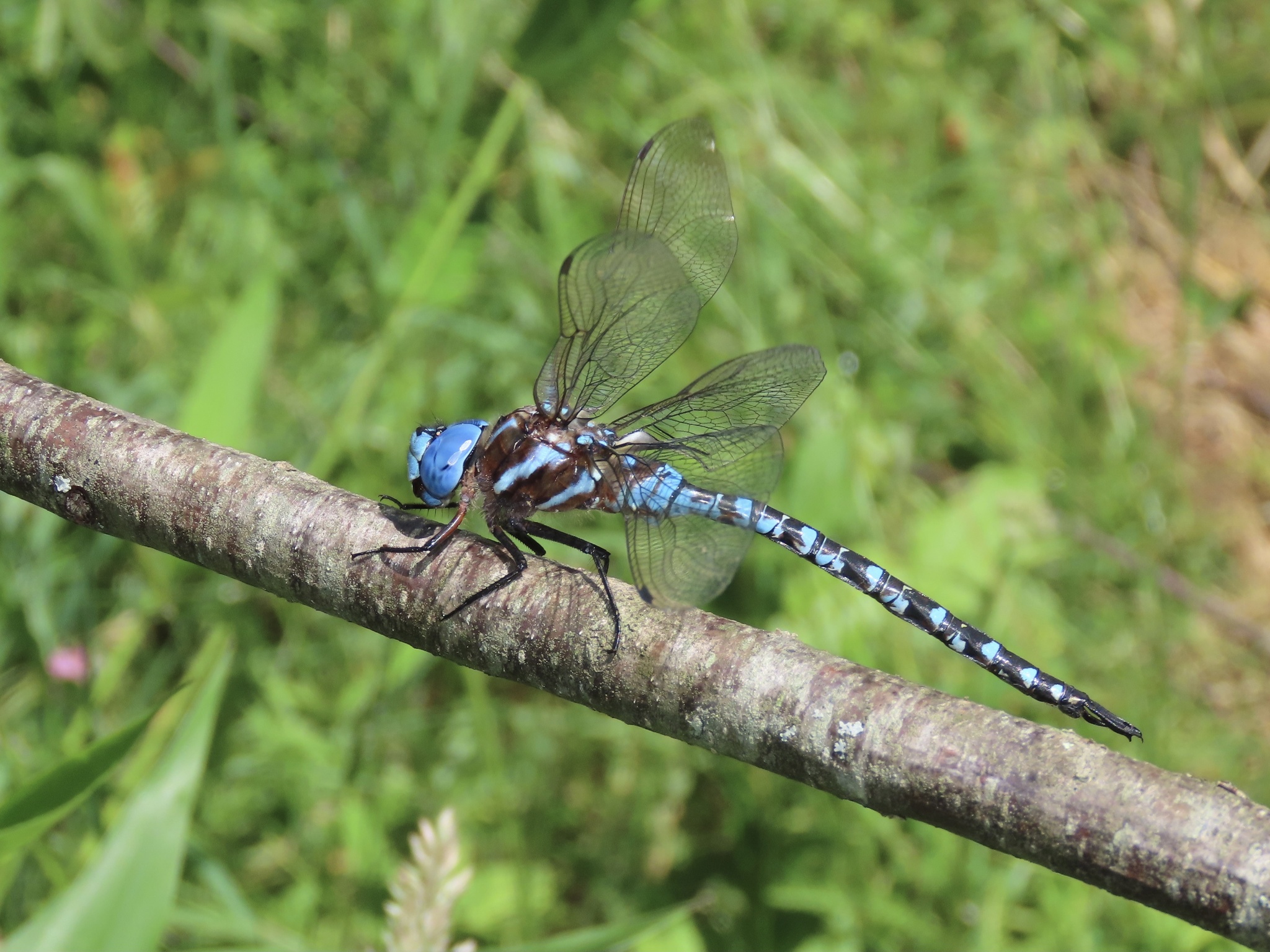
Spatterdock Darner in Garrett Co., Maryland (Date obscured). (c) Josh Emm, some rights reserved (CC BY-NC).

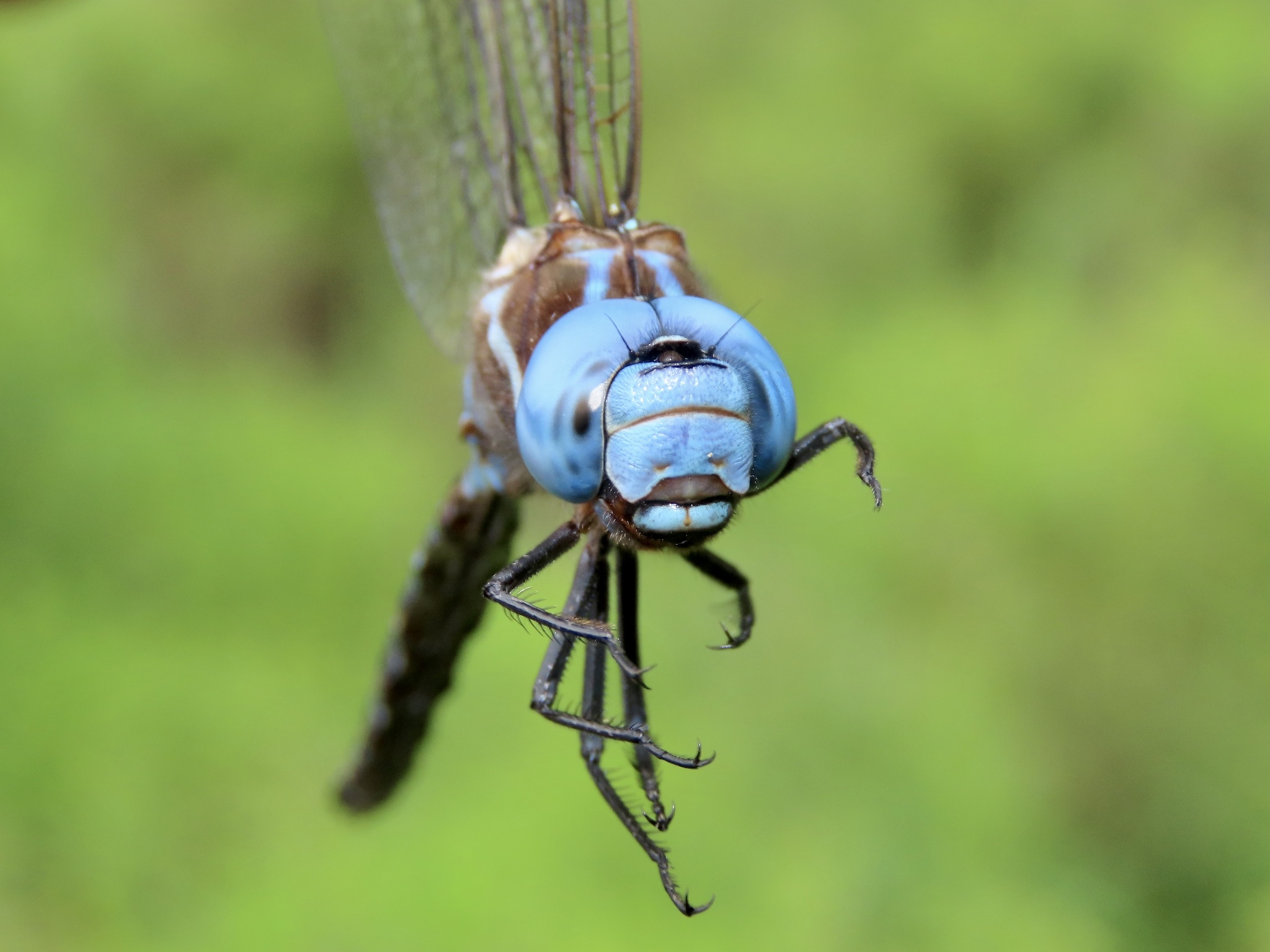
A closeup of the blue eyes of a Spatterdock Darner in Frederick Co., Maryland (6/9/2013).
Photo by
Bonnie Ott
MBP List
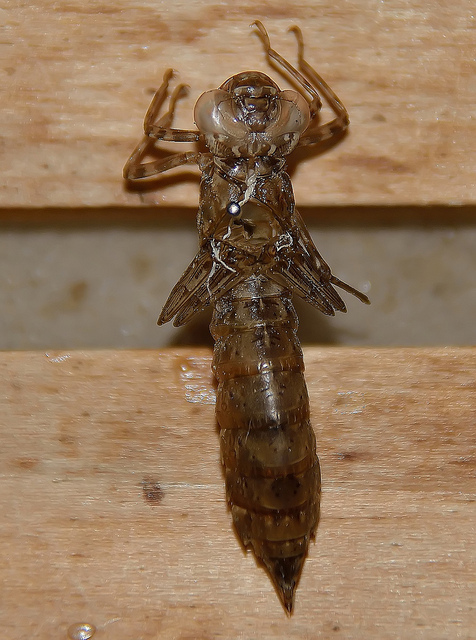
A cast skin of a Spatterdock Darner found in a wetland in Frederick Co., Maryland (6/9/2013).
Photo by
Jim Brighton
MBP List
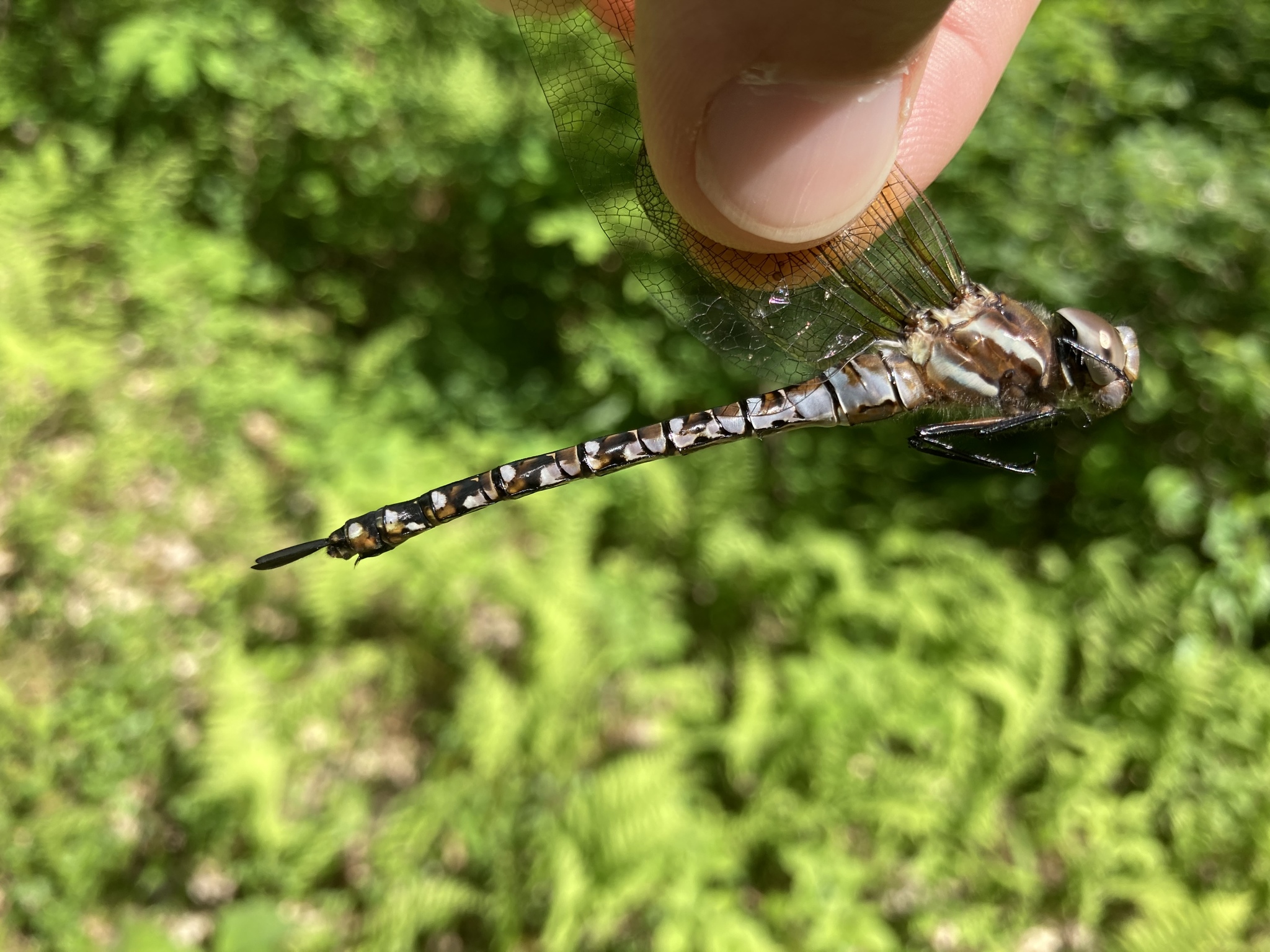
Spatterdock Darner in Garrett Co., Maryland (6/11/2020). (c) Hans Holbrook, some rights reserved (CC BY-NC).
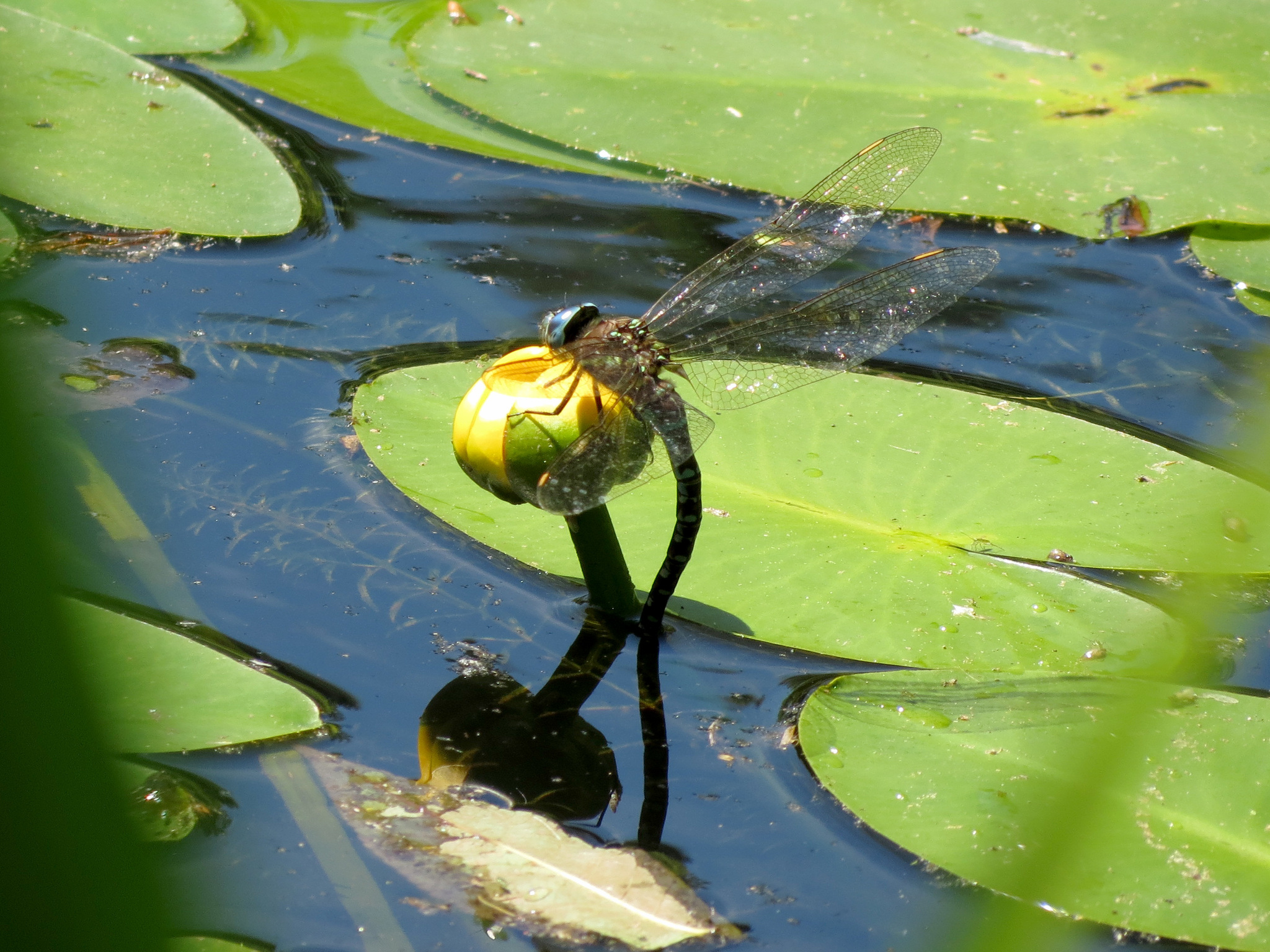
Spatterdock Darner in Montgomery Co., Maryland (Date obscured). (c) Katja Schulz, some rights reserved (CC BY).
Map Snapshot


50 Records
Status
Spatterdock Darner (Rhionaeschna mutata) is a beautiful, and frequently scarce northeastern and midwestern species found primarily at fishless ponds with water lilies (Nuphar sp.), especially spatterdock (Nuphar advena). Spatterdock Darner is active earlier in the year (about May-July) than similar species of darners. This dragonfly is highly state rare in Maryland (S1), and considered endangered in the state. While recorded from six counties, only five sites in three counties (three sites in Garrett, one in Washington, and one in Frederick Co.) are known to currently host breeding populations (Richard Orr's The Dragonflies and Damselflies of Maryland and the District of Columbia).
Citations
No citations linked for this taxon yet.
Use of media featured on Maryland
Biodiversity Project is only permitted with express permission of the
photographer.
A Spatterdock Darner in Frederick Co., Maryland (6/9/2013).
Media by
Richard Orr.
A male Spatterdock Darner in Garrett Co., Maryland (7/1/2006).
View Record Details
Media by
Bill Hubick.
A female Spatterdock Darner in Garrett Co., Maryland (6/9/2007).
View Record Details
Media by
Bill Hubick.
A Spatterdock Darner in Garrett Co., Maryland (6/4/2014).
View Record Details
Media by
Mikey Lutmerding.
Spatterdock Darner in Garrett Co., Maryland (Date obscured). (c) Josh Emm, some rights reserved (CC BY-NC).
View Record Details
Media by
Josh Emm.
Spatterdock Darner in Garrett Co., Maryland (7/1/2006). (c) Hans Holbrook, some rights reserved (CC BY-NC).
View Record Details
Media by
Hans Holbrook.
Spatterdock Darner in Garrett Co., Maryland (Date obscured). (c) Josh Emm, some rights reserved (CC BY-NC).
View Record Details
Media by
Josh Emm.
A closeup of the blue eyes of a Spatterdock Darner in Frederick Co., Maryland (6/9/2013).
Media by
Bonnie Ott.
A cast skin of a Spatterdock Darner found in a wetland in Frederick Co., Maryland (6/9/2013).
Media by
Jim Brighton.
Spatterdock Darner in Garrett Co., Maryland (6/11/2020). (c) Hans Holbrook, some rights reserved (CC BY-NC).
View Record Details
Media by
Hans Holbrook.
Spatterdock Darner in Montgomery Co., Maryland (Date obscured). (c) Katja Schulz, some rights reserved (CC BY).
View Record Details
Media by
Katja Schulz via iNaturalist.
Source: Wikipedia
| Rhionaeschna mutata | |
|---|---|

| |
Scientific classification 
| |
| Kingdom: | Animalia |
| Phylum: | Arthropoda |
| Clade: | Pancrustacea |
| Class: | Insecta |
| Order: | Odonata |
| Infraorder: | Anisoptera |
| Family: | Aeshnidae |
| Genus: | Rhionaeschna |
| Species: | R. mutata
|
| Binomial name | |
| Rhionaeschna mutata (Hagen, 1861)
| |

| |
| Synonyms[2] | |
| |

Rhionaeschna mutata, the spatterdock darner, is a species of darner in the dragonfly family Aeshnidae. It is found in North America.[2][3][1][4]
Spatterdock darners prefer ponds as their reproductive habitat. Specifically small, heavily vegetated, semi-permanent/ephemeral ponds that are fish-free with wooded riparian edges and sphagnum moss.[5]
The IUCN conservation status of Rhionaeschna mutata is "LC", least concern, with no immediate threat to the species' survival. The population is stable. The IUCN status was reviewed in 2017.[1][6][7]
References
[edit]- ^ a b c Paulson, D.R. (2017). "Rhionaeschna mutata". IUCN Red List of Threatened Species. 2017 e.T50967632A65836204. doi:10.2305/IUCN.UK.2017-3.RLTS.T50967632A65836204.en. Retrieved 13 November 2021.
- ^ a b "Rhionaeschna mutata". Integrated Taxonomic Information System. Retrieved 2019-09-24.
- ^ "Rhionaeschna mutata". Global Biodiversity Information Facility. Retrieved 2019-09-24.
- ^ "Rhionaeschna mutata species Information". BugGuide.net. Retrieved 2019-09-24.
- ^ Schilling, Emily Gaenzle; Lawrenz, Ron; Kundel, Holly (July 2019). "An Assessment of the Geographic Distribution and Status of a Rare Dragonfly, Rhionaeschna mutata, at the Northwestern Edge of Its Range". Northeastern Naturalist. 26 (3): 523–536. doi:10.1656/045.026.0305. ISSN 1092-6194. S2CID 199640195.
- ^ "Odonata Central". Retrieved 2019-07-02.
- ^ "World Odonata List". Slater Museum of Natural History, University of Puget Sound. 2018. Retrieved 2019-07-02.
Further reading
[edit]- Kalkman, V. J. (2013). Studies on phylogeny and biogeography of damselflies (Odonata) with emphasis on the Argiolestidae (PhD thesis). Leiden University. hdl:1887/22953.
 | This article related to Aeshnidae is a stub. You can help Wikipedia by adding missing information. |